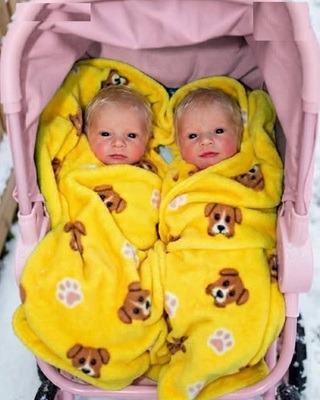
“‘I Had to Take Them, Mom,’ Said My 16-Year-Old When He Came Home With Newborn Twins”
When my son walked through the door that Tuesday afternoon, cradling two newborn babies, I felt my world tilt on its axis, the apartment around me.
Our modest two-bedroom refuge — suddenly felt both too small and impossibly vast. Then he spoke, and the words he chose shattered every expectation.
I had about motherhood, family, and what it truly means to sacrifice. I never imagined my life would take a turn like this. My name is Jennifer, and I’m 43 years old.
For the past five years, I’ve been navigating the aftermath of the worst divorce imaginable. My ex-husband, Derek, didn’t simply leave — he ripped apart the life we had built together, leaving me and our son, Josh, with just enough to scrape by.
Josh is 16 now, my universe, my anchor, the one person who has kept me grounded despite the storm of heartbreak Derek left behind.

He carried a quiet hope for years that his father might return, a longing in his eyes that pierced me daily, a silent reminder of what we had lost.
We live just a block away from Mercy General Hospital, in a small, cramped apartment that barely fits our needs.
It’s affordable, and it’s close enough for Josh to walk to school each morning.
Every corner of that apartment bears the marks of our resilience: the faded curtains, the secondhand furniture, the small kitchen that has served as a battleground for both exhaustion and love.
That Tuesday began like any other. I was folding laundry in the living room, the hum of the dryer filling the apartment, when I heard the front door open.
Josh’s footsteps were heavier than usual, hesitant, almost unrecognizable.
“Mom?” His voice carried an urgency I had never heard before. “Mom, you need to come here. Right now.”
I dropped the towel I was holding and hurried toward his room. “What’s wrong? Are you hurt?”
When I stepped inside, my heart nearly stopped.
Josh stood in the middle of his bedroom, two tiny bundles cradled in his arms. Newborns. A boy and a girl.
Wrapped in soft hospital blankets, their faces were scrunched with sleep, eyes barely open, fists curled tightly against their chests.
“Josh…” My voice caught in my throat. “What… what is this? Where did you…”
He looked at me with a mixture of determination and fear.
“I’m sorry, Mom,” he said quietly. “I couldn’t leave them.”
My knees went weak. “Leave them? Josh, where did you even get these babies?”
“They’re twins. A boy and a girl,” he said, his voice steady despite the tremor I could sense underneath.
My hands shook as I tried to process the scene before me. “You need to tell me what’s happening right now.”
Josh took a deep breath. “I went to the hospital this afternoon. My friend Marcus had an accident — he fell off his bike pretty badly, so I went with him to get checked out. While we were waiting in the ER, I saw him.”
“Saw who?”
“Dad.”
The air seemed to leave my lungs.
“They are Dad’s babies, Mom.”
I froze, the words hanging in the air like a sudden storm.
“Dad was storming out of one of the maternity wards,” Josh continued. “He looked angry, frustrated.
I didn’t approach him, but I asked around. You know Mrs. Chen, the nurse you know who works in labor and delivery?”
I nodded numbly.
“She told me Sylvia — Dad’s girlfriend — went into labor last night. She had twins. And when he learned, he left. Told the nurses he wanted nothing to do with them.”
I felt as though someone had punched me in the stomach. “No. That can’t be right.”
“It is, Mom,” Josh said firmly. “I went to see her. Sylvia was alone in her hospital room, barely able to hold the babies. She’s sick, complications after delivery, infections. She was crying so hard she could barely breathe.”
“Josh, this isn’t our problem,” I whispered, my voice shaking.
“They’re my siblings!” His voice cracked. “And they have nobody. I told Sylvia I would bring them home just for a little while, so you could see, maybe help. I couldn’t just leave them there.”
I sank onto the edge of his bed. “How did they even let you take them? You’re sixteen.”
“Sylvia signed a temporary release form,” he explained. “She knew who I was. I showed my ID. Mrs. Chen vouched for me.
They said it was irregular, but she just kept crying and said she didn’t know what else to do.”
I looked down at the twins. Fragile. Tiny. Helpless. My heart ached, but my mind raced.
“You can’t do this. This isn’t your responsibility,” I said, tears streaming down my face.
“Then whose is it?” Josh shot back. “Dad’s? He already proved he doesn’t care. What if Sylvia doesn’t make it? What happens to these babies then?”
“We take them back to the hospital right now. This is too much,” I said firmly.
“Mom, please…”
“No,” I said, my voice unwavering. “Get your shoes on. We’re going back.”
The drive to Mercy General was silent, suffocating. Josh sat in the back seat with the twins, one in each basket we had grabbed from the garage in haste.
When we arrived, Mrs. Chen met us at the hospital entrance. Her face was tight with concern.
“Jennifer, I’m so sorry. Josh just wanted to—”
“Where’s Sylvia?” I interrupted.
“Room 314,” she said quietly. “But Jennifer, you should know… she’s very ill. The infection is worse than we thought.”

My stomach turned. “How bad?”
Mrs. Chen’s expression said it all.
We rode the elevator in silence. Josh cradled the babies gently, whispering to them softly as though they could understand every word.
When we reached room 314, I knocked before opening the door. Sylvia looked worse than I could have imagined.
Pale, hooked up to multiple IVs, fragile in a way that made my heart ache. She barely lifted her eyes when she saw us, and tears immediately filled her face.
“I’m so sorry,” she sobbed. “I didn’t know what else to do. I’m alone, and Derek… he left.”
“I know,” I said quietly.
“He didn’t want to know,” she continued, gesturing weakly toward the twins. “When he found out about the twins and my complications, he just… left. I don’t even know if I’m going to make it. What happens to them if I don’t?”
Josh stepped forward before I could speak. “We’ll take care of them,” he said.
I felt my heart split in two. “Josh…”
“Look at them, Mom. They need us,” he said quietly.
“Why? Why is this our problem?”
“Because nobody else is!” he shouted, then lowered his voice. “If we don’t step up, they go into foster care. Separated. Maybe forever. Is that what you want?”
I had no answer. I looked at the babies, at my son, barely more than a child himself, and at the woman fighting to survive.
“I need to make a call,” I said finally.
I called Derek from the parking lot. He answered on the fourth ring, sounding annoyed.
“What?”
“It’s Jennifer. We need to talk about Sylvia and the twins.”
There was a long pause. “How do you know about that?”
“Josh was there. He saw you leave. What’s wrong with you?”
“Don’t start. I didn’t ask for this. She said she was on birth control. It’s a disaster.”
“They’re your children!”
“They’re a mistake,” he said coldly. “I’ll sign whatever papers you need. If you want to take them, fine. Don’t expect me to help.”
I hung up before anger overtook me.
An hour later, Derek appeared at the hospital with a lawyer. Without even asking to see the babies, he signed temporary guardianship papers. “They’re not my burden anymore,” he said, and left.
Josh watched silently. “I’m never going to be like him,” he whispered.
That night, we brought the twins home. Lila and Mason. Josh immediately set up a small corner of our apartment for them, using a secondhand crib he had found.
The first week was chaos. Constant crying, diaper changes every two hours, sleepless nights.
Josh insisted on doing most of it himself, whispering stories to them in the middle of the night, monitoring their tiny bodies like a vigilant guardian.
Then, three weeks in, Lila spiked a high fever. We rushed to the ER. Blood tests, chest X-rays, echocardiogram — our worst fears confirmed. She had a congenital heart defect. Surgery was urgent and expensive.
Josh refused to leave her side. He whispered to her tiny body, promising to protect her, to keep her safe.
The surgery took six hours. We waited in corridors, Josh’s head in his hands, silent tears streaming down his face.
When the surgeon emerged, she announced it had gone well. Lila was stable. Josh sobbed. Relief, gratitude, exhaustion, and love poured from him in equal measure.
Five days later, the hospital called again. Sylvia had passed away. She had updated her legal documents before dying, naming Josh and me as permanent guardians of the twins. Her note read: “Josh showed me what family really means. Please take care of my babies.”
I cried in the hospital cafeteria, for Sylvia, for the babies, for Josh — who had stepped into a role far beyond his years.
A year has passed since that day. Our apartment is chaos — toys everywhere, laughter and crying intermingling in constant symphony.
Josh, now 17, has given up football, sacrificed friends and normal teenage life, but he says firmly, “They’re not a sacrifice, Mom. They’re my family.”
I watch him sleeping on the floor between the cribs, one hand on each twin, and I remember that first day: “Sorry, Mom, I couldn’t leave them.”
He didn’t leave them. He saved them. And in doing so, he saved us all.
We’re broken, stitched together, exhausted, uncertain — but we’re a family. And sometimes, that’s enough.
When my son walked through the door that Tuesday afternoon, cradling two newborn babies, I felt my world tilt on its axis, the apartment around me.
Our modest two-bedroom refuge — suddenly felt both too small and impossibly vast. Then he spoke, and the words he chose shattered every expectation.
I had about motherhood, family, and what it truly means to sacrifice. I never imagined my life would take a turn like this. My name is Jennifer, and I’m 43 years old.
For the past five years, I’ve been navigating the aftermath of the worst divorce imaginable. My ex-husband, Derek, didn’t simply leave — he ripped apart the life we had built together, leaving me and our son, Josh, with just enough to scrape by.
Josh is 16 now, my universe, my anchor, the one person who has kept me grounded despite the storm of heartbreak Derek left behind.
He carried a quiet hope for years that his father might return, a longing in his eyes that pierced me daily, a silent reminder of what we had lost.
We live just a block away from Mercy General Hospital, in a small, cramped apartment that barely fits our needs.
It’s affordable, and it’s close enough for Josh to walk to school each morning.
Every corner of that apartment bears the marks of our resilience: the faded curtains, the secondhand furniture, the small kitchen that has served as a battleground for both exhaustion and love.
That Tuesday began like any other. I was folding laundry in the living room, the hum of the dryer filling the apartment, when I heard the front door open.
Josh’s footsteps were heavier than usual, hesitant, almost unrecognizable.
“Mom?” His voice carried an urgency I had never heard before. “Mom, you need to come here. Right now.”
I dropped the towel I was holding and hurried toward his room. “What’s wrong? Are you hurt?”
When I stepped inside, my heart nearly stopped.
Josh stood in the middle of his bedroom, two tiny bundles cradled in his arms. Newborns. A boy and a girl.
Wrapped in soft hospital blankets, their faces were scrunched with sleep, eyes barely open, fists curled tightly against their chests.
“Josh…” My voice caught in my throat. “What… what is this? Where did you…”
He looked at me with a mixture of determination and fear.
“I’m sorry, Mom,” he said quietly. “I couldn’t leave them.”
My knees went weak. “Leave them? Josh, where did you even get these babies?”
“They’re twins. A boy and a girl,” he said, his voice steady despite the tremor I could sense underneath.
My hands shook as I tried to process the scene before me. “You need to tell me what’s happening right now.”
Josh took a deep breath. “I went to the hospital this afternoon. My friend Marcus had an accident — he fell off his bike pretty badly, so I went with him to get checked out. While we were waiting in the ER, I saw him.”
“Saw who?”
“Dad.”
The air seemed to leave my lungs.
“They are Dad’s babies, Mom.”
I froze, the words hanging in the air like a sudden storm.
“Dad was storming out of one of the maternity wards,” Josh continued. “He looked angry, frustrated.
I didn’t approach him, but I asked around. You know Mrs. Chen, the nurse you know who works in labor and delivery?”
I nodded numbly.
“She told me Sylvia — Dad’s girlfriend — went into labor last night. She had twins. And when he learned, he left. Told the nurses he wanted nothing to do with them.”
I felt as though someone had punched me in the stomach. “No. That can’t be right.”
“It is, Mom,” Josh said firmly. “I went to see her. Sylvia was alone in her hospital room, barely able to hold the babies. She’s sick, complications after delivery, infections. She was crying so hard she could barely breathe.”
“Josh, this isn’t our problem,” I whispered, my voice shaking.
“They’re my siblings!” His voice cracked. “And they have nobody. I told Sylvia I would bring them home just for a little while, so you could see, maybe help. I couldn’t just leave them there.”
I sank onto the edge of his bed. “How did they even let you take them? You’re sixteen.”
“Sylvia signed a temporary release form,” he explained. “She knew who I was. I showed my ID. Mrs. Chen vouched for me.
They said it was irregular, but she just kept crying and said she didn’t know what else to do.”
I looked down at the twins. Fragile. Tiny. Helpless. My heart ached, but my mind raced.
“You can’t do this. This isn’t your responsibility,” I said, tears streaming down my face.
“Then whose is it?” Josh shot back. “Dad’s? He already proved he doesn’t care. What if Sylvia doesn’t make it? What happens to these babies then?”
“We take them back to the hospital right now. This is too much,” I said firmly.
“Mom, please…”
“No,” I said, my voice unwavering. “Get your shoes on. We’re going back.”
The drive to Mercy General was silent, suffocating. Josh sat in the back seat with the twins, one in each basket we had grabbed from the garage in haste.
When we arrived, Mrs. Chen met us at the hospital entrance. Her face was tight with concern.
“Jennifer, I’m so sorry. Josh just wanted to—”
“Where’s Sylvia?” I interrupted.
“Room 314,” she said quietly. “But Jennifer, you should know… she’s very ill. The infection is worse than we thought.”
My stomach turned. “How bad?”
Mrs. Chen’s expression said it all.
We rode the elevator in silence. Josh cradled the babies gently, whispering to them softly as though they could understand every word.
When we reached room 314, I knocked before opening the door. Sylvia looked worse than I could have imagined.
Pale, hooked up to multiple IVs, fragile in a way that made my heart ache. She barely lifted her eyes when she saw us, and tears immediately filled her face.
“I’m so sorry,” she sobbed. “I didn’t know what else to do. I’m alone, and Derek… he left.”
“I know,” I said quietly.
“He didn’t want to know,” she continued, gesturing weakly toward the twins. “When he found out about the twins and my complications, he just… left. I don’t even know if I’m going to make it. What happens to them if I don’t?”
Josh stepped forward before I could speak. “We’ll take care of them,” he said.
I felt my heart split in two. “Josh…”
“Look at them, Mom. They need us,” he said quietly.
“Why? Why is this our problem?”
“Because nobody else is!” he shouted, then lowered his voice. “If we don’t step up, they go into foster care. Separated. Maybe forever. Is that what you want?”
I had no answer. I looked at the babies, at my son, barely more than a child himself, and at the woman fighting to survive.
“I need to make a call,” I said finally.
I called Derek from the parking lot. He answered on the fourth ring, sounding annoyed.
“What?”
“It’s Jennifer. We need to talk about Sylvia and the twins.”
There was a long pause. “How do you know about that?”
“Josh was there. He saw you leave. What’s wrong with you?”
“Don’t start. I didn’t ask for this. She said she was on birth control. It’s a disaster.”
“They’re your children!”
“They’re a mistake,” he said coldly. “I’ll sign whatever papers you need. If you want to take them, fine. Don’t expect me to help.”
I hung up before anger overtook me.
An hour later, Derek appeared at the hospital with a lawyer. Without even asking to see the babies, he signed temporary guardianship papers. “They’re not my burden anymore,” he said, and left.
Josh watched silently. “I’m never going to be like him,” he whispered.
That night, we brought the twins home. Lila and Mason. Josh immediately set up a small corner of our apartment for them, using a secondhand crib he had found.
The first week was chaos. Constant crying, diaper changes every two hours, sleepless nights.
Josh insisted on doing most of it himself, whispering stories to them in the middle of the night, monitoring their tiny bodies like a vigilant guardian.
Then, three weeks in, Lila spiked a high fever. We rushed to the ER. Blood tests, chest X-rays, echocardiogram — our worst fears confirmed. She had a congenital heart defect. Surgery was urgent and expensive.
Josh refused to leave her side. He whispered to her tiny body, promising to protect her, to keep her safe.
The surgery took six hours. We waited in corridors, Josh’s head in his hands, silent tears streaming down his face.
When the surgeon emerged, she announced it had gone well. Lila was stable. Josh sobbed. Relief, gratitude, exhaustion, and love poured from him in equal measure.
Five days later, the hospital called again. Sylvia had passed away. She had updated her legal documents before dying, naming Josh and me as permanent guardians of the twins. Her note read: “Josh showed me what family really means. Please take care of my babies.”
I cried in the hospital cafeteria, for Sylvia, for the babies, for Josh — who had stepped into a role far beyond his years.
A year has passed since that day. Our apartment is chaos — toys everywhere, laughter and crying intermingling in constant symphony.
Josh, now 17, has given up football, sacrificed friends and normal teenage life, but he says firmly, “They’re not a sacrifice, Mom. They’re my family.”
I watch him sleeping on the floor between the cribs, one hand on each twin, and I remember that first day: “Sorry, Mom, I couldn’t leave them.”
He didn’t leave them. He saved them. And in doing so, he saved us all.
We’re broken, stitched together, exhausted, uncertain — but we’re a family. And sometimes, that’s enough.


