...

“I didn’t know that.”

Certain objects and experiences from childhood leave a lasting impression—not because of nostalgia alone, but due to the strange mix of curiosity.

Fascination, and sometimes mild dread they evoke. Among such natural curiosities, trumpet worm nests stand out for their unusual appearance.

Mysterious construction, and the way they capture the imagination of those who encounter them.  For children growing up near coastal or riverine environments, stumbling upon these nests was often a vivid, unforgettable experience that combined wonder with a touch of fear.

These nests, meticulously built by trumpet worms, are small yet remarkable examples of the resourcefulness and intelligence of even the tiniest creatures.

Observing or handling them provides a unique window into the intricacies of marine ecosystems and the often-overlooked lives of invertebrates that shape their environment in subtle but profound ways.
The Builders: Who Are Trumpet Worms?

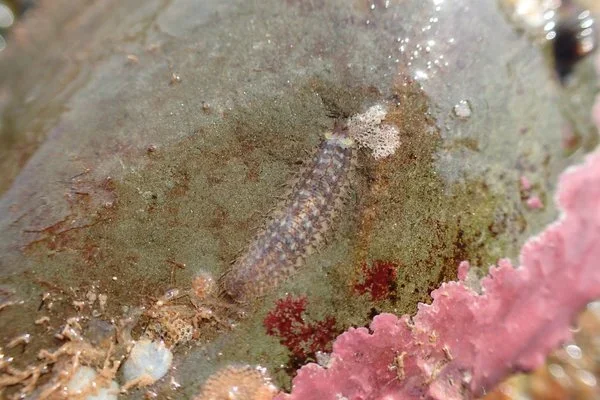
Trumpet worms are a type of polychaete worm, belonging to the class Polychaeta within the phylum Annelida.

These worms are segmented, bristly creatures that inhabit sandy or muddy substrates in coastal and estuarine ecosystems.

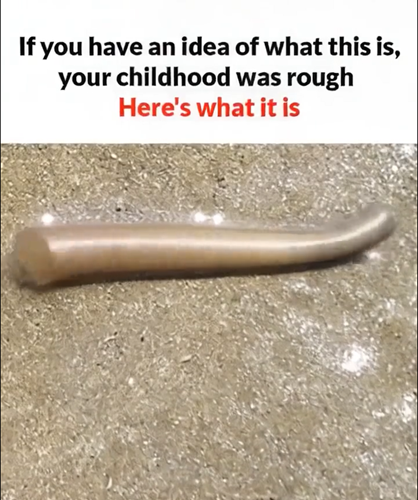
Their common name, “trumpet worm,” derives from the trumpet-shaped tubes they construct in the sand, which protrude slightly above the substrate.

The worms themselves are elongated, flexible, and covered in small bristles, or chaetae, which aid in movement and burrow construction.

Their bodies are divided into segments, each with specialized functions, allowing them to manipulate grains of sand, shell fragments, and other debris with remarkable precision.

Polychaetes are among the most diverse groups of marine worms, and trumpet worms are particularly notable for their ability to engineer their habitats in ways that both protect them and contribute to the larger ecosystem.

How Trumpet Worm Nests Are Formed

The formation of a trumpet worm nest is an exercise in patience, skill, and instinctive engineering.

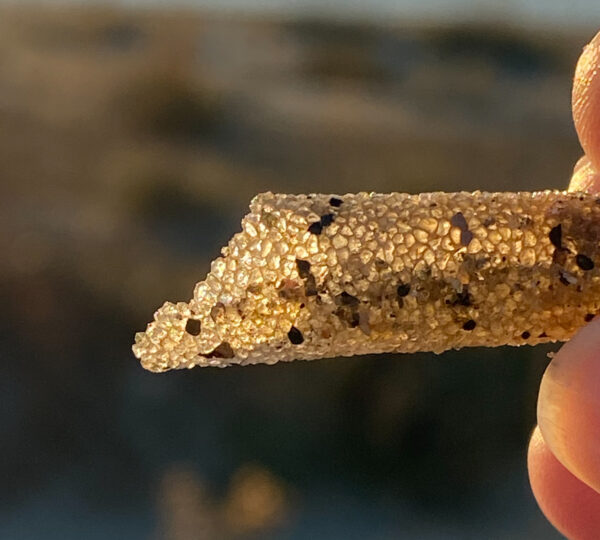
These worms construct cylindrical tubes, often ranging from a few centimeters to over a foot in length, using sand grains, shell fragments, and other available debris.

The exterior of the tube is rough and textured, which provides camouflage and helps anchor the structure in the shifting substrate of the beach or tidal zone.

Inside the tube, the worm lives securely, extending only its anterior end to feed. The tube’s structure serves multiple functions:

Protection from Predators: The tube acts as a barrier against crabs, birds, and other predators that might try to extract the worm.

Environmental Shelter: It shields the worm from strong currents, waves, and shifting sands.

Moisture Retention: By creating a semi-enclosed space, the nest helps prevent desiccation during low tides.

Interestingly, the worms also use their tubes to filter feed. They extend feathery appendages out of the tube’s opening to capture plankton and detritus from the surrounding water.
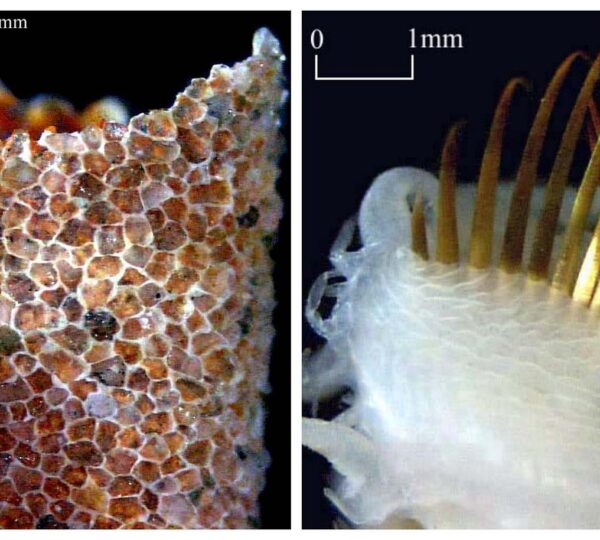
This behavior demonstrates the dual purpose of the nests: they are both a safe home and a functional feeding station.

Childhood Encounters: Awe, Curiosity, and a Touch of Fear

For children growing up near beaches, riverbanks, or coastal estuaries, trumpet worm nests were a common, though sometimes unsettling, sight.

Communities located near the water often made encounters with these nests almost inevitable.

Children are naturally curious, and many would approach the nests with a mix of fascination and apprehension.

The cylindrical shapes, rough textures, and occasional slight movement from inside the tubes could create a sense of mystery or even mild fear.

It wasn’t uncommon for kids to poke the nests gently with sticks or observe the worms retracting rapidly when disturbed.

These experiences often left a lasting impression, introducing children to concepts like habitat, adaptation, and survival in ways that textbooks rarely could.

Beyond personal curiosity, discovering trumpet worm nests often became a form of play or exploration.

Some children used them as markers during games, while others carefully documented their finds, learning early lessons about observation and respect for living organisms.

Identifying Trumpet Worm Nests: What to Look For

Recognizing a trumpet worm nest is straightforward once you know what features to observe:

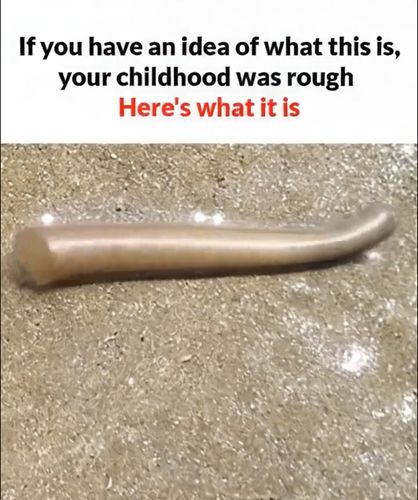
Cylindrical Tube Shape: The tubes are long, narrow, and slightly curved, resembling miniature trumpets protruding from the sand.

Rough, Textured Exterior: Made of sand grains, shell fragments, and other debris, the outer layer is coarse and camouflaged.

Varied Coloring: Tubes range in color from light beige to dark brown, depending on local sediment and available materials.
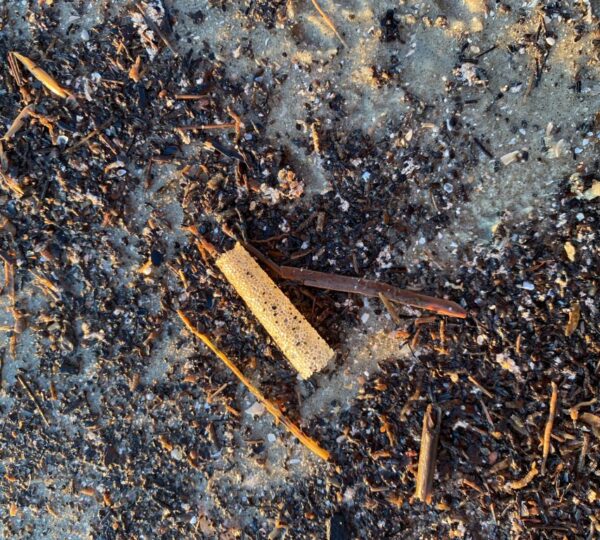
Small Openings: The worm extends its feeding appendages from the tube’s opening, providing a subtle hint that life exists within.

Careful observation of these features can offer a deeper appreciation for the complexity of marine life and the interactions between organisms and their environment.

Even minor variations in tube size, material, or structure can reveal differences in worm species, sediment types, or local ecological conditions.

How to Handle a Trumpet Worm Nest

While the temptation to touch or dismantle a nest can be strong, it is important to handle these structures with care.

Trumpet worms and their nests are delicate ecosystems. Disturbing a nest can harm the worm inside, damage the tube, and disrupt local microhabitats.

For those encountering a nest, observation from a safe distance is the best approach. Photographing the nest allows for detailed study without causing harm.

For children, this presents a teaching opportunity: respecting wildlife, understanding the fragility of ecosystems, and appreciating natural engineering are all valuable lessons.

Educational programs often use examples like trumpet worm nests to demonstrate principles of ecology, adaptation, and interdependence in marine environments.

They show that even small, often overlooked creatures play essential roles in maintaining ecosystem health.

The Role of Trumpet Worm Nests in Coastal Ecosystems

Trumpet worm nests are not just curiosities; they have tangible ecological importance.

By burrowing and building tubes, trumpet worms help stabilize sediment, reducing erosion in tidal flats and sandy shores.
Their filter-feeding behavior also contributes to water quality, as they capture organic particles from the water column, cycling nutrients within the ecosystem.

Moreover, these nests provide microhabitats for other small organisms, such as tiny crustaceans, juvenile mollusks, and various microorganisms.

This makes trumpet worm nests an integral part of the coastal food web, supporting biodiversity in ways that may not be immediately visible to casual observers.

Lasting Impressions and Lessons from Childhood

For many who grew up near coastal or riverine areas, trumpet worm nests left lasting impressions. They sparked curiosity, instilled a sense of awe, and sometimes evoked a touch of fear.

Encountering these nests could feel like a rite of passage, teaching children to navigate the unknown, engage with living systems respectfully, and appreciate the ingenuity of nature.

These early interactions with trumpet worm nests often laid the foundation for a lifelong interest in marine biology, ecology, or environmental stewardship.

Even adults who remember poking at these structures as children can recall the mix of fascination and cautious respect that accompanied these encounters.

A Symbol of Nature’s Ingenuity

Trumpet worm nests are more than oddities or childhood curiosities. They represent nature’s ingenuity: the ability of small, unassuming creatures to create complex, functional structures that serve multiple purposes.

From protection and shelter to feeding and habitat creation, these tiny worms demonstrate that intelligence and resourcefulness are not limited to large or highly visible animals.

By observing and respecting these nests, both children and adults gain a richer appreciation for the natural world.

They highlight the delicate balance of ecosystems, the interdependence of species, and the often-overlooked details that sustain life along coasts and tidal areas.
Tips for Observing Trumpet Worm Nests

For anyone interested in observing these fascinating structures, a few practical tips can enhance the experience:

Visit at Low Tide: Trumpet worms are most visible during low tide when tubes protrude from the sand.

Use Gentle Observation: Avoid poking or disassembling the nests; binoculars or macro photography can provide detailed views without disturbance.

Document Carefully: Photographs or sketches can help track observations, particularly for educational or scientific purposes.

Educate Children: Teach young explorers to respect wildlife and understand the ecological role of these structures.

Look for Variation: Differences in tube size, material composition, and placement can indicate species diversity or environmental conditions.

By following these simple guidelines, observers can enjoy a safe and enriching experience while minimizing their impact on delicate ecosystems.

The Enduring Appeal of Small, Curious Structures

Small details often carry unexpected significance, and trumpet worm nests are a perfect example.

Something that might initially provoke curiosity or mild unease in a child is revealed, upon closer examination, as a sophisticated natural structure with ecological and educational value.

They remind us that even tiny creatures contribute to the complex balance of life in ways we may not immediately see.

By preserving and observing these structures, we honor both the ingenuity of nature and the lessons it can teach us about adaptation, resourcefulness, and respect for all forms of life.

For those who grew up encountering trumpet worm nests, the memories endure. They capture the wonder of childhood exploration, the thrill of discovery, and the lessons of observing life in its raw, untamed form.

For new generations, these nests remain an opportunity to connect with the natural world, fostering curiosity and respect for ecosystems that extend far beyond what we can see with the naked eye.

Conclusion

Trumpet worm nests are more than simple coastal oddities—they are symbols of nature’s engineering, resilience, and creativity.

From the sand and shells that compose their sturdy tubes to the worms that inhabit them, these nests offer insights into the hidden lives of marine invertebrates and the ecosystems they support.

For children and adults alike, encountering a trumpet worm nest provides an unforgettable lesson:

the smallest creatures can have the largest impact, and even seemingly minor details in nature are worth observing, respecting, and learning from.

By approaching these delicate structures with curiosity and care, we honor the ingenuity of nature, the complexity of marine ecosystems, and the lasting imprint of childhood experiences that shape our understanding of the world.

Trumpet worm nests are reminders that wonder often lies in small, hidden places—and that paying attention to these details can transform even brief encounters with nature into meaningful, lifelong lessons.

Certain objects and experiences from childhood leave a lasting impression—not because of nostalgia alone, but due to the strange mix of curiosity.

Fascination, and sometimes mild dread they evoke. Among such natural curiosities, trumpet worm nests stand out for their unusual appearance.

Mysterious construction, and the way they capture the imagination of those who encounter them.  For children growing up near coastal or riverine environments, stumbling upon these nests was often a vivid, unforgettable experience that combined wonder with a touch of fear.

These nests, meticulously built by trumpet worms, are small yet remarkable examples of the resourcefulness and intelligence of even the tiniest creatures.

Observing or handling them provides a unique window into the intricacies of marine ecosystems and the often-overlooked lives of invertebrates that shape their environment in subtle but profound ways.

The Builders: Who Are Trumpet Worms?

Trumpet worms are a type of polychaete worm, belonging to the class Polychaeta within the phylum Annelida.

These worms are segmented, bristly creatures that inhabit sandy or muddy substrates in coastal and estuarine ecosystems.

Their common name, “trumpet worm,” derives from the trumpet-shaped tubes they construct in the sand, which protrude slightly above the substrate.

The worms themselves are elongated, flexible, and covered in small bristles, or chaetae, which aid in movement and burrow construction.

Their bodies are divided into segments, each with specialized functions, allowing them to manipulate grains of sand, shell fragments, and other debris with remarkable precision.

Polychaetes are among the most diverse groups of marine worms, and trumpet worms are particularly notable for their ability to engineer their habitats in ways that both protect them and contribute to the larger ecosystem.

How Trumpet Worm Nests Are Formed

The formation of a trumpet worm nest is an exercise in patience, skill, and instinctive engineering.

These worms construct cylindrical tubes, often ranging from a few centimeters to over a foot in length, using sand grains, shell fragments, and other available debris.

The exterior of the tube is rough and textured, which provides camouflage and helps anchor the structure in the shifting substrate of the beach or tidal zone.

Inside the tube, the worm lives securely, extending only its anterior end to feed. The tube’s structure serves multiple functions:

Protection from Predators: The tube acts as a barrier against crabs, birds, and other predators that might try to extract the worm.

Environmental Shelter: It shields the worm from strong currents, waves, and shifting sands.

Moisture Retention: By creating a semi-enclosed space, the nest helps prevent desiccation during low tides.

Interestingly, the worms also use their tubes to filter feed. They extend feathery appendages out of the tube’s opening to capture plankton and detritus from the surrounding water.

This behavior demonstrates the dual purpose of the nests: they are both a safe home and a functional feeding station.

Childhood Encounters: Awe, Curiosity, and a Touch of Fear

For children growing up near beaches, riverbanks, or coastal estuaries, trumpet worm nests were a common, though sometimes unsettling, sight.

Communities located near the water often made encounters with these nests almost inevitable.

Children are naturally curious, and many would approach the nests with a mix of fascination and apprehension.

The cylindrical shapes, rough textures, and occasional slight movement from inside the tubes could create a sense of mystery or even mild fear.

It wasn’t uncommon for kids to poke the nests gently with sticks or observe the worms retracting rapidly when disturbed.

These experiences often left a lasting impression, introducing children to concepts like habitat, adaptation, and survival in ways that textbooks rarely could.

Beyond personal curiosity, discovering trumpet worm nests often became a form of play or exploration.

Some children used them as markers during games, while others carefully documented their finds, learning early lessons about observation and respect for living organisms.

Identifying Trumpet Worm Nests: What to Look For

Recognizing a trumpet worm nest is straightforward once you know what features to observe:

Cylindrical Tube Shape: The tubes are long, narrow, and slightly curved, resembling miniature trumpets protruding from the sand.

Rough, Textured Exterior: Made of sand grains, shell fragments, and other debris, the outer layer is coarse and camouflaged.

Varied Coloring: Tubes range in color from light beige to dark brown, depending on local sediment and available materials.

Small Openings: The worm extends its feeding appendages from the tube’s opening, providing a subtle hint that life exists within.

Careful observation of these features can offer a deeper appreciation for the complexity of marine life and the interactions between organisms and their environment.

Even minor variations in tube size, material, or structure can reveal differences in worm species, sediment types, or local ecological conditions.

How to Handle a Trumpet Worm Nest

While the temptation to touch or dismantle a nest can be strong, it is important to handle these structures with care.

Trumpet worms and their nests are delicate ecosystems. Disturbing a nest can harm the worm inside, damage the tube, and disrupt local microhabitats.

For those encountering a nest, observation from a safe distance is the best approach. Photographing the nest allows for detailed study without causing harm.

For children, this presents a teaching opportunity: respecting wildlife, understanding the fragility of ecosystems, and appreciating natural engineering are all valuable lessons.

Educational programs often use examples like trumpet worm nests to demonstrate principles of ecology, adaptation, and interdependence in marine environments.

They show that even small, often overlooked creatures play essential roles in maintaining ecosystem health.

The Role of Trumpet Worm Nests in Coastal Ecosystems

Trumpet worm nests are not just curiosities; they have tangible ecological importance.

By burrowing and building tubes, trumpet worms help stabilize sediment, reducing erosion in tidal flats and sandy shores.

Their filter-feeding behavior also contributes to water quality, as they capture organic particles from the water column, cycling nutrients within the ecosystem.

Moreover, these nests provide microhabitats for other small organisms, such as tiny crustaceans, juvenile mollusks, and various microorganisms.

This makes trumpet worm nests an integral part of the coastal food web, supporting biodiversity in ways that may not be immediately visible to casual observers.

Lasting Impressions and Lessons from Childhood

For many who grew up near coastal or riverine areas, trumpet worm nests left lasting impressions. They sparked curiosity, instilled a sense of awe, and sometimes evoked a touch of fear.

Encountering these nests could feel like a rite of passage, teaching children to navigate the unknown, engage with living systems respectfully, and appreciate the ingenuity of nature.

These early interactions with trumpet worm nests often laid the foundation for a lifelong interest in marine biology, ecology, or environmental stewardship.

Even adults who remember poking at these structures as children can recall the mix of fascination and cautious respect that accompanied these encounters.

A Symbol of Nature’s Ingenuity

Trumpet worm nests are more than oddities or childhood curiosities. They represent nature’s ingenuity: the ability of small, unassuming creatures to create complex, functional structures that serve multiple purposes.

From protection and shelter to feeding and habitat creation, these tiny worms demonstrate that intelligence and resourcefulness are not limited to large or highly visible animals.

By observing and respecting these nests, both children and adults gain a richer appreciation for the natural world.

They highlight the delicate balance of ecosystems, the interdependence of species, and the often-overlooked details that sustain life along coasts and tidal areas.

Tips for Observing Trumpet Worm Nests

For anyone interested in observing these fascinating structures, a few practical tips can enhance the experience:

Visit at Low Tide: Trumpet worms are most visible during low tide when tubes protrude from the sand.

Use Gentle Observation: Avoid poking or disassembling the nests; binoculars or macro photography can provide detailed views without disturbance.

Document Carefully: Photographs or sketches can help track observations, particularly for educational or scientific purposes.

Educate Children: Teach young explorers to respect wildlife and understand the ecological role of these structures.

Look for Variation: Differences in tube size, material composition, and placement can indicate species diversity or environmental conditions.

By following these simple guidelines, observers can enjoy a safe and enriching experience while minimizing their impact on delicate ecosystems.

The Enduring Appeal of Small, Curious Structures

Small details often carry unexpected significance, and trumpet worm nests are a perfect example.

Something that might initially provoke curiosity or mild unease in a child is revealed, upon closer examination, as a sophisticated natural structure with ecological and educational value.

They remind us that even tiny creatures contribute to the complex balance of life in ways we may not immediately see.

By preserving and observing these structures, we honor both the ingenuity of nature and the lessons it can teach us about adaptation, resourcefulness, and respect for all forms of life.

For those who grew up encountering trumpet worm nests, the memories endure. They capture the wonder of childhood exploration, the thrill of discovery, and the lessons of observing life in its raw, untamed form.

For new generations, these nests remain an opportunity to connect with the natural world, fostering curiosity and respect for ecosystems that extend far beyond what we can see with the naked eye.

Conclusion

Trumpet worm nests are more than simple coastal oddities—they are symbols of nature’s engineering, resilience, and creativity.

From the sand and shells that compose their sturdy tubes to the worms that inhabit them, these nests offer insights into the hidden lives of marine invertebrates and the ecosystems they support.

For children and adults alike, encountering a trumpet worm nest provides an unforgettable lesson:

the smallest creatures can have the largest impact, and even seemingly minor details in nature are worth observing, respecting, and learning from.

By approaching these delicate structures with curiosity and care, we honor the ingenuity of nature, the complexity of marine ecosystems, and the lasting imprint of childhood experiences that shape our understanding of the world.

Trumpet worm nests are reminders that wonder often lies in small, hidden places—and that paying attention to these details can transform even brief encounters with nature into meaningful, lifelong lessons.