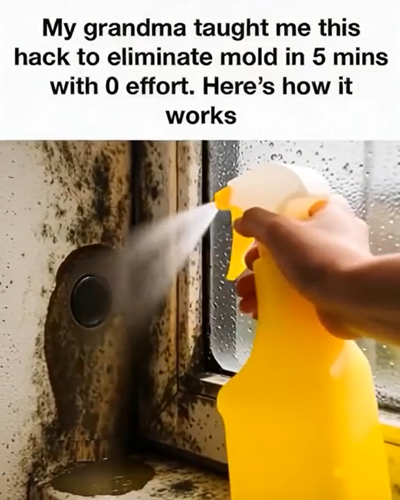
Mold in the home is far more than just a visual nuisance. While it can be unsightly, its potential health risks are far more serious. Mold spores can trigger allergies.
Aggravate asthma, irritate the skin, and cause respiratory problems, particularly in children, the elderly, or those with pre-existing conditions.
Even if you do not notice immediate symptoms, prolonged exposure to mold can lead to chronic respiratory issues and discomfort.
For these reasons, addressing mold promptly and thoroughly is crucial, not just for your property but for your family’s health and well-being.
Mold thrives in areas that are damp, humid, or poorly ventilated. Bathrooms, basements, kitchens, and laundry areas are especially vulnerable.
It can develop on walls, ceilings, carpets, wood, and furniture, and once established, it spreads rapidly.
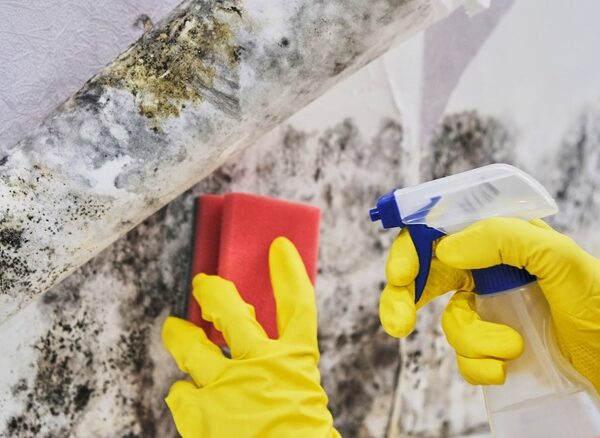
Water leaks, condensation, or flooding can exacerbate the problem, creating a perfect environment for mold spores to take hold.
Because mold can penetrate porous surfaces, merely cleaning the surface may not be enough. If left untreated, mold can compromise building materials and potentially require expensive repairs.
Why Hydrogen Peroxide Is a Safer Alternative to Bleach
Many people turn to bleach when they see mold, but bleach has limitations. While it can kill surface mold, bleach often leaves behind toxic residues and does not penetrate deeply into porous materials such as drywall, wood, or fabric.
This means the mold can regrow from the roots, and the lingering chemicals may be harmful, particularly if inhaled or touched.
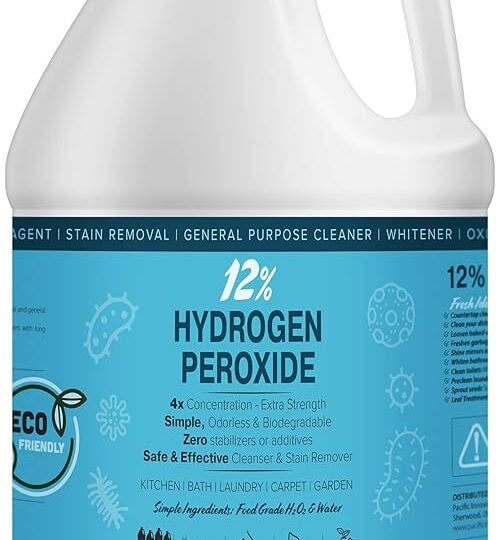
Hydrogen peroxide, on the other hand, is both safe and highly effective. It is a natural antifungal, antiviral, and antibacterial solution that penetrates porous materials to destroy mold at its source.
A 3% hydrogen peroxide solution, commonly available in supermarkets and pharmacies, is sufficient for household mold removal.
Unlike bleach, hydrogen peroxide breaks down into water and oxygen after use, leaving no toxic residues behind. This makes it a better choice for homes with children, pets, or anyone sensitive to harsh chemicals.
Gathering Your Supplies
Before you start, make sure you have all necessary items on hand. Proper preparation is essential to prevent spreading spores and ensuring safety:
3% hydrogen peroxide in a spray bottle
Gloves to protect your hands
Goggles to shield your eyes
A mask or respirator to avoid inhaling spores
Scrub brush (medium bristles are ideal)
Clean cloths or sponges
Plastic sheets to cover furniture or flooring in affected areas
It is also important to ensure the space is well-ventilated. Open windows and doors, and if possible, use fans to circulate air while cleaning.
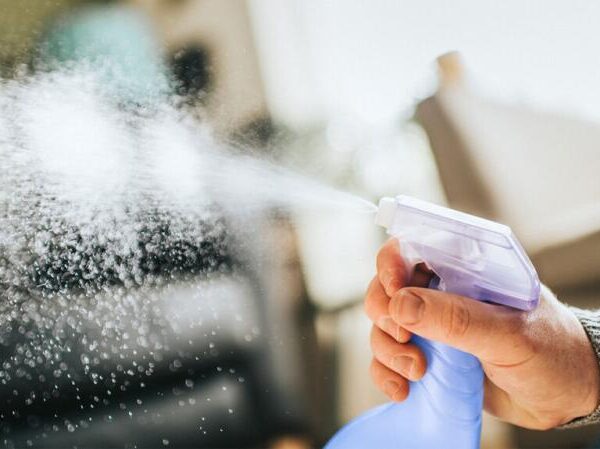
This reduces exposure to airborne spores and helps surfaces dry faster after treatment.
Step-by-Step Mold Removal with Hydrogen Peroxide
Spray the Moldy Area
Start by spraying a generous amount of 3% hydrogen peroxide directly onto the moldy surface. Cover the affected area completely so that the solution can penetrate into pores and crevices.
For large patches, work in sections to ensure even coverage.
Allow Time to Penetrate
Let the hydrogen peroxide sit for at least 10 minutes. During this time, the solution penetrates porous materials and begins breaking down the mold structure.
You may notice some bubbling or fizzing on the surface — this is a normal reaction, indicating that the peroxide is actively working to lift and destroy mold spores.
Scrub Thoroughly
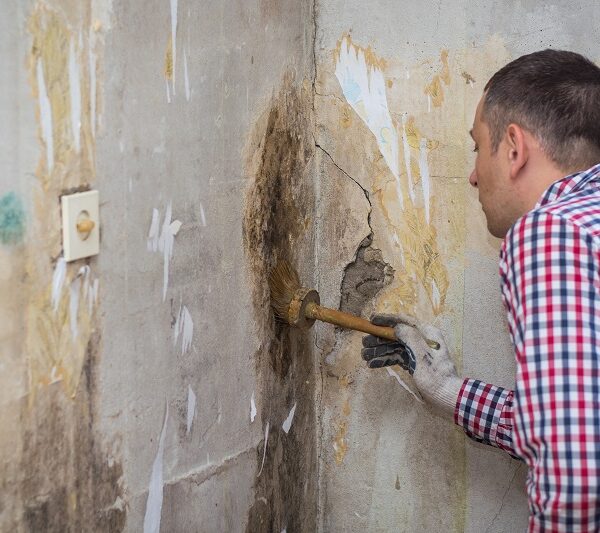
After the waiting period, use a scrub brush to work on the surface. Focus on removing any visible mold and dislodging spores embedded in cracks or pores.
For textured surfaces, scrubbing helps the solution reach areas that spraying alone cannot.
Wipe Clean
Once scrubbing is complete, wipe down the area with a clean, dry cloth or sponge. Remove any residue and ensure the surface looks clean.
For stubborn mold, repeat the spraying and scrubbing process until no visible mold remains.
Dry Completely
Proper drying is crucial. Use fans, a dehumidifier, or towels to ensure the area is fully dry. Moisture left behind can encourage mold regrowth.
For basements, bathrooms, and laundry areas, running a dehumidifier for several hours may be necessary to reduce humidity levels below 60%, the threshold at which mold typically thrives.
Preventing Future Mold Growth
Once mold has been removed, the best way to protect your home is through prevention. Here are essential strategies to minimize the risk of mold returning:
Fix leaks promptly: Check roofs, plumbing, windows, and walls for leaks and repair them immediately. Even small drips can create mold-friendly environments over time.
Control humidity: Keep indoor humidity between 30–60% using air conditioners, dehumidifiers, or ventilation systems.
Bathrooms and kitchens should have exhaust fans to reduce moisture after showers or cooking.
Improve ventilation: Open windows when possible, and circulate air with fans, particularly in areas prone to dampness.
Use mold-resistant products: When renovating or painting, consider mold-resistant drywall, paints, or coatings for high-risk areas like bathrooms and basements.
Regular cleaning: Frequently clean areas prone to moisture, such as window sills, bathroom tiles, and basement floors. Keeping these areas dry and free of debris can prevent spores from taking hold.
Monitor indoor plants: Overwatering indoor plants can create humidity pockets that encourage mold growth on soil and surrounding surfaces.
Safety Precautions
Hydrogen peroxide is safer than bleach, but it is still a chemical and should be handled with care. Keep these safety tips in mind:
Always wear gloves, goggles, and a mask when cleaning mold to protect your skin, eyes, and lungs.
Never mix hydrogen peroxide with bleach or vinegar, as dangerous chemical reactions can occur, releasing toxic fumes.
Work in a well-ventilated area to minimize inhaling spores or vapors.
Dispose of any contaminated cloths or sponges carefully. Do not reuse items that may harbor live mold spores.
Hydrogen Peroxide vs. Other Mold Remedies
Hydrogen peroxide is just one of several household remedies for mold. Here’s how it compares to other common options:
Bleach: Kills surface mold but leaves behind toxic residues and does not penetrate porous surfaces.
Vinegar: Effective against some mold types but may not completely eradicate mold in porous materials and can leave a strong odor.
Baking soda: Useful for deodorizing and minor mold prevention but requires combination with other agents for thorough cleaning.
Commercial mold cleaners: Often effective but may contain harsh chemicals that are less safe for children and pets.
Hydrogen peroxide strikes a balance: it is non-toxic, penetrates deep into porous surfaces, kills spores effectively, and leaves no harmful residue, making it ideal for home use.
Additional Tips for Deep Mold Removal
For wood surfaces, consider sanding lightly after peroxide treatment to remove any remaining spores. Seal the wood afterward with mold-resistant finishes.
For textiles or fabrics, hydrogen peroxide can be applied carefully to remove surface mold, but washing in hot water and sunlight exposure are also highly effective.
Carpets with extensive mold growth may need professional cleaning or replacement, as spores can penetrate deep into fibers.
Walls and ceilings with persistent mold may require removal of the affected drywall or plaster to completely eradicate the problem.
Conclusion
Mold in the home is more than an aesthetic problem. It can affect your health and compromise the structural integrity of your living space.
Hydrogen peroxide provides a safe, effective, and accessible solution for eradicating mold from a wide variety of surfaces.
With proper application, patience, and safety precautions, you can remove mold effectively, prevent its return, and create a healthier environment for you and your family.
Remember, prevention is just as important as removal.
By fixing leaks, controlling humidity, improving ventilation, and using mold-resistant products, you can significantly reduce the risk of future mold infestations.
Regular monitoring and cleaning, combined with prompt attention to moisture problems, will help keep your home mold-free for years to come.
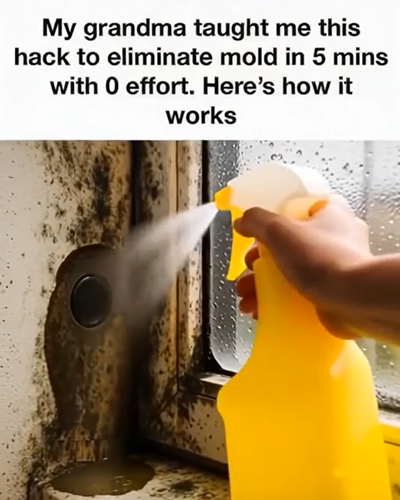
Hydrogen peroxide is not just a cleaning agent—it is a tool that penetrates deeply, removes spores at the source, and leaves your home safer than when you began.
With careful application, the right precautions, and consistent maintenance, you can protect both your property and your loved ones from the hidden dangers of mold.
Mold in the home is far more than just a visual nuisance. While it can be unsightly, its potential health risks are far more serious. Mold spores can trigger allergies.
Aggravate asthma, irritate the skin, and cause respiratory problems, particularly in children, the elderly, or those with pre-existing conditions.
Even if you do not notice immediate symptoms, prolonged exposure to mold can lead to chronic respiratory issues and discomfort.
For these reasons, addressing mold promptly and thoroughly is crucial, not just for your property but for your family’s health and well-being.
Mold thrives in areas that are damp, humid, or poorly ventilated. Bathrooms, basements, kitchens, and laundry areas are especially vulnerable.
It can develop on walls, ceilings, carpets, wood, and furniture, and once established, it spreads rapidly.
Water leaks, condensation, or flooding can exacerbate the problem, creating a perfect environment for mold spores to take hold.
Because mold can penetrate porous surfaces, merely cleaning the surface may not be enough. If left untreated, mold can compromise building materials and potentially require expensive repairs.
Why Hydrogen Peroxide Is a Safer Alternative to Bleach
Many people turn to bleach when they see mold, but bleach has limitations. While it can kill surface mold, bleach often leaves behind toxic residues and does not penetrate deeply into porous materials such as drywall, wood, or fabric.
This means the mold can regrow from the roots, and the lingering chemicals may be harmful, particularly if inhaled or touched.
Hydrogen peroxide, on the other hand, is both safe and highly effective. It is a natural antifungal, antiviral, and antibacterial solution that penetrates porous materials to destroy mold at its source.
A 3% hydrogen peroxide solution, commonly available in supermarkets and pharmacies, is sufficient for household mold removal.
Unlike bleach, hydrogen peroxide breaks down into water and oxygen after use, leaving no toxic residues behind. This makes it a better choice for homes with children, pets, or anyone sensitive to harsh chemicals.
Gathering Your Supplies
Before you start, make sure you have all necessary items on hand. Proper preparation is essential to prevent spreading spores and ensuring safety:
3% hydrogen peroxide in a spray bottle
Gloves to protect your hands
Goggles to shield your eyes
A mask or respirator to avoid inhaling spores
Scrub brush (medium bristles are ideal)
Clean cloths or sponges
Plastic sheets to cover furniture or flooring in affected areas
It is also important to ensure the space is well-ventilated. Open windows and doors, and if possible, use fans to circulate air while cleaning.
This reduces exposure to airborne spores and helps surfaces dry faster after treatment.
Step-by-Step Mold Removal with Hydrogen Peroxide
Spray the Moldy Area
Start by spraying a generous amount of 3% hydrogen peroxide directly onto the moldy surface. Cover the affected area completely so that the solution can penetrate into pores and crevices.
For large patches, work in sections to ensure even coverage.
Allow Time to Penetrate
Let the hydrogen peroxide sit for at least 10 minutes. During this time, the solution penetrates porous materials and begins breaking down the mold structure.
You may notice some bubbling or fizzing on the surface — this is a normal reaction, indicating that the peroxide is actively working to lift and destroy mold spores.
Scrub Thoroughly
After the waiting period, use a scrub brush to work on the surface. Focus on removing any visible mold and dislodging spores embedded in cracks or pores.
For textured surfaces, scrubbing helps the solution reach areas that spraying alone cannot.
Wipe Clean
Once scrubbing is complete, wipe down the area with a clean, dry cloth or sponge. Remove any residue and ensure the surface looks clean.
For stubborn mold, repeat the spraying and scrubbing process until no visible mold remains.
Dry Completely
Proper drying is crucial. Use fans, a dehumidifier, or towels to ensure the area is fully dry. Moisture left behind can encourage mold regrowth.
For basements, bathrooms, and laundry areas, running a dehumidifier for several hours may be necessary to reduce humidity levels below 60%, the threshold at which mold typically thrives.
Preventing Future Mold Growth
Once mold has been removed, the best way to protect your home is through prevention. Here are essential strategies to minimize the risk of mold returning:
Fix leaks promptly: Check roofs, plumbing, windows, and walls for leaks and repair them immediately. Even small drips can create mold-friendly environments over time.
Control humidity: Keep indoor humidity between 30–60% using air conditioners, dehumidifiers, or ventilation systems.
Bathrooms and kitchens should have exhaust fans to reduce moisture after showers or cooking.
Improve ventilation: Open windows when possible, and circulate air with fans, particularly in areas prone to dampness.
Use mold-resistant products: When renovating or painting, consider mold-resistant drywall, paints, or coatings for high-risk areas like bathrooms and basements.
Regular cleaning: Frequently clean areas prone to moisture, such as window sills, bathroom tiles, and basement floors. Keeping these areas dry and free of debris can prevent spores from taking hold.
Monitor indoor plants: Overwatering indoor plants can create humidity pockets that encourage mold growth on soil and surrounding surfaces.
Safety Precautions
Hydrogen peroxide is safer than bleach, but it is still a chemical and should be handled with care. Keep these safety tips in mind:
Always wear gloves, goggles, and a mask when cleaning mold to protect your skin, eyes, and lungs.
Never mix hydrogen peroxide with bleach or vinegar, as dangerous chemical reactions can occur, releasing toxic fumes.
Work in a well-ventilated area to minimize inhaling spores or vapors.
Dispose of any contaminated cloths or sponges carefully. Do not reuse items that may harbor live mold spores.
Hydrogen Peroxide vs. Other Mold Remedies
Hydrogen peroxide is just one of several household remedies for mold. Here’s how it compares to other common options:
Bleach: Kills surface mold but leaves behind toxic residues and does not penetrate porous surfaces.
Vinegar: Effective against some mold types but may not completely eradicate mold in porous materials and can leave a strong odor.
Baking soda: Useful for deodorizing and minor mold prevention but requires combination with other agents for thorough cleaning.
Commercial mold cleaners: Often effective but may contain harsh chemicals that are less safe for children and pets.
Hydrogen peroxide strikes a balance: it is non-toxic, penetrates deep into porous surfaces, kills spores effectively, and leaves no harmful residue, making it ideal for home use.
Additional Tips for Deep Mold Removal
For wood surfaces, consider sanding lightly after peroxide treatment to remove any remaining spores. Seal the wood afterward with mold-resistant finishes.
For textiles or fabrics, hydrogen peroxide can be applied carefully to remove surface mold, but washing in hot water and sunlight exposure are also highly effective.
Carpets with extensive mold growth may need professional cleaning or replacement, as spores can penetrate deep into fibers.
Walls and ceilings with persistent mold may require removal of the affected drywall or plaster to completely eradicate the problem.
Conclusion
Mold in the home is more than an aesthetic problem. It can affect your health and compromise the structural integrity of your living space.
Hydrogen peroxide provides a safe, effective, and accessible solution for eradicating mold from a wide variety of surfaces.
With proper application, patience, and safety precautions, you can remove mold effectively, prevent its return, and create a healthier environment for you and your family.
Remember, prevention is just as important as removal.
By fixing leaks, controlling humidity, improving ventilation, and using mold-resistant products, you can significantly reduce the risk of future mold infestations.
Regular monitoring and cleaning, combined with prompt attention to moisture problems, will help keep your home mold-free for years to come.
Hydrogen peroxide is not just a cleaning agent—it is a tool that penetrates deeply, removes spores at the source, and leaves your home safer than when you began.
With careful application, the right precautions, and consistent maintenance, you can protect both your property and your loved ones from the hidden dangers of mold.