
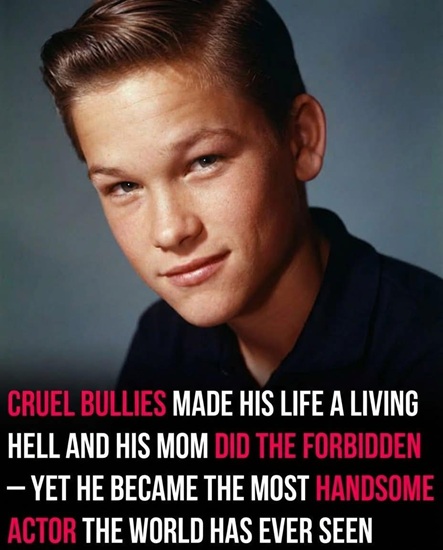
Patrick Swayze was born on August 18, 1952, in Houston, Texas, into a household where structure, creativity, and ambition were intertwined. His father, Jesse Wayne Swayze, worked as a building draftsman, while his mother, Patsy Swayze, became a celebrated choreographer.
From a young age, Patrick was immersed in dance and performance, attending rehearsals and absorbing movement, rhythm, and artistic discipline.
His mother’s Houston Jazz Ballet Company provided him a rare opportunity to explore expression and physicality alongside formal education.
Despite being naturally athletic and curious, Swayze’s school years were not without challenges. His interest in dance, unusual among peers, drew teasing and social resistance, yet he responded not with bitterness but with quiet determination to pursue what inspired him most.
Patrick also explored sports, music, and acting as he grew. The Swayze household emphasized versatility and personal growth, encouraging children to explore multiple talents without feeling confined to a single path or pressured toward conventionally “acceptable” careers.
In his teenage years, he initially considered football, demonstrating athletic ability and interest in team sports. However, a severe knee injury abruptly ended those plans, forcing him to reconsider his future and explore other avenues for ambition and success.
Redirecting his focus, Swayze committed more fully to dance and performance. By his early twenties, he moved to New York City to pursue professional dance training, immersing himself in both ballet and modern dance under rigorous instruction, building both technique and discipline.
His early years in New York were marked by hard work, struggle, and persistence. While opportunities were limited, he performed in stage productions, commercials, and small roles, steadily expanding his experience without immediate recognition or fame.
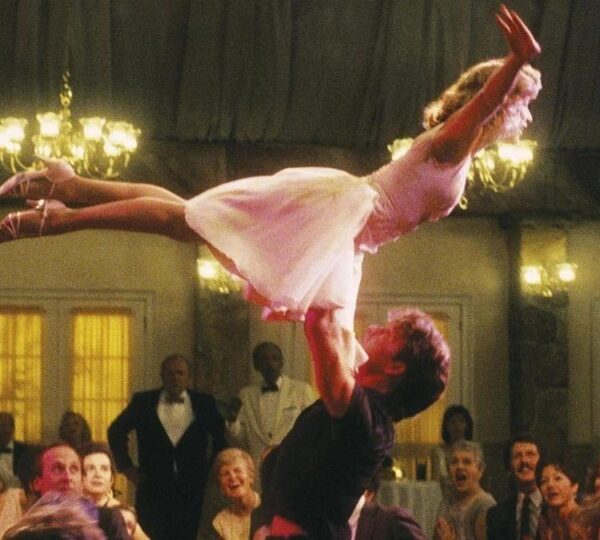
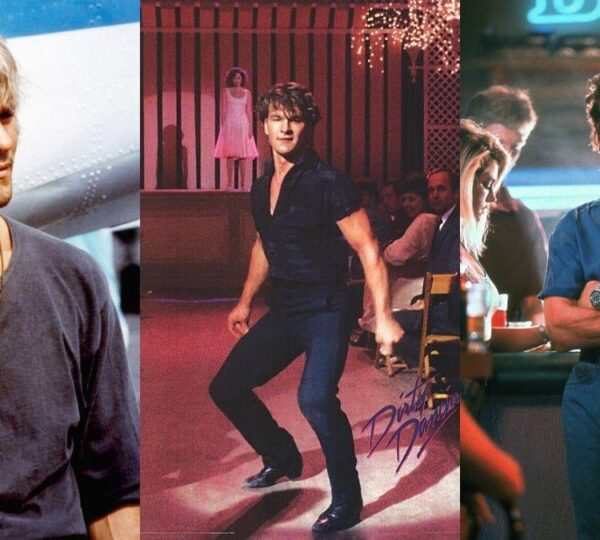
It was not until Dirty Dancing in 1987 that Swayze’s career reached a new level of visibility. His portrayal of Johnny Castle, a dance instructor at a summer resort, showcased not only his dance ability but also a depth of emotional nuance that resonated worldwide.
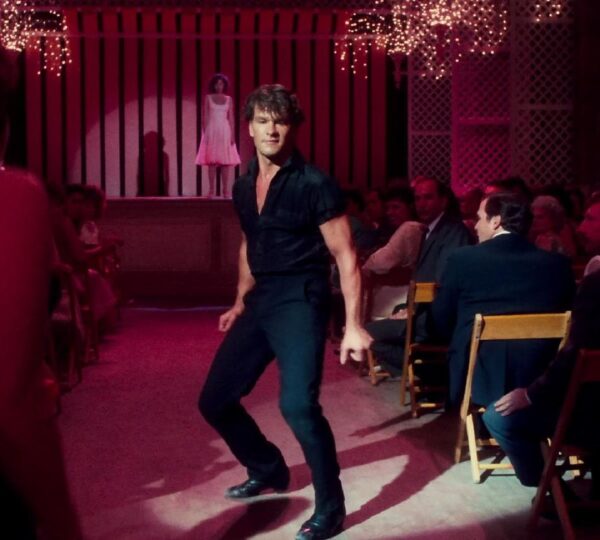
The success of Dirty Dancing came with sudden fame, financial reward, and public scrutiny. Swayze faced both admiration and intense attention from media and fans, requiring him to balance personal privacy with the demands of a high-profile career.
Throughout this period, Swayze remained deeply connected to his family. His marriage to Lisa Niemi, which began in 1975, provided stability and grounding amidst career pressures.
Niemi was both partner and collaborator, sharing in his artistic and personal journey.
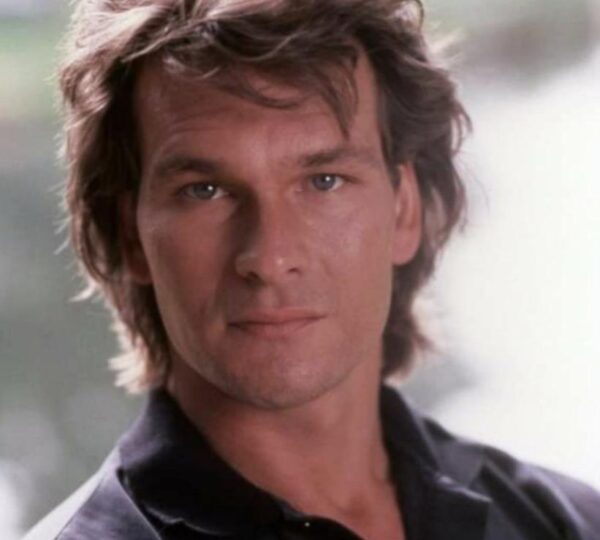
Patrick did not limit himself to one genre. His filmography expanded to include dramatic roles, action films like Road House, romantic comedies, and stage performances, demonstrating his desire to continually challenge himself and develop as an actor beyond commercial expectations.
He also returned to the stage at various points, performing in theater productions where his ballet and choreography skills could shine.
Dance remained central to his identity, influencing not only movement on screen but his approach to acting as a physical and expressive art.
In addition to performance, Swayze explored other creative outlets, including writing and producing. His multifaceted engagement with projects reflected a dedication not only to craft but to the broader process of storytelling and artistic expression.
In his personal life, Swayze was known for humility, charm, and approachability. Friends and collaborators consistently remarked on his generosity, work ethic, and ability to maintain focus and professionalism, even when faced with the pressures of Hollywood.
Swayze’s later career included appearances in television series such as North and South and films that required nuanced character work.
These roles demonstrated his continued commitment to complex, human storytelling rather than simply commercial visibility.
In 2008, Patrick was diagnosed with pancreatic cancer, a serious and aggressive illness. Despite significant challenges, he chose to continue working and performing as long as physically possible, maintaining the same dedication that had defined his career.
Even during treatment, Swayze remained engaged with film projects and public appearances, demonstrating resilience, courage, and a deep commitment to the work that had shaped his life. His attitude served as inspiration to colleagues and fans alike.
Lisa Niemi, his wife, remained a constant source of support. Their bond exemplified a long-standing partnership built on love, mutual respect, and shared creative values, which helped Swayze navigate both professional and personal challenges.
Swayze passed away on September 14, 2009, at age 57. His death marked the loss of a uniquely talented performer whose contributions to film, dance, and popular culture left a lasting imprint on generations of audiences worldwide.
What remains of Patrick Swayze’s legacy is not only the breadth of his filmography or his dance achievements but the philosophy he lived by: embracing challenges, pursuing passion relentlessly, and redirecting efforts when life closed certain doors.
He faced ridicule, injury, and disease without surrendering to despair. Instead, he consistently moved forward, refining his craft, deepening his skills, and inspiring others through perseverance, humility, and dedication to artistry in its many forms.
Swayze’s impact continues through his films, interviews, and the memories of those who knew him personally. His approach to life and career serves as a model for resilience, balancing discipline, creativity, and emotional intelligence throughout every challenge.
Ultimately, Patrick Swayze exemplified the idea that early hardship does not define one’s future. It can shape character, instill perseverance, and guide a person to channel effort into what is possible and meaningful, leaving a lasting legacy.
