
The media of today continuously presents ideals of beauty, success, and perfection. Images of flawless smiles, expensive cars, luxurious homes, and toned, sculpted bodies dominate screens, subtly shaping expectations for women across generations worldwide.
From a young age, many girls internalize these standards. One of the earliest exposures often comes from toys, such as Barbie dolls, whose proportions and aesthetic set a visual template for what society portrays as “ideal.”
Barbie, introduced in 1959, has had a profound cultural influence. Created by Ruth and Elliot Handler, Barbie was initially intended to allow children to imagine adult roles, fostering creativity rather than promoting a fixed body standard.
Ironically, despite its original educational purpose, Barbie evolved into a global symbol of fashion and beauty. Its exaggerated proportions influenced generations of children, becoming synonymous with aspirational femininity and societal ideals of attractiveness.

For many young girls, receiving a Barbie doll represents more than play—it can embody the first societal lesson about appearance, style, and personal desirability, sowing early seeds of comparison and aspiration.
The fashion and cosmetic industries have amplified these ideals over decades. Television, social media, and celebrity culture present unattainable images, encouraging some individuals to seek drastic measures to align themselves with these cultural standards.
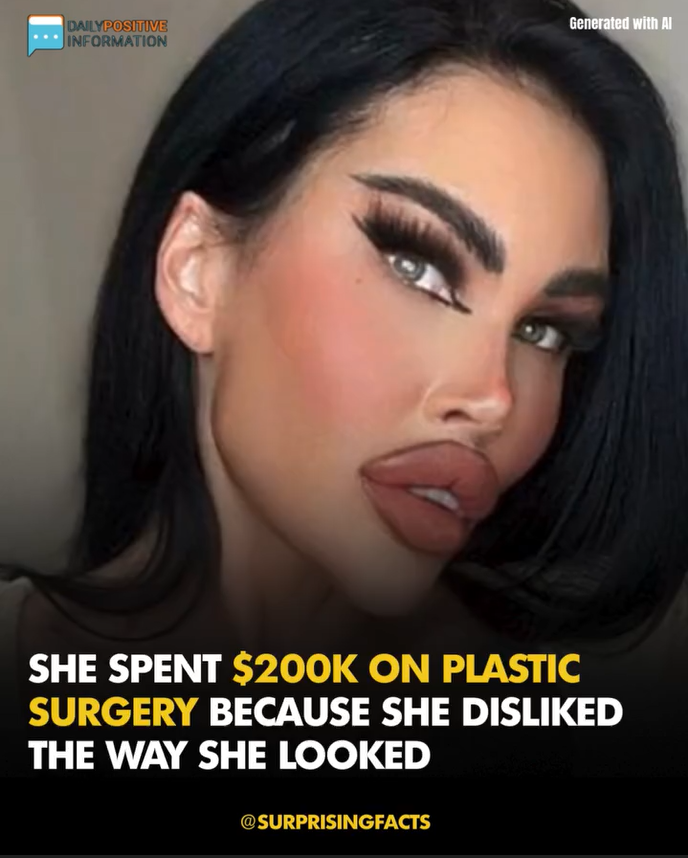
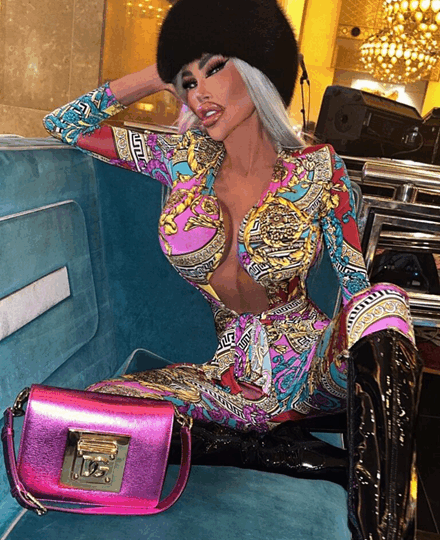
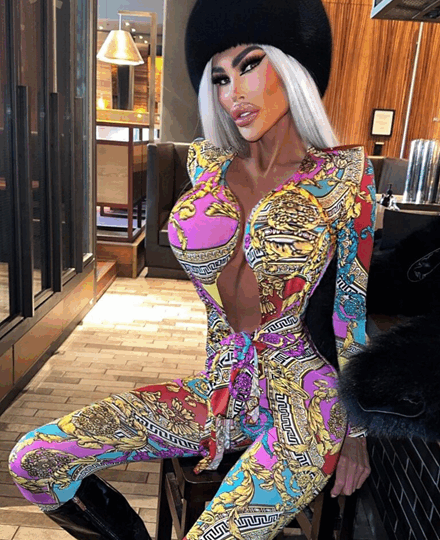
One extreme example of this phenomenon is Tara Jayne, a nurse who has spent over $200,000 on cosmetic surgery in an effort to transform herself into a living representation of Barbie, demonstrating the intersection of culture, identity, and personal choice.
Jayne’s journey reflects the broader societal trend of cosmetic enhancements becoming normalized, particularly among those working in beauty or medical aesthetics, where exposure to procedures and techniques is frequent and accessible.
As a cosmetic nurse, Tara Jayne has firsthand knowledge of the procedures that can alter facial and bodily features, from Botox and fillers to breast augmentation, rhinoplasty, and lip enhancements, giving her both insight and inspiration.
She describes her cosmetic journey as a form of self-expression and empowerment. For Jayne, each procedure is a way to assert control over her appearance, aligning external presentation with her internal identity and vision of beauty.

Her surgical timeline is extensive. Jayne has undergone multiple rhinoplasties, five separate breast augmentations, frequent Botox injections, and countless dermal filler procedures, demonstrating both commitment and substantial financial investment.
Botox and fillers offer temporary, non-permanent results that rejuvenate and sculpt facial features. These injections reduce wrinkles, contour the cheeks, plump lips, and highlight facial symmetry, making them popular among those seeking a highly controlled aesthetic.
In addition to professional expertise, Jayne leverages social media to document her transformation. Her Instagram account, @tara_jayn3, has amassed over 96,000 followers, offering a glimpse into her daily life, cosmetic procedures, and aesthetic evolution.
Her online presence includes instructional content, lifestyle posts, and candid reflections, which have garnered attention from mainstream media, including interviews and magazine features discussing her journey, motivations, and lifestyle.
Jayne has publicly spoken about the importance of self-expression through beauty. On the Morning Show, she emphasized that cosmetic procedures allow individuals to manifest their personal vision of themselves, blending artistry, empowerment, and personal choice.
This narrative highlights the costs of extreme cosmetic transformation. A single session of fillers or Botox can range from $500 to $2,500, while complex surgical procedures, such as breast augmentation or multiple revisions, accumulate significant expenses over time.
Despite the cost, Jayne is supported by sponsorships from aesthetic brands, companies interested in showcasing her transformation as a living advertisement for cosmetic interventions and trends in beauty and self-expression.
Her family is also reportedly supportive, acknowledging the personal significance of her transformation and offering emotional and practical assistance as she undergoes these procedures and maintains her public persona.
Jayne likens her cosmetic journey to a dedicated hobby or craft. Similar to artists or athletes who continually refine their skills, she studies cosmetic techniques, trends, and surgical innovations to achieve her desired appearance.
The most recent procedures focus on highly personalized breast implants. She aims to upgrade from 1,000cc to 1,500cc implants, a complex and time-intensive operation, reflecting both her commitment to her aesthetic goal and the meticulous planning required.
Cosmetic surgery as a hobby carries psychological and social dimensions. For Jayne, it is a blend of personal fulfillment, public identity, and creative expression, illustrating the complex motivations behind extreme aesthetic modification.
Her story underscores the cultural impact of Barbie as a symbol of idealized femininity. From childhood exposure to societal beauty standards to adult cosmetic enhancement, the doll’s legacy extends beyond play into identity formation and aspiration.
Psychologists note that exposure to idealized images, whether in toys, media, or advertising, can influence self-perception, body image, and personal goals. Individuals like Jayne often internalize these ideals in pursuit of personal alignment.
The intersection of professional expertise and personal desire is notable. Jayne’s knowledge as a cosmetic nurse allows her to navigate procedures safely while pursuing a highly individualized aesthetic, illustrating the role of medical literacy in personal transformation.
Her transformation process is iterative. Minor adjustments, regular follow-ups, and combination procedures are required to maintain proportions, symmetry, and alignment with evolving aesthetic standards and personal goals.
In addition to surgery, non-invasive treatments play a critical role. Skincare regimens, laser treatments, and chemical peels complement surgical procedures, preserving skin integrity and enhancing overall appearance, demonstrating the multi-faceted approach required for extreme transformation.
Jayne’s experience also highlights the societal fascination with body modification. Followers, media outlets, and the public often engage with her story, sparking conversations about beauty, choice, and the limits of personal transformation.
Her Instagram account provides a case study in digital influence. By documenting her procedures, recovery, and daily life, she creates a narrative that blends education, entertainment, and inspiration for those interested in cosmetic aesthetics.
Critics often question the psychological implications of such extensive procedures. Discussions include considerations of body dysmorphia, societal pressure, and the role of social validation in driving cosmetic enhancement decisions.
Supporters counter that cosmetic surgery can be empowering, allowing individuals to align their appearance with personal identity, enhance self-esteem, and exercise agency over their own bodies, emphasizing autonomy and choice.
The financial investment is substantial. Routine injections, surgical revisions, anesthesia fees, and post-operative care can collectively amount to hundreds of thousands of dollars, reflecting both commitment and the high costs associated with extreme aesthetic goals.
Jayne’s transformation is ongoing. Each procedure builds upon the previous, with careful consideration of proportions, facial symmetry, and alignment with the Barbie aesthetic she seeks to embody, highlighting the continuous nature of her aesthetic journey.
Her story illustrates a broader cultural phenomenon: the way media, childhood toys, and societal beauty standards influence adult decisions, sometimes leading to extreme measures to achieve a particular identity or appearance.
Jayne frequently emphasizes that her journey is about self-expression rather than conformity. By choosing her desired appearance, she asserts personal agency and challenges conventional expectations about natural beauty or societal norms.
In interviews, she notes that cosmetic procedures allow women to redefine their relationship with their bodies, balancing self-perception with external expression, providing a tangible means of empowerment and self-confidence.
The public’s fascination with her story reflects broader discussions about body image, plastic surgery, and identity in contemporary society. Social media amplifies these conversations, giving visibility to extreme transformations and personal choices.
Beyond the physical, psychological preparation is critical. Each surgery requires planning, recovery management, and mental resilience to navigate the physical and emotional challenges of repeated procedures, illustrating the complexity of such transformations.
Jayne’s journey also underscores the importance of professional expertise. Knowledge of anatomy, recovery protocols, and procedural risks allows her to pursue ambitious aesthetic goals safely and responsibly, illustrating the intersection of medicine and personal desire.
The Barbie transformation trend, while extreme, is part of a broader phenomenon of identity modification. People pursue tattoos, body sculpting, hair transformations, and cosmetic enhancements as forms of personal expression and aesthetic alignment.
Jayne’s dedication highlights the intensity of commitment required. Coordinating multiple procedures, managing finances, recovery schedules, and maintaining public presence requires exceptional planning, discipline, and focus on long-term goals.
Her story prompts discussions about societal expectations and personal autonomy. While some critique the pursuit of extreme aesthetics, others view it as an assertion of self-determination and creative freedom in shaping one’s own identity.
The visibility of her journey educates the public about cosmetic procedures, recovery timelines, and achievable results, offering insights into the practical realities behind the glamorized portrayal of extreme aesthetic transformations.
Future procedures, including the upcoming personalized breast implant surgery, demonstrate that her transformation is a continuous process, with each step carefully considered and executed to achieve precise aesthetic objectives.
Jayne’s narrative exemplifies how media, childhood influences, and professional exposure intersect to shape aesthetic choices, highlighting the layered motivations behind cosmetic transformation in contemporary culture.
By sharing her journey openly, she challenges conventional notions of beauty and normalcy, emphasizing the role of personal agency, empowerment, and self-expression in aesthetic decision-making.
Her story also sparks debate about the ethics, accessibility, and social implications of extreme cosmetic surgery, including issues related to body image, psychological well-being, and societal influence on beauty standards.
In conclusion, Tara Jayne’s transformation from nurse to Barbie personified illustrates a complex interplay of culture, identity, media influence, and personal choice. Her journey reflects dedication, professional knowledge, and the pursuit of an aspirational ideal.
While controversial, it also highlights societal fascination with beauty, identity, and self-expression, offering a lens through which to examine the impact of media, childhood experiences, and personal agency on aesthetic decisions.
Through her ongoing procedures, Jayne continues to embody the cultural icon that inspired her, providing a real-life case study of extreme aesthetic transformation, personal empowerment, and the costs—financial, physical, and emotional—associated with pursuing an idealized image.
