
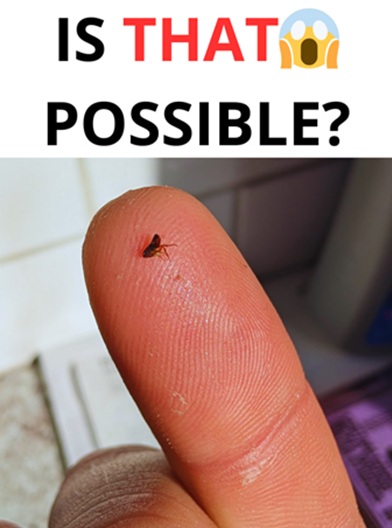
When most people think of mites, they imagine itchy bites on pets, allergy flare-ups from dust, or something unpleasant lurking in a mattress.
The reality, however, is both more complex and more fascinating. Mites are microscopic organisms that exist almost everywhere on Earth, and humans interact with them constantly — often without ever realizing it.
While the vast majority of mite species are harmless to people, certain types can contribute to allergic reactions or, in rare cases, cause medical conditions that require treatment.
Understanding how mites live, where they thrive, and when they pose a health concern can replace fear with informed awareness.
What Are Mites?
Mites are tiny arthropods belonging to the class Arachnida, making them relatives of spiders and ticks.
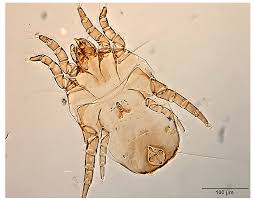
Scientists estimate that there are tens of thousands of mite species, though many remain undiscovered. Most are microscopic, measuring less than a millimeter in length, which means they are invisible to the naked eye.
They inhabit a wide variety of environments, including soil, plants, freshwater, marine ecosystems, and animal habitats.
Some mites are free-living and feed on decaying organic matter, playing an important ecological role in nutrient recycling. Others are parasitic, living on or within animals, including humans.
Despite their small size, mites are incredibly diverse. Only a small fraction interact directly with humans in ways that can affect health.
Mites in the Home Environment
The idea that “mites are everywhere” is not an exaggeration. They are common in homes worldwide, particularly in warm and humid environments. However, most household mites do not bite or infest humans.
Dust Mites
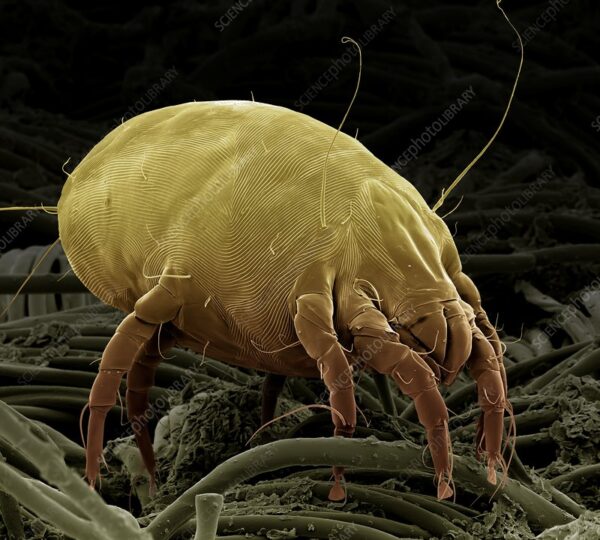
One of the most familiar types is the house dust mite, commonly classified in the genus Dermatophagoides. These mites thrive in bedding, upholstered furniture, carpets, and curtains. They feed primarily on shed human skin cells, which naturally accumulate in living spaces.
Importantly, dust mites do not bite humans and do not live on the body. Instead, health concerns arise from allergens found in their waste particles and body fragments. In sensitive individuals, exposure can trigger:
-
Sneezing
-
Nasal congestion
-
Itchy or watery eyes
-
Asthma symptoms
Dust mite allergies are common, particularly in people with preexisting allergic conditions. Regular cleaning, washing bedding in hot water, and reducing indoor humidity can significantly decrease exposure.
Mites That Live on Human Skin
It may surprise many people to learn that nearly every adult human hosts microscopic mites on their skin.
Mites of the genus Demodex live in human hair follicles and sebaceous (oil) glands, particularly on the face, eyelashes, and eyebrows. Studies show that most adults carry these mites without any symptoms. They are considered part of the normal skin ecosystem.
In healthy individuals, Demodex populations remain balanced and cause no noticeable effects. The immune system and natural skin environment regulate their numbers.
However, under certain circumstances — such as immune suppression, chronic skin conditions, or advanced age — Demodex mites may multiply excessively. This overgrowth can contribute to a condition known as demodicosis.
Rare and Unusual Health Conditions Associated with Mites
Although everyday exposure to mites is generally harmless, there are documented medical conditions linked to certain species. These conditions are relatively uncommon and usually manageable with proper treatment.
Demodicosis (Follicle Mite Overgrowth)
Demodicosis occurs when Demodex mites proliferate beyond normal levels. Symptoms may include:
-
Facial redness
-
Itching or burning sensations
-
Rosacea-like inflammation
-
Eyelid irritation
This condition is more frequently observed in individuals with weakened immune systems or preexisting inflammatory skin disorders.
Treatment typically involves topical medications prescribed by a dermatologist. In many cases, improving skin hygiene and managing underlying conditions helps restore balance.
Scabies (Sarcoptes scabiei)
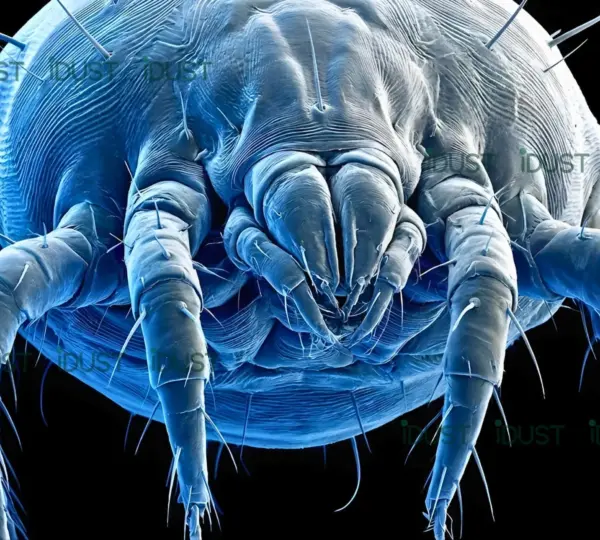
One of the most well-known parasitic mite conditions is scabies, caused by the mite Sarcoptes scabiei. Unlike dust mites or Demodex, scabies mites burrow into the outer layer of the skin, where they lay eggs.
Scabies is characterized by:
-
Intense itching, often worse at night
-
Small red bumps or rashes
-
Thin burrow lines on the skin
Scabies spreads through prolonged skin-to-skin contact and is treatable with prescription topical or oral medications. It is not related to poor hygiene and can affect people of all backgrounds.
Crusted Scabies (Norwegian Scabies)
A rare and more severe form of scabies is crusted scabies. This condition involves an extremely high number of mites — sometimes hundreds of thousands — and results in thick, crusted lesions on the skin.
Crusted scabies typically occurs in individuals with compromised immune systems, elderly patients, or those with certain neurological conditions.
Because of the high mite burden, it is more contagious than typical scabies and requires prompt medical treatment. Despite its severity, crusted scabies remains uncommon in the general population.
Animal Mites and Temporary Infestations
Occasionally, mites that normally parasitize animals may temporarily bite humans. Examples include bird mites and rodent mites. These situations usually occur when:
-
Birds nest close to human sleeping areas
-
Rodent infestations are present in homes
-
Pet bedding is contaminated
These mites cannot typically survive or reproduce on human hosts, but their bites may cause itching and skin irritation. Eliminating the animal source and cleaning the environment usually resolves the issue.
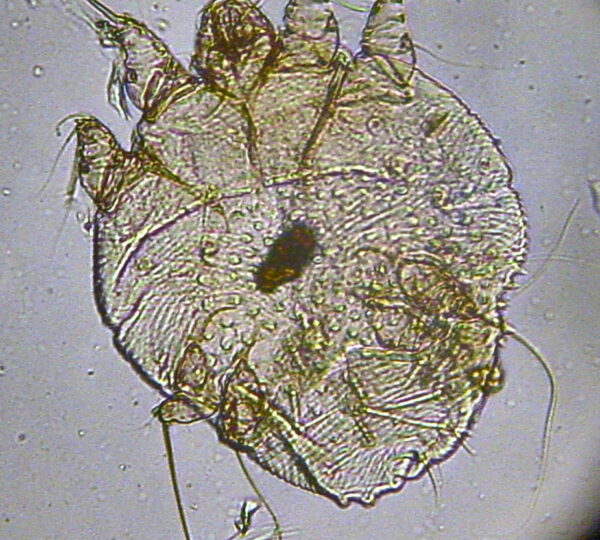
Ocular Involvement and Eyelid Conditions
In rare cases, Demodex mites can contribute to eyelid inflammation, also known as blepharitis. Symptoms may include:
-
Redness along the eyelid margins
-
Crusting at the base of eyelashes
-
Chronic eye irritation
-
A gritty sensation
Ophthalmologists may recommend specialized eyelid hygiene practices, medicated cleansers, or targeted treatments. While uncomfortable, this condition is generally manageable.
Why Most Mite Exposure Is Harmless
Despite their ubiquity, mites rarely cause serious health issues. Several factors explain this:
-
Human immune systems are effective at controlling minor infestations.
-
Most mite species do not parasitize humans.
-
Skin provides a natural barrier against invasion.
-
Balanced microbiomes help regulate microbial and arthropod populations.
For most individuals, mites remain an invisible part of daily life without consequence.
Prevention and Practical Hygiene Measures
Although complete elimination of mites is neither realistic nor necessary, simple measures can reduce the likelihood of problematic exposure.
For Dust Mites:
-
Wash bedding weekly in hot water (at least 130°F or 54°C).
-
Use allergen-proof mattress and pillow covers.
-
Vacuum carpets and upholstery regularly using HEPA filters.
-
Maintain indoor humidity below 50 percent.
For Skin Health:
-
Maintain regular facial cleansing routines.
-
Remove eye makeup thoroughly.
-
Replace old cosmetics periodically.
-
Seek medical advice for persistent skin irritation.
For Animal-Related Mites:
-
Address bird nests near living areas.
-
Control rodent infestations promptly.
-
Wash pet bedding frequently.
These steps significantly reduce the already low risk of mite-related health issues.
Mites and the Immune System
The interaction between mites and the human immune system is an area of ongoing research. In allergic individuals, immune responses to dust mite proteins can be exaggerated, leading to inflammation. In contrast, many people develop tolerance without noticeable symptoms.
Interestingly, scientists continue to study whether Demodex mites may influence skin microbiomes or contribute indirectly to inflammatory skin conditions.
Current evidence suggests association in some cases but does not prove that mites are the sole cause of disorders such as rosacea.
Media Sensationalism vs. Scientific Reality
Occasionally, rare mite-related cases gain media attention, creating alarm. However, it is important to recognize that such cases represent exceptions rather than common outcomes.
The phrase “mites are everywhere” is scientifically accurate in the ecological sense, but it does not imply constant danger. The overwhelming majority of human-mite interactions are neutral and uneventful.
Ecological Importance of Mites
Beyond their interactions with humans, mites play significant ecological roles. Soil mites help decompose organic matter, contributing to nutrient cycling. Plant-feeding mites can influence agriculture, while predatory mites help control pest populations.
In ecosystems, mites contribute to balance. Their presence in human environments is part of a broader natural system rather than an anomaly.
When to Seek Medical Advice
Medical consultation is appropriate if symptoms include:
-
Persistent itching without clear cause
-
Severe or spreading rashes
-
Crusting or thickened skin lesions
-
Chronic eyelid inflammation
-
Allergy symptoms that interfere with daily life
Dermatologists, allergists, and ophthalmologists can diagnose mite-related conditions and recommend evidence-based treatments.
Self-diagnosis based on internet searches is discouraged, as many skin conditions mimic one another.
A Microscopic Perspective
Humans coexist with billions of microscopic organisms, including bacteria, fungi, and arthropods. Mites represent only one part of this hidden world.
While the thought of invisible creatures living in our homes — or even on our skin — may feel unsettling, science shows that coexistence is typically harmless. Our bodies and environments form complex ecosystems where balance is the norm.
Conclusion: Small Creatures, Minimal Risk
Mites are indeed widespread and interact with humans in many subtle ways. Dust mites contribute to allergies, follicle mites inhabit hair follicles, and parasitic mites like scabies can occasionally cause infection. Yet these situations are exceptions rather than the rule.
Most people will never experience serious mite-related health problems. Through simple hygiene practices, environmental awareness, and appropriate medical care when needed, the risks remain low and manageable.
Even though mites can theoretically be “everywhere,” the vast majority of encounters are harmless. Only in unusual or extreme circumstances do these tiny arachnids become a significant medical concern.
Rather than a cause for alarm, mites serve as a reminder of the complex and fascinating microscopic world that surrounds us every day.
