
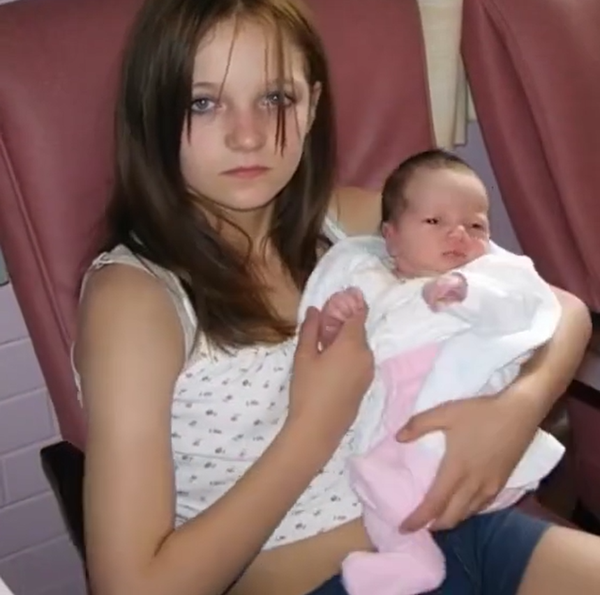
In 2006, Britain’s newspapers blared the name Tressa Middleton — a twelve‑year‑old girl from Broxburn, Scotland — as the country’s youngest mother.
For a moment, her name seemed to echo louder than any adult’s, plastered across front pages and tabloid spreads. But what the headlines never fully captured was the human story underneath: a childhood marked by instability, trauma, and survival, followed by years of struggle, transformation, resilience, and eventual healing.
Rather than reduce her life to a shocking statistic, the fuller story of Tressa’s journey reveals the complexity of her experiences and the strength she found in rebuilding her life.
Early Life: A Childhood Shaped by Hardship
Tressa Middleton was born in 1994 in the town of Broxburn in West Lothian, Scotland. From the earliest years of her life, she encountered profound instability.
When she was only four years old, she was placed into foster care because her mother was unable to provide a secure home, having dealt with homelessness and financial hardship.
Though foster care gave Tressa some protective structure, it also exposed her to adults and peers much older than her.
She later described beginning to drink alcohol as young as eight or nine years old — a sign of how early she encountered environments beyond what should ever fall within a child’s world.
After some time, she did return to live with her mother, but that stability was fragile. Their home, still marked by poverty, struggled even with basics like heat and food. Winters were described as bitter — so cold that Tressa could see her breath inside the house — and money for gas or meals was scarce.
These early years — spent in and out of care, surrounded by uncertainty, and often left to fend emotionally for herself — set an incredibly difficult foundation for a child whose needs should have been met with nurturing and protection.
Becoming a Mother at 12: A Tragedy Misunderstood
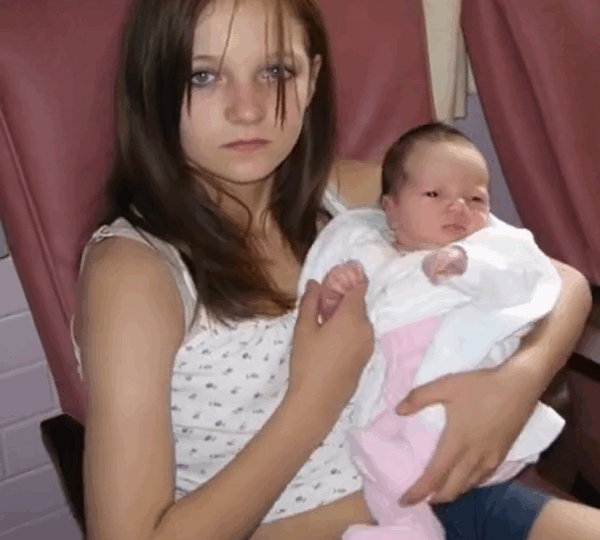
In 2006, when she was just 12 years and eight months old, Tressa gave birth to her first daughter, a baby girl named Annie. At the time, newspapers labelled her Britain’s youngest mother and stories focused on the sensational aspects of her age.
But the circumstances leading to that pregnancy were far more serious than most headlines made clear. Initially, Tressa did not disclose the identity of Annie’s father, and for years she maintained a narrative that obscured the truth.

It wasn’t until 2009, when she came forward with full details after Annie was already two years old, that the full context became publicly known: the father was Tressa’s own older brother. Subsequent DNA testing confirmed this, and her brother was convicted of rape and sentenced to prison.
Every country in the UK considers any sexual activity with children under 13 as abuse and illegal, and the Scottish criminal justice system treated the case accordingly once the truth emerged.
Because Tressa was a child herself at the time of her pregnancy, this was not a story about “choice” or “youthful mistakes”; it was, in its truest terms, a story of abuse, survivorship, and vulnerability.
Public Scrutiny and Emotional Impact
When the story broke in 2006, it immediately sparked public outrage and moral judgment, not just about the pregnancy, but about Tressa as a person.
Newspapers and tabloids sensationalized her experience as if it were a record to be gawked at, rather than a deeply traumatic life event.
In interviews years later, Tressa reflected on that time with honesty: the shocking attention she received didn’t help her cope — it compounded her fear, shame, and isolation.
Rather than empathy, much of the public response treated her as a spectacle. The relentless scrutiny robbed her of any privacy or peace during what should have been an intensely protected period of care and recovery.
No matter how strong she appeared in media photos, the emotional weight of that period left lasting scars.
Releasing the Truth: A Decade Later
It wasn’t until she was an adult that Tressa fully disclosed the circumstances of her first pregnancy. After Annie was taken into care and placed for adoption when she was two years old, the young woman struggled with unresolved grief and trauma.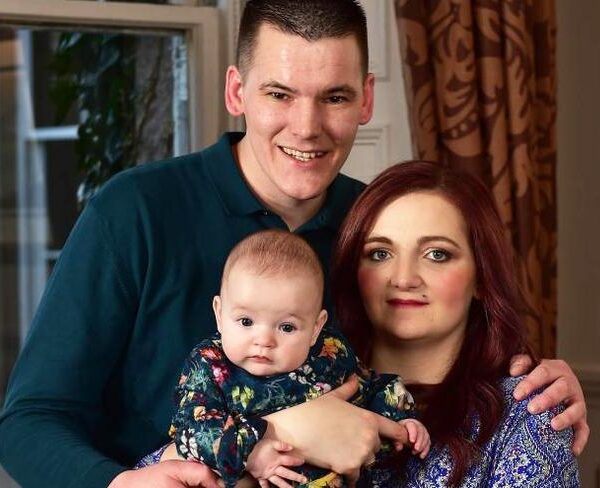
When she finally revealed that her brother was the father, it was not for sensationalism — it was an act of confronting her own history and acknowledging what had truly happened.
Her brother, Jason, who was 16 years old at the time of the abuse, was subsequently jailed for rape after DNA evidence confirmed he fathered Annie.
This revelation reframed her earlier silence not as denial, but as a deeply human response to shame, fear, and the instinct to protect whatever fragments of family life she could hold onto.
Rather than staying secretive to deceive, she was trying to survive within a broken system that had failed her at every vulnerable turn.
Loss, Addiction, and Mental Health Struggles
After losing custody of Annie, Tressa entered a period of immense personal crisis. The heartbreak of giving up her daughter for adoption — combined with the complex trauma of her own early abuse — contributed to a decline in her mental health.
She described using alcohol and drugs as coping mechanisms during this time, including a struggle with heroin addiction that at one point reached high daily costs equivalent to hundreds of pounds in street value.
Her addiction, unstable living conditions, and unaddressed trauma led to a period of chaos in her late teens and early twenties. For many years, she felt trapped between self‑loathing and the societal judgment that had followed her since childhood.
Yet even in that darkness, Tressa did not entirely surrender. There remained a spark of hope — a belief that her life did not have to be defined solely by past mistakes or the cruelty of public opinion.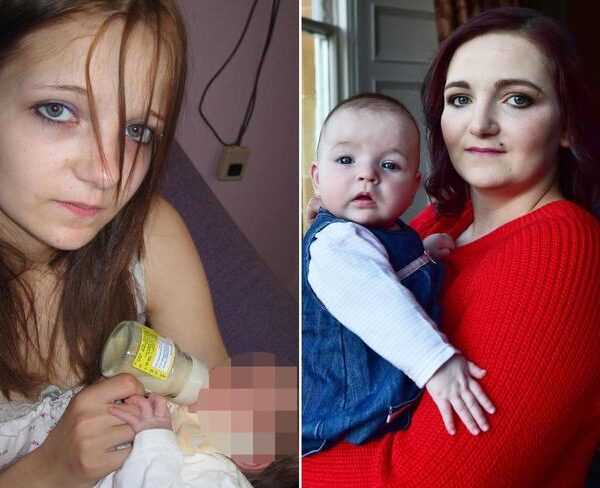
A Turning Point: Love, Support, and Healing
A significant shift in Tressa’s life came when she met her partner, Darren Young. Their relationship provided emotional support and a foundation she had never known as a child.
Together, they worked through the deep emotional work of healing, confronting addictions, and building a life grounded in shared stability.
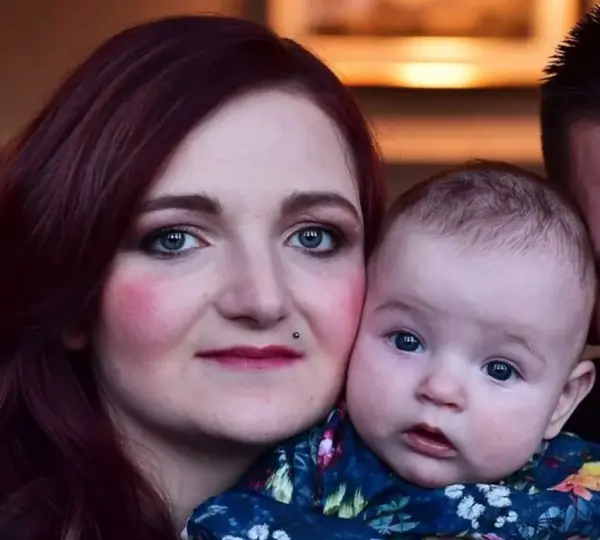
In 2018, a moment that would become a symbol of hope and healing arrived: Tressa gave birth to her daughter Arihanna after a challenging 24‑hour labour, weighing 8 pounds 1 ounce. Her fiancé, Darren, announced the birth on social media, celebrating both mother and child’s health.
The arrival of Arihanna marked more than just a second chance at motherhood — it represented a reclamation of joy, strength, and possibility.
Tressa made clear that her first daughter, Annie, would never be “a secret,” and that Arihanna would grow up knowing about her older sister with honesty and love.
Forgiveness and Personal Growth
One of the most striking aspects of Tressa’s story is not just survival, but her capacity for forgiveness — a quality many found surprising given the severity of her first child’s conception and the family trauma she endured.
Years after her mother’s death from pneumonia in 2012, Tressa unexpectedly encountered her brother at the funeral — the same brother who had raped her. Both were emotional at the service, and Tressa later expressed that, despite the pain he caused, she felt able to let go of hatred.
She noted that her mother would have wanted peace, and holding onto bitterness would only continue the hurt — a choice she made for herself, not for him.
This move toward forgiveness was not about excusing what happened, but about reclaiming control over her emotional well‑being. It illustrated a shift from being a victim defined by others to a woman defining her own narrative.
Life Today: Family, Purpose, and Advocacy
As of recent years, Tressa Middleton lives in Bathgate, West Lothian, Scotland, with her partner Darren Young and their growing family.
According to her social media and public profiles, she is now the proud mother of four daughters, each a testament to her enduring commitment to family and love.
Her journey — once marred by trauma, public scrutiny, addiction, and loss — has become one defined by resilience, personal transformation, and courage.
Rather than hide from her past, Tressa speaks openly about the pain she endured, the mistakes she made, and the healing she pursued.
She has shared her story in interviews and written about it in published works, not for sympathy, but to offer insight, awareness, and hope to others who may be struggling with their own adversities.
Her willingness to speak candidly about her experiences has helped shift public perception from viewing her as a media headline to seeing her as a whole person — someone whose life cannot simply be reduced to a shocking age or a single episode.
The Broader Lessons of Tressa’s Story
Tressa Middleton’s life is not just an extraordinary personal journey — it reflects broader issues about how society treats vulnerability, trauma, childhood adversity, and rehabilitation:
1. Not Every Story Has an Easy Headline
The initial media portrayal of Tressa as “Britain’s youngest mother” missed the larger context — that she was a child victim of abuse living in poverty and instability. Sensational coverage compounded her vulnerability rather than protecting her.
2. Childhood Trauma Shapes Lifelong Challenges
Research consistently shows that instability, neglect, and early trauma can lead to emotional and behavioural difficulties throughout life. In Tressa’s case, these factors contributed to substance struggles, grief, and mental health struggles — not moral failure.
3. Healing Is Not Linear
Tressa’s path from trauma and addiction to stability and family life was not straightforward. It involved loss, relapse, grief, and significant emotional work — a reflection of how recovery is a lifelong process.
4. Transparency Can Help Others
By speaking openly about her experiences, Tressa offers insight and encouragement to those facing their own difficulties. Her voice helps destigmatize conversations about abuse, addiction, and resilience.
Conclusion: A Story of Strength Beyond a Headline
Tressa Middleton’s life is far more than a statistic or a tabloid curiosity. It is a profound story of hardship and resilience, loss and forgiveness, and the human capacity to rebuild even when life falls apart at its earliest points.
From a childhood marked by instability, abuse, and public scrutiny, she has forged a life grounded in strength, love, and purpose. Her journey reminds us that:
No single moment, no matter how public or shocking, should ever define a life — especially when that life is that of a child who deserved compassion and care above all else.
Tressa’s choice to speak about her history with honesty, to forgive where possible, and to love her children deeply illustrates a powerful truth: that personal history can inform strength instead of destroy it.
