

In today’s fast-paced society, wellness is often pursued through intense exercise regimens, strict diets, or constant productivity, leaving many individuals feeling drained and overwhelmed.
These approaches can undermine long-term health rather than enhance it. Sustainable wellness requires more than temporary discipline or fleeting routines. It demands a deeper, balanced approach that integrates intention, mindfulness, and practicality.
Structured calm offers this solution by combining organization with mental and emotional ease. Structured calm provides a foundation for mental clarity, emotional stability, and physical health to coexist.
By cultivating both order and peace, individuals can navigate daily responsibilities without succumbing to stress or burnout.
Understanding Structured Calm
Structured calm is the deliberate creation of daily routines, supportive systems, and environments that minimize chaos while maintaining flexibility. It does not require rigid control but rather promotes intentional planning and mindful living.

At its core, structured calm balances predictability with adaptability. It recognizes that human brains function optimally when routines provide stability, yet flexibility allows for creativity, problem-solving, and resilience in unpredictable circumstances.
Many mistakenly assume calmness requires stillness or disengagement. In reality, a structured approach enables peace of mind by reducing constant mental reactions to unexpected stressors, allowing focus on meaningful and fulfilling activities.
Structured calm encourages mindful living, turning everyday responsibilities into conscious, intentional actions. By approaching tasks with attention and awareness, individuals naturally improve productivity while reducing stress and cultivating a sense of purpose.
The Role of Structure in Wellness
Structure creates predictable patterns that support efficient mental and physical functioning. Humans naturally thrive on rhythms, such as consistent sleep, work, nutrition, and self-care routines, which promote long-term health and stability.
Without structure, decision fatigue accumulates as individuals constantly determine when to work, eat, exercise, or rest. Well-planned routines conserve cognitive energy, allowing the mind to focus on priorities instead of daily minutiae.
Structured routines also support biological processes, such as circadian rhythms. Consistent sleep and waking patterns improve energy, mood stability, and overall physical health, while scheduled meals help regulate blood sugar and support digestion.
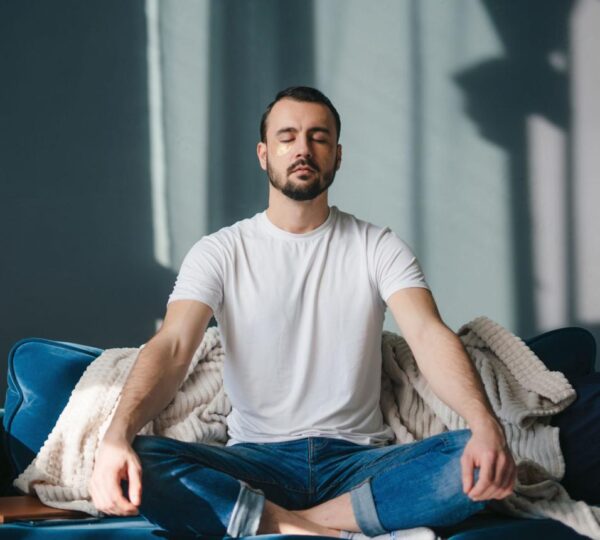
Embedding healthy behaviors into daily routines transforms them into habits requiring minimal motivation. Exercise, hydration, and mindfulness practices become automatic, promoting sustainable wellness over time and preventing burnout or overwhelm.
The Importance of Calm in Modern Life
While structure provides predictability, calmness promotes emotional balance. Modern life bombards people with digital notifications, social pressures, and professional demands, leaving little space for genuine relaxation or mental reset.
Calmness enables the nervous system to shift from a state of alertness to restoration, supporting recovery, creativity, and emotional regulation. Regularly cultivating calm improves concentration, decision-making, and overall resilience to stress.
Emotional calm strengthens adaptive capacity. Individuals who remain composed under pressure respond thoughtfully rather than impulsively, allowing them to navigate challenges without unnecessary anxiety or frustration, even during demanding situations.
Calm practices also promote self-awareness. When the mind is not racing, individuals can better identify needs, set priorities, and make intentional lifestyle choices, fostering long-term fulfillment and personal growth.
Reducing Stress Through Structured Calm
Stress often results from unpredictability and mental overload. Structured calm addresses these causes by providing a clear framework for responsibilities while introducing techniques to restore emotional balance and reduce tension.
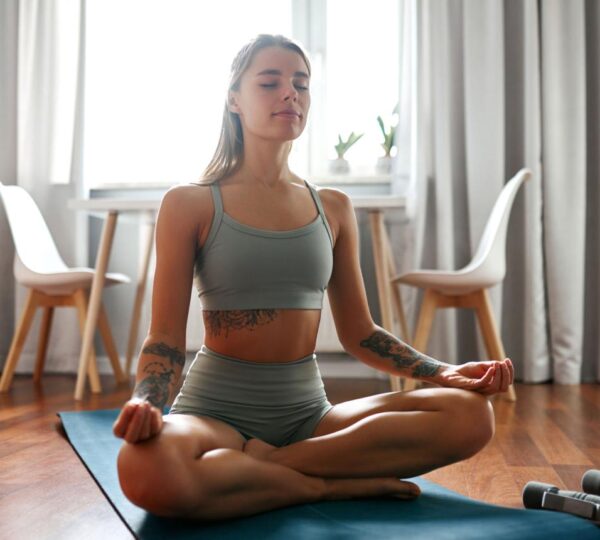
Pre-planned schedules help prevent anxiety about unfinished tasks. When priorities are organized, individuals feel a sense of control over their day, reducing mental clutter and the pressure associated with last-minute decisions or constant multitasking.
Calm practices, such as deep breathing, brief meditation, or reflective pauses, release accumulated tension throughout the day. Small restorative moments allow the nervous system to reset, mitigating chronic stress and promoting sustainable energy levels.
Over time, structured calm transforms perceptions of obligations. Tasks become manageable components of a well-paced routine rather than overwhelming burdens, fostering confidence, efficiency, and a healthier relationship with work and personal responsibilities.
Mental Clarity and Enhanced Focus
Structured calm significantly improves mental clarity. Reducing cognitive clutter allows attention to remain on single tasks, promoting better decision-making, learning retention, and problem-solving abilities, even in high-pressure environments.
Calmness reduces emotional distractions that impede focus. When individuals feel centered, they can avoid overthinking, rumination, or anxiety, maintaining attention on the present moment and achieving greater efficiency in daily activities.
In professional and personal settings, structured calm encourages creative thinking. Many breakthroughs occur during quiet reflection rather than under intense pressure, highlighting the importance of intentional downtime for cognitive performance.
Consistent mental clarity also contributes to higher productivity. By eliminating multitasking and prioritizing focus, individuals complete tasks efficiently, experience less fatigue, and achieve better results without sacrificing well-being or balance.

Supporting Emotional Balance
Structured calm nurtures emotional health by creating reliable opportunities for rest, reflection, and social connection. Predictable routines reduce emotional turbulence, promoting greater stability and adaptability to challenges.
Knowing when work, meals, and relaxation occur fosters security, allowing the mind to operate efficiently without constant anxiety. Emotional steadiness enhances resilience and improves the ability to navigate daily stressors calmly.
Quiet moments within structured routines encourage reflection, emotional processing, and self-understanding. These opportunities cultivate emotional intelligence, helping individuals regulate responses and prevent unresolved stress from accumulating over time.
Structured calm also benefits relationships. Reduced stress and mental clarity allow more attentive engagement with loved ones, improving communication, trust, and mutual support across family, friendship, and professional networks.
Physical Health Benefits
The advantages of structured calm extend to physical wellness. Balanced routines, predictable sleep, nutritious meals, and regular exercise support cardiovascular health, immunity, energy, and overall vitality.
Calm practices mitigate the physiological effects of chronic stress. Lowered stress hormones reduce inflammation, maintain hormonal balance, and promote immune function, protecting against disease and fatigue over the long term.
Intentional breathing, meditation, and relaxation techniques enhance oxygen flow, improve circulation, and support muscle relaxation. These small practices reduce tension, headaches, and fatigue while promoting physical resilience and vitality.

Creating a Lifestyle of Structured Calm
Developing structured calm begins with gradual adjustments rather than radical lifestyle changes. Consistent wake times, work schedules, meals, and self-care practices provide a stable foundation for mental, emotional, and physical well-being.
Calm spaces and moments throughout the day—such as reflection, mindfulness exercises, or gentle stretching—encourage emotional balance, helping individuals reconnect with themselves and manage responsibilities more effectively.
Digital boundaries play a crucial role. Limiting notifications and designating specific times for emails or social media helps maintain focus, reduce mental clutter, and preserve a sense of calm throughout the day.
Over time, small, deliberate changes create an environment where structure and calm coexist. This balanced approach enhances productivity, focus, and health while allowing flexibility to adapt to changing life circumstances.
Long-Term Sustainability
The strength of structured calm lies in its sustainability. Unlike strict wellness regimens, it avoids unrealistic expectations, emphasizing flexibility, balance, and long-term adherence rather than perfection or intense discipline.
Routines aligned with personal priorities and natural rhythms are easier to maintain over time. Individuals feel empowered rather than constrained, reducing the risk of burnout while supporting continuous growth and well-being.
Structured calm encourages adaptability. Habits and routines evolve with circumstances, ensuring wellness practices remain practical, meaningful, and achievable at every stage of life without adding unnecessary pressure.
By combining rest, productivity, and mindfulness, structured calm fosters long-term health. Individuals can meet personal, professional, and emotional needs without sacrificing well-being, forming the foundation for sustainable wellness practices.
Conclusion
Structured calm provides a transformative approach to sustainable wellness, blending intentional organization with mindful relaxation. It promotes mental clarity, emotional resilience, and physical vitality while creating a balanced, fulfilling lifestyle.
Rather than chasing fleeting wellness trends, structured calm emphasizes stability, adaptability, and long-term growth. Thoughtful planning and restorative practices allow individuals to achieve harmony between responsibilities and personal needs.
Ultimately, wellness is not about doing more but creating conditions that allow the mind and body to thrive. Structured calm cultivates focus, resilience, and balance, empowering individuals to navigate life with clarity and peace.
By adopting structured calm, individuals experience a deeper sense of fulfillment. The approach demonstrates that lasting health arises from balance, intentionality, and mindfulness, not extreme routines or temporary fixes, fostering well-being that lasts a lifetime.
