
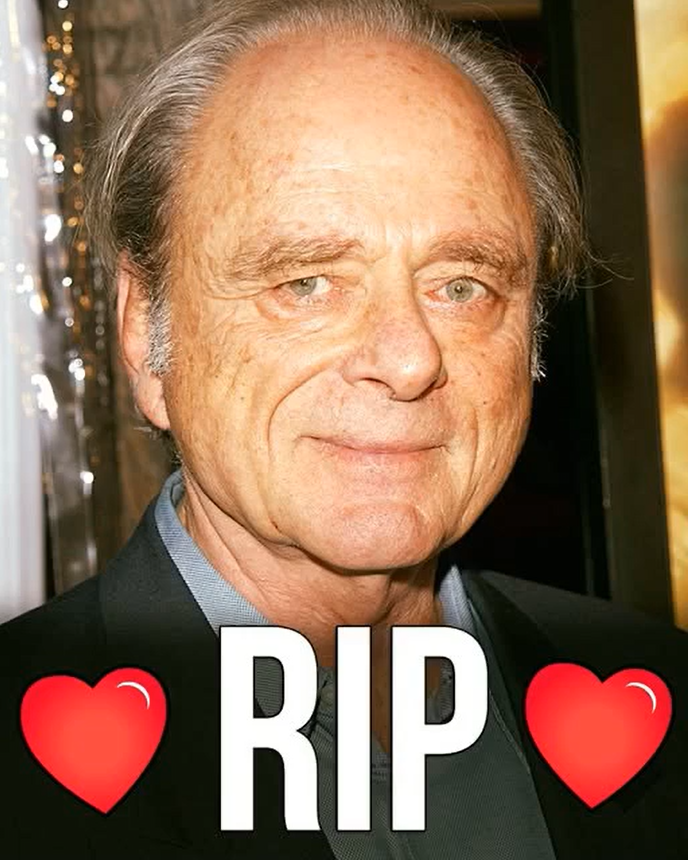
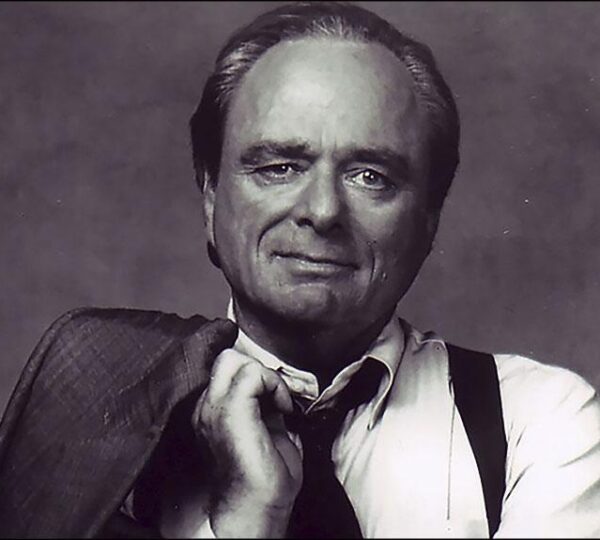
Harris Yulin, born November 5, 1937, in Los Angeles, California, was a renowned American actor whose distinguished career spanned more than six decades across theater, film, and television.
He died on June 10, 2025, at age 87 of cardiac arrest in New York City. Yulin grew up with a passion for storytelling and performance.
After a childhood shaped by diverse cultural influences in Southern California, he pursued acting training in New York City, where he developed a lifelong commitment to the craft.
In the early 1960s, Yulin began his professional stage career in New York theater, quickly earning respect for his intensity, discipline, and the depth he brought to complex characters in dramatic works and experimental plays.
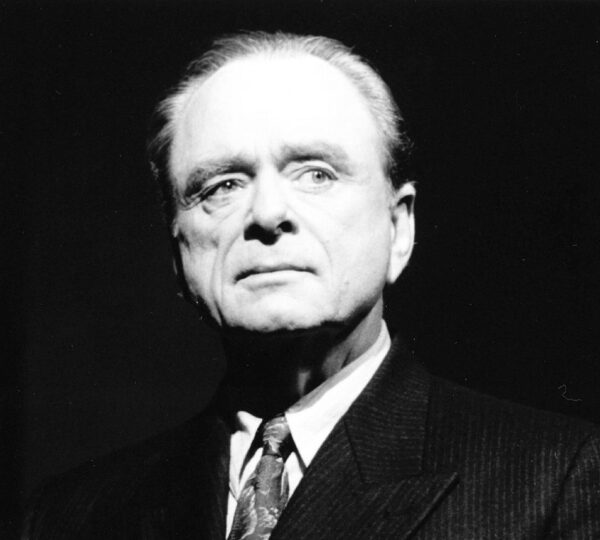
He made his Broadway debut in Next Time I’ll Sing to You in 1963, showcasing a powerful stage presence that would become a hallmark of his long career. Audiences and critics alike took notice of his magnetic performance.
Throughout the 1960s and 1970s, Yulin became a fixture in American theater. He performed in classics such as Watch on the Rhine, The Diary of Anne Frank, Hedda Gabler, and The Price, each role revealing his vast emotional range.
Yulin’s stage work was marked by versatility. Whether portraying tortured protagonists, conflicted authority figures, or introspective dramatic leads, he consistently infused depth and intelligence into every character he embodied.
In addition to acting, Yulin directed multiple theatrical productions, demonstrating his keen understanding of dramatic structure, pacing, and storytelling. His directorial credits included acclaimed productions of The Trip to Bountiful and The Glass Menagerie.
His contributions to theater earned him respect from peers, directors, and playwrights, many of whom praised Yulin for his dedication to artistic integrity and his advocacy for ensemble collaboration onstage.
Yulin’s transition to film began in the 1970s and 1980s, where he quickly established himself as a character actor capable of memorable, layered screen performances that added dimension to countless narratives.
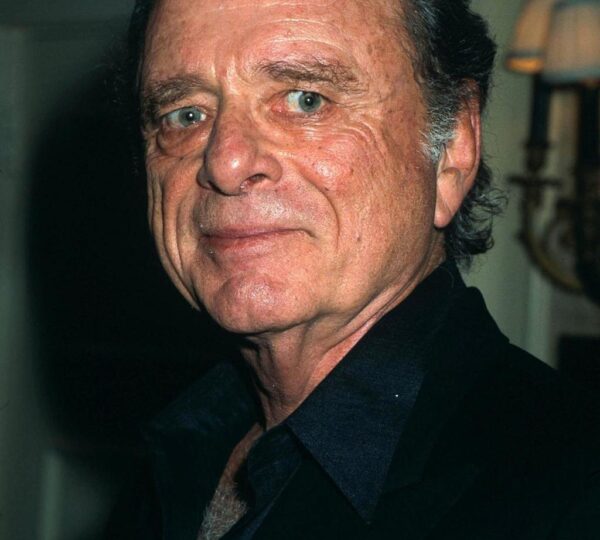
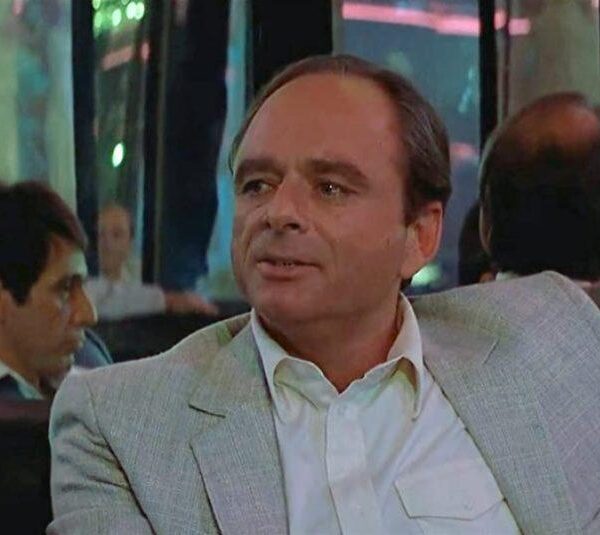
One of his most iconic film roles was as Mel Bernstein in Brian De Palma’s Scarface (1983), where he brought authoritative complexity to the portrayal of a corrupt and morally conflicted police officer.
Yulin also appeared in Ghostbusters II (1989) as Judge Stephen Wexler, imbuing the character with a deliberate restraint that balanced humor and gravitas, contributing to the film’s enduring popularity.
He portrayed a senior national security adviser opposite Harrison Ford in Clear and Present Danger (1994), delivering a nuanced performance that revealed both bureaucratic tension and the pressures of political decision‑making.
In Training Day (2001), Yulin shared the screen with Denzel Washington and Ethan Hawke, further proving his ability to command presence in gritty, morally ambiguous narratives featuring complex protagonists.
Yulin’s filmography extended well beyond those roles. He appeared in The Hurricane (1999), Bean (1997), Rush Hour 2 (2001), and The Place Beyond the Pines (2012), showcasing versatility across drama and commercial cinema.
His work in independent films and character pieces revealed another facet of his talent, as he brought empathy and realism to roles that deepened audiences’ emotional engagement with the story.
Television was another important venue for Yulin’s creativity. In 1996, he received a Primetime Emmy Award nomination for Outstanding Guest Actor in a Comedy Series for his role as Jerome Belasco on Frasier.
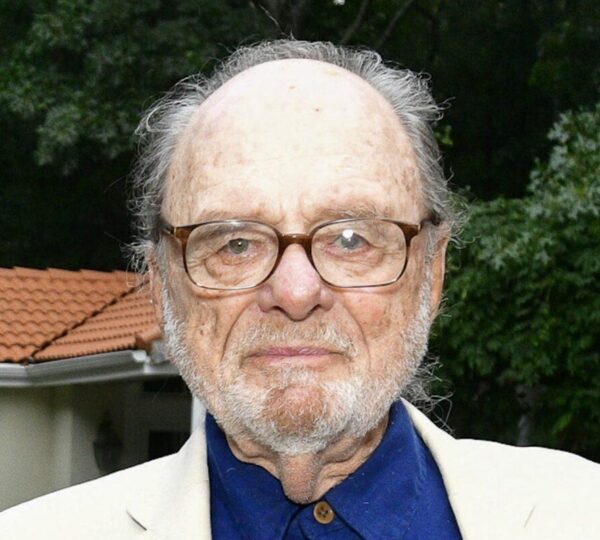
Yulin appeared on many beloved television series, including 24, Buffy the Vampire Slayer, Star Trek: Deep Space Nine, Veep, The X‑Files, The Blacklist, Billions, and Divorce, each appearance revealing his adaptability.
By the 2010s, he found a new generation of fans through his role as Buddy Dieker in the critically acclaimed Netflix crime drama Ozark, where his nuanced performance earned praise from viewers and critics alike.
Although Yulin enjoyed success in film and television, theater remained central to his identity. He continued to perform classic works by Shakespeare, Chekhov, and Ibsen, returning repeatedly to the stage that first shaped his artistic purpose.
His command of dramatic subtlety and textual interpretation earned him acclaim in productions ranging from intense psychological dramas to modern reinterpretations of canonical works by established playwrights.
In addition to performing, Yulin taught acting at distinguished institutions, including the Juilliard School and Columbia University’s Graduate School of the Arts, mentoring young actors with patience and insight.
Students and colleagues often spoke of his generosity in the classroom, where he emphasized discipline, listening skills, emotional honesty, and the importance of collaborative storytelling.
Directors and co‑stars frequently praised Yulin’s professionalism and depth. Many noted his ability to elevate supporting roles, making them memorable without overshadowing the narrative’s balance or ensemble dynamic.
Despite his many accomplishments, Yulin remained humble. He described his career as a series of choices driven by curiosity and learning, not by fame or celebrity ambitions alone.
He approached every role — whether stage, television, or film — with the same seriousness of purpose, earning respect from audiences and collaborators across generations.
Yulin’s personal life was marked by close relationships and family commitments. He was married to actress Gwen Welles until her death in 1993, and later married actress Kristen Lowman, his partner for many years.
He was preceded in death by his daughter, Claire Lucido, whose loss deeply affected him and whose memory he honored privately throughout his later life.
At the time of his passing, Yulin was actively engaged in new projects, including the upcoming MGM+ series American Classic, demonstrating his enduring dedication to his craft.
Colleagues remembered him not only for his professional excellence but also for his kindness, mentorship, and generosity — qualities that enriched every set and rehearsal hall he entered.
Director Michael Hoffman described Yulin as “one of the greatest artists” he ever worked with, highlighting both the actor’s technical mastery and his personal warmth and integrity.
Yulin’s influence extends far beyond his filmography; it lives on in the actors he mentored, the productions he helped shape, and the audiences who continue to discover his work.
Audiences remember him for the authority he brought to every role — whether portraying judges, detectives, mobsters, or layered supporting characters — his presence always resonated with depth.
His body of work continues to be appreciated by new generations of viewers who discover his performances on streaming platforms, film archives, and revived theatrical productions.
Beyond his memorable screen and stage roles, Yulin’s legacy also includes his contributions as a teacher, mentor, and advocate for artistic integrity in performance.
In both life and death, he remains a respected figure in the arts — a testament to a career defined by dedication, discipline, and a deep love of storytelling.
His contributions will remain part of the cultural landscape, ensuring that future audiences can appreciate the talents of a truly gifted performer whose work elevated every project.
