

Medical researchers have increasingly focused on understanding why men appear to develop HPV-related oral cancers at significantly higher rates than women. Experts say the answer likely involves a combination of biological, behavioral, and historical health factors.
Human papillomavirus, commonly referred to as HPV, is one of the most widespread viral infections worldwide. It is primarily transmitted through intimate skin-to-skin contact, including sexual activity, and affects millions of people every year.
In many cases, HPV infections cause no noticeable symptoms at all. Because of this, individuals may carry the virus for years without realizing they have been exposed or that they have passed the virus to others.
Despite its silent nature in many cases, HPV can sometimes lead to health problems. Certain strains are known to cause genital warts, while others are linked to cancers that develop years or even decades after the initial infection.

Scientists have identified more than 200 different strains of HPV. Most of these strains are considered low-risk and clear naturally without medical intervention, but a smaller number are associated with long-term health complications.
Health authorities note that approximately 90 percent of HPV infections are cleared naturally by the body’s immune system within two years. For most people, the virus disappears without causing lasting health problems.
However, medical researchers have identified around 14 high-risk strains of HPV that can trigger cellular changes. Over time, these changes may develop into cancers affecting areas such as the cervix, throat, anus, or genitals.
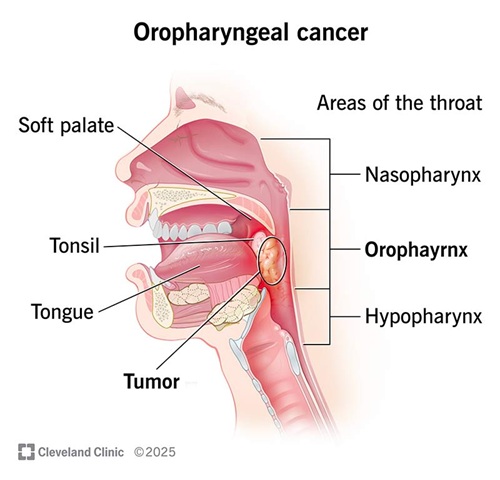
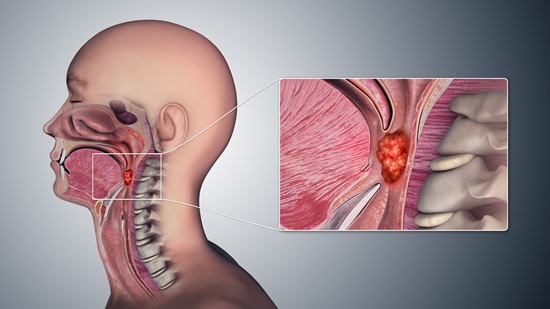
In recent years, doctors have observed a steady increase in cases of HPV-related cancers affecting the throat. These cancers are medically known as oropharyngeal cancers and occur in the back of the throat, including the tonsils and base of the tongue.
Public health experts say the rise in HPV-related throat cancers has become an important topic for cancer researchers and prevention specialists. Understanding who is most affected helps guide vaccination strategies and awareness campaigns.
According to the United States Centers for Disease Control and Prevention, HPV is the most common sexually transmitted infection in the country. Millions of Americans are estimated to carry some form of the virus at any given time.

Although both men and women can contract HPV, research suggests that men appear to develop HPV-related oral cancers at much higher rates than women. This pattern has been confirmed by multiple long-term epidemiological studies.
Experts say the reasons for this difference are complex and still being studied. Biological differences in immune response may play a role, but lifestyle and behavioral factors also appear to influence cancer risk.
Cancer epidemiologists emphasize that HPV infections can remain in the body for years before causing detectable disease. In many cases, people may not realize they were exposed until symptoms appear decades later.
Karis Betts, a cancer epidemiologist with Cancer Research UK, has explained that HPV-related cancers often develop slowly over long periods of time. Because of this delayed progression, identifying the exact moment of infection is extremely difficult.
Researchers have also examined how patterns of sexual behavior may influence HPV exposure and transmission. Some studies suggest that individuals with higher numbers of oral sexual partners may face greater risk of oral HPV infection.
However, scientists emphasize that HPV infection alone does not automatically lead to cancer. Many people who are exposed to high-risk HPV strains never develop serious health complications.
Additional lifestyle factors appear to influence whether the virus eventually contributes to cancer development. Long-term tobacco use and excessive alcohol consumption are two of the most significant contributing risk factors.
Historically, men have had higher rates of smoking and heavy alcohol consumption than women. These behaviors have been strongly associated with cancers affecting the mouth, throat, and surrounding tissues.
Because these risk factors have historically been more common among men, researchers believe they may partially explain the higher rates of head and neck cancers observed in male populations.
In addition to smoking and alcohol use, certain occupational exposures and environmental factors may contribute to the overall risk of developing cancers in the head and neck region.
Medical experts also note that immune system responses to HPV may differ slightly between men and women. Some studies suggest that women may clear oral HPV infections more efficiently than men, though research continues in this area.
Another important factor is the widespread use of cervical screening programs for women. These programs help detect early HPV-related changes before they develop into cervical cancer, improving prevention and awareness.
Men, by contrast, generally do not undergo routine screening for HPV-related throat cancers. As a result, these cancers are sometimes detected only after symptoms become noticeable.

One widely discussed case that brought public attention to HPV-related throat cancer involved the well-known actor Michael Douglas. The actor revealed that he had been diagnosed with stage four throat cancer in 2010.
Douglas later stated in interviews that doctors had indicated his cancer could have been associated with HPV infection. He also acknowledged that smoking and alcohol use may have played a role in his illness.
His public discussion of the diagnosis helped raise awareness about HPV’s connection to certain throat cancers, a topic that had previously received limited attention in mainstream public health conversations.
Medical specialists emphasize that HPV-related throat cancers can take many years to develop. In some cases, the virus may remain dormant for decades before cancerous changes become detectable.
Because of this long timeline, many patients diagnosed with oropharyngeal cancer cannot determine exactly when they were exposed to HPV or how the infection first occurred.
Despite the serious nature of HPV-related cancers, doctors stress that prevention strategies are available. One of the most effective tools currently available is vaccination against the most dangerous strains of HPV.
HPV vaccines are designed to protect against several of the high-risk strains known to cause cancer. Health organizations around the world recommend vaccination for adolescents before they become exposed to the virus.
Vaccination programs are often offered in schools or through pediatric healthcare providers. The vaccine works best when administered during early adolescence, before individuals become sexually active.
However, vaccination is not limited only to teenagers. In many countries, adults may still receive the vaccine after discussing their personal risk factors with healthcare providers.
Public health agencies emphasize that vaccination helps reduce the spread of HPV within the population. As vaccination rates increase, overall rates of HPV-related cancers may gradually decline over time.
Although there is currently no medical cure that completely eliminates HPV infection once it occurs, the immune system clears most infections naturally without causing long-term harm.
Doctors recommend focusing on prevention strategies rather than worrying excessively about infection itself. Maintaining healthy lifestyle habits can significantly reduce the risk of cancer development.
For individuals concerned about head and neck cancer risk, experts advise avoiding tobacco use whenever possible. Quitting smoking remains one of the most effective ways to reduce cancer risk.
Limiting alcohol consumption is another important protective step. Research has consistently shown that high levels of alcohol use increase the risk of several types of cancers, including those affecting the throat.
Maintaining regular medical checkups can also help detect potential health issues earlier. Doctors may evaluate symptoms that could indicate a developing problem in the mouth or throat.
Healthcare providers encourage individuals to seek medical attention if they experience persistent symptoms that do not improve over time. Early detection greatly improves treatment outcomes for most cancers.
Medical experts from the Cleveland Clinic and other health organizations have outlined several warning signs that may indicate possible throat cancer and should not be ignored.
One common warning sign is a persistent sore throat that does not improve after several weeks. Chronic throat irritation may signal an underlying condition that requires medical evaluation.
Difficulty or pain when swallowing is another symptom that may occur in some cases of throat cancer. This sensation can range from mild discomfort to significant difficulty eating or drinking.
Some individuals may experience trouble fully opening their mouth or moving their tongue normally. These symptoms can sometimes be associated with tumors affecting the mouth or throat.
Unexplained weight loss may also occur if swallowing becomes painful or difficult. Sudden weight changes without clear explanation should always be discussed with a healthcare professional.
Constant ear pain, particularly when no ear infection is present, can also be linked to problems in the throat or surrounding areas. This symptom may appear subtle but should not be overlooked.
Doctors also warn about lumps or unusual growths in the back of the throat or inside the mouth. Any persistent swelling or mass should be examined by a medical professional.
A lump or swelling in the neck can sometimes occur when lymph nodes respond to cancerous cells spreading from the throat. This symptom often prompts patients to seek medical care.
Coughing up blood is a more serious warning sign that requires immediate medical attention. While it can occur for several reasons, it should always be evaluated promptly.
Another possible sign involves white patches appearing on the tongue or inside the mouth. If these patches do not disappear within a reasonable period, medical advice should be sought.
Experts stress that experiencing one of these symptoms does not necessarily mean cancer is present. Many less serious conditions can cause similar symptoms.
Nevertheless, persistent symptoms should always be evaluated by a healthcare provider. Early diagnosis allows doctors to begin treatment sooner and improves the chances of successful recovery.
Public health organizations continue to emphasize education, vaccination, and healthy lifestyle choices as the most effective strategies for reducing HPV-related cancer risks.
By increasing awareness about HPV, encouraging vaccination, and promoting regular health checkups, experts hope to reduce the long-term impact of HPV-related cancers around the world.
Understanding the risk factors and recognizing early warning signs empowers individuals to take proactive steps in protecting their health and seeking medical advice when necessary.
