
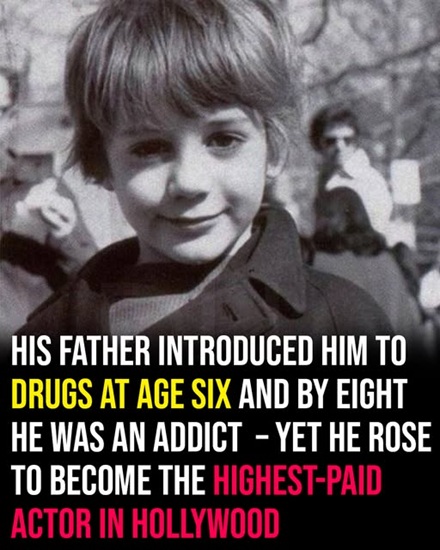
For decades, Robert Downey Jr. has been one of the most recognizable faces in entertainment, starring in some of the biggest films ever made and earning worldwide fame and acclaim.
But before the global superstardom, awards, and blockbuster success, Downey’s life was marked by intense personal challenges that nearly derailed his promising career early on.
Born April 4, 1965, in New York City, Downey was raised in a highly creative environment, his father a filmmaker and his mother an actress, exposing him to acting before he could truly understand fame.
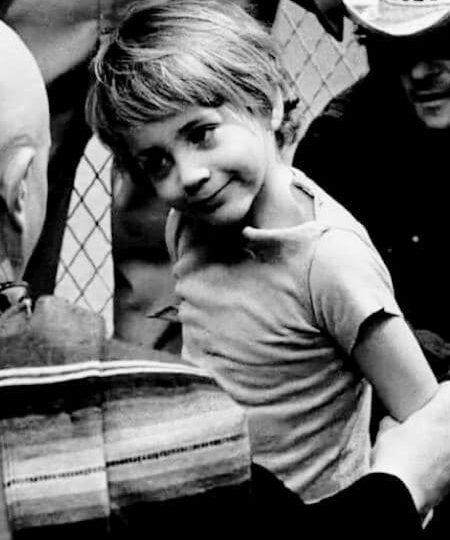
From a very young age, he appeared in his father’s films, making his screen debut in 1970’s Pound when he was just five years old, showcasing his early immersion in entertainment.
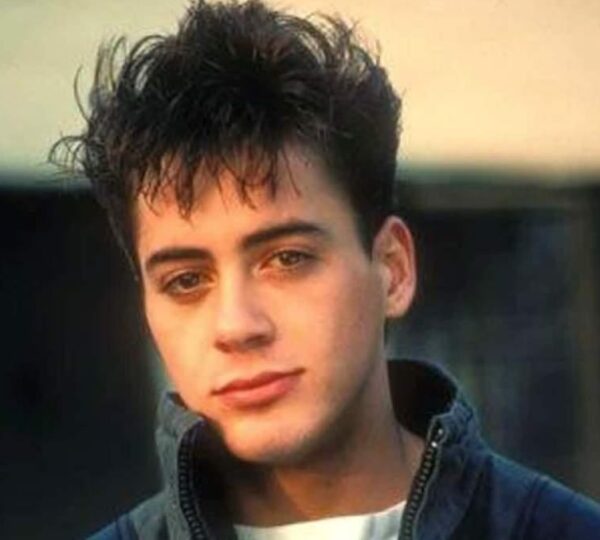
Downey’s childhood, however, wasn’t just about scripts and sets — it was also shaped by exposure to drugs and alcohol that would shadow him for years.
His father, who also struggled with substance abuse, once introduced him to marijuana when he was very young, a moment Downey later acknowledged as deeply influential on his life.
He has openly said that those early experiences helped form a confusing emotional bond around drugs at a tender age, as substance use became linked to affection and validation.
As a teenager, Downey trained at performing arts programs and summer acting camps, sharpening his craft while pursuing acting with increasing intensity.
Despite showing talent and drive, his home life was unstable, and his parents’ divorce when he was young only added to the emotional complexities he faced.
By his early teens he had attended multiple schools, yet he ultimately dropped out of high school to focus entirely on his acting career, embracing a path few teenagers choose.
In the mid‑1980s, Downey became part of Hollywood’s social fabric, starring in popular films like Weird Science (1985) and Less Than Zero (1987), gaining attention as a rising young actor.
His performance in the biopic Chaplin (1992) brought critical acclaim and an Academy Award nomination, cementing his status as a serious, talented performer.
But behind the glitz, his personal life grew increasingly chaotic, with substance use intensifying and beginning to interfere with his professional commitments.
In the 1980s and early 1990s, Downey battled cocaine and alcohol addiction that worsened over time, contributing to erratic behavior and tumultuous relationships.
After a high‑profile relationship with Sarah Jessica Parker ended in the early 1990s, his drug use escalated, straining friendships, work relationships, and his career.
By 1996, Downey’s struggles reached a breaking point, leading to multiple arrests that would dominate headlines and threaten his future in Hollywood.
Concerned for his safety, friends including Sean Penn and Dennis Quaid once intervened in an attempt to get him into rehab, highlighting how serious his addiction had become.
In June 1996, police stopped Downey in Los Angeles for speeding and found heroin, cocaine, crack cocaine, and an unloaded .357 Magnum handgun in his vehicle, prompting a major arrest.
A month later, while under the influence, he wandered into a neighbor’s Malibu home, fell asleep in their bed, and was documented in what became known as the widely publicized “Goldilocks incident.”
Downey pleaded no contest to the 1996 charges and was sentenced to probation, mandatory drug testing, and rehab, but his addictions continued to plague him.
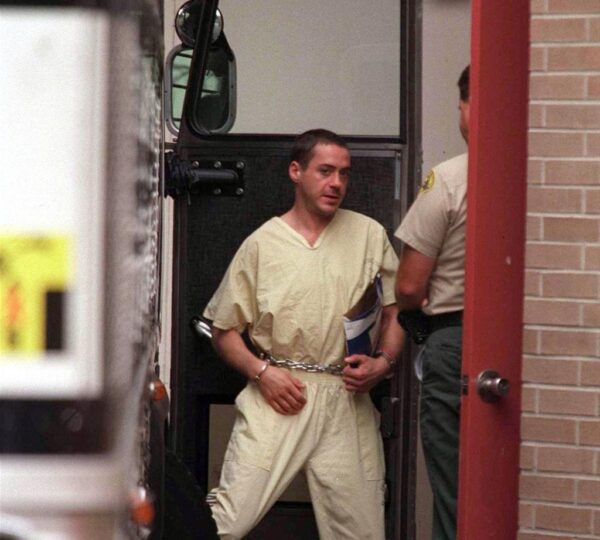
Despite court‑ordered treatment, he violated probation multiple times, missing drug tests and returning to substance use, resulting in several jail stints in the late 1990s.
In 1997, Downey spent six months in Los Angeles County Jail after missing a court‑mandated drug test, one of several legal consequences of his continued struggles.
By 1999, after further violations, he was sentenced to three years’ imprisonment at the California Substance Abuse Treatment Facility in Corcoran, a stark low point in his life.
During this period, several films he had completed were released without him, and studios became wary of hiring him due to reliability concerns.
Downey spent nearly a year in prison before being unexpectedly released in 2000, when a judge ruled his time in various incarceration and treatment facilities qualified for early release.
Within a week of his release, he began rebuilding his career, joining the cast of Ally McBeal as a quirky love interest and earning both critical praise and award nominations.
Despite this professional resurgence, his addiction was still a battle, and he later described that time as one of the lowest periods of his life.
In the early 2000s, Downey continued to attend rehab, enter treatment programs, and work toward sobriety, determined to rebuild both his personal life and career.
He appeared in The Singing Detective (2003), a film that marked his return to cinema and showcased his dedication to his craft during recovery.
Despite remaining clean for periods, setbacks occurred, but Downey persisted and continued focusing on maintaining sobriety as a daily commitment.
Gradually, studios and filmmakers began to trust him again, appreciating his talent, reliability, and the honesty he brought to his work and to interviews about addiction.
By the mid‑2000s, his career regained momentum with standout roles in Kiss Kiss Bang Bang (2005) and other films that demonstrated his range and renewed professional stability.
His iconic comeback came with the 2008 release of Iron Man, where he played Tony Stark, a role that launched the hugely successful Marvel Cinematic Universe and redefined his career.
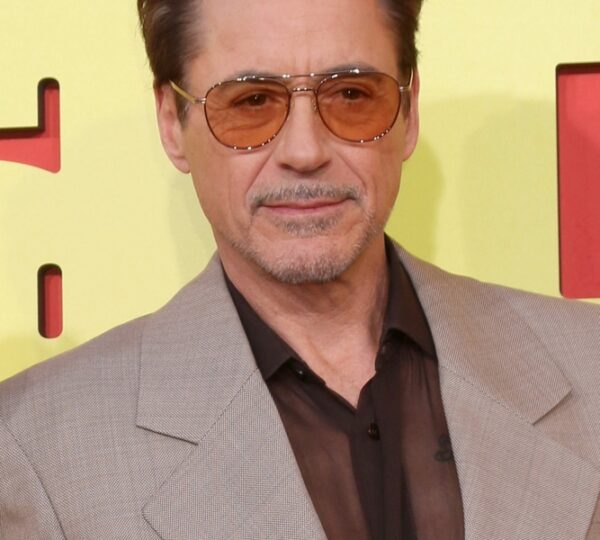
As Iron Man, Downey became one of Hollywood’s highest‑paid actors, earning global fame, financial success, and leading roles in multiple blockbuster franchises.
Beyond superheroes, he earned critical acclaim with performances in films like Tropic Thunder and Sherlock Holmes, showcasing his versatility and depth as an actor.
His awards include an Academy Award, several Golden Globes, and numerous industry honors recognizing his talent and contributions to film.
Downey’s personal life also found stability; he married producer Susan Levin in 2005, and together they have built a life centered on family and mutual support.
He also shares children with his first wife, and as a father, he has acknowledged the challenges of watching loved ones struggle with similar issues — notably his son’s own battles with addiction.
Downey’s journey from youthful promise through addiction, incarceration, and back to global stardom is often cited as one of Hollywood’s greatest comeback stories.
In 2015, he received a symbolic pardon from California Governor Jerry Brown for his 1996 drug and weapons conviction, recognizing his improved life and contributions.
Today, Robert Downey Jr. is admired not only for acting but for his openness about recovery, demonstrating resilience and growth that inspire people around the world.
His life underscores that even the most talented and successful individuals can struggle deeply — and that redemption, self‑reflection, and perseverance are possible.
From child actor to troubled star, past prison sentences to Marvel domination, his story remains a compelling narrative of talent, fallibility, and triumph.
His career earnings, influence, and impact on pop culture reflect not only his artistic gifts but his commitment to transformation and professional excellence.
Robert Downey Jr. continues to act, advocate for creativity, and engage in philanthropic efforts that benefit communities and aspiring artists.
Through it all, he has shown that even the darkest chapters can lead to renewed meaning, purpose, and opportunity when confronted with courage and determination.
His journey illustrates that personal struggles do not define one’s legacy — but how one responds to those struggles can shape it.
