
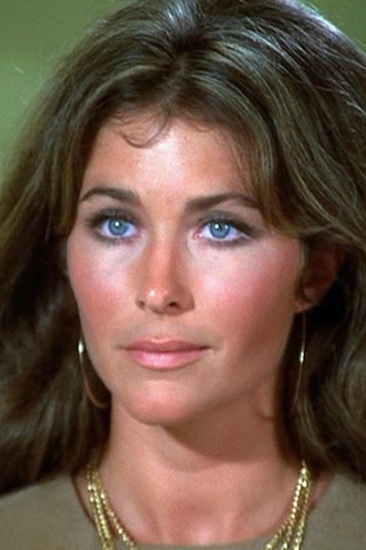
Michele Carey, an American actress of extraordinary poise and understated charm, captured Hollywood’s attention in the 1960s with her natural beauty, expressive eyes, and calm confidence, drawing audiences with quiet, magnetic appeal.
Born in 1943 in Annapolis, Maryland, Carey grew up far from Hollywood, never seemingly destined for the spotlight. Her upbringing instilled a grounded sense of self that later shaped her compelling, authentic presence onscreen.
Discovered as a teenager, Carey entered the entertainment world with effortless ease. Unlike many contemporaries, she commanded attention not by spectacle but through subtle emotional depth, a magnetic quality that made her performances resonate naturally.
Early in her career, Carey balanced both film and television appearances, demonstrating versatility and poise. Her ability to convey intelligence and emotional nuance distinguished her from other young actresses of the era.
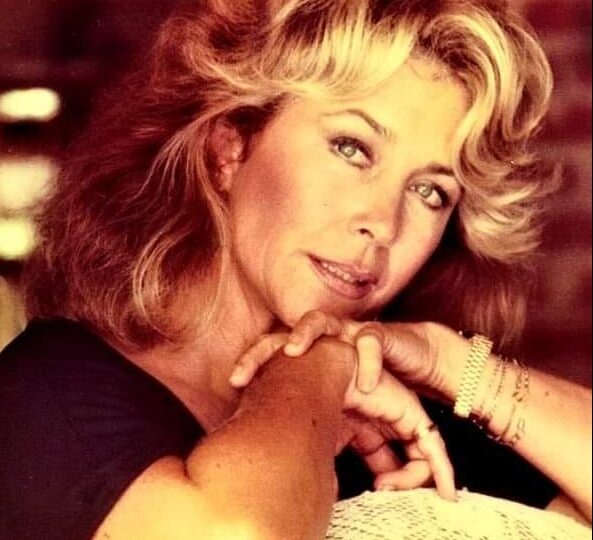
Her breakout role came in 1966 with El Dorado, where she portrayed Josephine “Joey” MacDonald. Sharing the screen with John Wayne and Robert Mitchum, Carey held her own with remarkable depth and understated confidence.
In a genre dominated by masculine archetypes, Carey’s character defied expectations. She was neither ornamental nor peripheral, instead embodying intelligence, emotional nuance, and resilience, adding complexity and warmth to the Western narrative.
Carey’s work in El Dorado remains a benchmark for her career. She demonstrated the rare ability to stand alongside legendary actors while maintaining her individuality, leaving a lasting impression on both audiences and critics.
Beyond Westerns, Carey showcased her versatility on television. Guest appearances in series like The Man from U.N.C.L.E., The Wild Wild West, and The Fugitive highlighted her range, charisma, and capability to engage audiences even in supporting roles.
Her television performances combined elegance, subtle humor, and emotional authenticity, allowing her to leave lasting impressions despite limited screen time, reinforcing her reputation as a quietly powerful and reliable performer.
Carey’s presence onscreen often suggested an unspoken depth. She conveyed strength without overt theatrics, making her characters relatable, grounded, and memorable, a quality that distinguished her from more conventional Hollywood ingénues.
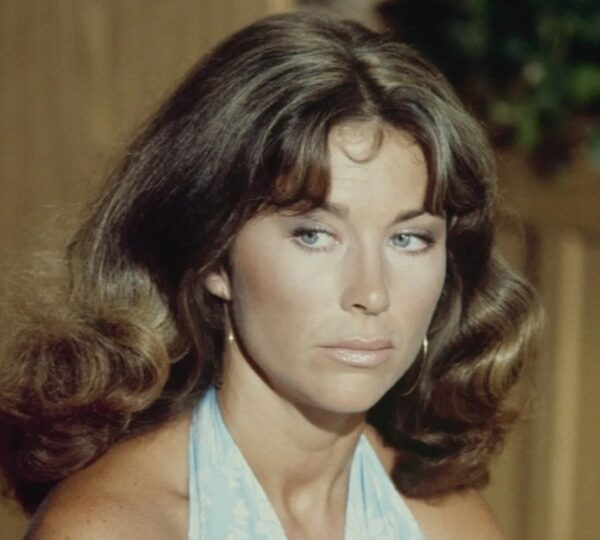
At a pivotal moment in her career, Carey made a rare choice: she stepped back from Hollywood’s spotlight. Prioritizing personal fulfillment over fame, she pursued a life outside the relentless pressures of the industry.
This deliberate departure added to her mystique. Fans and critics alike admired her decision to value privacy, making her career feel like a preserved, radiant moment in the shimmering history of 1960s cinema.
Carey’s decision to leave Hollywood at her peak ensured her performances remained timeless. Without overexposure, her filmography aged gracefully, allowing new generations to discover and appreciate her work without nostalgia diluted by repetition.
Despite a relatively small body of work, each role Carey undertook reflected elegance, poise, and emotional resonance. Her performances consistently conveyed authenticity, revealing a remarkable ability to inhabit characters fully and naturally.
Her work in Westerns exemplified her nuanced approach. She brought emotional depth to a genre often dominated by male-driven narratives, redefining female presence and contributing to the evolution of cinematic representation for women.
Carey’s presence in El Dorado exemplified her quiet strength, embodying resilience, intelligence, and humanity. Her interactions with Wayne and Mitchum revealed her skill at balancing screen dynamics while creating a character who felt grounded and fully realized.
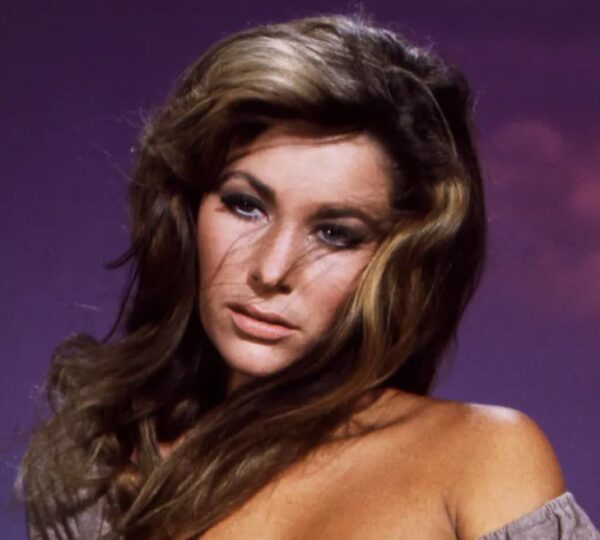
Beyond her most famous roles, Carey appeared in films like Live a Little, Love a Little, The Sweet Ride, and The Scorpio Letters, consistently demonstrating versatility, charm, and understated intensity across genres and formats.
Television also offered Carey a platform to reach broader audiences. Her guest roles in popular series of the 1960s introduced her to viewers nationwide, further cementing her status as a familiar, engaging, and respected presence in entertainment.
Her performances combined naturalism and subtle expressiveness, highlighting her capacity to convey emotion without grandiose gestures, a quality that set her apart from peers reliant solely on glamour or theatricality.
Carey’s choice to step away from Hollywood reflected a mature understanding of personal priorities and artistic integrity. She resisted the pressure to chase stardom, instead cultivating a life aligned with her values and aspirations.
This decision, though rare in Hollywood, contributed to her enduring allure. Fans admired the sense of autonomy she maintained, elevating her status as a cult favorite whose work remains both admired and enigmatic.
By leaving the spotlight, Carey preserved a specific cinematic moment, a snapshot of 1960s Hollywood elegance and understated power, allowing her performances to retain freshness, subtlety, and emotional resonance over time.
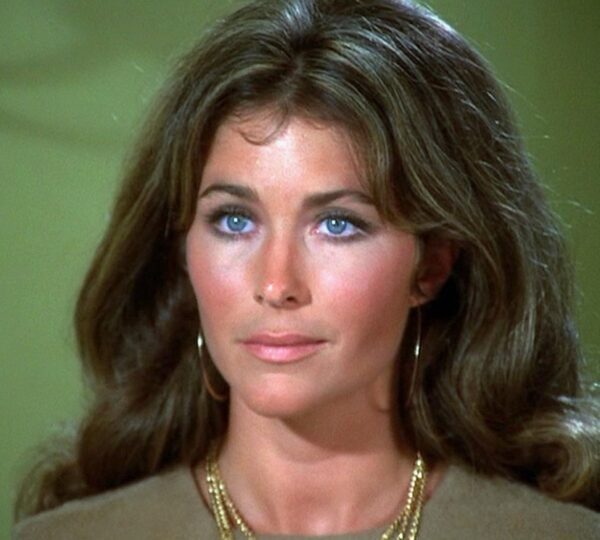
Her career, though brief, remains impactful. Each role she undertook showcased her skill in creating believable, relatable characters, leaving an indelible mark on film and television history despite limited screen appearances.
Michele Carey’s legacy is particularly notable in Western cinema. Her ability to balance strength, intelligence, and emotional nuance challenged traditional gender roles, paving the way for richer female representation in a male-dominated genre.
Her performances brought warmth, empathy, and humanity to the screen, demonstrating that female characters could hold complexity and agency while supporting the narrative rather than being mere decorative presences.
Carey’s choice to maintain privacy after leaving Hollywood further enhanced her mystique. She became a symbol of selective fame, demonstrating that not all careers need constant visibility to achieve lasting impact.
Her life outside of Hollywood reflected the same grace and dignity she projected onscreen, emphasizing authenticity, groundedness, and personal fulfillment over public recognition or celebrity spectacle.
Carey’s filmography remains celebrated by classic film enthusiasts, who appreciate her naturalistic performances, elegance, and emotional subtlety, often noting her ability to leave lasting impressions despite limited screen time.
Even decades after her departure, her influence continues to inspire. Modern actors cite Carey as an example of understated power, demonstrating that nuanced, authentic performance can resonate more deeply than overt glamour or relentless exposure.
Her legacy is not measured in box office numbers alone but in the emotional truth and subtlety she brought to each role, creating characters that felt lived-in, relatable, and enduringly human.
Carey passed away in 2022, leaving behind a legacy defined by elegance, quiet strength, and authenticity. Her career, though relatively brief, continues to captivate film historians, fans, and actors studying the craft of subtle performance.
Michele Carey remains emblematic of a Hollywood era when understated talent, poise, and emotional depth held as much power as spectacle or notoriety, reminding audiences that grace and authenticity never go out of style.
Her story demonstrates that not every star needs to chase fame to make an enduring impact; sometimes, the most lasting impressions are those created with care, restraint, and intentionality.
Carey’s career teaches that true artistry lies in conveying emotion with honesty and nuance, and that leaving the industry at the right moment can preserve the integrity and timelessness of one’s work.
Fans continue to celebrate her work in El Dorado and beyond, appreciating her ability to balance beauty, intelligence, and emotional subtlety, crafting performances that feel genuine and continue to resonate across generations.
Her influence on Westerns, television, and American cinema overall underscores the significance of authenticity, groundedness, and understated talent in creating performances that endure beyond fleeting trends or celebrity culture.
Carey’s life reflects the delicate balance between career, personal fulfillment, and legacy. By prioritizing privacy and intentional choices, she demonstrated a model of success defined not by quantity, but by quality, depth, and lasting impact.
Her natural ease, poised demeanor, and subtle emotional resonance remain a touchstone for actors and film historians seeking examples of understated excellence in mid-20th-century Hollywood cinema.
The enduring appreciation for Carey’s work highlights the timeless appeal of performances grounded in authenticity, emotional honesty, and the capacity to captivate audiences without relying on spectacle or self-promotion.
Michele Carey’s story is a testament to the enduring power of quiet strength, artistry, and personal integrity, proving that a brief but brilliant career can leave a lasting mark on Hollywood history and culture.
Even decades after her last performance, Carey continues to be admired as a symbol of elegance, poise, and artistic subtlety, a reminder that true cinematic magnetism often lies in quiet confidence and expressive authenticity.
Her legacy reinforces that Hollywood history is not solely about fame or volume of work; it also celebrates those whose presence, depth, and talent leave impressions that persist for generations.
Carey’s life, career, and choices exemplify the idea that meaningful artistry transcends time, showing how restraint, intelligence, and authenticity can create performances that endure far longer than a career spent chasing recognition.
The story of Michele Carey reminds us that sometimes the most luminous stars shine not by intensity or exposure, but through subtlety, careful choices, and performances that continue to resonate long after the spotlight fades.
