...

From Early Struggles to Rock Stardom: How Childhood Pain Shaped a Legend

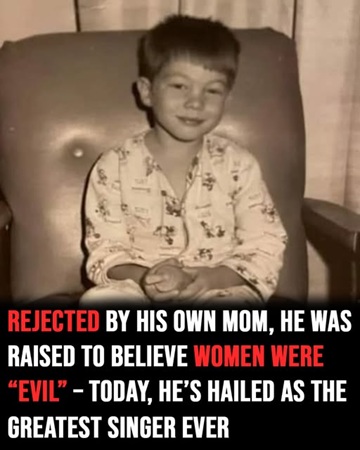
William Bruce Rose, known today as Axl Rose, was born William Bruce Bailey on February 6, 1962, in Lafayette, Indiana.

His mother, Constance Rose, was only 16 at the time, while his biological father was 20 — later described as a “troubled and charismatic local delinquent.”

The couple separated when William was around two years old. Shortly thereafter, his father allegedly abducted him and subjected him to abuse before disappearing from Lafayette.

He never reconnected with his biological father as an adult; the elder man was murdered in 1984 in Marion, Illinois.

Following her remarriage to Stephen L. Bailey, William’s name was legally changed to William Bruce Bailey, and until he was 17, he believed Bailey was his real father.

Life in the Bailey household was highly religious, strict, and at times oppressive.

The family attended a Pentecostal church multiple times a week, and William even taught Sunday school. He described his upbringing as suffocating:

“We’d have televisions one week, then my stepdad would throw them out because they were Satanic… Women were evil. Everything was evil.”

Rose has openly stated that he felt both physically and emotionally abused by his stepfather.

In one story, he recalled singing along to Barry Manilow’s Mandy on the radio only to be cuffed because the song was considered “evil.”

Compounding this, he felt rejected by his mother, believing she stood by as the abuse happened:

“I’ve been doing a lot of work and found out that I’ve had a lot of hatred for women.

Basically, I’ve been rejected by my mother since I was a baby,” he told Rolling Stone. “She picked my stepfather over me ever since he was around and watched me get beaten by him.

She stood back most of the time. Unless it got too bad, and then she’d come and hold you afterward. She wasn’t there for me.”

School offered little relief. By eighth grade, he had already developed a tough attitude to defend himself against bullying.
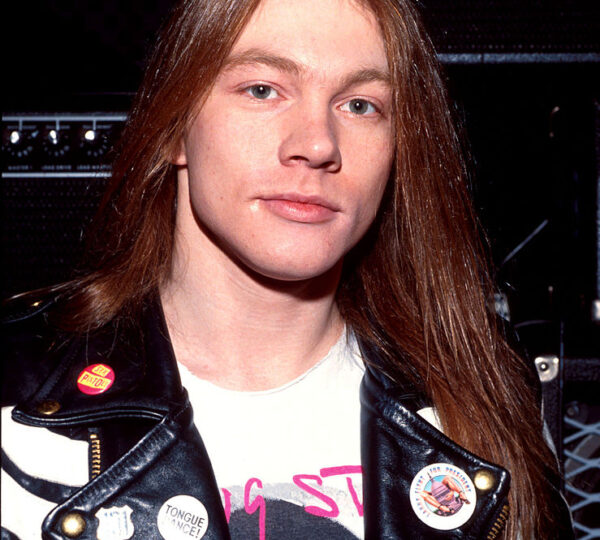
Incidents included classmates taping his mouth shut and shoving him into lockers. Despite ridicule, he maintained his ambition:

“No, you watch, I’m going to make it,” he reportedly told doubting teammates on his cross-country team.

In his late teens, he was diagnosed with bipolar disorder, which helped explain some of his rebellious behavior and emotional volatility.

The Early Spark of Music

Music became a sanctuary from the chaos of his home life. By age five, Rose was singing in the church choir and performing with his siblings in the Bailey Trio.

He also studied piano and joined school choruses. Teachers described him as intelligent, charismatic, and a natural leader — traits that would later define his onstage presence:

“Very intelligent, very personable, always had a smile. If you weren’t careful, he’d take the classroom away from you,” recalled one fifth-grade teacher.

By age 17, after learning more about his biological father and confronting the trauma of his childhood, Rose rejected the rules and norms he had been raised under.

This period was marked by arrests — over 20 — and multiple jail stints of up to three months.

Facing the threat of habitual offender charges, he moved to Los Angeles in December 1982 to pursue a music career, leaving behind the restrictive confines of Indiana.

Rise to Rock Stardom: Guns N’ Roses

In Los Angeles, Rose immersed himself in the music of the 1970s — Queen, Aerosmith, Elton John — and formed a band called AXL.

Friends suggested the stage name “Axl Rose,” which he later legally adopted, incorporating the surname of his biological father.

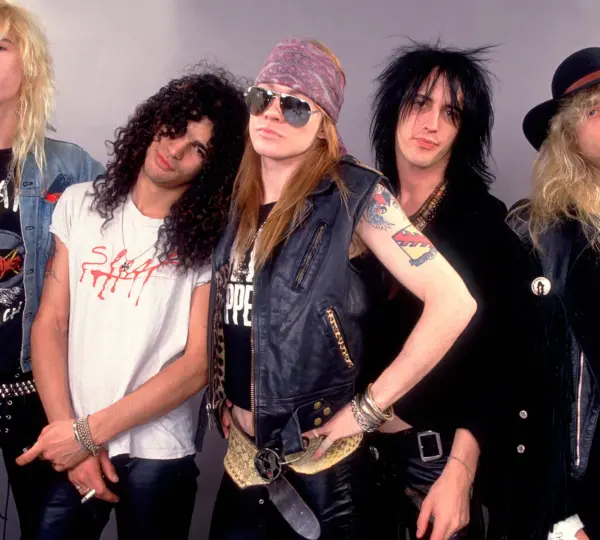
By March 1985, Guns N’ Roses was officially formed when Axl joined forces with guitarist Izzy Stradlin from Hollywood Rose and other musicians from L.A. Guns, including Tracii Guns, Ole Beich, and Rob Gardner.

The classic lineup that would define rock history later emerged: Axl Rose (vocals), Slash (lead guitar), Izzy Stradlin (rhythm guitar), Duff McKagan (bass), and Steven Adler (drums).

The band’s debut album, Appetite for Destruction, released in July 1987, initially sold around 500,000 copies in its first year.

But relentless touring, underground buzz, and the breakout single Sweet Child o’ Mine catapulted the album to the top of the charts.

Today, it has sold over 30 million copies worldwide, including 18 million in the U.S., making it the best-selling debut album in American history.

Axl’s voice — wide-ranging and powerful — combined with his magnetic stage persona, energy, and unpredictability, established him as a rock icon unlike any other.

His performances were explosive, blending raw emotion, technical skill, and theatrical intensity.

Chaos, Controversy, and Evolution

Fame brought both opportunity and turbulence. The late 1980s and 1990s were characterized by band conflicts, lawsuits, public feuds, and headline-grabbing controversies.
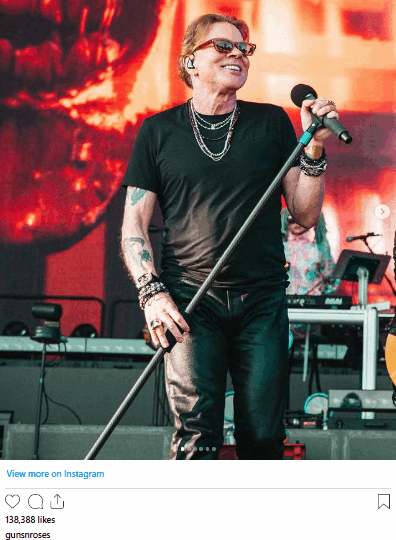
Rose’s perfectionism and volatile temper became legendary. Infamous incidents include the 1991 St. Louis concert riot, triggered when he attempted to stop a fan from filming, which resulted in arrests and lawsuits.

Despite the chaos, Rose evolved as an artist. He navigated lineup changes, legal disputes, and public criticism, while continuously refining his craft.

Therapy and introspection helped him address patterns of destructive behavior developed during his youth:

“I was told that my mental circuitry was all twisted … in terms of how I would deal with stress because of what happened to me back in Indiana,” he said.

“Basically I would overload with the stress of a situation … by smashing whatever was around me.”

Personal Life and Relationships

Axl Rose has been intensely private about his personal life. His early relationships were turbulent, most notably with Erin Everly.

The couple married in 1986, but their relationship ended in annulment by January 1991 following reports of emotional and physical abuse, as well as a miscarriage.

Rose channeled his personal pain into songwriting, producing enduring rock anthems.

Rose has publicly stated that he did not want children due to career demands but expressed a desire that a son, if he had one, could share his experiences and learn from his journey.

Over the years, he has remained protective of both his music and his legacy.

He eventually reunited Guns N’ Roses for major stadium tours, performing classic albums in full for adoring audiences worldwide.

Legacy and Impact

Widely regarded as one of the greatest rock singers of all time, Axl Rose was inducted into the Rock and Roll Hall of Fame in 2012 with Guns N’ Roses — though, in characteristic fashion, he declined to attend the ceremony.

His ability to transform childhood trauma into musical expression, anger into creativity, and adversity into a driving force has defined his career.

From the troubled streets of Lafayette to the world’s largest stages, Axl Rose’s story embodies resilience, artistry, and determination.

Love, heartbreak, fame, legal battles, and unforgettable performances — he has experienced it all, proving that even the darkest beginnings can produce a star that burns brighter than anyone imagined.

Notable Career Highlights

Debut Album: Appetite for Destruction (1987), over 30 million copies sold worldwide.

Signature Songs: Sweet Child o’ Mine, Welcome to the Jungle, Paradise City.

Hall of Fame: Inducted with Guns N’ Roses in 2012.
Influence: Recognized for his wide vocal range, stage presence, and rebellious persona that influenced countless rock artists.

Tours: Led Guns N’ Roses through global stadium tours, often performing classic albums in full.

William Bruce Rose, known today as Axl Rose, was born William Bruce Bailey on February 6, 1962, in Lafayette, Indiana.

His mother, Constance Rose, was only 16 at the time, while his biological father was 20 — later described as a “troubled and charismatic local delinquent.”

The couple separated when William was around two years old. Shortly thereafter, his father allegedly abducted him and subjected him to abuse before disappearing from Lafayette.

He never reconnected with his biological father as an adult; the elder man was murdered in 1984 in Marion, Illinois.

Following her remarriage to Stephen L. Bailey, William’s name was legally changed to William Bruce Bailey, and until he was 17, he believed Bailey was his real father.

Life in the Bailey household was highly religious, strict, and at times oppressive.

The family attended a Pentecostal church multiple times a week, and William even taught Sunday school. He described his upbringing as suffocating:

“We’d have televisions one week, then my stepdad would throw them out because they were Satanic… Women were evil. Everything was evil.”

Rose has openly stated that he felt both physically and emotionally abused by his stepfather.

In one story, he recalled singing along to Barry Manilow’s Mandy on the radio only to be cuffed because the song was considered “evil.”

Compounding this, he felt rejected by his mother, believing she stood by as the abuse happened:

“I’ve been doing a lot of work and found out that I’ve had a lot of hatred for women.

Basically, I’ve been rejected by my mother since I was a baby,” he told Rolling Stone. “She picked my stepfather over me ever since he was around and watched me get beaten by him.

She stood back most of the time. Unless it got too bad, and then she’d come and hold you afterward. She wasn’t there for me.”

School offered little relief. By eighth grade, he had already developed a tough attitude to defend himself against bullying.

Incidents included classmates taping his mouth shut and shoving him into lockers. Despite ridicule, he maintained his ambition:

“No, you watch, I’m going to make it,” he reportedly told doubting teammates on his cross-country team.

In his late teens, he was diagnosed with bipolar disorder, which helped explain some of his rebellious behavior and emotional volatility.

The Early Spark of Music

Music became a sanctuary from the chaos of his home life. By age five, Rose was singing in the church choir and performing with his siblings in the Bailey Trio.

He also studied piano and joined school choruses. Teachers described him as intelligent, charismatic, and a natural leader — traits that would later define his onstage presence:

“Very intelligent, very personable, always had a smile. If you weren’t careful, he’d take the classroom away from you,” recalled one fifth-grade teacher.

By age 17, after learning more about his biological father and confronting the trauma of his childhood, Rose rejected the rules and norms he had been raised under.

This period was marked by arrests — over 20 — and multiple jail stints of up to three months.

Facing the threat of habitual offender charges, he moved to Los Angeles in December 1982 to pursue a music career, leaving behind the restrictive confines of Indiana.

Rise to Rock Stardom: Guns N’ Roses

In Los Angeles, Rose immersed himself in the music of the 1970s — Queen, Aerosmith, Elton John — and formed a band called AXL.

Friends suggested the stage name “Axl Rose,” which he later legally adopted, incorporating the surname of his biological father.

By March 1985, Guns N’ Roses was officially formed when Axl joined forces with guitarist Izzy Stradlin from Hollywood Rose and other musicians from L.A. Guns, including Tracii Guns, Ole Beich, and Rob Gardner.

The classic lineup that would define rock history later emerged: Axl Rose (vocals), Slash (lead guitar), Izzy Stradlin (rhythm guitar), Duff McKagan (bass), and Steven Adler (drums).

The band’s debut album, Appetite for Destruction, released in July 1987, initially sold around 500,000 copies in its first year.

But relentless touring, underground buzz, and the breakout single Sweet Child o’ Mine catapulted the album to the top of the charts.

Today, it has sold over 30 million copies worldwide, including 18 million in the U.S., making it the best-selling debut album in American history.

Axl’s voice — wide-ranging and powerful — combined with his magnetic stage persona, energy, and unpredictability, established him as a rock icon unlike any other.

His performances were explosive, blending raw emotion, technical skill, and theatrical intensity.

Chaos, Controversy, and Evolution

Fame brought both opportunity and turbulence. The late 1980s and 1990s were characterized by band conflicts, lawsuits, public feuds, and headline-grabbing controversies.

Rose’s perfectionism and volatile temper became legendary. Infamous incidents include the 1991 St. Louis concert riot, triggered when he attempted to stop a fan from filming, which resulted in arrests and lawsuits.

Despite the chaos, Rose evolved as an artist. He navigated lineup changes, legal disputes, and public criticism, while continuously refining his craft.

Therapy and introspection helped him address patterns of destructive behavior developed during his youth:

“I was told that my mental circuitry was all twisted … in terms of how I would deal with stress because of what happened to me back in Indiana,” he said.

“Basically I would overload with the stress of a situation … by smashing whatever was around me.”

Personal Life and Relationships

Axl Rose has been intensely private about his personal life. His early relationships were turbulent, most notably with Erin Everly.

The couple married in 1986, but their relationship ended in annulment by January 1991 following reports of emotional and physical abuse, as well as a miscarriage.

Rose channeled his personal pain into songwriting, producing enduring rock anthems.

Rose has publicly stated that he did not want children due to career demands but expressed a desire that a son, if he had one, could share his experiences and learn from his journey.

Over the years, he has remained protective of both his music and his legacy.

He eventually reunited Guns N’ Roses for major stadium tours, performing classic albums in full for adoring audiences worldwide.

Legacy and Impact

Widely regarded as one of the greatest rock singers of all time, Axl Rose was inducted into the Rock and Roll Hall of Fame in 2012 with Guns N’ Roses — though, in characteristic fashion, he declined to attend the ceremony.

His ability to transform childhood trauma into musical expression, anger into creativity, and adversity into a driving force has defined his career.

From the troubled streets of Lafayette to the world’s largest stages, Axl Rose’s story embodies resilience, artistry, and determination.

Love, heartbreak, fame, legal battles, and unforgettable performances — he has experienced it all, proving that even the darkest beginnings can produce a star that burns brighter than anyone imagined.

Notable Career Highlights

Debut Album: Appetite for Destruction (1987), over 30 million copies sold worldwide.

Signature Songs: Sweet Child o’ Mine, Welcome to the Jungle, Paradise City.

Hall of Fame: Inducted with Guns N’ Roses in 2012.

Influence: Recognized for his wide vocal range, stage presence, and rebellious persona that influenced countless rock artists.

Tours: Led Guns N’ Roses through global stadium tours, often performing classic albums in full.