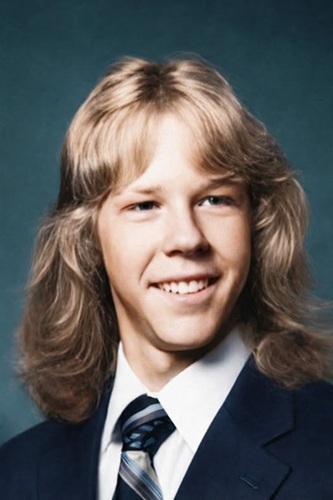
From Childhood Dreams to Rock Fame: Guess the Legendary Musician
James Hetfield is widely recognized as one of the most influential figures in the world of heavy metal, a musician whose creative vision.
And uncompromising authenticity helped transform Metallica into a global phenomenon.
His work as lead vocalist, rhythm guitarist, and primary songwriter has not only defined the sound of one of the most successful metal bands in history but has also left an indelible mark on generations of fans and musicians alike.
Behind the thunderous riffs, blistering solos, and raw lyrics, however, lies a life shaped by profound hardship, personal struggle, and a relentless pursuit of artistic expression.
Early Life and Personal Hardship
Born on August 3, 1963, in Downey, California, James Alan Hetfield experienced early trauma that would later inform much of his creative work.
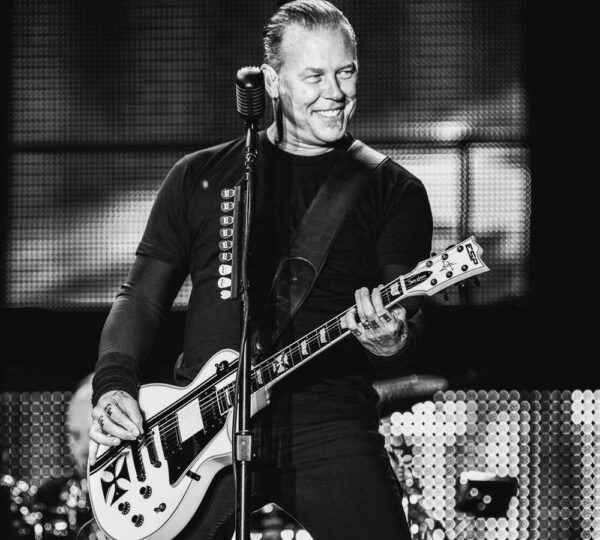
The son of Cynthia Bassett and Virgil Hetfield, he lost his father to health complications when James was only 13 years old.
The death of his father was devastating, leaving a void that music would come to fill. Adding to the challenges, he also endured the complexities of a strict household and the difficulties of growing up in an environment that demanded resilience from a young age.
The impact of these formative experiences cannot be overstated; they provided both the emotional depth and the raw material that would later shape his lyrics and artistic expression.
Music quickly became a refuge for Hetfield. As a teenager, he discovered the guitar, pouring himself into playing and songwriting as a means of processing grief, anger, and confusion.
These early musical explorations allowed him to channel emotions he otherwise could not articulate, and they laid the groundwork for a career defined by both technical skill and emotional honesty.
Hetfield has often described music as not only an outlet but as a form of therapy—a tool to navigate the complexities of life and to transform pain into purpose.
The Formation of Metallica and Early Career
In 1981, Hetfield co-founded Metallica alongside drummer Lars Ulrich, marking the beginning of a partnership that would become one of the most enduring in rock history.
The band quickly gained attention in the underground metal scene for their aggressive style, intricate compositions, and relentless energy.
From the beginning, Hetfield’s songwriting and guitar work became the backbone of Metallica’s sound.
His distinctive rhythm playing, characterized by precise palm-muted riffs and percussive power chords, provided the structure for the band’s evolving soundscapes.
The early albums, Kill ‘Em All (1983) and Ride the Lightning (1984), introduced fans to a style that blended speed, aggression, and melodic sophistication.
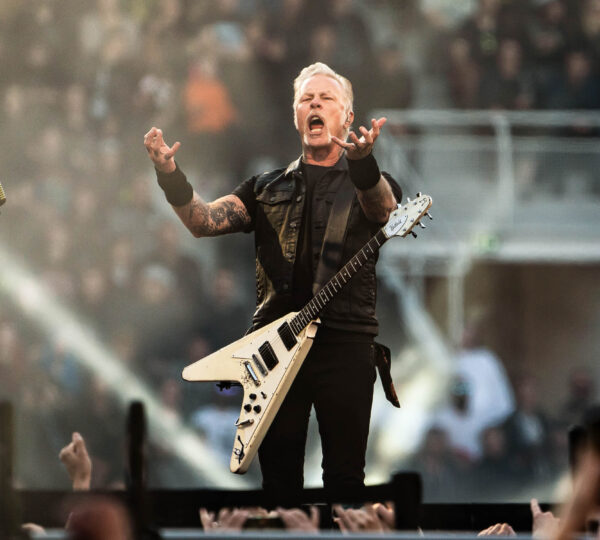
Hetfield’s lyrics, often inspired by personal struggles and societal issues, resonated deeply with listeners. He tackled themes of fear, loss, isolation, and anger, reflecting both his own experiences and universal human emotions.
This combination of musical intensity and lyrical honesty quickly set Metallica apart from their contemporaries and established Hetfield as a compelling creative force.
Breaking Boundaries and Defining Heavy Metal
By the mid-1980s, Metallica had released Master of Puppets (1986), an album widely regarded as a masterpiece of heavy metal.
Hetfield’s songwriting was central to its success, balancing complex narratives with crushingly powerful riffs.
The album explored themes of control, addiction, and personal struggle, capturing the raw energy and darker undercurrents of human experience.
Tragically, the band’s trajectory was marked by loss when bassist Cliff Burton died in a tour bus accident in 1986. Hetfield and his bandmates navigated profound grief while continuing to evolve musically, further solidifying their resilience and dedication to their craft.
The release of …And Justice for All (1988) saw Hetfield pushing the band’s sound in new directions, incorporating intricate song structures and extended compositions.
His lyrics tackled political injustice, corruption, and personal frustration, establishing Metallica not just as entertainers but as commentators on society.
The band’s growing reputation for musicianship and depth brought them international acclaim, and Hetfield’s leadership as both vocalist and songwriter was central to their rise.
The turning point came with Metallica (1991), popularly known as The Black Album. This release introduced the band to a wider, global audience, thanks to a more polished production, slower tempos, and accessible songwriting without sacrificing the intensity that had defined their earlier work.
Tracks like “Enter Sandman,” “The Unforgiven,” and “Nothing Else Matters” showcased Hetfield’s ability to balance aggression with melody, combining raw power with emotional resonance.
The album became one of the best-selling metal records of all time and cemented Metallica’s status as a household name.
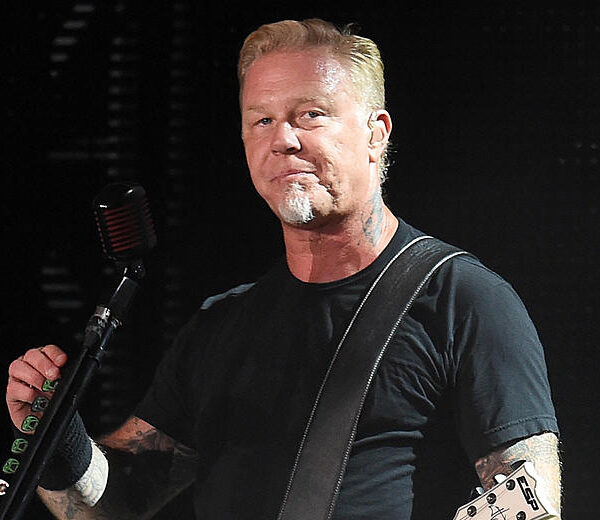
Personal Struggles Behind the Spotlight
Despite professional success, Hetfield’s personal life was fraught with challenges. Years of relentless touring, the pressure to perform, and the demands of being at the center of a global music phenomenon took a toll.
He openly struggled with substance abuse and anger management, battles that were compounded by the stress of fame and the emotional scars of his early life.
In 2001, Hetfield entered rehabilitation for alcohol addiction, a decision that marked a critical turning point in his personal and professional life.
This period of recovery was both private and public, as the band’s internal struggles were documented in the 2004 film Metallica: Some Kind of Monster.
The documentary offered an unprecedented look at the band’s interpersonal conflicts, creative tensions, and Hetfield’s personal journey toward accountability.
Viewers witnessed Hetfield confronting his vulnerabilities, seeking therapy, and rebuilding trust with his bandmates, all of which humanized a figure often perceived only as a larger-than-life rock star.
Hetfield’s willingness to face his issues openly was widely praised. It highlighted the importance of self-awareness, the courage required to change, and the reality that even iconic figures must confront personal demons.
Through this process, Hetfield demonstrated resilience and emotional intelligence, showing that true strength often comes not from dominance or invincibility, but from confronting one’s own weaknesses and seeking growth.
Legacy, Influence, and Artistic Philosophy
Over more than four decades in music, Hetfield has become a symbol of perseverance, artistic integrity, and authenticity.
His contributions to heavy metal are immense: he helped define Metallica’s sound, pushed the genre’s boundaries, and influenced countless musicians worldwide.
His songwriting often blends introspection with broader societal commentary, addressing themes of addiction, grief, loss, and personal accountability.
Hetfield’s influence is evident not only in Metallica’s music but in the countless bands inspired by their work. He has consistently emphasized honesty in artistic expression, advocating for music that reflects genuine human experience rather than commercial trends.

In interviews, he has frequently described songwriting as a form of catharsis, a way to process emotion, and a means of connecting with listeners on a deep level. This philosophy has been a cornerstone of his enduring appeal.
Moreover, Hetfield’s evolution as a person and artist exemplifies the power of reinvention and personal growth. He has navigated immense pressures, life-altering events, and the constant scrutiny that comes with fame while maintaining his commitment to music and personal well-being.
His story underscores that resilience is as much about emotional maturity and self-reflection as it is about technical skill or professional success.
Life Beyond Music
While Hetfield is most celebrated for his contributions to Metallica, his life outside the band also reflects his character and priorities.
He is a devoted family man, married to Francesca Hetfield since 1997, with whom he has three children. He often cites family as a grounding force, providing perspective and stability amid the chaos of touring and public life.
This balance has contributed to his ability to sustain a long career in a notoriously challenging industry.
Hetfield is also known for his interests outside music, including motorcycling and conservation.
These pursuits reflect his commitment to personal growth, leisure, and engagement with the world beyond the stage. Such activities have helped him maintain focus, manage stress, and foster creativity, illustrating that even iconic figures require outlets and hobbies to sustain well-being.
Enduring Impact and Cultural Significance
James Hetfield’s story is not merely one of fame and musical innovation; it is a narrative of resilience, authenticity, and the transformative power of art.
He has shown that creativity can be both a refuge and a platform, that personal hardship can fuel artistic expression, and that growth is possible at any stage of life.
Through his work, Hetfield has inspired generations of fans to embrace honesty, confront challenges, and pursue their passions with intensity and integrity.
Metallica’s continued relevance, decades after their formation, is a testament to Hetfield’s leadership and vision.
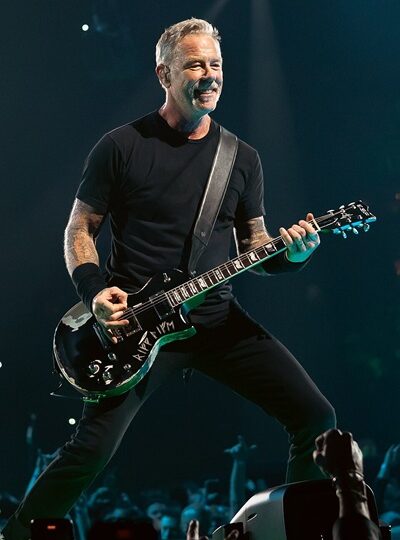
He has navigated changes in the music industry, shifts in audience tastes, and the evolution of technology with adaptability and strategic insight.
His ability to reinvent, evolve, and remain authentic has ensured that both he and the band continue to resonate with fans worldwide.
Conclusion: A Legacy of Strength, Authenticity, and Growth
James Hetfield remains more than a rock star; he is an enduring symbol of resilience, artistic dedication, and personal transformation.
From a childhood marked by loss to the heights of global fame, he has navigated adversity with courage and honesty, transforming personal pain into music that connects across generations.
His journey reflects the power of self-awareness, the importance of accountability, and the capacity for reinvention.
Through his evolution, Hetfield demonstrates that legacy is not only built on accolades or album sales, but on integrity, perseverance, and the authenticity that informs every note and lyric.
Today, he stands as a figure who embodies the essence of heavy metal while also representing the universal human story of struggle, growth, and triumph.
James Hetfield’s life and career are a testament to the enduring power of strength, honesty, and the art of turning hardship into a lasting, meaningful legacy.
James Hetfield is widely recognized as one of the most influential figures in the world of heavy metal, a musician whose creative vision.
And uncompromising authenticity helped transform Metallica into a global phenomenon.
His work as lead vocalist, rhythm guitarist, and primary songwriter has not only defined the sound of one of the most successful metal bands in history but has also left an indelible mark on generations of fans and musicians alike.
Behind the thunderous riffs, blistering solos, and raw lyrics, however, lies a life shaped by profound hardship, personal struggle, and a relentless pursuit of artistic expression.
Early Life and Personal Hardship
Born on August 3, 1963, in Downey, California, James Alan Hetfield experienced early trauma that would later inform much of his creative work.
The son of Cynthia Bassett and Virgil Hetfield, he lost his father to health complications when James was only 13 years old.
The death of his father was devastating, leaving a void that music would come to fill. Adding to the challenges, he also endured the complexities of a strict household and the difficulties of growing up in an environment that demanded resilience from a young age.
The impact of these formative experiences cannot be overstated; they provided both the emotional depth and the raw material that would later shape his lyrics and artistic expression.
Music quickly became a refuge for Hetfield. As a teenager, he discovered the guitar, pouring himself into playing and songwriting as a means of processing grief, anger, and confusion.
These early musical explorations allowed him to channel emotions he otherwise could not articulate, and they laid the groundwork for a career defined by both technical skill and emotional honesty.
Hetfield has often described music as not only an outlet but as a form of therapy—a tool to navigate the complexities of life and to transform pain into purpose.
The Formation of Metallica and Early Career
In 1981, Hetfield co-founded Metallica alongside drummer Lars Ulrich, marking the beginning of a partnership that would become one of the most enduring in rock history.
The band quickly gained attention in the underground metal scene for their aggressive style, intricate compositions, and relentless energy.
From the beginning, Hetfield’s songwriting and guitar work became the backbone of Metallica’s sound.
His distinctive rhythm playing, characterized by precise palm-muted riffs and percussive power chords, provided the structure for the band’s evolving soundscapes.
The early albums, Kill ‘Em All (1983) and Ride the Lightning (1984), introduced fans to a style that blended speed, aggression, and melodic sophistication.
Hetfield’s lyrics, often inspired by personal struggles and societal issues, resonated deeply with listeners. He tackled themes of fear, loss, isolation, and anger, reflecting both his own experiences and universal human emotions.
This combination of musical intensity and lyrical honesty quickly set Metallica apart from their contemporaries and established Hetfield as a compelling creative force.
Breaking Boundaries and Defining Heavy Metal
By the mid-1980s, Metallica had released Master of Puppets (1986), an album widely regarded as a masterpiece of heavy metal.
Hetfield’s songwriting was central to its success, balancing complex narratives with crushingly powerful riffs.
The album explored themes of control, addiction, and personal struggle, capturing the raw energy and darker undercurrents of human experience.
Tragically, the band’s trajectory was marked by loss when bassist Cliff Burton died in a tour bus accident in 1986. Hetfield and his bandmates navigated profound grief while continuing to evolve musically, further solidifying their resilience and dedication to their craft.
The release of …And Justice for All (1988) saw Hetfield pushing the band’s sound in new directions, incorporating intricate song structures and extended compositions.
His lyrics tackled political injustice, corruption, and personal frustration, establishing Metallica not just as entertainers but as commentators on society.
The band’s growing reputation for musicianship and depth brought them international acclaim, and Hetfield’s leadership as both vocalist and songwriter was central to their rise.
The turning point came with Metallica (1991), popularly known as The Black Album. This release introduced the band to a wider, global audience, thanks to a more polished production, slower tempos, and accessible songwriting without sacrificing the intensity that had defined their earlier work.
Tracks like “Enter Sandman,” “The Unforgiven,” and “Nothing Else Matters” showcased Hetfield’s ability to balance aggression with melody, combining raw power with emotional resonance.
The album became one of the best-selling metal records of all time and cemented Metallica’s status as a household name.
Personal Struggles Behind the Spotlight
Despite professional success, Hetfield’s personal life was fraught with challenges. Years of relentless touring, the pressure to perform, and the demands of being at the center of a global music phenomenon took a toll.
He openly struggled with substance abuse and anger management, battles that were compounded by the stress of fame and the emotional scars of his early life.
In 2001, Hetfield entered rehabilitation for alcohol addiction, a decision that marked a critical turning point in his personal and professional life.
This period of recovery was both private and public, as the band’s internal struggles were documented in the 2004 film Metallica: Some Kind of Monster.
The documentary offered an unprecedented look at the band’s interpersonal conflicts, creative tensions, and Hetfield’s personal journey toward accountability.
Viewers witnessed Hetfield confronting his vulnerabilities, seeking therapy, and rebuilding trust with his bandmates, all of which humanized a figure often perceived only as a larger-than-life rock star.
Hetfield’s willingness to face his issues openly was widely praised. It highlighted the importance of self-awareness, the courage required to change, and the reality that even iconic figures must confront personal demons.
Through this process, Hetfield demonstrated resilience and emotional intelligence, showing that true strength often comes not from dominance or invincibility, but from confronting one’s own weaknesses and seeking growth.
Legacy, Influence, and Artistic Philosophy
Over more than four decades in music, Hetfield has become a symbol of perseverance, artistic integrity, and authenticity.
His contributions to heavy metal are immense: he helped define Metallica’s sound, pushed the genre’s boundaries, and influenced countless musicians worldwide.
His songwriting often blends introspection with broader societal commentary, addressing themes of addiction, grief, loss, and personal accountability.
Hetfield’s influence is evident not only in Metallica’s music but in the countless bands inspired by their work. He has consistently emphasized honesty in artistic expression, advocating for music that reflects genuine human experience rather than commercial trends.
In interviews, he has frequently described songwriting as a form of catharsis, a way to process emotion, and a means of connecting with listeners on a deep level. This philosophy has been a cornerstone of his enduring appeal.
Moreover, Hetfield’s evolution as a person and artist exemplifies the power of reinvention and personal growth. He has navigated immense pressures, life-altering events, and the constant scrutiny that comes with fame while maintaining his commitment to music and personal well-being.
His story underscores that resilience is as much about emotional maturity and self-reflection as it is about technical skill or professional success.
Life Beyond Music
While Hetfield is most celebrated for his contributions to Metallica, his life outside the band also reflects his character and priorities.
He is a devoted family man, married to Francesca Hetfield since 1997, with whom he has three children. He often cites family as a grounding force, providing perspective and stability amid the chaos of touring and public life.
This balance has contributed to his ability to sustain a long career in a notoriously challenging industry.
Hetfield is also known for his interests outside music, including motorcycling and conservation.
These pursuits reflect his commitment to personal growth, leisure, and engagement with the world beyond the stage. Such activities have helped him maintain focus, manage stress, and foster creativity, illustrating that even iconic figures require outlets and hobbies to sustain well-being.
Enduring Impact and Cultural Significance
James Hetfield’s story is not merely one of fame and musical innovation; it is a narrative of resilience, authenticity, and the transformative power of art.
He has shown that creativity can be both a refuge and a platform, that personal hardship can fuel artistic expression, and that growth is possible at any stage of life.
Through his work, Hetfield has inspired generations of fans to embrace honesty, confront challenges, and pursue their passions with intensity and integrity.
Metallica’s continued relevance, decades after their formation, is a testament to Hetfield’s leadership and vision.
He has navigated changes in the music industry, shifts in audience tastes, and the evolution of technology with adaptability and strategic insight.
His ability to reinvent, evolve, and remain authentic has ensured that both he and the band continue to resonate with fans worldwide.
Conclusion: A Legacy of Strength, Authenticity, and Growth
James Hetfield remains more than a rock star; he is an enduring symbol of resilience, artistic dedication, and personal transformation.
From a childhood marked by loss to the heights of global fame, he has navigated adversity with courage and honesty, transforming personal pain into music that connects across generations.
His journey reflects the power of self-awareness, the importance of accountability, and the capacity for reinvention.
Through his evolution, Hetfield demonstrates that legacy is not only built on accolades or album sales, but on integrity, perseverance, and the authenticity that informs every note and lyric.
Today, he stands as a figure who embodies the essence of heavy metal while also representing the universal human story of struggle, growth, and triumph.
James Hetfield’s life and career are a testament to the enduring power of strength, honesty, and the art of turning hardship into a lasting, meaningful legacy.


