
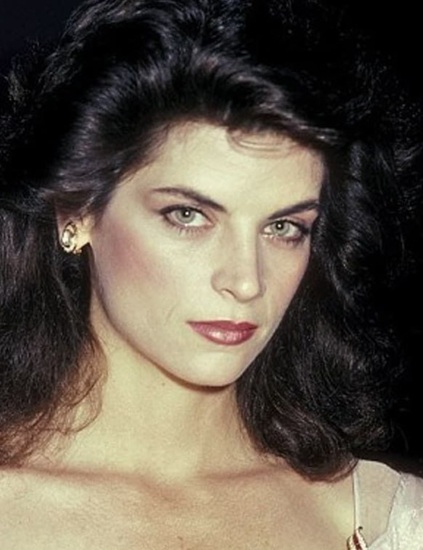
Pamela Anderson’s arrival on the Baywatch set in 1992 marked a defining turning point in television history, as she stepped into the role of C.J. Parker, instantly transforming both the show’s image and its cultural impact.
The casting of Anderson wasn’t simply another addition to the ensemble. Producers quickly recognized her magnetic screen presence, combining natural beauty, charisma, and approachability, which elevated the show’s profile and attracted audiences beyond traditional American television viewers.
From her very first scenes, Anderson’s confident performance infused Baywatch with an energy previously unseen. The now-iconic red swimsuit became synonymous not only with her character but with the show’s global brand identity.
Behind the glamour, filming was extremely demanding. Actors worked long hours under the intense California sun, contending with scorching temperatures, crashing waves, and physically strenuous lifeguard sequences, all while maintaining a polished and camera-ready appearance.
Castmates often noted Anderson’s professionalism. Despite her rising celebrity status, she approached each scene with dedication, practicing lifeguard stunts, perfecting her timing, and demonstrating unwavering focus amid unpredictable weather conditions and complex filming schedules.

Her commitment extended beyond physical performance. Anderson studied the lifeguard role in depth, learning realistic rescue techniques to add authenticity to her portrayal of C.J., which helped audiences connect with the character beyond superficial glamour.
Anderson’s chemistry with co-stars like David Hasselhoff and Yasmine Bleeth created a compelling ensemble dynamic. Onscreen relationships, friendly banter, and emotional interactions gave Baywatch narrative depth beyond the series’ signature slow-motion beach sequences.
The character of C.J. Parker evolved over time into a symbol of confidence, empathy, and resilience. Anderson imbued her with a warmth that balanced both the show’s dramatic elements and its playful, entertainment-driven appeal.
Viewers responded immediately. International audiences were captivated not only by her looks but by her ability to portray a lifeguard as a relatable, three-dimensional character, contributing to Baywatch’s rise as a global phenomenon.
Anderson’s popularity had measurable impact on ratings. The series, once modestly successful, expanded into worldwide syndication, airing in over 140 countries, and cementing Baywatch as one of the most watched television shows of the 1990s.
The role of C.J. Parker also had significant merchandising and promotional impact. Posters, calendars, video games, and other branded merchandise capitalized on Anderson’s star power, creating a multi-faceted franchise that reached far beyond traditional television.

Behind the scenes, Anderson’s presence influenced production decisions. Directors and writers began developing storylines that emphasized her character’s strengths, giving C.J. meaningful arcs that highlighted courage, loyalty, and personal growth.
Her athleticism was central to her performance. Anderson trained rigorously to execute swim sequences, lifeguard rescues, and beach athletic scenes, maintaining stamina during multiple takes while appearing effortless and natural on camera.
Costume design also became iconic. The red one-piece swimsuit, chosen for its visual impact and streamlined silhouette, transformed Anderson into a recognizable symbol of 1990s pop culture, later appearing in countless parodies and tributes.
Anderson’s portrayal blended beauty with humor and authenticity. Scenes often showcased her character’s playful interactions with colleagues and community members, adding a human touch that resonated with viewers and enhanced storytelling.
Critics noted that her work elevated Baywatch beyond simple beach entertainment. Anderson’s ability to deliver emotional beats with sincerity, combined with action-driven sequences, created a balance that made the show appealing across multiple demographics.
Her fame spread internationally. Media outlets across Europe, Asia, and Latin America featured Anderson in interviews, magazine covers, and television appearances, further cementing her global recognition and expanding Baywatch’s reach far beyond the United States.
The cultural impact of Anderson’s role extended into fashion and beauty trends. Hairstyles, makeup styles, and athletic swimwear emulated by fans reflected the aspirational qualities associated with her character, reinforcing C.J.’s influence on 1990s pop culture.
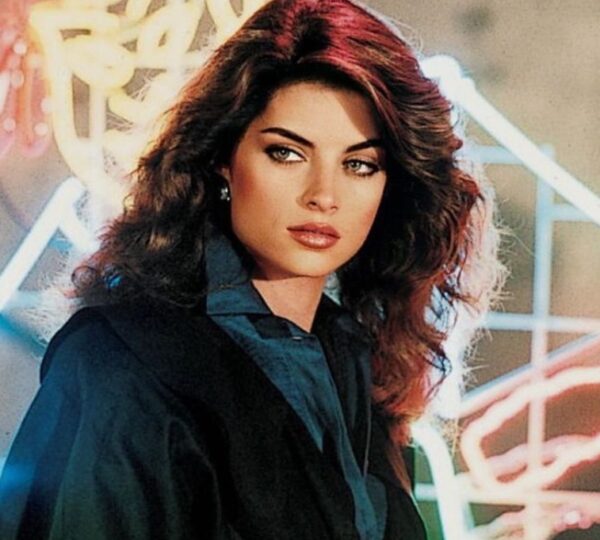
Anderson’s dedication to the character also inspired colleagues. Cast and crew frequently cited her focus, punctuality, and preparedness as exemplary, encouraging a professional environment that balanced rigorous production schedules with creative expression.
C.J. Parker’s popularity also shaped storylines centered on women’s empowerment. Anderson’s performance encouraged writers to depict her character as competent, assertive, and emotionally intelligent, balancing physical heroics with personal narrative depth.
The show’s emphasis on teamwork was amplified by Anderson’s dynamic presence. Scenes involving collaborative rescues, beach patrols, and emergencies underscored the importance of camaraderie, trust, and mutual support among Baywatch’s fictional lifeguards.
Anderson’s celebrity status rapidly grew beyond Baywatch. Public appearances, interviews, and endorsements leveraged her fame, allowing her to engage in philanthropy, fashion collaborations, and charity events while maintaining her identity as both actress and cultural icon.
Her role also influenced media representation of women in action-oriented television. By portraying a lifeguard who was both attractive and capable, Anderson helped redefine expectations for female characters in adventure-driven narratives.
The synergy between Anderson and Baywatch’s signature elements—slow-motion beach runs, dramatic rescues, and episodic storylines—created a template emulated in numerous international adaptations and reality-based entertainment programs in subsequent decades.
Over the years, C.J. Parker became a touchstone for 1990s nostalgia. Fan conventions, online forums, and social media groups celebrated Anderson’s impact, discussing both her performance and the broader cultural resonance of Baywatch.
Anderson’s professionalism remained consistent even as the series expanded. She embraced the challenges of international shoots, cross-cultural promotions, and demanding fan engagements while staying committed to the integrity of her work on screen.

Beyond entertainment, Anderson also engaged in advocacy. Her fame provided a platform to raise awareness for health, animal rights, and humanitarian causes, demonstrating that her influence extended beyond acting into meaningful public engagement.
The longevity of Anderson’s legacy is notable. Decades later, her portrayal of C.J. Parker continues to be referenced in television history, media retrospectives, and popular culture analyses, highlighting her enduring relevance and iconic status.
Anderson’s impact is not only cultural but professional. Young actors and performers cite her dedication and versatility as an example of how commitment to craft can elevate both character and show to international prominence.
C.J. Parker’s role became emblematic of the 1990s television aesthetic—sun-soaked, action-driven, and visually striking—yet grounded by authentic performance, demonstrating Anderson’s ability to harmonize spectacle with sincerity.
Anderson’s approach combined physicality, emotion, and comedic timing. Her scenes required precise choreography and coordination, ensuring safety while maintaining cinematic appeal, an often-overlooked aspect of her contribution to the show’s success.
The global fascination with Anderson extended into merchandising, fan art, and media commentary. Posters, calendars, and costume replicas fueled both nostalgic interest and contemporary pop culture discussions about Baywatch’s influence.
Even post-Baywatch, Anderson’s career reflects her foundational work on the series. Film roles, television appearances, and advocacy projects all trace back to the credibility, visibility, and experience gained through her iconic role as C.J. Parker.

The show’s international syndication meant that Anderson’s portrayal reached audiences in countries with varied cultural norms, introducing global viewers to a uniquely American entertainment form while simultaneously shaping global perceptions of television aesthetics.
Anderson’s personal brand became inseparable from Baywatch. Her red swimsuit, athletic poise, and sunny California persona turned into symbols of the era, influencing fashion, media representation, and fan culture for decades to come.
Critically, Anderson demonstrated versatility within the constraints of a genre show. She delivered compelling emotional beats, executed physically demanding scenes, and maintained star presence, proving that even a highly visual character required nuanced performance.
C.J. Parker’s narrative arcs explored themes of responsibility, loyalty, and personal growth. Anderson balanced these storylines with humor and charm, ensuring the character resonated with viewers across age groups and cultures.
The lasting cultural imprint of her work includes Halloween costumes, parodies, and references in music videos, films, and television series, affirming that her portrayal remains a touchstone for 1990s pop culture enthusiasts.
Anderson’s influence on Baywatch production extended to narrative and visual style. Directors often tailored camera angles, lighting, and scene composition to highlight her performance while enhancing the show’s signature aesthetic.
Her dedication influenced cast dynamics. Co-stars reported that her commitment to preparation, memorization, and physical conditioning fostered a collaborative and professional environment on set, elevating overall performance quality.
Anderson’s work ethic and charisma contributed to Baywatch’s shift from a regional TV show to a globally syndicated phenomenon, demonstrating how individual actors can shape international perceptions of American television.
The legacy of C.J. Parker continues in media studies, retrospectives, and nostalgic programming. Scholars and fans analyze her impact on gender representation, celebrity culture, and television’s evolution during the 1990s.
Anderson’s professionalism and adaptability ensured she remained a reliable and compelling presence on set. This consistency enabled the show to thrive during long shoots, extreme weather, and challenging logistics without compromising quality.
Even decades later, Anderson’s debut is recognized as transformative. Her combination of beauty, athleticism, and expressive acting defined both her character and the series, leaving an indelible mark on television history.
Beyond entertainment, her influence extends to fashion, branding, and global media. Anderson’s embodiment of C.J. Parker remains an archetype of the confident, capable, and culturally resonant female protagonist.
Her contribution to Baywatch exemplifies the interplay between performer and narrative. Anderson’s ability to anchor episodes emotionally and physically created a balanced show that resonated with viewers worldwide.
The cultural footprint of Pamela Anderson as C.J. Parker continues to inform television production, celebrity branding, and nostalgia-driven media, illustrating the enduring power of a single, iconic performance.
Even now, over thirty years later, the image of Pamela Anderson in her red swimsuit on Baywatch remains a symbol of 1990s television, global pop culture, and professional dedication, ensuring her place in entertainment history.
