
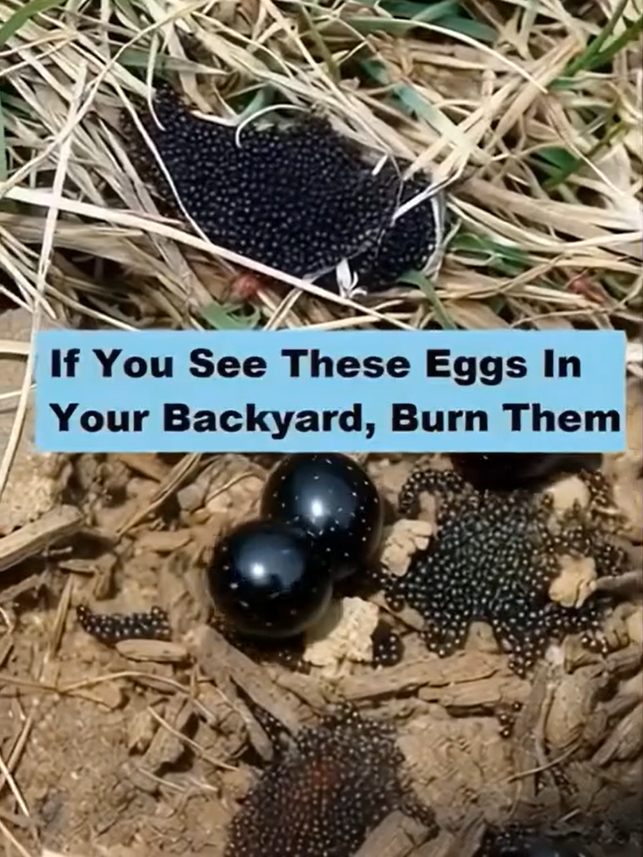
Discovering tick eggs in your backyard is not just an unsettling sight—it is a serious public health concern that requires prompt attention.
These tiny eggs, often no larger than a poppy seed, are the first stage of a tick infestation. Left unchecked, they can lead to the rapid proliferation of ticks, which are vectors for several serious diseases including Lyme disease.
Rocky Mountain Spotted Fever, ehrlichiosis, and anaplasmosis. Understanding where tick eggs are commonly found, the life cycle of ticks, and effective prevention strategies is crucial for protecting your family, pets, and the broader environment.
What Tick Eggs Look Like
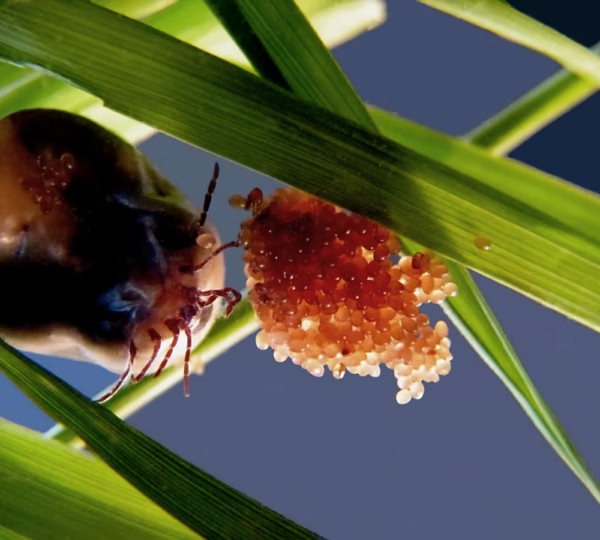
Tick eggs are extremely small and often overlooked due to their inconspicuous size. When first laid, they appear pale, almost translucent, sometimes with a slight greenish or whitish hue.
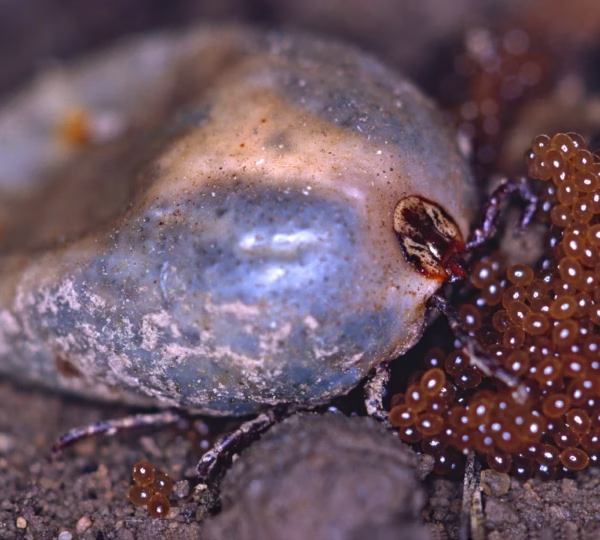
As they mature, the eggs gradually darken, making them slightly easier to identify. Most female ticks lay hundreds to thousands of eggs in clusters, often in dense, sticky clusters that adhere to surfaces such as leaves, soil, or mulch.
The size and the sheer number of eggs make early detection crucial—even a small overlooked batch can lead to hundreds of new ticks in a few weeks.
Unlike adult ticks, which are mobile and actively seek hosts, the eggs remain stationary until they hatch. This stationary phase gives homeowners a chance to intervene before a full-scale infestation develops.
Knowing what to look for and where to search can significantly reduce the risk of widespread tick populations.
Where Tick Eggs Are Commonly Found
Ticks prefer humid, shaded environments, which help prevent their eggs and newly hatched larvae from drying out. Common locations in your yard where tick eggs are often found include:
-
Leaf Litter: Piles of fallen leaves in shaded areas provide moisture and protection for tick eggs.
-
Tall Grass: Overgrown lawns or fields of long grass create hidden, humid microenvironments ideal for tick development.
-
Mulch Beds: Decorative mulch around garden beds or pathways can trap moisture, attracting egg-laying female ticks.
-
Woodpiles: Logs or firewood stacked close to the ground in damp areas can harbor both eggs and adult ticks.
-
Bushes and Shrubs: Dense undergrowth provides cover and humidity, making it a favorite spot for ticks to lay eggs.
-
Gardens with Dense Vegetation: Areas where plants are tightly packed and shaded from sunlight often retain moisture, ideal for ticks to deposit eggs.
Ticks are opportunistic. Any shaded, damp environment in your yard can become a tick nursery, particularly in regions with high humidity and moderate temperatures. Regular inspection of these areas, especially during spring and summer, is critical.
The Tick Life Cycle: Why Egg Control Is Essential
Understanding the tick life cycle emphasizes why finding and removing eggs is so important. Ticks undergo four primary stages: egg, larva, nymph, and adult.
-
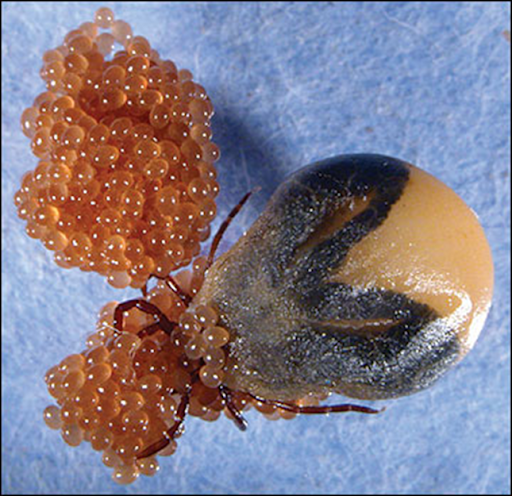
Eggs: Laid in clusters by female ticks, they hatch in 1–6 weeks depending on environmental conditions.
-
Larvae (“Seed Ticks”): Tiny, six-legged larvae emerge from eggs and immediately begin searching for a host to feed on. Larvae are extremely small, almost microscopic, and often go unnoticed.
-
Nymphs: After feeding and molting, the larvae develop into eight-legged nymphs. Nymphs are more mobile and continue to seek hosts, increasing the likelihood of disease transmission.
-
Adults: Fully grown ticks actively seek larger hosts such as deer, pets, or humans. Adult females then reproduce, laying thousands of eggs, continuing the cycle.
The entire cycle from egg to adult can take several months, depending on climate and host availability. Because of this rapid reproduction, early intervention at the egg stage is the most effective strategy to prevent infestations and reduce disease risk.
Health Risks Associated with Ticks
Ticks are not just a nuisance—they are vectors for serious illnesses. Key tick-borne diseases include:
-
Lyme Disease: Caused by Borrelia burgdorferi, it can lead to fatigue, joint pain, and neurological complications if untreated.
-
Rocky Mountain Spotted Fever: A bacterial infection transmitted by the American dog tick and others, leading to fever, rash, and severe complications if untreated.
-
Ehrlichiosis and Anaplasmosis: Often contracted through tick bites, these bacterial infections can affect blood cells and immune function.
-
Babesiosis: A parasitic infection that attacks red blood cells and can cause fever, fatigue, and hemolytic anemia.
-
Tularemia: Rare but serious, it can be transmitted by certain tick species in combination with contact with wild animals.
Because tick eggs hatch into larvae capable of carrying pathogens once they feed on infected hosts, controlling eggs before they develop into mobile ticks is critical for family and pet safety.
Safe Methods for Handling Tick Eggs
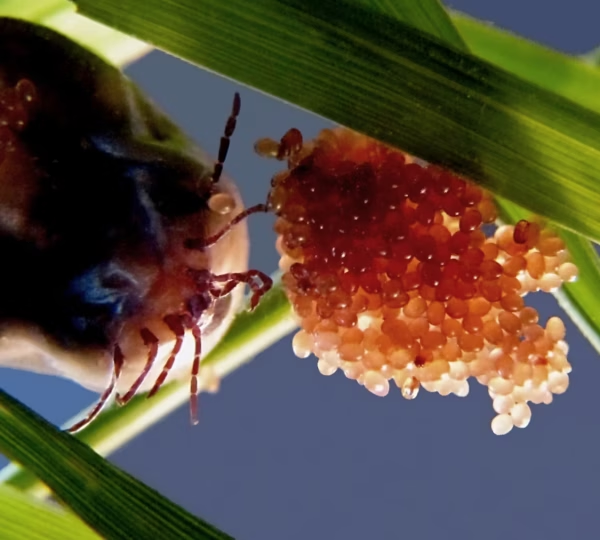
If you find tick eggs in your yard, it is important to handle them carefully:
-
Wear Gloves: Tick eggs should never be handled with bare hands. Gloves provide a protective barrier.
-
Use a Sealed Container: Carefully collect the eggs in a sealed plastic bag or container to prevent them from spreading.
-
Avoid Crushing: Crushing eggs can release pathogens or allow larvae to escape.
-
Seek Professional Advice: Contact a licensed pest control professional or your local environmental health office for guidance on safe removal and elimination.
-
Do Not Use Harsh Chemicals Without Guidance: Many pesticides can harm pets or plants if misused. Professional guidance ensures effective and safe treatment.
Tick Removal from Humans and Pets
Despite efforts to prevent them, ticks can still attach to humans or pets. Safe removal includes:
-
Use Fine-Tipped Tweezers: Grasp the tick as close to the skin’s surface as possible.
-
Pull Straight Up: Apply steady, even pressure to remove the tick without twisting or crushing.
-
Clean the Bite Area: Wash thoroughly with soap and water or apply an antiseptic.
-
Monitor for Symptoms: Watch for rash, fever, or flu-like symptoms for several weeks. Consult a medical professional if any symptoms develop.
-
Pet Safety: Check pets regularly and use veterinarian-recommended tick prevention products, including collars, spot-on treatments, or oral medications.
Yard Management and Prevention Strategies
Prevention is the most effective way to control tick populations. Key strategies include:
1. Lawn and Vegetation Management
-
Keep grass trimmed short to reduce tick habitat.
-
Remove tall weeds, brush, and overgrown plants along fence lines or pathways.
-
Trim trees and shrubs to improve sunlight exposure, which can reduce humidity favorable to ticks.
2. Removal of Leaf Litter and Debris
-
Clear leaf piles, fallen branches, and garden waste.
-
Stack firewood neatly and away from the home, ideally elevated off the ground.
-
Mulch beds should be maintained with dry, loose material rather than dense, moist piles.
3. Landscaping with Tick-Repellent Plants
Certain plants naturally deter ticks. Consider planting:
-
Lavender: Its strong scent repels ticks and mosquitoes.
-
Rosemary: Thrives in sunny areas, deterring insects.
-
Mint: Spreads easily and emits natural compounds that ticks avoid.
-
Marigolds and Chrysanthemums: Can repel some insect species including ticks.
4. Natural Repellents
-
Cedarwood oil, neem oil, and other plant-based sprays can be applied to yard perimeters.
-
Avoid indiscriminate chemical spraying, which may harm beneficial insects or pets.
5. Discouraging Wildlife
-
Remove food sources such as birdseed, pet food, or open trash that attract deer, squirrels, or rodents.
-
Consider fencing areas to limit access by wildlife known to carry ticks.
Seasonal Awareness
Ticks are most active in spring and summer, though they can survive in mild climates year-round. Early spring is critical for egg detection because females often lay eggs in late spring or early summer, and larvae emerge shortly afterward. Regular yard inspections during these months can prevent large-scale infestations before the population peaks.
Professional Pest Control Options
While homeowners can take many steps to reduce tick populations, professional pest control services can provide:
-
Targeted treatment of high-risk areas.
-
Safe application of insecticides with minimal environmental impact.
-
Recommendations for long-term tick management, including barrier sprays or tick tubes to control rodent-carried ticks.
Professional interventions are especially recommended if tick eggs are found in large clusters, if there is a history of tick-borne illness in the area, or if your property borders wooded or high-wildlife zones.
Integrated Tick Management for Families
An effective approach combines multiple strategies:
-
Yard Maintenance: Regular mowing, trimming, and debris removal.
-
Tick-Repellent Landscaping: Planting herbs and flowers that naturally deter ticks.
-
Safe Removal Practices: Using gloves and sealed containers to remove eggs.
-
Pet Protection: Vet-recommended preventative treatments and daily checks.
-
Awareness and Education: Teaching family members to recognize ticks and avoid high-risk areas.
By combining environmental management, personal protection, and professional guidance, homeowners can minimize the risk of tick-borne illness and enjoy outdoor activities safely.
Conclusion
Finding tick eggs in your yard is a warning sign that immediate action is needed. These eggs can quickly develop into a thriving population of ticks, each stage carrying the potential to spread serious diseases to humans and pets.
Early identification, careful removal, and long-term prevention strategies—including yard maintenance, tick-repelling plants, natural deterrents, and professional pest control—are key to protecting your family, pets, and property.
By taking proactive steps and staying vigilant, you can reduce the likelihood of infestation, keep your outdoor space safe, and enjoy your backyard with peace of mind. Remember, prevention is always easier, safer, and more effective than dealing with a full-blown tick outbreak.
