
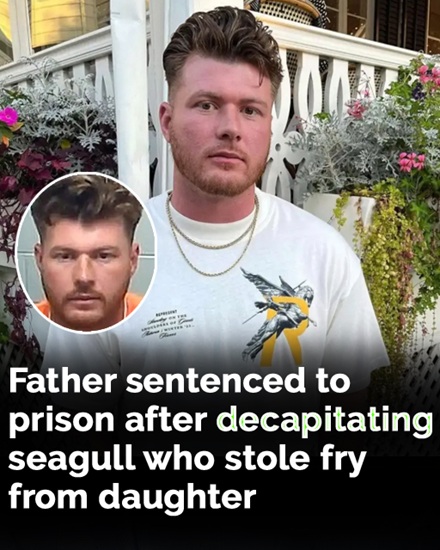
On July 6, 2024, a disturbing incident occurred on the North Wildwood boardwalk at Morey’s Piers in New Jersey when a man decapitated a seagull in broad daylight after it tried to snatch a French fry from his daughter.
The man, 30‑year‑old Franklin C. Ziegler, was seen publicly holding the dead seagull and then asking nearby staff for a trash bag to dispose of the remains, according to police reports.
Witnesses, including families and children enjoying the boardwalk, described the scene to local police, prompting an animal cruelty investigation by the North Wildwood Police Department.
According to court filings, Ziegler told officers he acted out of anger after the seagull attempted to take a snack from his young daughter while they were walking along the boardwalk.
Police took photographs of the scene and statements from bystanders and Morey’s Piers employees, including testimony that Ziegler had approached them carrying the bird’s body.
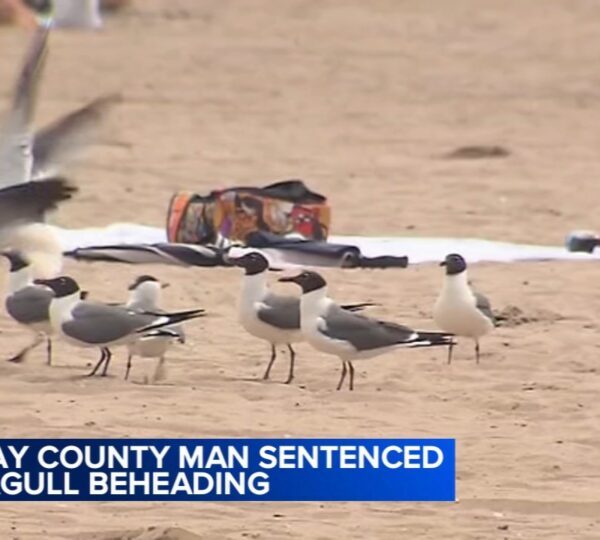
Ziegler was initially arrested on unrelated charges after becoming “irate and uncooperative” with officers at the scene of the incident, according to prosecutors.
As the case unfolded, a grand jury indicted Ziegler on a third‑degree cruelty to animals charge, a felony offense under New Jersey law that could have carried several years’ imprisonment.
In addition to the animal cruelty charge, police also cited disorderly conduct and resisting arrest, though the seagull incident remained the focus of intense public attention.
The seagull itself is a protected species under federal law, and harming them unlawfully is a violation of the Migratory Bird Treaty Act, though local enforcement varies.
When Ziegler appeared in Cape May County Superior Court on March 12, 2026, he pleaded guilty to the third‑degree animal cruelty charge in connection with the boardwalk incident.
Instead of serving additional time in prison, Judge Jeffrey Wilson sentenced Ziegler to 263 days in jail, all of which were credited as time already served before the hearing.
Ziegler was also ordered to pay $155 in fees and fines and was placed on five years of probation under the supervision of the court.

In a notable departure from standard sentencing, the court admitted Ziegler into Recovery Court, a specialized probation program intended to support individuals whose criminal behavior is connected to substance abuse issues.
Recovery Court includes structured supervision and outpatient treatment designed to address underlying problems and reduce the risk of future offenses under judicial oversight.
Ziegler was released from the Cape May County Jail on February 12, 2026, prior to the formal sentencing hearing, having served the 263 days while awaiting trial and disposition.
Animal rights organizations and advocacy groups expressed shock and disappointment at the sentence, calling it disproportionately light for such a violent act of cruelty.
In Defense of Animals, an international animal protection group, denounced the court’s handling of the case, calling the punishment a “slap on the wrist” and saying it did not reflect the severity of the offense.
Senior campaigner Doll Stanley criticized the outcome, calling Ziegler’s act “a brutal act of torture committed in broad daylight in front of children” and demanded harsher accountability.
Advocates also noted that the light sentence missed an opportunity to address broader concerns, including the potential link between cruelty to animals and other violent behavior patterns.

Some campaigners urged that Ziegler be prohibited from future contact with animals and required to undergo mental health counseling as part of his rehabilitation.
Groups like In Defense of Animals even submitted a letter with thousands of signatures to local prosecutors, advocating for stricter penalties and comprehensive oversight.
Prosecutors had initially indicated that the offense carried penalties ranging from three to five years of imprisonment, highlighting how sentencing can vary based on plea agreements and judicial discretion.
The case ignited debate not only about sentencing but about how society defines and responds to acts of animal cruelty, especially when witnessed by children and the public.
Supporters of tougher penalties argue that such violent acts against wildlife set a dangerous precedent and fail to convey the legal protections animals are afforded under state and federal law.
Critics also pointed to signs in New Jersey law that allow for more significant penalties for animal cruelty, including fines and longer jail terms than what was applied in this case.
The public reaction included both condemnation of Ziegler’s violent response and discussions about the influence of stress, parental protectiveness, and impulse control in high‑pressure situations.
Observers noted that seagulls are common around boardwalks and beaches, frequently scavenging for food and snacks like french fries, which can lead to nuisance complaints from visitors.
However, animal welfare experts stress that nuisance behavior by wildlife does not justify violent retaliation, and legal frameworks exist to protect both animals and humans in public spaces.
Opponents of the sentence emphasize that witnessing such graphic acts of animal cruelty can be distressing, especially for children and families who were present.

Legal analysts say the use of recovery courts reflects a broader trend in some jurisdictions to address underlying issues that contribute to criminal conduct.
While proponents of recovery programs believe they can help break cycles of harmful behavior, detractors argue they may be inappropriate for violent offenses involving cruelty toward animals.
The case continues to be referenced in debates over animal protection laws and whether current penalties sufficiently deter acts of cruelty and violence.
Ziegler’s probation and recovery court participation will be monitored over the coming years, with any violations potentially resulting in additional legal consequences.
Some animal rights advocates plan to continue lobbying for reforms, including stiffer sentences and mandatory counseling for individuals convicted of animal cruelty.
Educational programs that address humane treatment of animals, responsible behavior around wildlife, and community awareness are also being suggested as long‑term strategies.
Despite widespread criticism of the outcome, the legal resolution brought closure to a case that had shocked visitors and residents of the Jersey Shore.
The decapitation still remains a topic in discussions of how society views wildlife, parental stress responses, and the legal standards for treating acts of cruelty.
Animal welfare groups say they will watch Ziegler’s compliance with probation and therapy requirements closely, advocating for accountability over time.
They say that holding individuals to higher standards protects not just animals, but public safety and community values.
The case also highlighted how minor public incidents can escalate into national news stories, sparking social media debates and broader legal conversations.
Many viewers of the story expressed frustration online that a violent act witnessed by children seemed to result in minimal punishment.
Others argued that rehabilitation and recovery programs offer a more constructive path than extended incarceration for some offenders.
The Ziegler case remains a referenced example in ongoing discussions about criminal justice, animal protection, and how to balance punishment with rehabilitation.
