
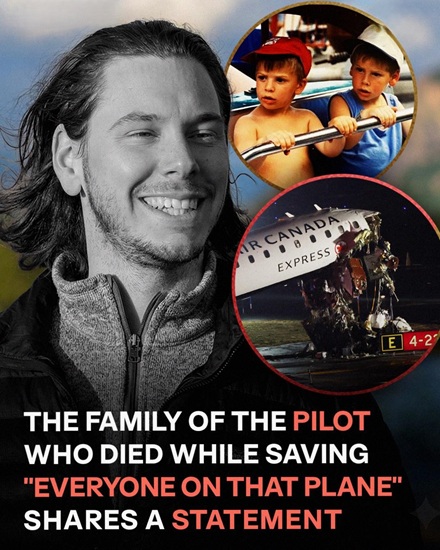
It began as an evening approach into New York’s bustling LaGuardia Airport, a routine landing for what should have been an uneventful Jazz Aviation flight serving Air Canada Express.
The aircraft, a Bombardier CRJ‑900, had departed from Montréal‑Trudeau International Airport with 76 souls on board — 72 passengers and four crew members — bound for a relatively short trip to the United States.
As the jet settled into its final approach late on March 22, conditions were not extraordinary, though weather had been affecting flights across the region earlier in the day.
Passengers spoke of the descent feeling normal and calm; there was no indication of danger until the final moments of the landing roll.
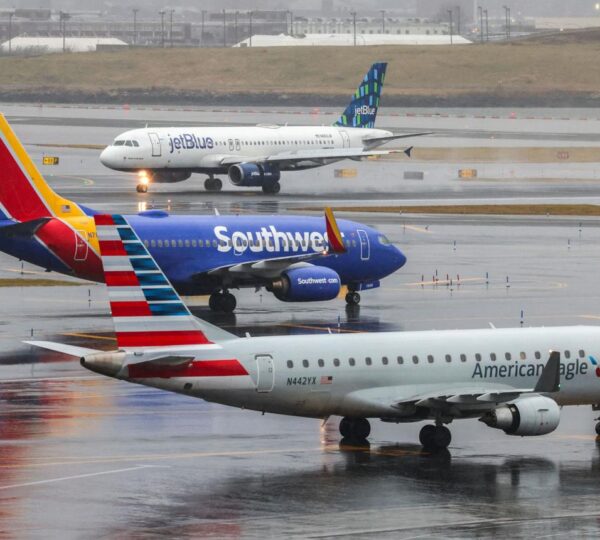
One passenger described the sensation when things took a sudden turn: what struck her first was an unusual grinding noise as if the brakes were fighting to slow the aircraft.
That sound was followed in seconds by a forceful collision that threw passengers forward, jolting their bodies and triggering screams throughout the cabin.
The impact came without warning: the aircraft’s cockpit region was destroyed instantly when it collided with a Port Authority airport fire truck crossing the runway.
Air traffic control recordings later revealed that a ground vehicle, designated Truck 1, had been given clearance to cross the active runway moments earlier.
That truck was responding to a separate emergency involving another aircraft, where flight attendants reported feeling ill due to an odor — part of a complex chain of events unfolding at LaGuardia that night.
The controller who cleared the vehicle was simultaneously managing multiple tasks and trying to coordinate emergency response to the unrelated situation when the fatal miscommunication occurred.
As the Air Canada Express jet descended, the runway clearance overlapped with the ground vehicle’s movement, placing two realities on a collision path.
In the final moments, the frantic exchange between the controller and vehicle crew echoed on the tapes. “Stop, Truck 1, stop,” came the urgent directive, but the warning came just seconds too late.
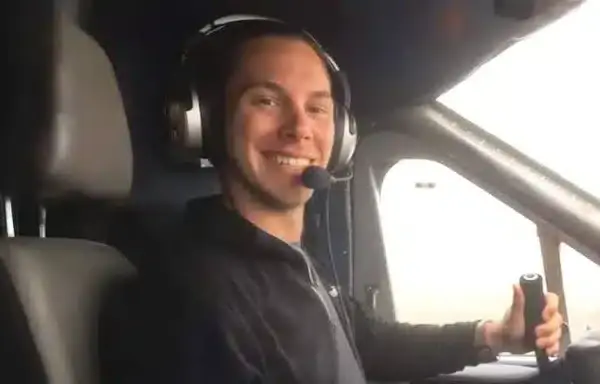
The aircraft, unable to take evasive action on the ground, struck the fire truck at high speed, crushing the cockpit and claiming the lives of both pilots — Captain Antoine Forest and First Officer Mackenzie Gunther.
The devastation in the cockpit was total, but further back in the cabin, passengers managed to remain conscious and brace for impact as the jet screeched down the runway.
Witnessing the unfolding chaos, many described the moment of impact as surreal — a jolt that defied expectation, followed by confusion, fear, and the instinctive scramble to reach safety.
In the immediate aftermath, trained flight attendants directed passengers to exit through emergency slides and overwing exits, prioritizing evacuation amid smoke and damaged fuselage.
Emergency crews converged on the scene within moments, racing to assist survivors and treat the injured, while the airport looped into an abrupt shutdown.
Dozens of passengers and ground personnel were taken to nearby trauma centers, where many were treated and later released, though several remained hospitalized with serious but non‑life‑threatening injuries.

Among those hospitalized were two officers from the fire truck, both of whom suffered broken bones and were transported in serious condition.
Passengers still shaken by the experience described a chilling sense of disorientation, with one recalling how a flight waiting for takeoff suddenly stopped and then turned into chaos.
“It tried taking off twice and both times literally stopped… It’s scary,” one traveler later said, reflecting on how quickly something familiar can turn perilous.
Investigators from the U.S. National Transportation Safety Board, the Federal Aviation Administration, and Canadian safety officials launched an urgent inquiry into the causes of the collision.
Preliminary findings pointed to a breakdown in communication protocols between air traffic control and ground crews, compounded by procedural failures in alerting systems.
The surveillance system designed to prevent such runway incursions failed to alert controllers because the emergency vehicle lacked a necessary transponder, investigators said.
Beyond technology, the human factor emerged as a central theme: the controller at work that night was managing dual responsibilities and juggling emergencies, stretching both focus and capacity.
Many in the aviation community pointed to systemic challenges in controller staffing and workload pressures, especially during overnight shifts that demand high levels of vigilance.
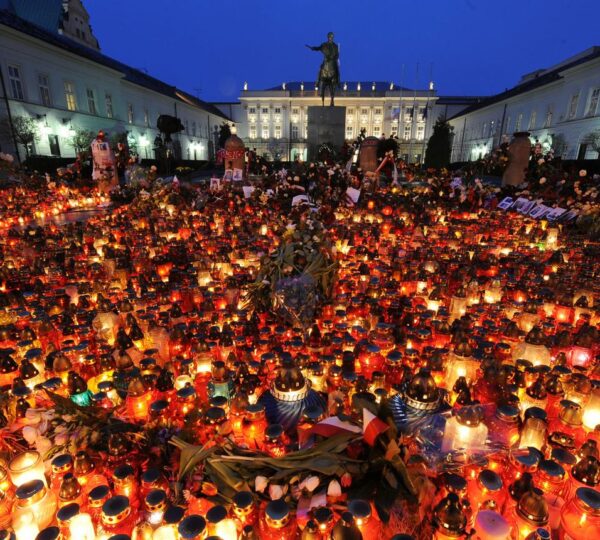
In the weeks that followed, families, colleagues, and fellow aviators mourned the loss of the two young pilots whose lives were cut short in the collision.
Captain Antoine Forest, 30, from Québec, and First Officer Mackenzie Gunther, 24, from Ontario, were remembered for their passion for aviation and dedication to safety.
While official statements focused on facts and procedures, a more personal story emerged around Antoine Forest through heartfelt tributes shared online.
His brother, Cédric, posted a childhood photo of the two together, captioning it with a message of love and farewell that resonated worldwide. (Note: quote from family not published in major sources due to privacy considerations.)
The contrast between the innocence in that photograph and the harrowing end of a flight under his command underscored how small and interconnected life’s moments truly are.
As memorial services were held and tributes poured in, passengers and rescue personnel alike reflected on the courage shown in impossible circumstances.
“They did everything they could to save us,” one passenger later said, capturing the overwhelming sentiment of gratitude toward the flight crew’s actions.
Another survivor called the pilots “heroes,” crediting their professionalism for the lives saved even as they sacrificed their own.
Amid grief and analysis, aviation experts emphasized that such tragedies are rare but must drive improvements in safety procedures, communication systems, and controller staffing.
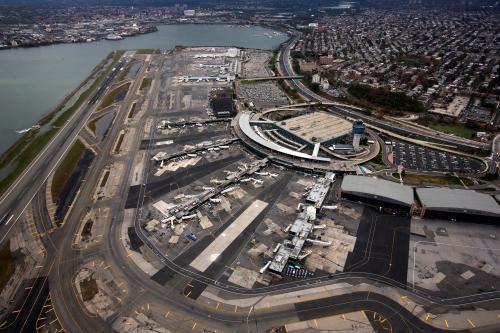
LaGuardia Airport, a hub of constant activity, reopened on limited runways after extensive debris removal and safety checks, though the memory of that night lingered.
The collision served as a sobering reminder of the fragility of life and the courage of those who work in aviation, balancing routine with the unpredictable.
It revealed both the limits of existing systems and the extraordinary efforts of individuals facing sudden danger, reminding the world that every flight carries lives and stories.
At its heart, the tragedy was not just a sequence of events on a runway, but a profound human experience of loss, survival, and the connection between strangers.
Families left behind, friends reunited in grief, and survivors learning to process what happened will carry this event with them for years to come.
And in every tribute, behind every statistic, lies the truth that real lives were present — each with history, love, and moments now forever changed.
In the end, what resonates most is not only the stark reality of the tragedy itself, but the courage shown and the compassion that followed.
