
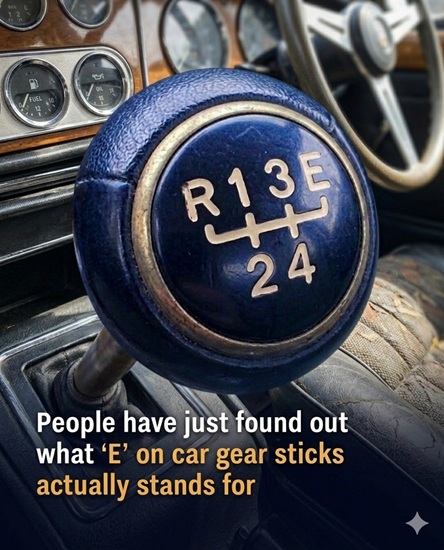
The interior of a modern automobile is a study in digital minimalism. Smooth touchscreens, haptic feedback, and acoustic glass create a sanctuary of quiet functionality. For younger drivers, the center console appears almost empty.
Some vehicles offer only a rotary dial or a subtle toggle for directional selection. Physical levers and buttons, once essential to controlling a car, have been replaced with algorithms and automation. The tactile connection of earlier cars is largely lost.
For drivers who learned on vehicles of the late twentieth century, the gear shifter was more than a tool. It was a mechanical interface mapping the engine’s behavior and driver intent. Each letter or number represented a distinct operational state.
Amidst familiar letters—“P” for Park and “D” for Drive—there existed an often-overlooked occupant: “E.” To today’s uninitiated drivers, this symbol might seem archaic, a relic from an era of rising fuel concerns.
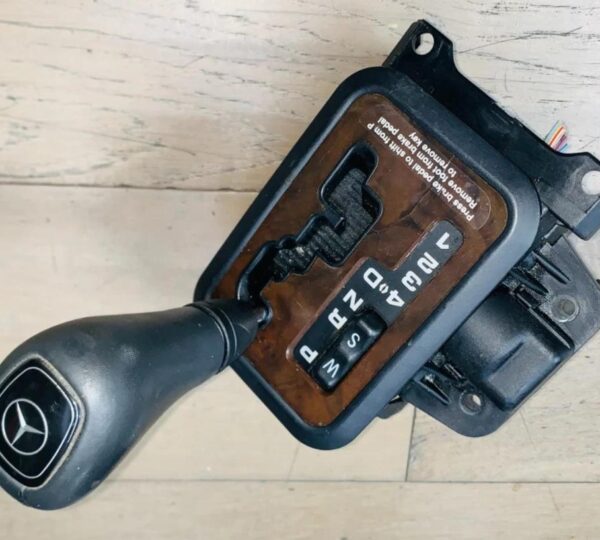
In the analog automotive golden age of the 1980s and early 1990s, the “E” stood for “Economy.” Born from recent fuel crises, it represented a practical approach to minimizing fuel consumption without sacrificing mobility.
Engaging the “E” was a tactile decision. The driver directly influenced transmission behavior. Early electronic control units or hydraulic valves adjusted the shift points, forcing gears to change earlier in the RPM range for maximum efficiency.
The mechanical effect was immediately noticeable. Engine speed dropped, noise was subdued to a measured hum, and fuel consumption was reduced. Each maneuver was deliberate, rewarding patience and gentle accelerator input.
Drivers entering Economy mode had to embrace restraint. Aggressive “kick-down” shifts for overtaking were discouraged. Instead, momentum built gradually, rewarding smooth handling and consistent awareness of speed and surroundings.
Some advanced models even modified throttle response. A heavier foot no longer caused immediate acceleration, creating a mechanical conscience guiding drivers to maintain efficiency while maintaining control over the vehicle.
Economy mode was a partnership between human and machine. It allowed drivers to actively manage consumption, influencing both environmental impact and fuel expenses. This hands-on approach predated modern “set-and-forget” strategies.
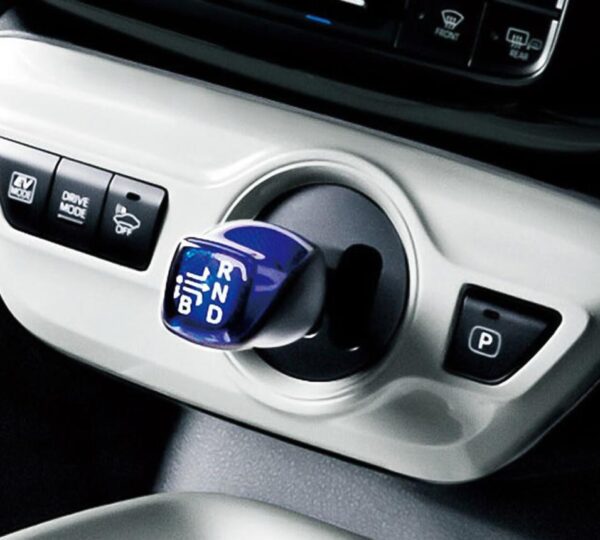
The “E” lever was not universal, but where present it shaped a generation of driving habits. It taught patience, fuel awareness, and how subtle changes in behavior could optimize both engine performance and efficiency over time.
By the mid-2020s, the physical “E” had almost vanished from gear selectors. Automation and digital optimization integrated efficiency into every system, eliminating the need for a separate, driver-selected economy gear.
Modern engines now rely on high-speed data processing. Onboard computers monitor hundreds of variables every second, including ambient temperature, altitude, fuel quality, and even driver behavior, to optimize performance and consumption.
Advanced fuel injection, multi-speed transmissions, and continuously variable transmissions (CVTs) enable the car to achieve maximum efficiency automatically. The car no longer waits for a human to instruct it to conserve fuel.
The disappearance of the physical “E” reflects a broader shift in automotive design and driver expectations. Efficiency became embedded in engineering, rather than delegated to human discretion. The gear lever was no longer the driver’s control center for conservation.
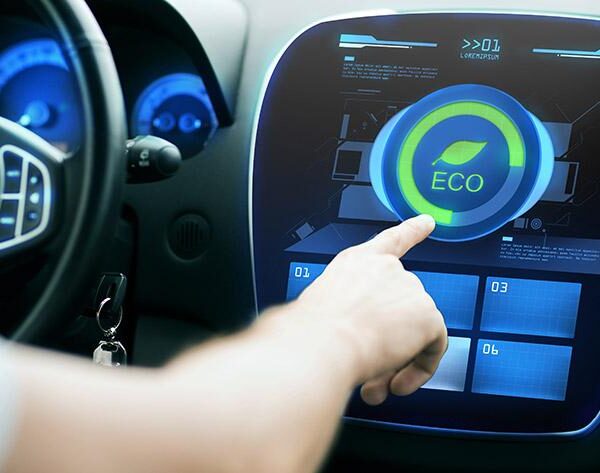
Aerodynamics, lightweight materials, and low-rolling-resistance tires further reduced the necessity for a dedicated economy mode. Cars were designed holistically for efficiency, from chassis engineering to software-driven energy management systems.
Even hybrid vehicles operate with seamless efficiency. Internal combustion engines and electric motors collaborate to achieve optimal fuel economy, while regenerative braking and advanced energy storage reduce overall consumption automatically.
Yet the “E” never entirely disappeared; it evolved. With the rise of electric vehicles (EVs), the letter returned, signifying a new concept: “Electric” propulsion or “e-Pedal” operation, reflecting a transformation from fuel conservation to alternative energy management.
In EVs, pressing “E” often engages regenerative braking. Drivers rarely need traditional brakes, as the system converts kinetic energy back into stored electricity, extending range while creating a smooth, controlled deceleration experience.
The EV “E” also serves as a symbolic nod to the vehicle’s silent, lithium-ion heart. Unlike internal combustion engines, electric motors offer instantaneous torque without noise, yet require energy management to maximize efficiency and extend driving range.
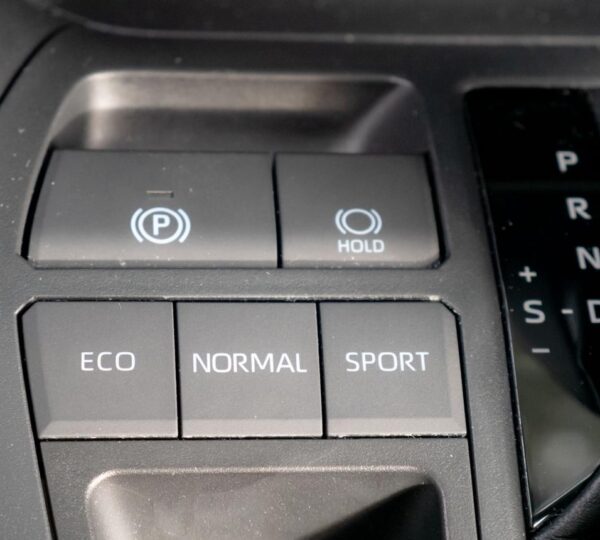
Thus, the letter “E” has come full circle. Originally a mechanical tool for conserving liquid fuel, it now represents the driving force of an energy revolution, emphasizing sustainability, silent mobility, and intelligent resource use.
Looking back, the old “E” on gear selectors represents a bridge between two eras. Drivers once interacted with machines mechanically, relying on tactile feedback, sound, and resistance to understand their vehicles’ behavior.
Modern drivers experience cars as mobile devices. Automatic transmissions, adaptive cruise control, and AI-driven efficiency systems reduce manual input, reshaping the concept of driving from mechanical interaction to digital supervision.
The tactile satisfaction of sliding a lever into “E” is mostly nostalgic. That deliberate movement connected the driver to immediate consequences: lower RPMs, reduced fuel use, and a physical manifestation of conscious choice.
Despite technological change, the intent behind the “E” remains. Both historic economy mode and modern electric modes emphasize doing more with less, fostering environmental awareness and responsible energy use without sacrificing convenience or comfort.
Today’s EVs integrate efficiency into every operation. Algorithms determine optimal acceleration, braking, and power distribution. Energy management is continuous, responding to driving conditions and driver behavior in real time for maximum efficiency.
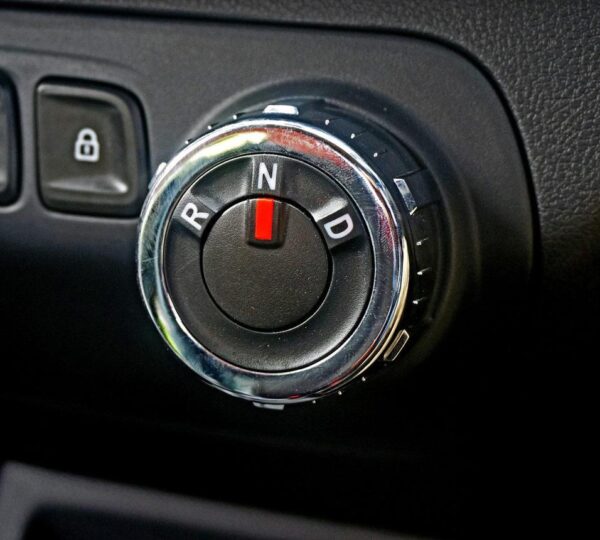
Hybrid and plug-in vehicles continue this legacy. The combination of regenerative braking, engine shutdown, and energy recapture makes manual intervention unnecessary, yet preserves the spirit of choice: driving thoughtfully and efficiently.
The evolution of “E” highlights broader societal changes. Whereas early drivers actively managed consumption, today’s mobility solutions embed environmental consciousness into machine intelligence, leaving users to focus on navigation, comfort, and safety.
Seeing “E” on a modern dashboard evokes both continuity and transformation. It connects decades of innovation, reminding us that while the mechanics may change, the underlying philosophy of responsible driving endures.
Classic cars with “E” levers tell a story of human-machine collaboration. Each selection represented patience, awareness, and a conscious effort to harmonize speed, energy use, and mechanical performance for the road ahead.
Conversely, the EV “E” represents a partnership between driver and algorithm. Humans initiate, but the system monitors, predicts, and optimizes, creating an experience that is seamless, efficient, and often imperceptibly intelligent.
The disappearance of the old economy lever also symbolizes modernity’s invisible progress. Algorithms replaced physical interaction, yet the principle—achieving maximum efficiency through awareness—remains central to vehicle design in 2026.
From a historical perspective, the “E” exemplifies automotive adaptation. From responding to 1970s fuel crises to guiding energy use in EVs, the letter charts the industry’s ongoing journey to balance performance, convenience, and conservation.
For enthusiasts of vintage vehicles, finding “E” between Drive and Low is a small but meaningful discovery. It reflects a time when drivers consciously negotiated energy use, tuning behavior to mechanical cues and available fuel.
Even as the symbol changes meaning, the philosophy persists. Modern efficiency systems carry forward the legacy of “E,” ensuring that vehicles operate responsibly, whether through combustion optimization or battery management.
Ultimately, the letter “E” is more than a symbol; it is a narrative thread linking generations of drivers. It represents both mechanical engagement and intelligent automation, illustrating the evolving interface between humans and machines.
The story of the “E” emphasizes how vehicles reflect societal priorities. Energy awareness, sustainability, and technological integration are central themes, reminding drivers that progress often transforms the familiar into new forms.
While the physical lever has mostly vanished, the principles behind it endure in hybrids and EVs. Drivers are now guided by silent, sophisticated systems, yet the goal remains unchanged: traveling efficiently while maximizing performance and comfort.
From a tactile experience to digital mastery, “E” charts the evolution of mobility. It bridges the gap between hands-on mechanical understanding and modern reliance on data, sensors, and intelligent algorithms that shape every drive.
In essence, “E” has adapted to the times. It began as a tool to help drivers consciously reduce fuel consumption and has become a symbol of energy awareness, sustainable transportation, and intelligent mobility in a digital age.
Even as automation takes over, the spirit of economy lives on. Regenerative braking, EV energy management, and hybrid optimization continue the legacy of drivers making thoughtful, efficient choices—albeit now assisted by technology.
Looking ahead, the principle embodied by “E” will continue to influence automotive engineering. Efficiency, sustainability, and intelligent energy use will remain central, whether in internal combustion vehicles, hybrids, or fully electric machines.
Ultimately, the “E” demonstrates that the interface between driver and car is more than functional—it is philosophical. From mechanical selection to algorithmic optimization, it represents humanity’s ongoing effort to harmonize mobility with responsibility and sustainability.
