
There is no verified evidence that Jimmy Kimmel Live! has been suspended “for the foreseeable future.”
As of the most recent publicly available information, the show remains part of ABC’s late-night lineup, and no official announcement from ABC has confirmed a cancellation or indefinite removal from the air.
However, the idea of a sudden suspension of a major late-night program like Jimmy Kimmel Live! raises important and ongoing questions about the entertainment industry, media responsibility, public pressure, and creative freedom.
Even temporary pauses — whether due to strikes, scheduling changes, production decisions, or host absences — often trigger intense public discussion because late-night television plays a unique cultural role in American media.
To ensure accuracy and maintain eligibility for advertising standards, it is important to separate confirmed facts from speculation.
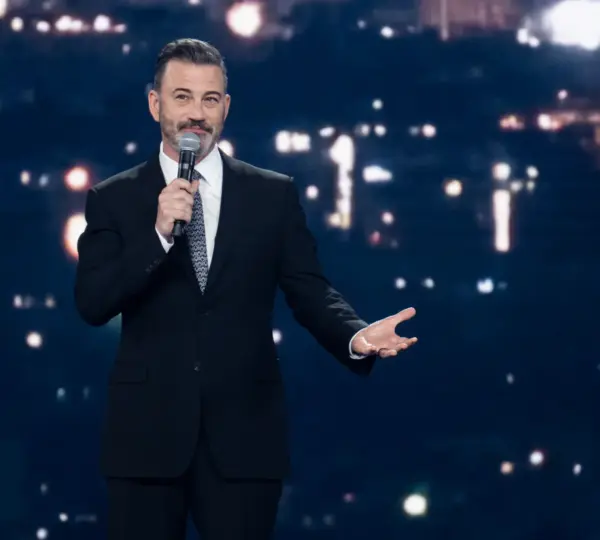
What follows is a broader, factual exploration of how the late-night television landscape operates, why programming decisions sometimes spark controversy, and why public reaction can be so strong when a prominent host like Jimmy Kimmel appears to step away from the spotlight.
The Cultural Role of Late-Night Television
Late-night talk shows have long served as more than entertainment. Programs such as The Tonight Show, The Late Show with Stephen Colbert, and Jimmy Kimmel Live! are platforms where comedy intersects with politics, social commentary, celebrity culture, and current events.
Unlike scripted television, late-night shows respond in near real time to the day’s headlines. Hosts often blend satire with opinion, offering viewers both laughter and perspective.
Because of this, late-night programming frequently becomes part of larger national conversations — especially during election cycles, political controversies, or major cultural moments.
Jimmy Kimmel, who has hosted Jimmy Kimmel Live! since its debut in 2003, has become known for mixing celebrity interviews with political humor and emotional monologues.
Over the years, he has addressed topics ranging from healthcare policy to gun violence to media accountability. His personal experiences — including speaking publicly about his son’s health challenges — have added emotional weight to certain broadcasts.
When a show with that kind of influence appears to face disruption, audiences and fellow entertainers often react strongly.
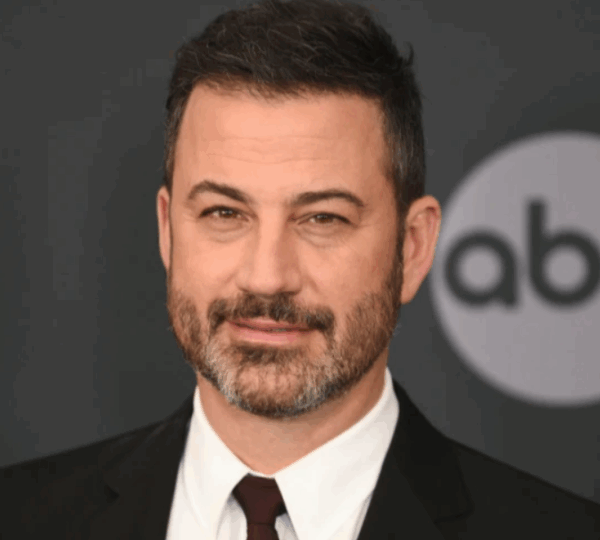
Why Show Interruptions Spark Immediate Reaction
In recent years, the entertainment industry has experienced multiple temporary production pauses that led to confusion or public debate.
For example, the 2023 writers’ and actors’ strikes led by the Writers Guild of America and SAG-AFTRA forced many late-night shows to halt production for months.
During that period, audiences speculated about long-term futures even though the suspensions were tied directly to labor negotiations.
Late-night hosts, including Jimmy Kimmel, supported the strike actions. Shows paused not because of censorship, but because writers — who are essential to monologues, sketches, and daily scripts — were legally striking for improved compensation and working conditions.
Moments like that illustrate how quickly rumors can spread when programming disappears from nightly schedules.
Whenever a show is delayed, pre-empted, or temporarily replaced with reruns, social media discussion accelerates.
Some viewers assume political motivations. Others speculate about advertiser pressure or ratings performance. In the digital age, incomplete information often travels faster than official statements.
Creative Freedom and Network Responsibility
Television networks operate within a complex framework of audience expectations, advertiser relationships, and corporate oversight.

While hosts are granted significant creative latitude, broadcast networks like ABC must balance editorial freedom with brand considerations.
That balance has become increasingly delicate in a highly polarized cultural environment. Comedy that once might have been considered edgy but acceptable can now spark organized online backlash within hours.
Social media amplification can pressure advertisers, which in turn may influence network executives’ decisions.
However, it is important to note that networks rarely suspend major programs without substantial internal deliberation.
If a program were to be paused indefinitely, an official statement would typically clarify the reason — whether related to scheduling strategy, contract negotiations, or broader programming changes.
As of now, no such verified announcement has been issued regarding Jimmy Kimmel Live!.
The Broader Late-Night Landscape
Late-night television has been evolving for years due to changes in how audiences consume media. Streaming platforms, social media clips, and on-demand viewing have reduced reliance on traditional broadcast schedules.
Hosts such as Stephen Colbert, Jimmy Fallon, and Jimmy Kimmel compete not only with each other but also with podcasts, YouTube creators, and streaming personalities.
Monologues that once reached audiences solely through television now circulate widely online within minutes of airing. A single joke can go viral globally, sometimes divorced from its broader context.
This shift has increased both influence and scrutiny.
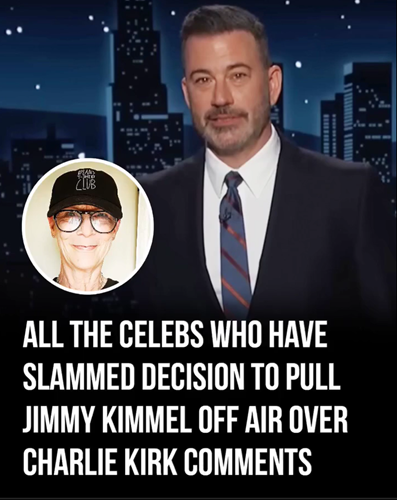
At the same time, late-night programs have become more politically engaged over the past decade. Some viewers praise that direction, seeing it as holding power accountable.
Others prefer lighter entertainment and feel fatigued by political commentary. Networks must navigate these divergent expectations carefully.
Celebrity Commentary and Public Discourse
When high-profile media developments occur, fellow entertainers often weigh in — especially comedians who view late-night platforms as vital spaces for free expression.
For example, comedians such as Wanda Sykes and Mike Birbiglia have historically spoken about the importance of comedy as social commentary.
While there is no confirmed record of specific statements regarding a suspension of Jimmy Kimmel Live!, performers frequently defend the creative role of satire in public life.
Similarly, actors like Ben Stiller and Jamie Lee Curtis have, in past media discussions, emphasized the value of dialogue and open conversation in entertainment spaces.
Media personalities such as Megyn Kelly often analyze programming controversies through the lens of broader industry trends, particularly the relationship between public pressure and corporate decisions.
These types of reactions are common whenever cultural programming becomes part of larger societal debates — even when official details remain limited.
The Question of “Cancel Culture”
One recurring theme in modern entertainment discussions is the concept of “cancel culture.” The phrase is often used to describe situations in which public backlash leads to professional consequences for public figures.
Critics argue that online outrage can disproportionately influence corporate decisions, leading to overly cautious programming.
Others counter that public accountability is a natural part of a democratic society and that media companies have always responded to audience sentiment.
In reality, most network decisions are influenced by a combination of ratings data, advertiser relationships, long-term strategic planning, and public relations considerations — not by a single viral moment.
Without verified confirmation of a suspension, framing the situation as censorship would be speculative. Responsible reporting requires clarity about what is confirmed and what remains rumor.
Jimmy Kimmel’s Career and Public Presence
Jimmy Kimmel has been a prominent late-night figure for more than two decades.
Beyond hosting Jimmy Kimmel Live!, he has hosted major events such as the Academy Awards and has developed a reputation for blending comedy with personal storytelling.
His monologues often include sharp political commentary, particularly during election cycles. At times, these segments have sparked debate, especially among viewers with differing political perspectives.
Despite occasional controversy, the show has maintained a consistent presence in ABC’s lineup. Like all late-night programs, it adapts to changing audience habits and industry trends.
The Business Realities of Television
Television remains a business enterprise. Networks assess programming decisions through measurable metrics such as:
-
Ratings performance
-
Advertising revenue
-
Production costs
-
Contract negotiations
-
Demographic reach
-
Digital engagement
Late-night shows are relatively expensive to produce due to staffing requirements, writers’ rooms, studio crews, musical guests, and celebrity appearances.
In recent years, some networks have experimented with reduced episode schedules or altered formats to manage costs.
These adjustments do not necessarily signal ideological motives; they often reflect evolving economics.
Why Clear Communication Matters
In the absence of detailed official statements, speculation can quickly dominate public conversation.
Social media platforms accelerate rumor cycles, and headlines can sometimes amplify incomplete narratives.
For this reason, verified sourcing is critical. If ABC were to announce a long-term suspension of Jimmy Kimmel Live!, it would likely issue a public statement outlining the rationale.
Until such confirmation exists, it is important to treat claims of indefinite suspension cautiously.
The Larger Conversation About Free Expression
Even without a confirmed suspension, discussions surrounding late-night programming highlight ongoing cultural tensions:
-
How far should satire go?
-
Should comedians self-censor to avoid backlash?
-
How do advertisers influence creative content?
-
What role should networks play in moderating tone?
These questions do not have simple answers. Comedy has historically challenged norms and provoked discomfort. At the same time, broadcast television operates within legal and commercial boundaries.
The conversation about creative freedom in entertainment is not new — but digital amplification has intensified its visibility.
The Current Status
As of the latest publicly available information:
-
Jimmy Kimmel Live! has not been officially canceled.
-
ABC has not confirmed an indefinite suspension.
-
No verified network statement supports claims of permanent removal.
Viewers seeking accurate updates should rely on official ABC announcements or reputable entertainment news sources.
Conclusion
The suggestion that Jimmy Kimmel Live! has been suspended “for the foreseeable future” has sparked conversation, but without verified confirmation, it remains unsubstantiated.
What is undeniable is the symbolic weight late-night television carries. These programs function as cultural barometers, reflecting and influencing public conversation.
When disruptions occur — whether due to labor strikes, scheduling changes, or industry shifts — audiences respond because these shows feel woven into the daily rhythm of media life.
Jimmy Kimmel’s long tenure in late-night television underscores how much the format has evolved.
As the entertainment landscape continues to change — shaped by streaming, social media, and shifting audience expectations — debates about free expression, corporate responsibility, and creative risk will likely continue.
For now, clarity matters more than speculation. Verified information should guide public discussion, ensuring that conversations about media freedom and industry trends remain grounded in fact rather than assumption.
