
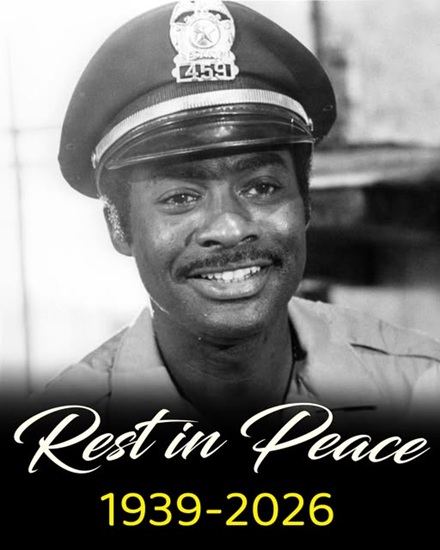
Ed Bernard, a versatile and deeply respected character actor, passed away at the age of 86. His family confirmed he died on January 23 in Northridge, California, surrounded by loved ones.
Best known for his memorable roles on television, Bernard became a familiar face to audiences in the 1970s. He was widely recognized for portraying undercover detective Joe Styles on Police Woman and Principal Jim Willis on The White Shadow.
Though television audiences admired his on-screen presence, those close to him remember a devoted family man with wide-ranging interests beyond acting. Bernard was described as a lifelong learner, a man of deep faith, and an enthusiastic culinary explorer.
“While the world knew him as a star, his family knew him as a devoted father, a proud grandfather, and a man of boundless curiosity,” his family shared in a heartfelt statement reflecting on his legacy.
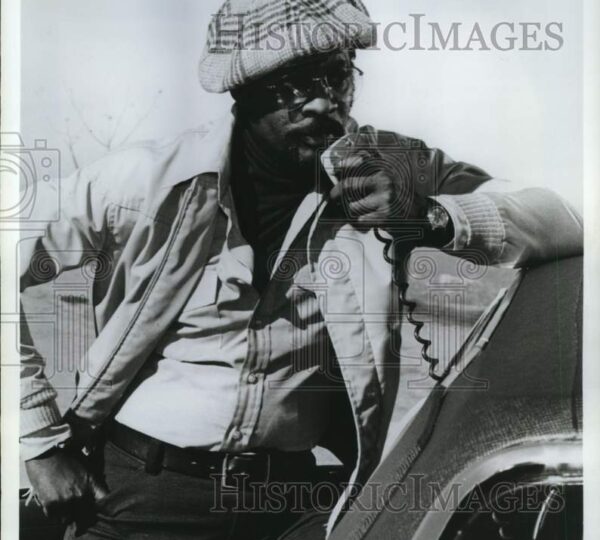
Born on July 4, 1939, in Philadelphia, Pennsylvania, Bernard grew up during a time of cultural change, which influenced both his worldview and his later approach to portraying complex characters with depth and authenticity.
He built a career defined by consistency, professionalism, and quiet impact. Bernard first appeared on stage, performing in off-Broadway productions, including Five on the Black Hand Side in 1969, showcasing his early dramatic range and stage presence.
Transitioning into film and television in the early 1970s, Bernard made his film debut in Shaft (1971), followed by roles in Across 110th Street and The Hot Rock, quickly establishing himself as a dependable supporting actor in high-profile projects.
While his early film roles were notable, it was television that made Bernard a familiar face to millions of viewers, providing him the platform to display both subtlety and authority in his performances.
His breakthrough came with appearances in Police Story, particularly the 1974 episode “The Gamble,” which acted as a backdoor pilot for the groundbreaking series Police Woman, later starring Angie Dickinson as Sgt. “Pepper” Anderson.
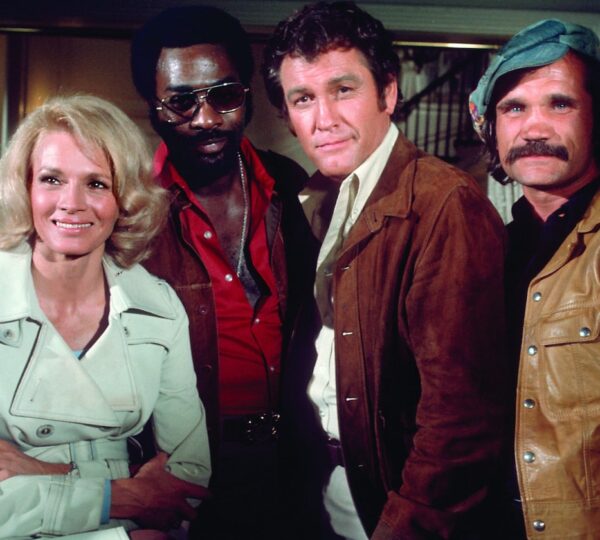
When Police Woman launched in 1974, Bernard joined the main cast as Det. Joe Styles. He worked closely with Dickinson and other cast members to create a dynamic and believable team of law enforcement professionals on screen.
From 1974 to 1978, Bernard appeared in 90 episodes across four seasons. His performance helped anchor the series’ narrative while providing balance to Dickinson’s pioneering portrayal of a female detective leading a major police department.
The series became a cultural touchstone for its era, notable not only for its thrilling storylines but also for showcasing a female lead in a traditionally male-dominated law enforcement role on prime-time television.
Bernard’s portrayal of Styles conveyed competence, reliability, and calm authority, contributing to the show’s enduring popularity and its recognition as a trailblazing program for future female-led dramas.
After Police Woman concluded, Bernard transitioned into another significant television role as Principal Jim Willis on The White Shadow, a series that explored social issues through the lens of a high school basketball program.
Starring Ken Howard as a former NBA player turned coach, the series tackled topics such as poverty, race, education, and adolescence, giving Bernard the opportunity to bring both authority and warmth to his character’s role as school principal.
His character, Jim Willis, was depicted as a former college classmate of Coach Howard, providing a believable connection between administration and athletic leadership while navigating the challenges of an urban high school environment.
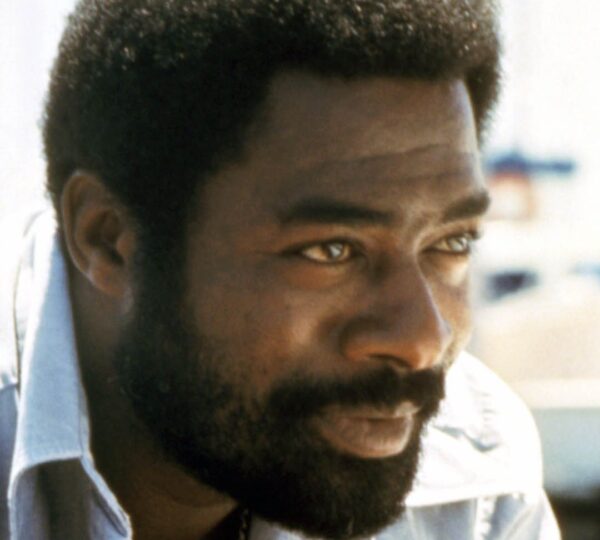
Bernard remained on The White Shadow for the first two seasons, before his character accepted a position with the Oakland Board of Education, allowing the storyline to reflect a natural career progression within the series’ realistic narrative.
Throughout the following decades, Bernard continued working steadily, appearing in an extensive variety of television programs, including Kojak, Mannix, What’s Happening!!, T.J. Hooker, NYPD Blue, ER, JAG, Becker, and Cold Case.
He also had recurring roles in mid-1980s shows such as Hardcastle and McCormick and appeared in films like Blue Thunder (1983), demonstrating his ability to balance both television and film work with enduring professionalism.
Bernard’s career longevity reflected his commitment to craft, versatility, and consistent reliability. Though often cast in supporting roles, his presence added depth, credibility, and gravitas to nearly every production he joined.
His final on-screen credit came in 2005, coinciding with the same year that his wife of 44 years, Shirley, passed away. The loss marked a deeply personal turning point in his life.
In later years, Bernard’s contributions were honored through inclusion in the Academy of Motion Picture Arts and Sciences’ annual In Memoriam tribute, recognizing his decades of work and impact across film and television.
Though he never sought the spotlight or tabloid attention, Bernard’s career left a lasting imprint on American television, particularly in series that defined the 1970s and 1980s’ cultural and social landscape.
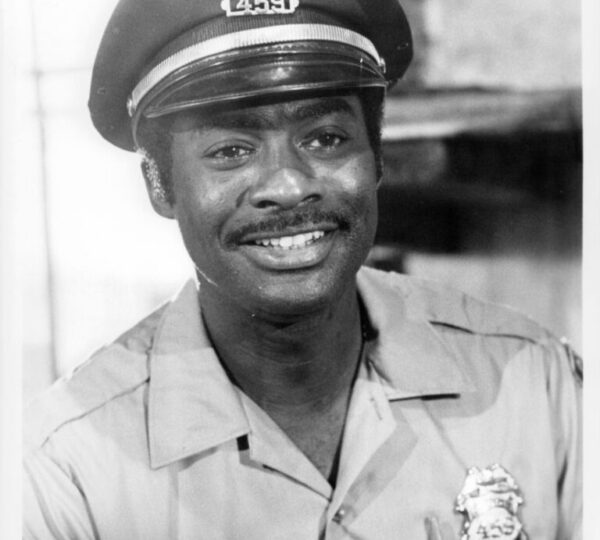
With his passing, he becomes the last of the core Police Woman cast to die, leaving Angie Dickinson as the sole surviving main star of this iconic series that influenced generations of viewers.
Bernard’s personal life reflected the same devotion he brought to his craft. He is survived by his sons, Edward and Mark, and four grandchildren: Liz, Joshua, Samantha, and Alexandra, all of whom carry forward his memory and legacy.
Friends and colleagues remember him not only for his talent and professionalism but also for his curiosity, warmth, humor, and generosity—qualities that made him both a respected performer and a beloved friend.
Outside of acting, Bernard had a wide array of passions, including culinary pursuits, particularly sushi and healthy cooking, along with a lifelong interest in learning new skills and exploring new subjects.
He approached life with the same integrity he brought to every performance, balancing professional commitments with a dedication to family, faith, and personal growth throughout his remarkable life.
Bernard’s influence can be traced through the actors and productions he worked with, leaving a subtle but enduring mark on American entertainment and serving as an example of consistency, versatility, and quiet excellence.
As television evolved, Bernard adapted seamlessly, moving between genres, networks, and character types, demonstrating his ability to engage audiences while maintaining authenticity and reliability in every role.
His work on socially conscious shows, like The White Shadow, also highlighted his interest in meaningful storytelling, providing opportunities to contribute to narratives that addressed real-world challenges and cultural conversations.
Despite his low-profile personal life, Bernard earned admiration from both peers and fans for embodying professionalism, humility, and a commitment to delivering fully realized, impactful performances in every project.
His death marks the conclusion of a career that spanned decades, influencing viewers and colleagues alike, and leaving behind a body of work that continues to be recognized for its quality and consistency.
Throughout his life, Bernard maintained a balance between professional achievements and family life, illustrating a devotion to loved ones while quietly building a career that touched audiences across generations.
Even as a supporting actor, his roles in landmark series helped define the era, demonstrating that consistent, grounded performances are as essential to storytelling as lead roles or marquee names.
From his early days on stage to his final television appearances, Bernard embodied versatility, dedication, and professionalism, qualities that earned him respect from colleagues, fans, and critics alike.
His death leaves a significant gap in the world of television history, but the impact of his work remains, inspiring new generations of actors and audiences who appreciate understated excellence.
Ed Bernard’s legacy is defined not just by memorable characters, but by his ability to quietly influence the entertainment industry while remaining a devoted family man, friend, and mentor.
In remembering him, it is clear that Bernard’s life was one of depth, integrity, and achievement—both on screen and off—and that his contributions will be celebrated for years to come.
