
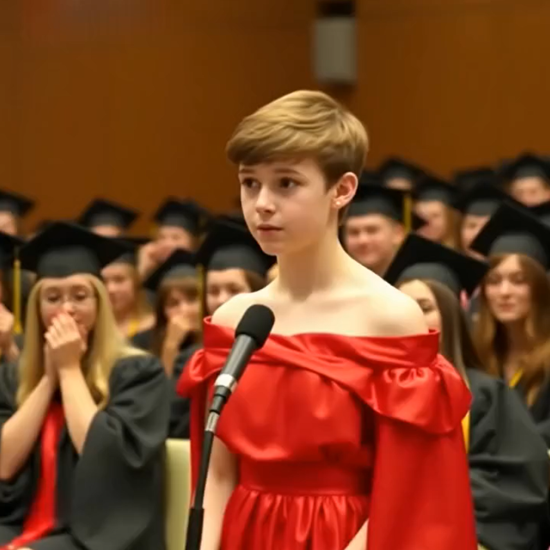
“I know why you’re laughing,” he said, his voice soft but steady, carrying across the vast auditorium. “You see a boy in a dress and you find it funny, unusual, or even strange.
But tonight, I want to talk about something far more important—being true to oneself.” The room fell into an unexpected hush.
Students, teachers, and parents alike shifted in their seats, caught between surprise, curiosity, and the realization that something significant was unfolding. There was a palpable tension in the air, a moment pregnant with anticipation. And there, at the center of the stage, stood Liam, my son, radiant and unwavering, wearing a dress that shimmered softly under the stage lights.
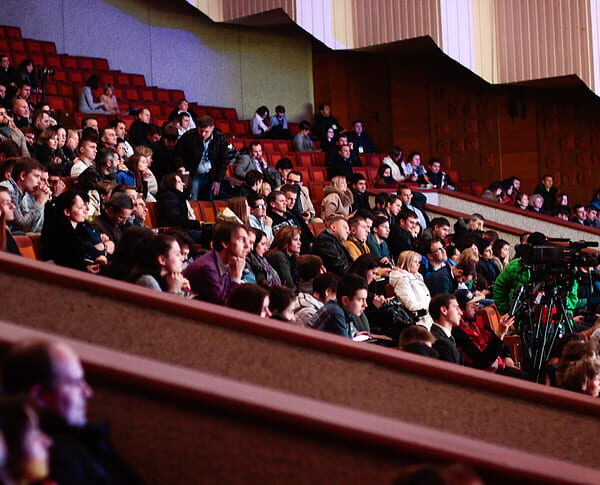
As his gaze swept across the auditorium, I could see the range of reactions: amusement, confusion, disbelief, but also something far rarer—acknowledgment.
Liam’s presence commanded attention not through theatrics or bravado, but through authenticity, through an undeniable courage that shone in every measured step, in the calm yet resolute way he held himself.
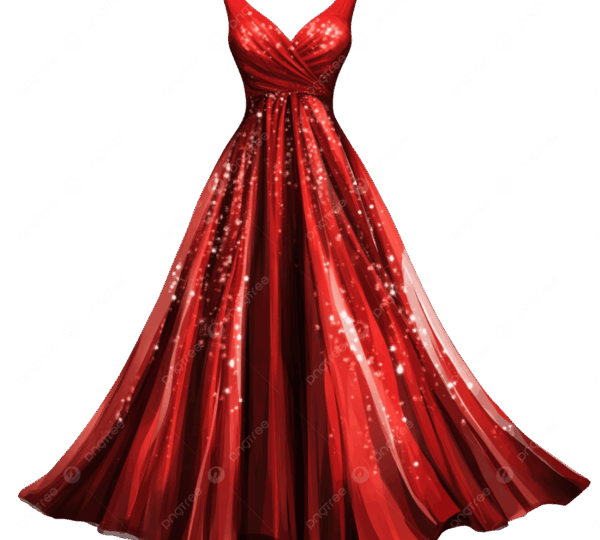
“This dress,” he said, lifting his hands slightly, allowing the delicate fabric to catch the light, “isn’t just a piece of clothing. It is a symbol of freedom. It is part of who I am. It represents the courage it takes to stand here before all of you as my authentic self.”
I felt my throat tighten, my chest swell with emotion, tears threatening to spill as I watched him. Here was my child, standing firm against expectation, against ridicule, teaching a lesson in vulnerability, resilience, and empathy. The pride I felt was overwhelming—an almost physical weight pressing down, yet lifting me in equal measure.
The Years of Struggle and Silent Courage
Liam’s voice grew stronger as he continued, each word deliberate, resonating across the auditorium with clarity and conviction. “For a long time,” he began, “I felt trapped by expectations.
I was boxed in by the idea that I had to fit a mold that didn’t reflect who I truly was. I spent years hiding parts of myself, pieces of my identity, because I feared judgment, ridicule, and rejection.”
He paused for a moment, letting the words settle over the audience. The silence was almost deafening. One could hear the faintest rustle of papers, the quiet shuffle of shoes against the floor.
But Liam did not falter. He had done the hard work of knowing himself, and he was ready to share that truth with the world.
“But that’s not how I want to live my life anymore,” he continued, his voice now imbued with a quiet determination. “I want to be open. I want to be honest. I want to be unapologetically me. So yes, I am wearing this dress. And I am not ashamed. I am proud.”
There was a brief ripple of murmurs, almost imperceptible, but the energy in the room had begun to shift. The initial surprise had softened into admiration.
People were no longer laughing—they were listening. And slowly, the room began to fill with a quiet reverence, a shared recognition of bravery that transcended appearances.
A Lesson in Empathy and Understanding
“I know some of you may not understand,” Liam acknowledged, his tone gentle but unwavering. “And that’s okay. Understanding takes time.
But I hope that tonight, you’ve taken the first step toward seeing beyond the surface, toward embracing differences instead of mocking them.”
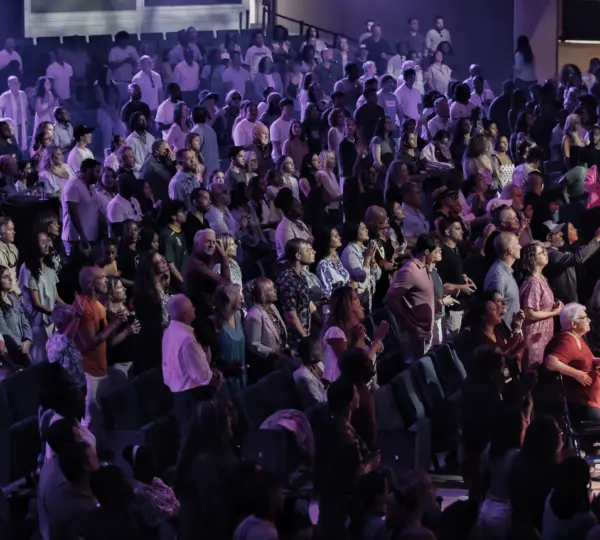
A few students began to clap, tentative at first, unsure whether their applause was appropriate. But the sound spread, rippling outward like waves across a pond, growing louder and more confident as others joined in.
By the time the last sentence had left his lips, the auditorium was alive with standing ovation, the collective sound swelling into a thunderous chorus of support and respect.
I could see the relief in his eyes, the unspoken gratitude for the validation that he had been too nervous to anticipate. And when our eyes met, just for a fleeting second, the connection was profound.
Every struggle, every conversation, every tear shed in private had led to this moment—a culmination of vulnerability, strength, and unshakable authenticity.
Reflections on Family, Support, and Growth
As Liam left the stage, I hurried to embrace him. My arms wrapped around him tightly, as if to convey all the pride, fear, joy, and love that words could not express. “I am so proud of you,” I whispered, my voice thick with emotion. “You’re amazing. Truly amazing.”
He rested his head briefly against mine, a soft smile playing on his lips. “Thank you, Mom. For everything. For always being there for me.”
His words were more than gratitude—they were a testament to the partnership we had built over years of shared understanding and unwavering support.
They reminded me that parenting is not simply about guidance but about walking beside your child, offering them a foundation of safety from which they can leap into the unknown.
The Courage It Takes to Be Seen
Liam’s decision to wear the dress and speak openly about his identity was not simply a fashion statement or a moment of rebellion—it was an act of profound bravery.
The act of being seen, truly seen, in a world that often judges quickly and harshly, is a courageous endeavor. For many young people navigating identity, the fear of judgment is suffocating, and yet Liam chose to step into that fear, embodying vulnerability and resilience in equal measure.
Throughout his speech, he highlighted a fundamental truth: courage is not the absence of fear but the willingness to act in spite of it.
By confronting societal expectations and confronting his own anxieties, Liam not only claimed his identity but also extended a hand to others who may be struggling with their own.
Broader Lessons for Community and Society
The impact of his words and actions extended beyond the auditorium walls. For the students and teachers in that room, it was a lesson in empathy, in understanding, and in the power of representation.
When young people witness someone standing firmly in their truth, it normalizes difference and challenges stereotypes.
Liam’s bravery encouraged his peers to examine their own biases and consider the ways in which they treat others based on appearance or conformity to societal norms.
Parents and educators in the audience were reminded of the importance of support and guidance in helping children navigate identity.
The environment we create for young people—one of acceptance, communication, and unconditional love—shapes not only their confidence but also their ability to inspire change in the world around them.
A Mother’s Perspective: Pride, Reflection, and Hope
From my perspective in the crowd, watching Liam speak, the experience was transformative. It forced me to reflect not only on his journey but on the journey of parenting itself.
There were moments of doubt, of uncertainty, and even fear—but each was met with commitment to understanding and nurturing his authentic self. The tears in my eyes were not sadness but a profound acknowledgment of the power of growth, love, and resilience.
I thought back to the conversations we had late at night, when Liam confided his fears, hopes, and questions about identity.
I remembered the small victories: the first time he spoke openly about his feelings, the first outfit he dared to wear that reflected who he truly was, the first steps toward public expression. Tonight was the culmination of years of patience, listening, and unconditional support.
The Symbolism of the Dress
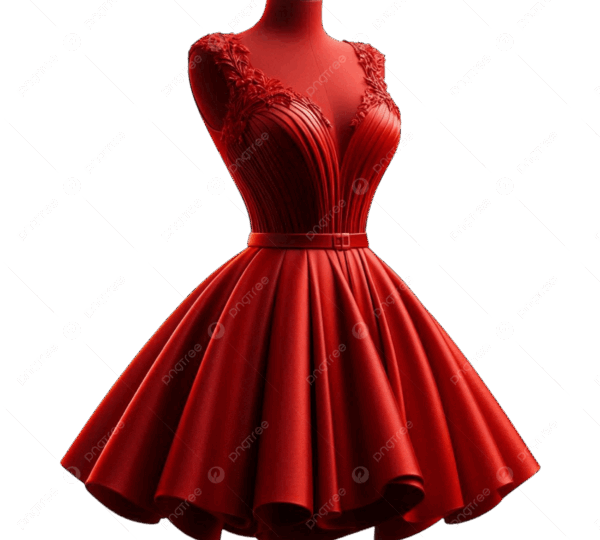
The dress Liam wore that night carried meaning far beyond fabric and color. It was a symbol of freedom, a declaration of self-respect, and a challenge to societal norms.
Clothing, often seen as a superficial element, became a medium of expression—a visible representation of internal truth.
By choosing to wear it publicly, Liam demonstrated that identity is not defined by others’ perceptions but by the courage to embrace and celebrate one’s own authentic self. His dress was not just for him; it was a message to the world: that everyone deserves the right to express themselves without shame or fear.
Ripples of Inspiration
The impact of Liam’s speech and act of courage did not end in the auditorium. Word spread quickly, and soon discussions about identity, acceptance, and empathy were happening in classrooms, homes, and online communities.
Teachers used his example to start conversations about understanding differences, while students shared their own experiences, inspired by the honesty and bravery they had witnessed.
For other young people struggling with identity, Liam became a role model, showing that self-expression is a source of strength rather than shame.
And for adults, he provided a reminder that supporting authenticity requires listening, learning, and sometimes stepping outside one’s comfort zone.
Closing Reflections
As we walked out of the auditorium that evening, hand in hand, I knew that this moment was not just about a dress or a speech.
It was about the culmination of love, trust, and unwavering support between parent and child. It was about courage in the face of judgment and the transformative power of vulnerability.
And it was about hope—hope that future generations will feel empowered to embrace their true selves, and that society will gradually grow more compassionate, understanding, and inclusive.
Liam’s words and actions are a lasting testament to the importance of authenticity. They remind us that identity is a journey, and that living truthfully requires courage, resilience, and, most importantly, support from those who love us.
That night, as we walked into the cool evening air, the echoes of applause still ringing in our ears, I felt a profound sense of gratitude. Gratitude for Liam, for his bravery, and for the privilege of witnessing his growth.
We had faced challenges, navigated fears, and emerged stronger—together. And whatever the future may hold, I know we will face it with courage, love, and acceptance leading the way.
