
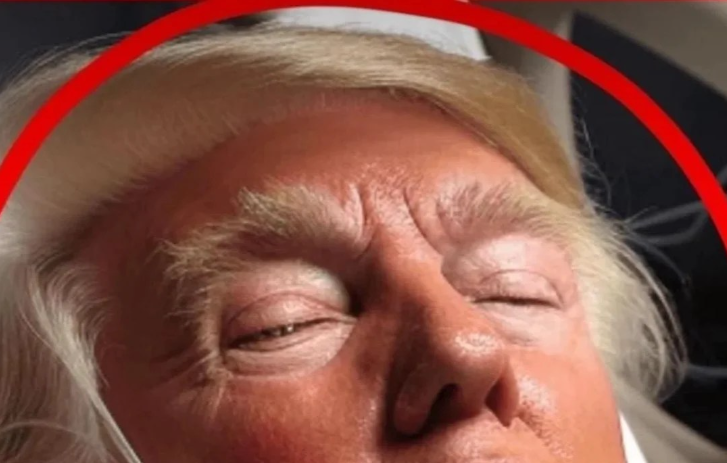
The political landscape of the United States was dramatically shaken on July 13, 2024, in Butler, Pennsylvania, when an assassination attempt was made against former President Donald Trump during a campaign rally.
The event unfolded just two days before the start of the Republican National Convention, where Trump was scheduled to formally accept the Republican Party’s presidential nomination.
What was intended to be a routine campaign stop in a key battleground state quickly became one of the most consequential and alarming episodes of political violence in modern American history.
The Setting: A Summer Rally in Butler
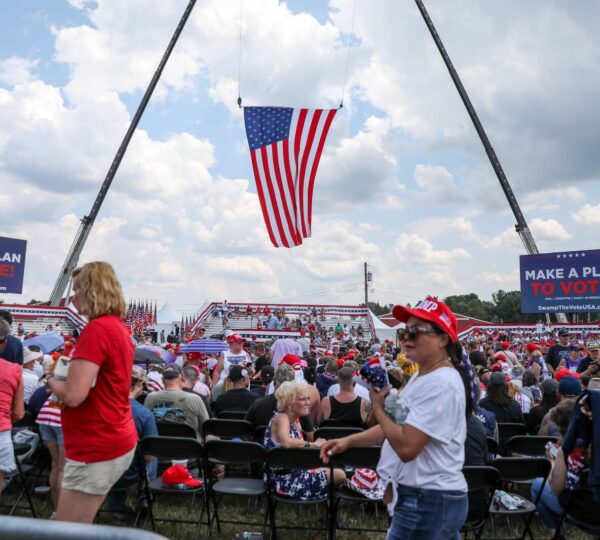
The rally took place at the Butler Farm Show grounds, a familiar venue for community events in western Pennsylvania. Thousands of supporters gathered under warm summer skies, many arriving hours in advance to secure spots close to the stage.
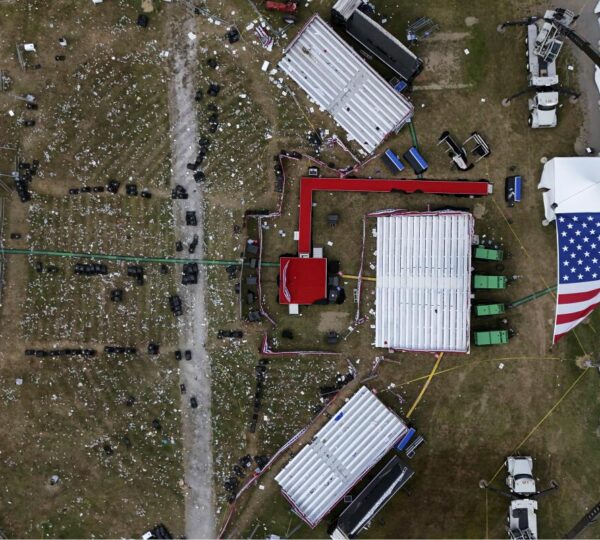
The atmosphere early in the afternoon was typical of a major presidential campaign event—energetic, loud, and marked by a sea of campaign signs, patriotic imagery, and enthusiastic chants.
Trump had been speaking for several minutes, addressing topics central to his 2024 campaign platform. The crowd responded with applause and cheers as he moved through familiar themes.
From a logistical standpoint, the event had the visible presence of security measures standard for a former president protected by the U.S. Secret Service, including perimeter screening, designated entry points, and counter-sniper teams positioned in strategic locations.
However, at approximately 6:11 p.m. local time, the rally atmosphere was abruptly shattered.
The Moment of the Shooting
Witnesses reported hearing a sequence of sharp cracks that initially sounded to some like fireworks. Within seconds, confusion gave way to panic as the unmistakable sound of gunfire became clear.
On stage, Trump visibly reacted—bringing his hand to his right ear and quickly lowering himself behind the podium as members of his Secret Service detail rushed forward.
Video footage from multiple angles captured the rapid and highly trained response of the agents, who formed a protective shield around him.
As they moved him off the stage, blood was visible on his face, particularly around his right ear. The injury was later confirmed to be a wound caused by a bullet grazing the upper portion of his ear.
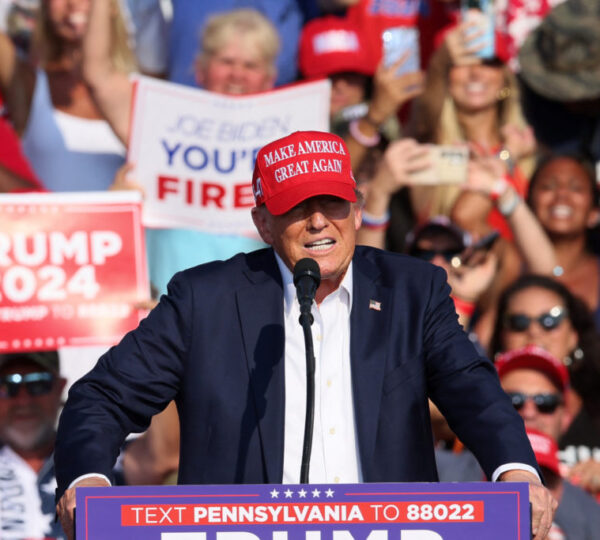
The crowd, which moments earlier had been in a state of fear, began chanting in response. The image of his raised fist and blood-streaked face rapidly circulated across news outlets and social media platforms worldwide, becoming one of the defining political images of the year.
He was quickly transported from the scene in a motorcade to a nearby medical facility for evaluation. His campaign later confirmed that he was in stable condition and that the injury, while bloody, was not life-threatening.
The Shooter Identified
Within hours, federal authorities began releasing verified details. The Federal Bureau of Investigation took the lead in the investigation and confirmed that the shooter was 20-year-old Thomas Matthew Crooks of Bethel Park, Pennsylvania.
According to law enforcement officials, Crooks had positioned himself on the rooftop of a building located outside the immediate rally security perimeter but within line of sight of the stage.
The distance—reported to be roughly 130 to 150 yards—was well within the effective range of the rifle he used. Secret Service counter-sniper personnel identified the threat and neutralized the shooter shortly after the attack began. Crooks was pronounced dead at the scene.
Authorities confirmed that he acted alone based on evidence available at the time, though the investigation into potential motives and influences continued for weeks.
Investigators conducted searches of Crooks’ residence and vehicle. While they recovered items relevant to the investigation, officials stated that determining a clear ideological or political motive proved complex.
Public statements emphasized that, at the time of reporting, there was no confirmed evidence of a broader conspiracy.
Civilian Casualties
Tragically, the gunfire did not only injure Trump. One rally attendee was killed, and two others sustained serious injuries.
The deceased victim was later publicly identified, and tributes poured in from across the political spectrum. The two injured individuals were hospitalized and received emergency medical treatment.
The loss of life transformed what might have been remembered solely as an attempted assassination into a broader tragedy affecting ordinary citizens who had gathered to participate in a democratic event.
Vigils were held in the days following the shooting, and local community members expressed grief and solidarity.
Immediate Political Response
The national reaction was swift and bipartisan in its condemnation of the violence. President Joe Biden addressed the nation, stating unequivocally that there is no place for political violence in America. Leaders from both major political parties echoed that message, emphasizing the importance of peaceful democratic processes.
The incident prompted heightened security for political events nationwide. Both major campaigns reviewed and strengthened their protective protocols.
Federal agencies coordinated closely with state and local law enforcement to assess vulnerabilities and ensure similar breaches would be less likely in the future.
Security Scrutiny and Investigation
One of the most pressing questions following the attack concerned how the shooter gained access to an elevated vantage point within rifle range of the stage.
Security experts noted that large outdoor events present complex challenges, particularly in identifying and securing every potential high ground location in surrounding areas.
The United States Secret Service faced intense scrutiny. Lawmakers called for briefings, and internal reviews were initiated to evaluate the planning and execution of the event’s security measures. Coordination between federal agents and local law enforcement became a focal point of inquiry.
Security analysts emphasized that while no protective system can eliminate all risk, the breach would likely result in revised protocols for perimeter expansion, rooftop control, and surveillance measures at future events.
Media Coverage and Public Reaction
The visual imagery from Butler dominated headlines for days. Major networks replayed footage of the moment Trump was escorted from the stage, and newspapers across the country published front-page photographs capturing the aftermath.
Public reaction varied. Supporters described the moment as evidence of Trump’s resilience and determination. Critics, while condemning the violence, warned against escalating rhetoric that could contribute to a climate of hostility.
Social media platforms saw an outpouring of commentary, calls for unity, and, in some corners, misinformation—prompting efforts by platforms and officials to clarify verified facts.
Impact on the 2024 Election Cycle
The timing of the assassination attempt—just before the Republican National Convention—ensured that it would profoundly shape the tone of the event.
When the convention opened in Milwaukee, security was visibly heightened. References to the Butler shooting became part of the broader political narrative.
The incident injected a sobering reminder of historical precedents of political violence in the United States. While modern campaigns often feature heated rhetoric, the physical targeting of a major presidential candidate underscored the seriousness of security risks in contemporary politics.
Political analysts noted that moments of national crisis can temporarily reshape electoral dynamics. The shooting prompted a pause in some campaign advertising and public events, as both parties adjusted to the new security environment.
The Butler attack reignited longstanding discussions about political polarization, online radicalization, and the accessibility of firearms in the United States.
While investigators did not immediately attribute the act to a specific ideological network, experts pointed to the complex ecosystem of digital content that can influence vulnerable individuals.
Scholars and policymakers emphasized that preventing political violence requires a multifaceted approach—strengthened protective measures, responsible rhetoric from leaders, and community-based efforts to identify warning signs of extremism.
At the same time, officials cautioned against speculation beyond verified evidence. Maintaining factual accuracy became a central priority for federal agencies providing updates to the public.
Community Healing in Butler
For the residents of Butler, the national headlines translated into a deeply personal experience. What had been an ordinary Saturday became a day marked by trauma and loss. Community leaders organized prayer services and remembrance events honoring the victim who lost his life.
Local officials expressed gratitude for first responders, medical personnel, and law enforcement officers who acted swiftly during the crisis. The town’s resilience became part of the broader narrative of recovery.
A Defining Moment in Modern Politics
The attempted assassination of Donald Trump in Butler stands as one of the most consequential security incidents involving a major presidential candidate in recent decades. It underscored both the fragility and resilience of democratic systems.
Trump’s survival and rapid public communication helped stabilize his supporters in the immediate aftermath. Federal authorities’ swift identification of the suspect and transparent investigative updates sought to reassure a shaken nation.
Yet the incident also serves as a reminder of the responsibilities borne by public officials, security agencies, media organizations, and citizens alike.
Democratic societies depend on peaceful political competition. When violence intrudes, it tests the institutions designed to preserve order and liberty.
As the investigation concluded that the shooter acted alone and no broader conspiracy was identified, attention gradually shifted from immediate crisis response to long-term reflection.
Security protocols were reassessed. Campaigns recalibrated. And voters continued to prepare for a consequential election.
The events of July 13, 2024, in Butler, Pennsylvania, will remain etched in American memory—not only because a former president narrowly survived an assassination attempt, but because ordinary citizens were harmed in the process.
The resilience of those affected, the bipartisan rejection of political violence, and the ongoing commitment to democratic norms together shape how history will ultimately judge that day.
In the end, Butler became more than a campaign stop. It became a defining chapter in the story of a nation grappling with polarization while striving to uphold its foundational principles.
