

Human personality is often expressed in many different ways, shaped by values, experiences, goals, and emotional tendencies. While every individual is unique, certain personality patterns can help describe common behavioral traits and life approaches.
These symbolic “nail types” represent different personality archetypes, each reflecting a distinct way of thinking, living, and interacting with the world around us.
They are not scientific classifications, but rather creative interpretations of human behavior designed to highlight diversity in character and personal expression.
Each type reflects strengths, challenges, emotional patterns, and lifestyle preferences that influence how a person navigates relationships, work, and personal growth.

The first personality type is the career-oriented woman, who is defined by ambition, discipline, and a strong focus on long-term success.
She is highly motivated and sets clear goals for herself, often working consistently and persistently to achieve professional growth and stability.
Her mindset is built around progress, improvement, and achievement, which drives her to excel even in competitive or high-pressure environments.
She often takes on leadership roles naturally, using her confidence, organization skills, and determination to guide both her career and those around her.
Although she values personal relationships, she tends to prioritize her ambitions and seeks a partner who respects her independence and understands her goals.
Her greatest strength lies in her resilience, as she is able to overcome challenges, adapt to change, and remain focused on her long-term vision.
At times, she may struggle to balance personal life with professional responsibilities, but she continuously works toward achieving harmony between both worlds.

The second personality type is the free spirit, a woman who values freedom, creativity, and personal exploration above all else.
She is adventurous by nature and enjoys experiencing life without strict boundaries or rigid expectations imposed by society.
Her curiosity leads her to explore new cultures, environments, and ideas, often seeking meaning through experience rather than routine.
She is expressive, spontaneous, and often drawn to artistic or unconventional lifestyles that allow her to fully express her individuality.
In relationships, she values understanding and emotional freedom, preferring partners who respect her need for independence and personal space.
Although her unpredictable nature can sometimes make stability challenging, she brings excitement, inspiration, and emotional depth to those around her.
Her presence encourages others to embrace change, take risks, and appreciate life’s unexpected opportunities.
The third personality type is the nurturer, a deeply compassionate and emotionally sensitive individual who finds purpose in caring for others.
She is supportive, empathetic, and naturally inclined to help people in both emotional and practical ways, often placing others’ needs before her own.
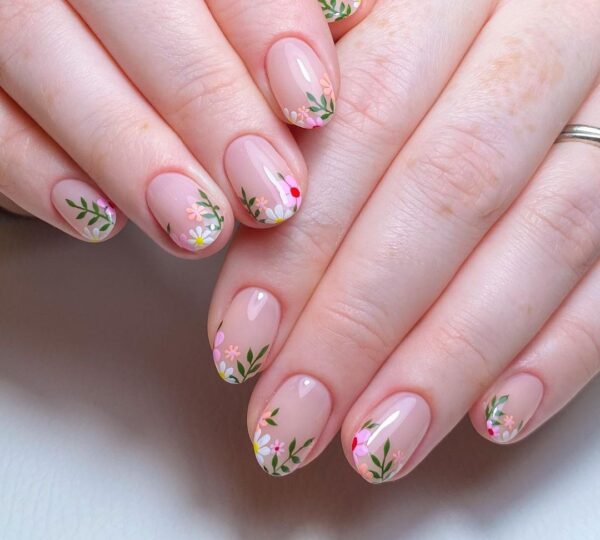
Her role in relationships, friendships, and family settings is often central, as she provides comfort, stability, and emotional understanding.
She creates safe and welcoming environments where others feel heard, valued, and supported during difficult times.
However, her strong desire to care for others can sometimes lead her to neglect her own emotional or physical needs.
She may also find it difficult to set boundaries, which can result in emotional exhaustion if not properly managed.
Despite these challenges, her kindness, loyalty, and genuine compassion make her an irreplaceable presence in the lives of those around her.
The fourth personality type is the intellectual, a woman driven by curiosity, logic, and a constant desire to understand the world in depth.
She enjoys learning, analyzing information, and engaging in meaningful conversations that challenge her thinking and broaden her perspective.

Books, discussions, research, and problem-solving often play an important role in her daily life and personal development.
She values knowledge not only as a tool for success but also as a way to better understand human behavior and society.
In relationships, she prefers deep emotional and intellectual connection rather than superficial interaction or casual conversation.
Although she may appear reserved or reflective, she possesses strong insights and thoughtful perspectives that make her highly influential in discussions.
Her intellectual curiosity encourages continuous growth, making her someone who never stops learning or questioning.
The fifth personality type is the social butterfly, a lively and energetic woman who thrives in social environments and human connection.
She is outgoing, friendly, and naturally charismatic, often making a positive impression wherever she goes.
Her ability to communicate easily allows her to form friendships quickly and adapt to different social settings with ease.
She enjoys gatherings, events, and shared experiences where she can express her personality and connect with others.

Her optimism and enthusiasm often bring joy and energy to those around her, making her a source of positivity in social groups.
However, because she engages with many people, she may sometimes find it challenging to develop deep emotional consistency in all relationships.
Still, her warmth, humor, and charm make her a beloved presence in any community or social circle.
The sixth personality type is the independent thinker, a strong and self-reliant individual who values authenticity and personal freedom above social expectations.
She makes decisions based on her own beliefs, logic, and values rather than external pressure or societal norms.
Her confidence comes from within, and she is not easily influenced by trends, opinions, or external validation.
She often prefers solitude or selective social circles where genuine understanding and respect are present.
Although she may appear quiet or reserved, she carries a strong inner strength and emotional stability that guides her life choices.
Her independence allows her to grow personally and professionally without relying heavily on others for direction or approval.
She inspires others through her authenticity, showing that individuality and self-respect are powerful foundations for a meaningful life.
In conclusion, these personality archetypes represent different ways individuals experience and express life, relationships, and personal growth.
Each type carries unique strengths and challenges, contributing to the diversity of human behavior and emotional expression.
Whether through ambition, freedom, compassion, intellect, social energy, or independence, every personality reflects a meaningful and valuable way of living.
Understanding these differences can help improve empathy, communication, and appreciation for the variety of human experiences in everyday life.
