
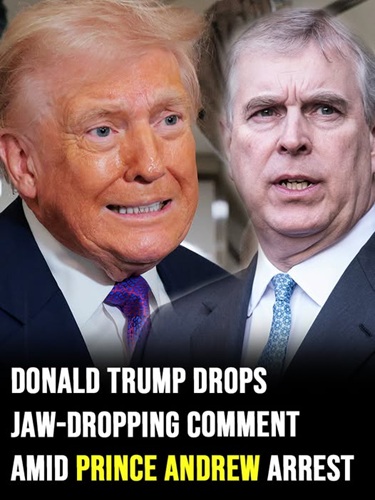
Public interest in Prince Andrew, Duke of York — formally known as Andrew Mountbatten-Windsor — has remained significant in recent years due to his association with the late convicted sex offender Jeffrey Epstein.
However, it is important to clarify that, as of the most recent verified reporting, there has been no confirmed arrest of Prince Andrew related to misconduct in public office or any new criminal allegation.
Speculation and online rumors periodically circulate regarding members of the British royal family, particularly when linked to the wider fallout of the Epstein case.
In the age of rapid digital dissemination, unverified claims can gain traction quickly, underscoring the importance of distinguishing between confirmed legal developments and rumor.
Background: Prince Andrew and Jeffrey Epstein
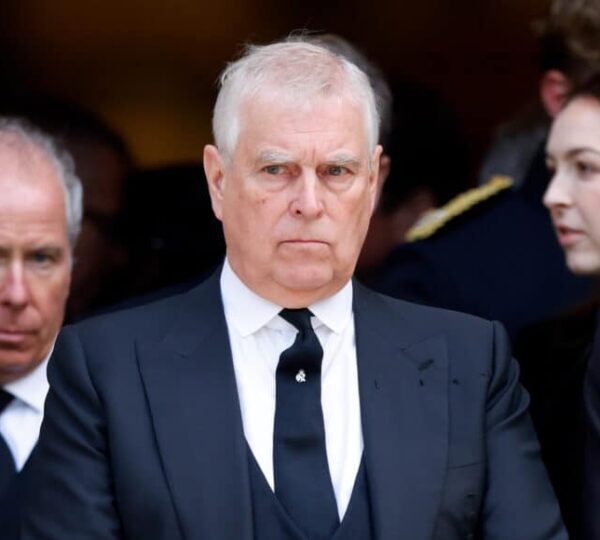
Prince Andrew’s association with Jeffrey Epstein became a matter of global controversy following Epstein’s arrest in 2019 on federal sex trafficking charges in the United States.
Epstein died in custody later that year while awaiting trial, and his death intensified public scrutiny of his network of associates.
Photographs showing Prince Andrew with Epstein, along with allegations raised by Virginia Giuffre (née Roberts), placed the Duke of York under intense media examination.
Prince Andrew consistently denied any wrongdoing. In 2019, he gave a widely discussed television interview to the BBC’s Newsnight, in which he addressed his relationship with Epstein and denied the allegations made against him.
The interview was heavily criticized and ultimately contributed to his decision to step back from public royal duties.
In January 2022, Prince Andrew reached an out-of-court settlement with Virginia Giuffre in a civil case filed in the United States.
The settlement did not include any admission of liability. Legal experts at the time noted that civil settlements often occur for a variety of reasons, including the desire to avoid prolonged litigation and additional public exposure.

Royal Status and Institutional Impact
Following mounting public pressure, Prince Andrew relinquished his military affiliations and royal patronages. Buckingham Palace confirmed that he would no longer carry out public duties on behalf of the monarchy.
He retained his title of Duke of York but ceased using the style “His Royal Highness” in an official capacity.
King Charles III, who ascended to the throne following the death of Queen Elizabeth II in September 2022, has maintained a measured and institutionally focused approach toward controversies involving members of the royal family.
The monarchy’s longstanding practice is to avoid commenting directly on active legal matters or speculation, emphasizing instead the principle that legal processes should proceed independently.
The British monarchy operates within a constitutional framework in which it does not interfere with judicial or law enforcement processes.
This separation reinforces the principle of due process and preserves the political neutrality of the Crown.
Law Enforcement and Due Process
When allegations arise involving public figures, British law enforcement agencies — such as the Metropolitan Police or regional forces including Thames Valley Police — follow established procedures.
Investigations, when opened, are typically announced with carefully worded statements that protect the rights of individuals and the integrity of legal proceedings.
Authorities in the United Kingdom adhere to strict guidelines regarding naming suspects, particularly before formal charges are brought. This reflects both privacy considerations and contempt-of-court laws, which aim to ensure fair trials and prevent prejudicial reporting.
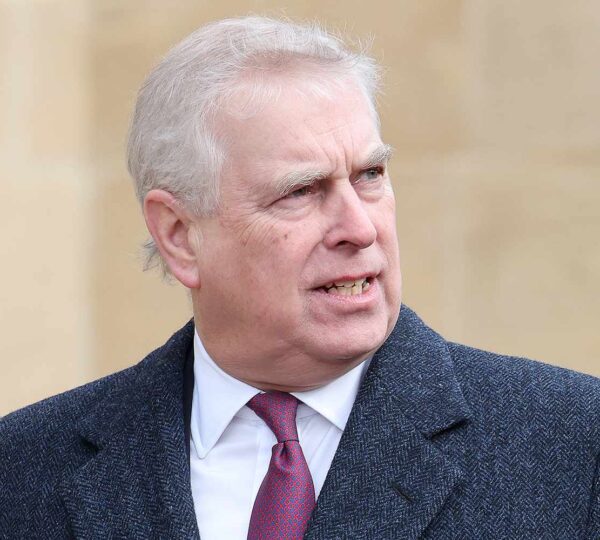
At present, there has been no official confirmation from any UK police authority announcing the arrest of Prince Andrew on suspicion of misconduct in public office.
In high-profile cases, such developments would ordinarily be reported by multiple reputable news organizations and confirmed through official statements.
The Broader Epstein Network Debate
Even years after his death, Jeffrey Epstein’s case continues to generate discussion and controversy. Questions persist in the public sphere about the extent of his network and whether additional investigations could emerge in various jurisdictions.
Multiple high-profile individuals — from business leaders to politicians — have faced public scrutiny over past associations with Epstein.

It is important to note that association alone does not constitute evidence of criminal conduct. Law enforcement agencies in both the United States and the United Kingdom have repeatedly emphasized that investigations rely on credible evidence and established legal standards.
Former U.S. President Donald Trump has also been asked about his past interactions with Epstein. Trump has publicly stated that he distanced himself from Epstein years before Epstein’s 2019 arrest.
As with other public figures, being photographed with Epstein or having known him socially has not, in itself, constituted proof of wrongdoing.
The broader public debate often reflects frustration about the perceived lack of accountability among powerful individuals connected socially or professionally to Epstein. However, legal systems operate on evidentiary thresholds rather than public opinion.
Media Responsibility and Public Discourse
High-profile allegations involving members of royal families or political leaders attract intense media attention. In such cases, responsible journalism requires:
-
Verification through official sources
-
Clear distinction between allegation and proven fact
-
Careful language that avoids presuming guilt
-
Respect for due process
Digital platforms have made it easier for rumors to spread rapidly. False reports of arrests or criminal charges can cause significant reputational harm and may expose publishers to legal consequences under defamation laws.
The British legal system, in particular, includes strict rules regarding contempt of court. Media outlets must avoid publishing material that could prejudice active proceedings.
For this reason, official statements during investigations are typically brief and procedural.
The Monarchy and Public Confidence
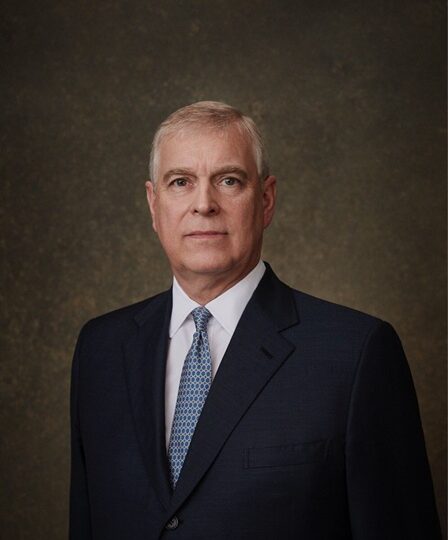
The British monarchy has faced numerous challenges in recent decades, ranging from internal family disputes to broader debates about its constitutional role. Scandals involving individual members can affect public perception of the institution as a whole.
King Charles III has emphasized continuity, duty, and public service since taking the throne. The royal household has sought to streamline working royal roles and maintain institutional stability during periods of controversy.
Public confidence in longstanding institutions often depends on transparency, adherence to the rule of law, and the consistent application of ethical standards.
In cases involving allegations — whether against royals, politicians, or private citizens — the same legal principles apply.
Why Accuracy Matters
When discussing matters involving criminal suspicion or arrest, factual precision is essential. Publishing or repeating unverified claims of arrest can:
-
Damage reputations irreversibly
-
Undermine trust in media sources
-
Interfere with legitimate investigations
-
Violate advertising and publishing standards
Ad-friendly, responsible reporting requires that statements about criminal matters be supported by confirmed, official information.
Where no such confirmation exists, it is appropriate to clarify that reports remain unverified or that no official announcement has been made.
Current Status
As of the most recent verified reporting:
-
Prince Andrew has not been charged with any criminal offense related to misconduct in public office.
-
There has been no confirmed public announcement of his arrest by UK law enforcement authorities.
-
He remains removed from public royal duties but continues to reside in the United Kingdom.
-
Investigations related to Jeffrey Epstein in the United States concluded with Epstein’s death in 2019, while related civil litigation has been settled.
Should any official development occur, it would be formally communicated by relevant authorities and widely reported by established international news organizations.
