
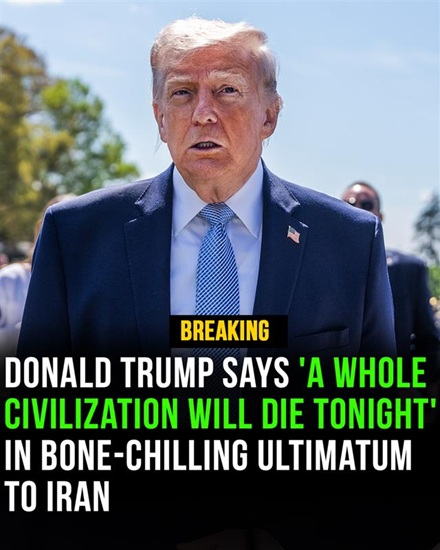
The relationship between United States and Iran has been one of the most complex and closely monitored dynamics in modern international politics, shaped by decades of diplomatic tension and strategic rivalry.
Over time, both nations have experienced cycles of escalation and limited engagement, often influenced by regional developments in the Middle East, global energy markets, and shifting security alliances involving multiple international actors.
Analysts frequently describe this relationship as a combination of deterrence, containment, and cautious signaling, rather than direct and sustained military confrontation between the two countries.
A central element in discussions about regional stability is the Strait of Hormuz, a critical maritime passage through which a significant portion of global oil exports is transported daily.
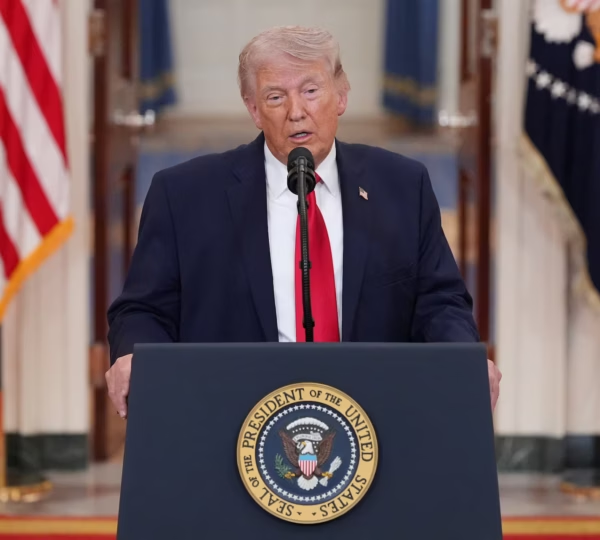
Because of its strategic importance, the Strait of Hormuz is often referenced in geopolitical discourse, particularly during periods of heightened tension involving naval activity or sanctions enforcement.
Any potential disruption in this narrow waterway is widely considered by economists and security experts to have serious implications for global energy prices and international supply chains.
The United States has historically maintained a strong naval and strategic presence in the broader Persian Gulf region, emphasizing freedom of navigation and the protection of international trade routes.
Iran, for its part, has consistently emphasized sovereignty over its territorial waters and surrounding maritime zones, often responding to external pressure with firm political statements.
These differing positions contribute to a long-standing pattern of strategic disagreement, particularly concerning security arrangements in the Gulf region and the enforcement of international sanctions.
Over the years, diplomatic efforts involving intermediaries and international organizations have attempted to reduce tensions and prevent misunderstandings that could escalate into broader regional instability.
Such efforts often focus on crisis management, communication channels, and limited agreements designed to avoid unintended military confrontation in sensitive areas.
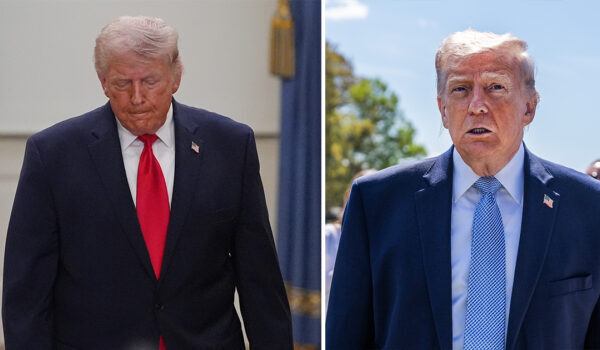
Experts in international relations often highlight that public statements made during periods of tension should be interpreted carefully, as they may serve domestic political purposes or strategic messaging.
Media coverage of U.S.–Iran relations can sometimes amplify uncertainty, especially when statements are reported without full context or when translations vary in interpretation.
For this reason, fact-checking institutions and established international news organizations play a key role in verifying claims before they are widely circulated in global media.
Sanctions have historically been one of the primary tools used by the United States to influence Iran’s economic and political behavior, particularly in relation to nuclear development concerns.
Iran has responded to such measures through a combination of economic adaptation strategies, diplomatic outreach, and regional partnerships aimed at reducing external pressure.
Military presence in the Persian Gulf region has also been a consistent feature of U.S. foreign policy, designed to ensure stability and deter potential disruptions to maritime trade.
At the same time, Iran maintains its own defense posture, including naval capabilities and regional alliances that contribute to a complex security environment.
Regional actors in the Middle East closely monitor developments between the two countries, as any escalation could have significant implications for neighboring states and global markets.
Energy-importing countries around the world are particularly sensitive to tensions involving the Strait of Hormuz, given its importance to global oil and liquefied natural gas transportation.
International diplomatic efforts often involve multiple global powers attempting to mediate or reduce tensions through dialogue, negotiations, or indirect communication channels.
These indirect channels can include third-party states or international institutions that facilitate communication when formal diplomatic relations are limited or strained.
Despite periodic crises, both the United States and Iran have generally avoided direct large-scale military conflict, reflecting the high risks associated with escalation.
Instead, interactions between the two countries have often taken place through proxy conflicts, economic pressure, and diplomatic signaling rather than direct battlefield engagement.
Proxy dynamics in the region contribute to ongoing instability, as various aligned groups and regional partners become involved in overlapping security disputes.
These indirect conflicts can increase tensions even when official state-level communication remains limited or cautious in tone.
International observers often emphasize the importance of restraint, particularly in sensitive maritime zones where miscalculation could lead to unintended escalation.
Naval encounters and maritime interceptions in the Gulf have occasionally heightened concerns among global security analysts and policymakers.
However, such incidents are typically managed through established communication protocols and diplomatic engagement to prevent further escalation.
Global energy markets tend to react quickly to news involving the Strait of Hormuz, reflecting its central role in international trade stability.
As a result, even speculative reports about potential disruptions can influence market sentiment and economic forecasts worldwide.
Diplomatic negotiations related to Iran’s nuclear program have also played a significant role in shaping the broader context of U.S.–Iran relations.
These negotiations have involved multiple international stakeholders aiming to establish frameworks for monitoring and limiting nuclear development activities.
Although progress has varied over time, diplomatic engagement has remained an important channel for reducing the risk of escalation.
Security analysts often note that long-term stability in the region depends on sustained dialogue, mutual understanding, and verification mechanisms.
Economic interdependence between global markets further reinforces the importance of maintaining stability in key maritime corridors like the Strait of Hormuz.
In many cases, international cooperation focuses on ensuring uninterrupted energy flows and reducing the risk of disruptions caused by political tensions.
Public discourse around U.S.–Iran relations often reflects heightened emotions, especially during periods of regional conflict or political transition.
However, policy decisions are typically shaped by long-term strategic considerations rather than short-term statements or media narratives.
Think tanks and academic institutions regularly analyze developments between the two countries to provide context and policy recommendations.
These analyses often emphasize the importance of avoiding misinterpretation of statements that may be rhetorical or intended for domestic audiences.
The broader geopolitical environment in the Middle East also influences U.S.–Iran relations, including conflicts, alliances, and economic dependencies involving neighboring countries.
As global energy demand continues, the strategic importance of maritime routes like the Strait of Hormuz is expected to remain high.
This ensures that international attention on the region will continue, particularly during periods of diplomatic uncertainty or regional instability.
Ultimately, the relationship between the United States and Iran remains characterized by cautious engagement, strategic competition, and ongoing efforts to manage risks.
Despite longstanding differences, both sides continue to operate within a framework that prioritizes avoiding uncontrolled escalation and maintaining regional stability where possible.
