
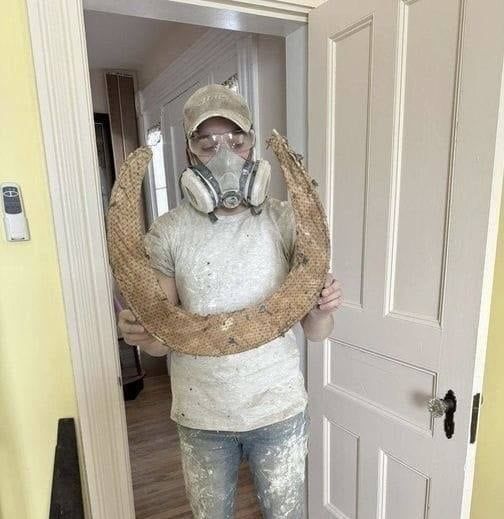
The hips are back — and they are louder, more deliberate, and more visible than ever before. What once existed as a niche historical garment, largely hidden beneath layers of fabric.
Has reemerged in contemporary fashion as a bold and unmistakable statement. From high-fashion runways and red carpets to editorial spreads and social media feeds.
Exaggerated hip silhouettes are once again commanding attention. At the center of this revival is the bum roll, a padded structure that dates back to the 16th century. Historically worn under gowns to enhance the hips and support heavy skirts, the bum roll was never meant to be seen.
It functioned as an architectural foundation, shaping the body to fit the beauty standards and social codes of the Renaissance era. Today, however, the bum roll has shed its role as a hidden support.
Modern designers are bringing it into full view, transforming it into a visible, intentional, and often provocative element of design.
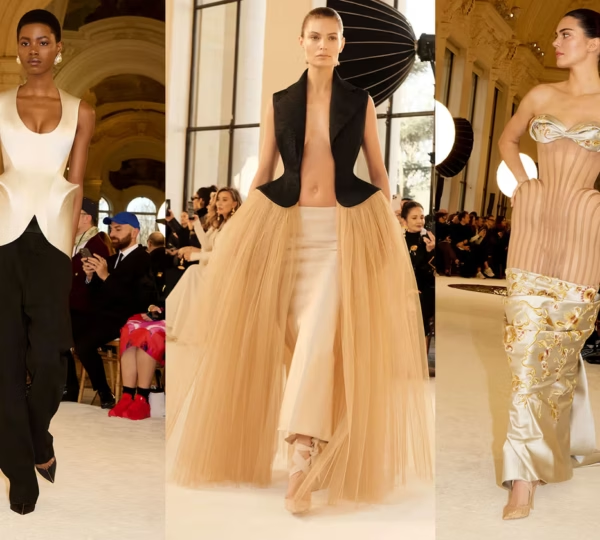
This resurgence is not happening in isolation. Fashion has always looked to the past for inspiration, reworking historical forms to speak to contemporary values.
What makes the bum roll’s return particularly striking is the way it has been recontextualized. No longer about concealing structure beneath elegance, the modern bum roll is about exposure, exaggeration, and conversation.
It invites the viewer to question why certain body shapes are emphasized, who decides what silhouettes are desirable, and how clothing shapes identity.
A Brief History of the Bum Roll
The bum roll originated in Europe during the late Renaissance, particularly in the 1500s. It was commonly worn by women of the upper classes and consisted of a padded crescent or sausage-shaped roll tied around the waist. Positioned at the hips, it pushed skirts outward, creating a wide, bell-shaped silhouette.
This shape was associated with wealth, status, and femininity. Large skirts required significant amounts of fabric, which only affluent individuals could afford, making exaggerated hips a visual marker of social standing.
Importantly, the bum roll was never intended to alter the body permanently. Unlike corsets, which compressed the torso, the bum roll was removable and external.
It shaped clothing rather than the body itself. In this sense, it functioned more like a structural accessory than a tool of bodily restriction.
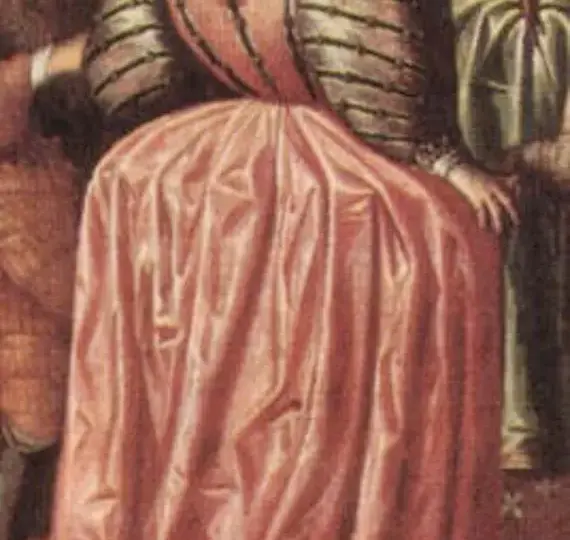
Over time, the bum roll fell out of favor as fashion silhouettes changed. Bustles, panniers, and later crinolines took its place, each reflecting shifting ideals of beauty and proportion.
By the modern era, the bum roll had largely disappeared from everyday clothing, surviving mainly in historical reenactments, theater, and costume design.
The Modern Revival
The bum roll’s return to fashion is part of a broader movement toward exaggerated silhouettes and sculptural garments. In recent years, designers have increasingly embraced volume, padding, and unconventional proportions.
Oversized shoulders, ballooned sleeves, corseted waists, and structured hips all reflect a desire to move beyond minimalism and explore fashion as form and concept.
What distinguishes today’s bum roll from its historical counterpart is visibility. Contemporary designers are not hiding padding beneath skirts. Instead, they highlight it through tailored dresses, transparent fabrics, molded structures, and even detachable hip elements. The result is a silhouette that feels both historical and futuristic at the same time.
This approach aligns with fashion’s current interest in body modification without permanence. Just as makeup, wigs, and prosthetics allow temporary transformation, padded hips offer a way to experiment with shape without altering the body itself. The bum roll becomes a tool for self-expression rather than conformity.
Divided Opinions and Cultural Debate
As with any bold trend, the bum roll’s resurgence has sparked debate. Some critics argue that exaggerated hip padding is excessive, impractical, or even regressive. They worry that reviving historical silhouettes could reinforce outdated ideals about femininity or objectification.
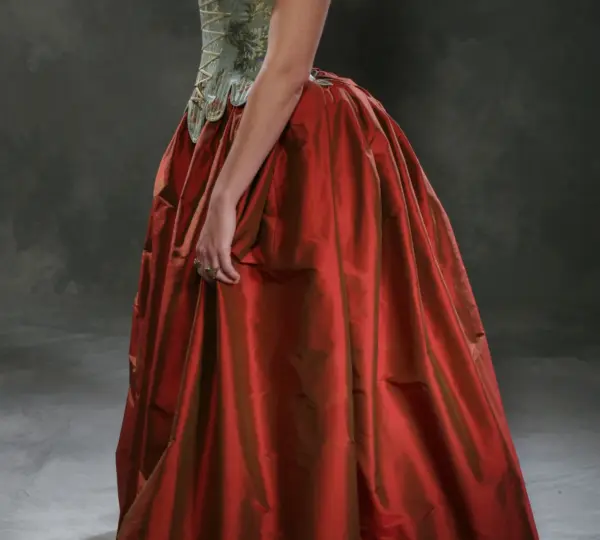
Others, however, see the trend as playful, empowering, and intellectually rich. Supporters argue that visible padding exposes the artificial nature of beauty standards rather than reinforcing them.
By making the construction obvious, designers challenge the idea that bodies must naturally conform to specific shapes. Instead of pretending that exaggerated curves are “natural,” the bum roll openly declares itself as design.
Fashion scholars have noted that this transparency shifts power back to the wearer. When structure is visible, it becomes a choice rather than a deception. The wearer is not hiding behind illusion but engaging in performance. Clothing becomes commentary.
Gender, Power, and Space
One of the most compelling aspects of the bum roll’s return is its relationship to gender and power. Historically associated with women’s fashion, the exaggerated hip silhouette is now appearing in gender-neutral and menswear collections as well.
Designers are experimenting with padded hips on all bodies, challenging the idea that curves belong exclusively to one gender.
This expansion reflects a broader cultural conversation about who is allowed to take up space. In fashion, volume often equates to presence. Wide shoulders, full skirts, and padded hips demand attention. They resist invisibility. In this sense, the bum roll becomes symbolic. It asks whether occupying space is an act of confidence, rebellion, or self-definition.
By reviving and reworking a Renaissance silhouette, designers blur the line between costume and clothing, history and modernity. The bum roll is no longer about imitating the past. It is about using the past as a lens through which to examine the present.
From Runway to Streetwear
While the bum roll may seem like a couture-only phenomenon, its influence extends far beyond high fashion. Elements of the trend have filtered into streetwear, styling, and everyday clothing.
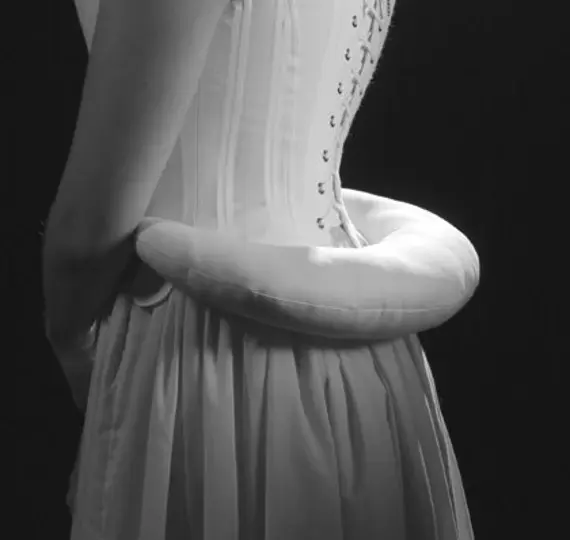
Subtle hip padding, structured tailoring, and garments designed to emphasize curves are becoming more common.
Some versions offer only a gentle enhancement, adding softness and shape rather than dramatic volume. Others embrace exaggeration fully, creating sculptural silhouettes that transform the body into a living artwork. This range allows individuals to engage with the trend at their own comfort level.
Importantly, the bum roll’s modern interpretation is not limited to historical aesthetics. Designers are using contemporary materials such as foam, neoprene, mesh, and recycled textiles.
These innovations give the silhouette a modern edge while reinforcing fashion’s ongoing dialogue with sustainability and experimentation.
The Body as Artistic Expression
At its core, the bum roll’s revival underscores a fundamental idea: the body in fashion is not static. It is a canvas. Padding, tailoring, and structure allow clothing to reshape the body temporarily, offering new ways to explore identity and presence.
Rather than hiding imperfections or conforming to narrow ideals, exaggerated silhouettes celebrate artifice. They remind us that fashion has always been about transformation. Just as makeup alters the face and shoes change posture, padding changes proportion.
Each version of the bum roll offers a choice. It can soften a silhouette, dramatize it, or challenge expectations entirely. The wearer controls how loud the shape speaks. In doing so, fashion becomes participatory rather than prescriptive.
A Dialogue Between Past and Present
The return of the bum roll also highlights a familiar truth in fashion: the past never truly disappears. Instead, it resurfaces in new forms, shaped by contemporary values and concerns. What once symbolized wealth and hierarchy now becomes a tool for commentary, creativity, and self-expression.
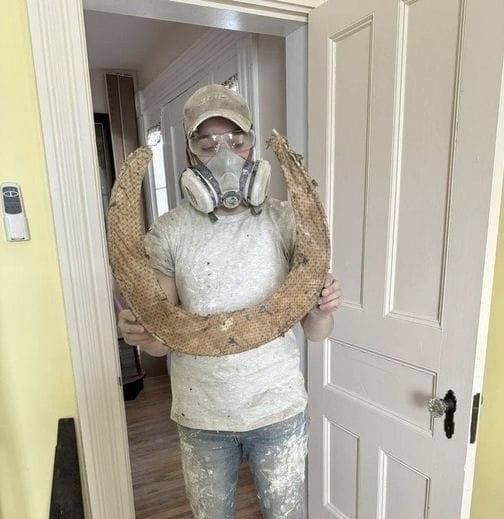
By revisiting historical garments, designers engage in a dialogue across time. They ask which elements are worth preserving, which deserve reinterpretation, and how meaning shifts with context. The bum roll’s journey from hidden undergarment to visible design feature exemplifies this process.
Conclusion
The bum roll’s modern revival is more than a fleeting trend. It is a reflection of fashion’s ability to reinterpret history, challenge norms, and spark conversation. By bringing exaggerated hips back into view, designers invite us to reconsider ideas about beauty, gender, power, and authenticity.
Far from being a novelty, the bum roll now exists across a wide spectrum of styles, from avant-garde couture to wearable everyday fashion. It allows individuals to experiment with form, reclaim visibility, and express identity through shape.
In embracing this once-forgotten accessory, fashion acknowledges that innovation often begins with remembrance. The past does not vanish; it evolves. With new fabrics, new meanings, and new voices, the bum roll confidently steps back into the spotlight — not as a relic, but as a statement.
