...

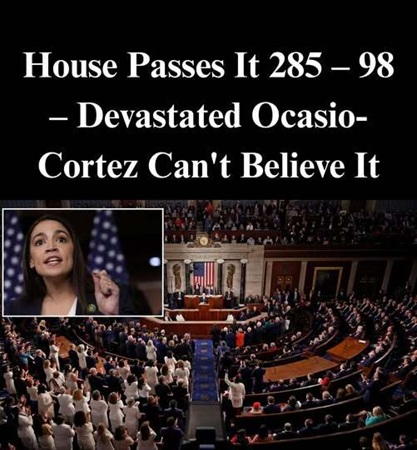
Democrats and Republicans unite to pass a resolution formally denouncing socialism, marking a rare moment of bipartisan consensus in Congress. The development comes ahead of the high-profile Trump-Mamdani meeting, sparking renewed national discussion on economic policies and government direction.

New York City’s next mayor, Zohran Mamdani, is entering office under an unusual kind of scrutiny — one that extends far beyond the boroughs of the city he will lead.

As a self‑described democratic socialist, Mamdani’s ascent to the top job in America’s largest city has captured national attention, and not only from progressive supporters celebrating a historic victory.

In Washington, D.C., lawmakers have used his arrival to focus political fire on his ideology in a way that few local political figures ever experience.

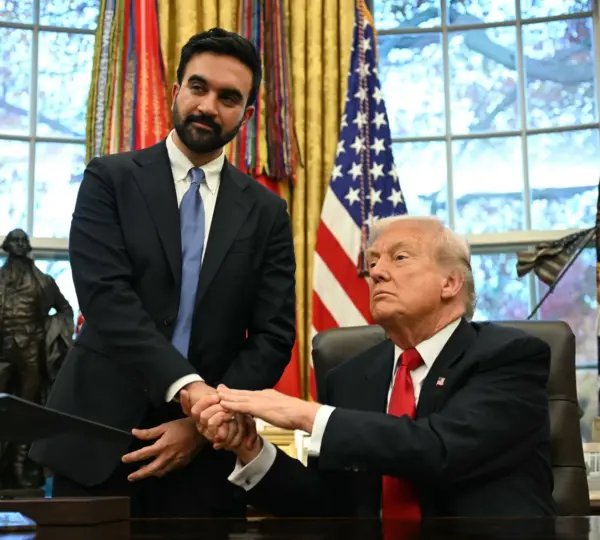
Just hours before Mamdani arrived in the nation’s capital for his first meeting with former President Donald Trump, the U.S. House of Representatives passed a symbolic resolution condemning the “horrors of socialism.”

The vote came at a moment that underscored deep political tensions — between the national GOP and a rising progressive force in local politics — and highlighted how polarized contemporary American political discourse has become.
A Resolution With National Implications

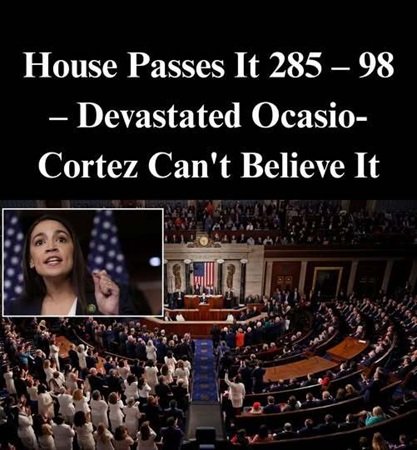
On November 21, 2025, the House voted 285–98 to adopt a resolution that denounced socialism in all its forms, a measure introduced weeks earlier by Republican Representative Maria Elvira Salazar of Florida.

The resolution’s language — which included historical references to socialist and communist regimes and their consequences — was designed not only to make a political point, but to signal ideological opposition to the policies and framework associated with Mamdani’s political philosophy.

While the resolution carried no force of law, its timing and bipartisan support — including votes from 86 Democrats — reflected unease that runs deep within the Democratic Party and the broader political landscape.

Among the Democrats voting for the resolution were House Minority Leader Hakeem Jeffries and several New York lawmakers such as Reps. Ritchie Torres, Greg Meeks, Grace Meng, Laura Gillen, and Tom Suozzi.

Suozzi, in particular, had been publicly critical of Mamdani during the mayoral campaign, illustrating the divide between traditional establishment Democrats and the progressive wing that propelled Mamdani to victory.

On the other hand, prominent progressives — including figures like Rep. Maxine Waters — opposed the condemnation, arguing that debate should focus on solutions to pressing problems such as inflation, housing costs, and healthcare, rather than attacking ideological labels.

Waters contended that the floor could have been used to consider tangible ways to improve living standards for Americans rather than symbolic rebukes.

Some Republicans, like Rep. Nicole Malliotakis of New York, cited personal history in their support for the resolution.

Malliotakis invoked her mother’s flight from Cuba in 1959, describing it as an escape from socialist oppression and equating Mamdani’s platform with policies she believes undermine American freedoms.
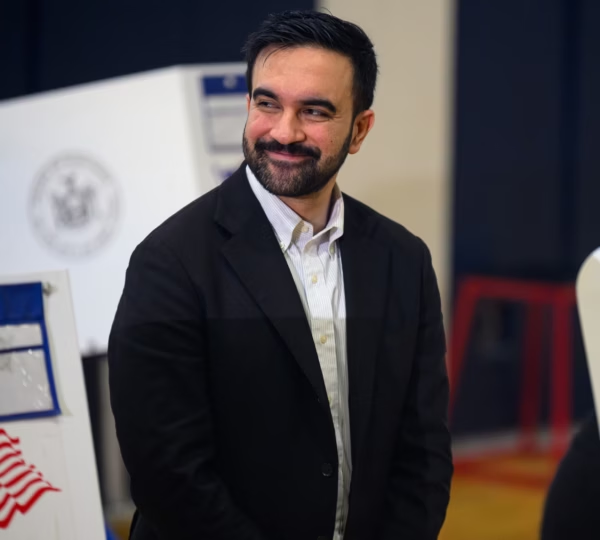
For critics, the vote underscored broader anxieties about socialism following Mamdani’s election.

For supporters, it represented a misuse of legislative attention at a time when everyday economic anxieties — like rising rents and grocery costs — remain urgent for many families.

Mamdani’s Response: Focus on Local Priorities

Mamdani himself downplayed the resolution’s significance. In remarks from the Oval Office following his meeting with Trump, he emphasized his commitment to substantive governance over symbolic clashes.

“I focus very little on resolutions,” he told reporters, adding that his priority is tackling the affordability crisis facing New Yorkers.

“I am someone who is a democratic socialist,” Mamdani said openly, “and I’ve been very clear about that.

But differences in ideology do not prevent us from working together on the issues that matter most to the people of this city.”

Mamdani’s self‑identification with democratic socialism is not abstract; it reflects a set of policy priorities that helped propel him to victory in a city where affordability, inequality, and housing have dominated public debate.

His campaign emphasized rent freezes for rent‑stabilized apartments, expanded social services, progressive taxation on high earners and corporations, and increased public investment in areas such as transportation and food access.

Even so, the national framing of his ideology has become a lightning rod for criticism.

Some commentators and opponents have weaponized fears about socialism, conflating Mamdani’s democratic socialist platform with far‑left models of governance that are historically associated with state control of industries and the economy — a distinction important to many scholars and political observers.
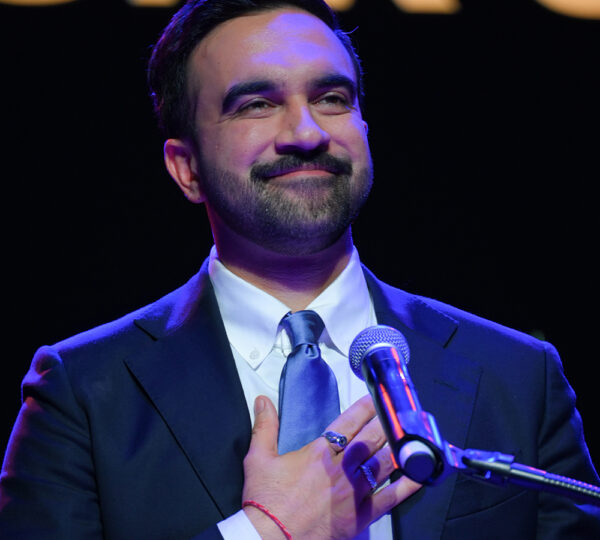
Critics, however, have seized on the term itself as a tool to stoke concern among voters who view socialism as antithetical to American political traditions rooted in capitalism and liberal democracy.

An Unlikely Washington Meeting: From Hostility to Cooperation

Mamdani’s arrival in Washington was widely billed as potentially contentious — not only because of the House resolution but also because of his long record of criticism toward former President Trump.

During the 2025 mayoral campaign, Mamdani painted Trump as emblematic of political forces hindering progress, particularly on issues like immigration enforcement, housing, and corporate influence.

Yet on the day of their meeting, the tone shifted in ways that surprised many political observers.

In coverage by major outlets such as ABC News, President Trump described his discussion with Mamdani as “great” and suggested that the mayor‑elect “might surprise some conservative people” with his approach in office.

Trump indicated that he expects to be helpful rather than adversarial, citing areas of potential collaboration such as lowering rents, reducing crime, and tackling affordability challenges.

While Trump acknowledged that Mamdani’s views were “a little out there” compared to traditional conservative positions, he expressed optimism about the city’s future and stressed that both leaders could find common ground on practical issues affecting millions of New Yorkers.

“I want him to do a great job and will help him do a great job,” Trump said, showing a notably more cooperative posture than his earlier campaign‑period criticisms.

This dynamic is significant for several reasons. First, it highlights how political rhetoric can shift rapidly when leaders engage directly.

Second, it suggests that even deeply polarized figures may find avenues for collaboration when common challenges — such as urban affordability, crime, and economic growth — are at stake.

Analysts see such moments not as erasing ideological differences, but as evidence that governance requires negotiation and pragmatic alignment on shared priorities.

Political Divides Within the Democratic Party

Mamdani’s rising profile has also exposed fissures within his own political party. While he ran as a Democrat and drew endorsements from key progressive figures, his long‑standing alignment with the Democratic Socialists of America (DSA) put him at odds with segments of the party establishment.

House Minority Leader Hakeem Jeffries — who eventually endorsed Mamdani late in the mayoral race — represents a faction of Democratic leadership that seeks moderation and broader appeal in national elections.

Many centrist Democrats were cautious throughout the mayoral race, concerned that embracing a self‑described democratic socialist in the nation’s largest city could provide political ammunition to opponents in swing districts and future statewide or national contests.

This concern was reflected in the House resolution, where a significant minority of Democratic votes crossed party lines to support the condemnatory language.

On the grassroots side, Mamdani’s coalition included energized young voters, labor activists, and advocates for more robust public services.

They saw his victory as a rejection of entrenched party hierarchies and a fresh mandate for policies aimed at reducing inequality and making New York more affordable for working families — priorities that remain central to his transition agenda.

Beyond the Resolution: Governance and Public Expectations

As Mamdani prepares to formally take office, the question for both supporters and critics shifts from ideology to governance: how will he translate his campaign promises into policy in a city grappling with long‑standing challenges?

Mamdani’s focus on issues like rent, transportation costs, food access, and economic inequality resonates with many voters who felt left behind by previous administrations.

However, critics argue that his proposals — such as freezing rents citywide or creating city‑run grocery stores — may face legal, financial, and logistical hurdles once he assumes office.

National observers point out that New York City’s budgetary realities — including a multi‑billion‑dollar shortfall — will require deft negotiation with state authorities and federal partners.

In that context, Mamdani’s willingness to meet with Trump and seek cooperation signals a potentially pragmatic streak in his approach to leadership, even as ideological debates continue to swirl.

What It All Means for the Future

The backlash in the House against socialism, timed alongside Mamdani’s Washington visit, may be remembered as more than symbolic posturing.

It reflected broader anxieties in American politics about how rapidly political labels are evolving, how local elections can have national resonance, and how ideological battles play out both inside and outside party lines.

For Mamdani, the real test will come not in resolutions or headlines, but in the day‑to‑day governance of a city of more than 8.5 million people.
If he can make meaningful progress on affordability and quality of life — while building working relationships across political divides — his tenure may reshape how democratic socialism is viewed in mainstream American politics.

In the meantime, observers will be watching closely.

Not only for policy developments in New York City, but for how a rising national figure navigates ideological criticism, political cooperation, and the expectations of a diverse and demanding electorate.

The spotlight at the intersection of local leadership and national debate is unlikely to fade soon — and the story of Zohran Mamdani’s ascent, and what comes next, will be among the defining political narratives of the year ahead.

New York City’s next mayor, Zohran Mamdani, is entering office under an unusual kind of scrutiny — one that extends far beyond the boroughs of the city he will lead.

As a self‑described democratic socialist, Mamdani’s ascent to the top job in America’s largest city has captured national attention, and not only from progressive supporters celebrating a historic victory.

In Washington, D.C., lawmakers have used his arrival to focus political fire on his ideology in a way that few local political figures ever experience.

Just hours before Mamdani arrived in the nation’s capital for his first meeting with former President Donald Trump, the U.S. House of Representatives passed a symbolic resolution condemning the “horrors of socialism.”

The vote came at a moment that underscored deep political tensions — between the national GOP and a rising progressive force in local politics — and highlighted how polarized contemporary American political discourse has become.

A Resolution With National Implications

On November 21, 2025, the House voted 285–98 to adopt a resolution that denounced socialism in all its forms, a measure introduced weeks earlier by Republican Representative Maria Elvira Salazar of Florida.

The resolution’s language — which included historical references to socialist and communist regimes and their consequences — was designed not only to make a political point, but to signal ideological opposition to the policies and framework associated with Mamdani’s political philosophy.

While the resolution carried no force of law, its timing and bipartisan support — including votes from 86 Democrats — reflected unease that runs deep within the Democratic Party and the broader political landscape.

Among the Democrats voting for the resolution were House Minority Leader Hakeem Jeffries and several New York lawmakers such as Reps. Ritchie Torres, Greg Meeks, Grace Meng, Laura Gillen, and Tom Suozzi.

Suozzi, in particular, had been publicly critical of Mamdani during the mayoral campaign, illustrating the divide between traditional establishment Democrats and the progressive wing that propelled Mamdani to victory.

On the other hand, prominent progressives — including figures like Rep. Maxine Waters — opposed the condemnation, arguing that debate should focus on solutions to pressing problems such as inflation, housing costs, and healthcare, rather than attacking ideological labels.

Waters contended that the floor could have been used to consider tangible ways to improve living standards for Americans rather than symbolic rebukes.

Some Republicans, like Rep. Nicole Malliotakis of New York, cited personal history in their support for the resolution.

Malliotakis invoked her mother’s flight from Cuba in 1959, describing it as an escape from socialist oppression and equating Mamdani’s platform with policies she believes undermine American freedoms.

For critics, the vote underscored broader anxieties about socialism following Mamdani’s election.

For supporters, it represented a misuse of legislative attention at a time when everyday economic anxieties — like rising rents and grocery costs — remain urgent for many families.

Mamdani’s Response: Focus on Local Priorities

Mamdani himself downplayed the resolution’s significance. In remarks from the Oval Office following his meeting with Trump, he emphasized his commitment to substantive governance over symbolic clashes.

“I focus very little on resolutions,” he told reporters, adding that his priority is tackling the affordability crisis facing New Yorkers.

“I am someone who is a democratic socialist,” Mamdani said openly, “and I’ve been very clear about that.

But differences in ideology do not prevent us from working together on the issues that matter most to the people of this city.”

Mamdani’s self‑identification with democratic socialism is not abstract; it reflects a set of policy priorities that helped propel him to victory in a city where affordability, inequality, and housing have dominated public debate.

His campaign emphasized rent freezes for rent‑stabilized apartments, expanded social services, progressive taxation on high earners and corporations, and increased public investment in areas such as transportation and food access.

Even so, the national framing of his ideology has become a lightning rod for criticism.

Some commentators and opponents have weaponized fears about socialism, conflating Mamdani’s democratic socialist platform with far‑left models of governance that are historically associated with state control of industries and the economy — a distinction important to many scholars and political observers.

Critics, however, have seized on the term itself as a tool to stoke concern among voters who view socialism as antithetical to American political traditions rooted in capitalism and liberal democracy.

An Unlikely Washington Meeting: From Hostility to Cooperation

Mamdani’s arrival in Washington was widely billed as potentially contentious — not only because of the House resolution but also because of his long record of criticism toward former President Trump.

During the 2025 mayoral campaign, Mamdani painted Trump as emblematic of political forces hindering progress, particularly on issues like immigration enforcement, housing, and corporate influence.

Yet on the day of their meeting, the tone shifted in ways that surprised many political observers.

In coverage by major outlets such as ABC News, President Trump described his discussion with Mamdani as “great” and suggested that the mayor‑elect “might surprise some conservative people” with his approach in office.

Trump indicated that he expects to be helpful rather than adversarial, citing areas of potential collaboration such as lowering rents, reducing crime, and tackling affordability challenges.

While Trump acknowledged that Mamdani’s views were “a little out there” compared to traditional conservative positions, he expressed optimism about the city’s future and stressed that both leaders could find common ground on practical issues affecting millions of New Yorkers.

“I want him to do a great job and will help him do a great job,” Trump said, showing a notably more cooperative posture than his earlier campaign‑period criticisms.

This dynamic is significant for several reasons. First, it highlights how political rhetoric can shift rapidly when leaders engage directly.

Second, it suggests that even deeply polarized figures may find avenues for collaboration when common challenges — such as urban affordability, crime, and economic growth — are at stake.

Analysts see such moments not as erasing ideological differences, but as evidence that governance requires negotiation and pragmatic alignment on shared priorities.

Political Divides Within the Democratic Party

Mamdani’s rising profile has also exposed fissures within his own political party. While he ran as a Democrat and drew endorsements from key progressive figures, his long‑standing alignment with the Democratic Socialists of America (DSA) put him at odds with segments of the party establishment.

House Minority Leader Hakeem Jeffries — who eventually endorsed Mamdani late in the mayoral race — represents a faction of Democratic leadership that seeks moderation and broader appeal in national elections.

Many centrist Democrats were cautious throughout the mayoral race, concerned that embracing a self‑described democratic socialist in the nation’s largest city could provide political ammunition to opponents in swing districts and future statewide or national contests.

This concern was reflected in the House resolution, where a significant minority of Democratic votes crossed party lines to support the condemnatory language.

On the grassroots side, Mamdani’s coalition included energized young voters, labor activists, and advocates for more robust public services.

They saw his victory as a rejection of entrenched party hierarchies and a fresh mandate for policies aimed at reducing inequality and making New York more affordable for working families — priorities that remain central to his transition agenda.

Beyond the Resolution: Governance and Public Expectations

As Mamdani prepares to formally take office, the question for both supporters and critics shifts from ideology to governance: how will he translate his campaign promises into policy in a city grappling with long‑standing challenges?

Mamdani’s focus on issues like rent, transportation costs, food access, and economic inequality resonates with many voters who felt left behind by previous administrations.

However, critics argue that his proposals — such as freezing rents citywide or creating city‑run grocery stores — may face legal, financial, and logistical hurdles once he assumes office.

National observers point out that New York City’s budgetary realities — including a multi‑billion‑dollar shortfall — will require deft negotiation with state authorities and federal partners.

In that context, Mamdani’s willingness to meet with Trump and seek cooperation signals a potentially pragmatic streak in his approach to leadership, even as ideological debates continue to swirl.

What It All Means for the Future

The backlash in the House against socialism, timed alongside Mamdani’s Washington visit, may be remembered as more than symbolic posturing.

It reflected broader anxieties in American politics about how rapidly political labels are evolving, how local elections can have national resonance, and how ideological battles play out both inside and outside party lines.

For Mamdani, the real test will come not in resolutions or headlines, but in the day‑to‑day governance of a city of more than 8.5 million people.

If he can make meaningful progress on affordability and quality of life — while building working relationships across political divides — his tenure may reshape how democratic socialism is viewed in mainstream American politics.

In the meantime, observers will be watching closely.

Not only for policy developments in New York City, but for how a rising national figure navigates ideological criticism, political cooperation, and the expectations of a diverse and demanding electorate.

The spotlight at the intersection of local leadership and national debate is unlikely to fade soon — and the story of Zohran Mamdani’s ascent, and what comes next, will be among the defining political narratives of the year ahead.