
Raising children in today’s world is far more complex than it appears. Parents face constant scrutiny—not only from family members but also from strangers online, who often judge decisions without understanding the context.
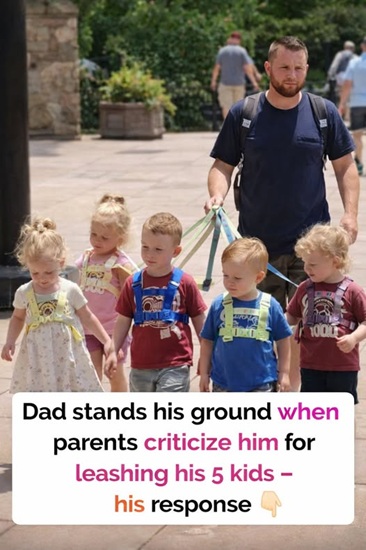
For Jordan Driskell, a 31-year-old father living in the United States, raising five energetic five-year-old children simultaneously presents a unique set of challenges.
His quintuplets require constant attention, supervision, and guidance, especially in public settings. The Driskell family previously relied on a six-seat stroller to transport the quintuplets during outings.
While this solution offered structure, it quickly became impractical, cumbersome, and uncomfortable for both the children and the parents during long trips.

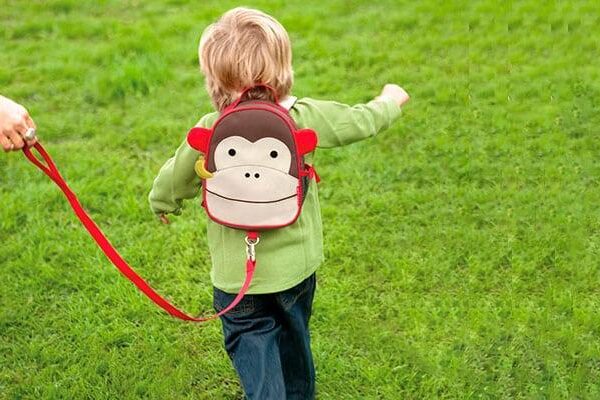
To address these difficulties, Driskell introduced child safety leashes as a practical tool. These leashes allow each child more freedom to explore their environment while remaining close enough for safety and supervision.
The leashes provide a balance between mobility and security. Children can walk, engage with their surroundings, and interact with one another, which encourages independence while ensuring the parent maintains control in crowded or potentially dangerous locations.
The solution was put to the test during a family visit to a local aquarium. Driskell documented the outing, capturing the quintuplets exploring exhibits, asking questions, and moving around freely, all while safely tethered to the leashes.
Once the video was shared online, it quickly went viral. Within days, it amassed over three million views and sparked intense debate across social media platforms, attracting both praise and criticism from viewers worldwide.
Critics argued that using leashes was inappropriate and degrading, suggesting that tethering children resembled the treatment of animals rather than respecting their autonomy. Others questioned the parents’ ability to manage such a large family responsibly.
Despite the backlash, many parenting experts defended the Driskells’ decision. Dr. Deborah Gilboa, a well-known parenting specialist, emphasized that child safety leashes, when used appropriately, do not harm a child’s physical or emotional development.
Dr. Gilboa explained that the alternative to using a leash could be keeping children confined at home or restricting their natural curiosity. In these cases, leashes may serve as a safer, temporary solution for young children.
She also highlighted that leashes can be especially useful for neurodiverse children or those with high energy levels, helping reduce the risk of accidents while providing parents peace of mind in busy public environments.
Safety tools like leashes should be seen as one part of a broader parenting strategy. Experts encourage combining their use with education, consistent rules, and ongoing communication about boundaries and safe behaviors.
Over time, as children grow older, Dr. Gilboa noted, parents can gradually transition away from physical restraints, placing greater emphasis on verbal instruction, trust-building, and teaching children situational awareness in public spaces.

Parenting styles naturally differ, and experts argue that society should respect the choices parents make to ensure their children’s safety. Not every family has the same resources, support, or circumstances, which affects their decisions.
The Driskells’ approach reflects a pragmatic response to the realities of raising five children simultaneously. Balancing independence, engagement, and safety in public requires creative solutions that prioritize well-being without compromising mobility.
Public reactions often reveal more about societal expectations than the actual practice of parenting. Criticism can stem from personal biases or lack of understanding about the unique logistics of raising multiples.
Some viewers celebrated Driskell’s ingenuity, praising him for keeping the children safe while allowing them autonomy and freedom to explore, which is essential for learning and cognitive development at early ages.
Using leashes does not replace supervision. Driskell remains actively engaged, guiding the children, answering questions, and monitoring their interactions with exhibits and other visitors, demonstrating that tools are an extension of attentive parenting rather than a replacement.
For families with multiple young children, tools like leashes, wrist straps, or harnesses can reduce parental stress while maintaining a safe environment. They offer practical support without impeding a child’s curiosity or social development.
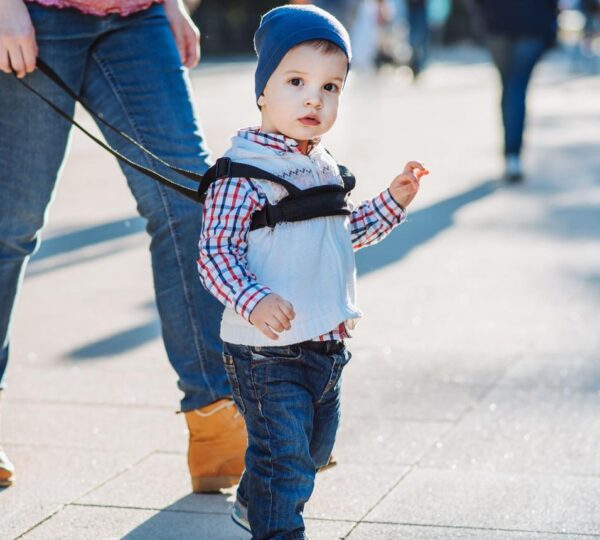
Children naturally seek exploration and movement, and well-designed safety devices can complement these developmental needs. In large families, such tools enable structured freedom, which can enhance confidence and teach early lessons about boundaries.
The conversation around leashes also reflects a broader societal dialogue about parenting judgment. Parents are often scrutinized for decisions made in the best interest of children, highlighting the need for empathy and understanding online.
Driskell’s experience underscores the challenges of managing multiple children in public settings. Outings that might be simple for smaller families can become complex logistical exercises requiring planning, patience, and creative problem-solving.
Child safety leashes are widely used in many countries as an accepted parenting tool. Research indicates that when used responsibly, they do not impede physical or emotional growth but provide temporary support for safety and supervision.
The debate over leashes often raises emotional responses because it touches on autonomy, discipline, and parental responsibility. Experts stress that context matters, and tools should not be judged in isolation without considering family circumstances.
Driskell’s quintuplets benefit from these outings, which expose them to new environments, social interactions, and educational experiences. The leashes ensure that exploration can occur safely without risking separation or accidents.
Family outings also support parental well-being. Reducing anxiety about losing track of multiple children allows parents to focus on teaching, guiding, and enjoying time with their children, which is essential for strong familial bonds.
Safety leashes, while controversial, serve as one example of adaptive parenting. Families may adopt different strategies depending on age, temperament, environment, and risk level, emphasizing flexibility rather than rigid rules.
Many pediatric and child development specialists encourage parents to use tools that increase safety, especially in crowded or high-risk settings. The key is responsible implementation and ensuring that children’s dignity and independence are respected.
Driskell’s video, while sparking debate, also provides a case study for parents of multiples. It demonstrates that practical solutions can be both effective and humane, promoting safety, autonomy, and positive developmental outcomes simultaneously.
Ultimately, the use of leashes highlights the importance of context-based parenting. Each family must weigh risks, benefits, and children’s developmental needs to make informed choices that maintain safety without stifling growth.
Parenting is inherently challenging, especially when managing multiple young children simultaneously. Creative strategies, adaptive tools, and attentive supervision are essential to ensuring that children remain safe, happy, and engaged in their environments.
Society benefits from reframing conversations about parenting. Instead of harsh criticism, discussions can focus on education, support, and evidence-based strategies that empower parents to make the best decisions for their children.
Driskell’s approach reminds us that parenting is not one-size-fits-all. What works for one family may be impractical or unnecessary for another, and empathy should guide both public opinion and professional advice.
While leashes may provoke strong reactions, they are ultimately a tool to enhance safety and well-being. Used thoughtfully, they allow parents to balance freedom, exploration, and protection, which is especially important for young children.
As children mature, the reliance on physical tools diminishes. Parents can focus more on teaching situational awareness, social responsibility, and personal safety, allowing children to develop independence gradually under supervision.
Driskell’s experience also highlights the importance of resilience for parents. Managing public scrutiny while making decisions based on safety and practicality requires confidence, consistency, and trust in one’s parenting approach.
Parental decisions, whether using leashes or alternative strategies, should be evaluated on intent and outcome. Tools that prevent harm and promote safe exploration serve a critical role in ensuring positive developmental experiences.
Ultimately, the discussion around leashes reinforces a broader point: parenting is highly situational, and parents should have the freedom to make decisions that prioritize safety, learning, and growth without constant judgment.
Jordan Driskell’s example underscores that practical solutions exist for even the most challenging parenting scenarios. Child safety leashes, when used responsibly, offer a bridge between independence and protection, helping children explore safely.
Above all, the story emphasizes balance. Children need opportunities for exploration, social interaction, and learning, while parents need tools and strategies to maintain oversight, reduce risk, and support holistic development.
Respecting diverse parenting styles and understanding context ensures discussions remain constructive. By focusing on safety, education, and child-centered reasoning, parents can adopt solutions that meet unique family needs while fostering positive outcomes.
