
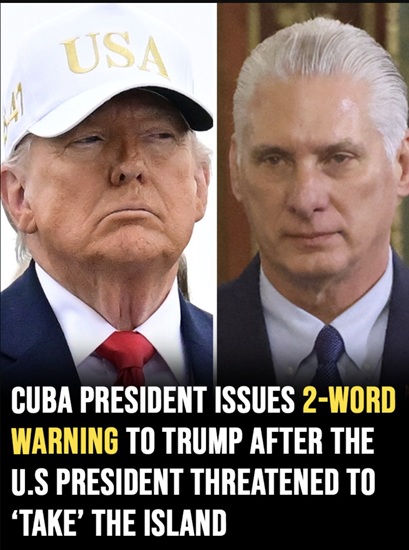
Tensions between the United States and Cuba have sharply increased amid a series of bold statements, policy moves, and economic pressures that have drawn global attention and raised questions about how relations may evolve.
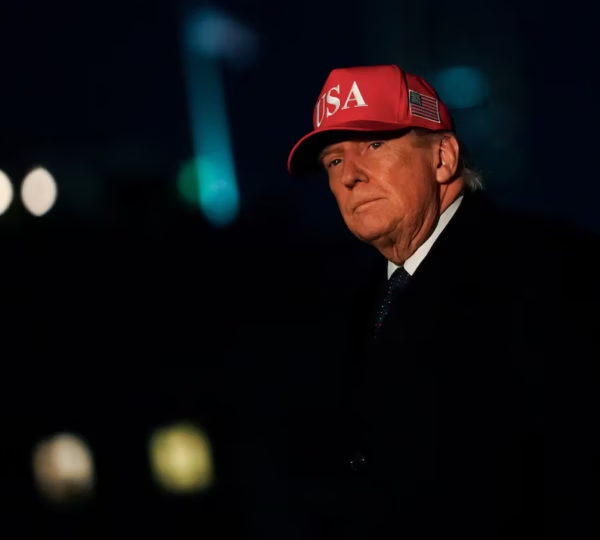
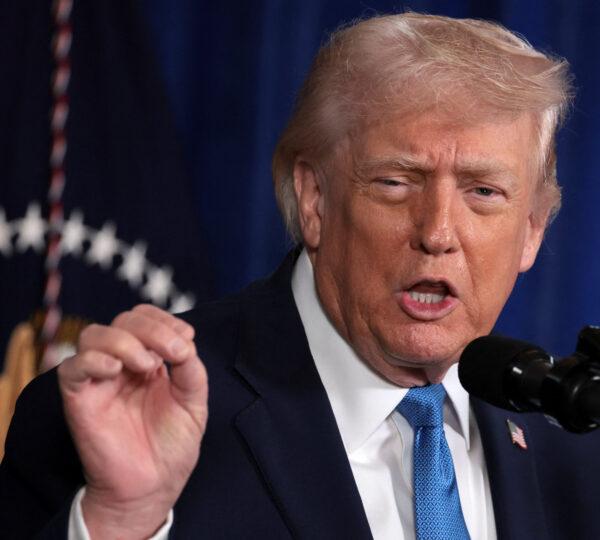
In mid‑March 2026, U.S. President Donald Trump escalated his rhetoric regarding Cuba by suggesting the United States could exert broad authority over the island, saying he expected to have the “honor of taking Cuba in some form.”
Trump also stated publicly that he believed he could “do anything I want” with Cuba, a remark that sparked widespread concern among diplomats, international observers, and Latin American governments.
These comments stood out because they came amid an already serious economic and energy crisis on the island, where widespread blackouts and shortages have deepened frustration and hardship for Cuban citizens.
The backdrop to the tension includes a long history of strained U.S.–Cuba relations dating back to the Cold War, the enduring U.S. embargo, and periodic shifts in policy under different U.S. administrations.
After the 2015–2017 “Cuban thaw” under President Barack Obama eased some restrictions, later administrations, including Trump’s first and second terms, tightened sanctions and re‑imposed limitations on travel, remittances, and business ties.
In early 2026, the United States also imposed measures that cut off Venezuelan oil supplies to Cuba, an action that has directly affected the island’s energy infrastructure and sparked repeated power outages nationwide.
Cuba relies heavily on imported oil to generate electricity and fuel transportation, and disruptions to that supply have contributed to repeated rolling blackouts and pressures on hospitals, schools, and other critical services.
The energy crisis has sparked statements of concern from international bodies like the United Nations, which warned that fuel shortages risk triggering a humanitarian crisis affecting medical care and basic services.
The domestic economic and energy stress has compounded the diplomatic situation, creating fertile ground for heightened rhetoric between Cuban and U.S. leaders as each side seeks to assert its position.
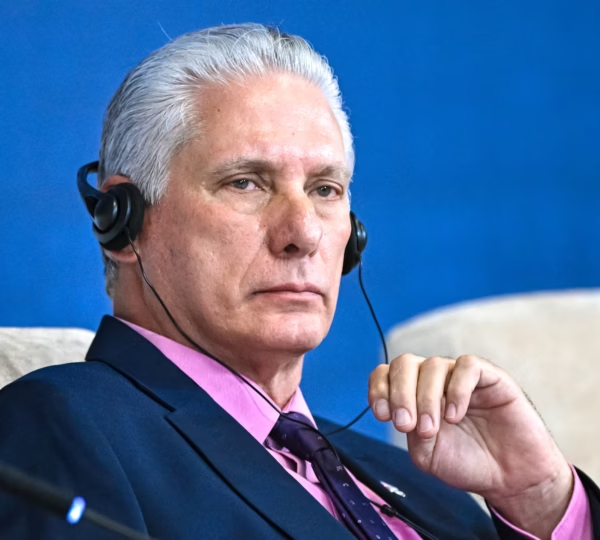
In response to Trump’s remarks about exerting control or influence, Cuban President Miguel Díaz‑Canel issued a firm public warning that his government would resist any attempt to undermine Cuba’s sovereignty.
Díaz‑Canel said on social media platform X that the Cuban people have “unbreakable resistance” and that any external aggressor would face determined opposition, framing external pressure as an attack on national independence.
He and other Cuban officials have also accused the United States of trying to destabilize Cuba’s political leadership and control its resources, presenting the dispute as part of a broader pattern of coercive pressure.
The Cuban government has repeatedly emphasized that any talks with the U.S. must respect the island’s sovereignty and independence, and that negotiations without preconditions are the only acceptable framework.
Despite strong rhetoric, there have been isolated attempts at dialogue, and officials from both sides have occasionally signaled a willingness — at least publicly — to explore diplomatic channels to reduce tensions.
Earlier in March 2026, Díaz‑Canel acknowledged talks had opened with the U.S. government, aimed at addressing bilateral differences through dialogue rather than conflict.
However, the context of these discussions remains strained by sanctions, economic hardship, and deep mistrust born of decades of antagonistic policy and historical grievances between Havana and Washington.
For decades, the U.S. embargo and other restrictive measures have constrained Cuba’s economic development, shaping public opinion and feeding perceptions of external hostility among many Cuban citizens.
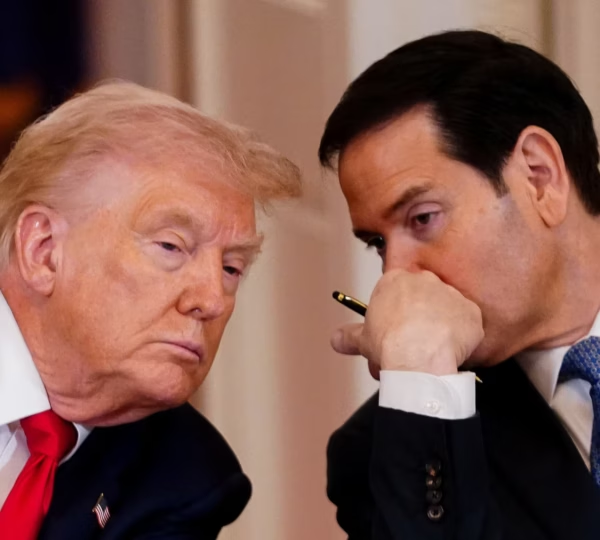
Trump’s renewed pressure campaign has included demands for political changes and a loosening of Cuba’s communist governance model, a stance repeatedly echoed by other U.S. officials including Secretary of State Marco Rubio.
Rubio and Trump have both called for new leadership in Cuba, framing the island’s economic collapse and blackouts as symptoms of failed governance and justification for political transformation.
The intensification of sanctions and the suspension of Venezuelan oil shipments — an indirect result of U.S. actions in neighboring Venezuela — have worsened Cuba’s energy shortages and tightened pressures on the government in Havana.
Cuba’s failure to secure reliable fuel supply has resulted in rolling blackouts, declining tourism revenues, and heightened public frustration, contributing to the island’s economic contraction.
Critics of U.S. policy have argued that sanctions and economic pressure disproportionately harm ordinary Cubans, exacerbating hardship without necessarily producing political change.
At the same time, some analysts contend that external pressure has a long history of failing to achieve sustained political transformation in Havana, noting that Cuban leaders have survived similar campaigns for decades.
The ebb and flow of U.S.–Cuba relations have always been shaped by global politics, ideological divisions, and strategic interests, from the Cold War to today’s multipolar geopolitical landscape.
In response to the fall of Venezuela’s leadership — another event with regional repercussions — Trump has suggested Cuba might follow a similar pattern of political change under U.S. influence.
Beyond rhetoric about “taking” Cuba, Trump has also framed potential U.S. engagement as either a “friendly” transition or a more forceful course of action if negotiations fail to produce meaningful reform.
International reactions have varied. Nations such as Russia have declared solidarity with Cuba, criticizing what they see as U.S. aggression and reaffirming their support for Havana’s sovereignty.
Russia’s foreign ministry expressed concern about what it described as the escalation of tension and called for respect for Cuba’s independence amid the unfolding dispute.
Other global actors, including China, have also condemned U.S. sanctions on Cuba, urging Washington to respect international law and lift punitive measures that disrupt peace and stability.
Cuba itself has emphasized its willingness to engage in dialogue without preconditions, even as it accuses the United States of exploiting economic hardship to destabilize its political system.
The situation is complicated by Cuba’s internal challenges, including declining GDP, food and medicine shortages, migration pressures, and social tensions, all of which are intensified by foreign policy disputes.
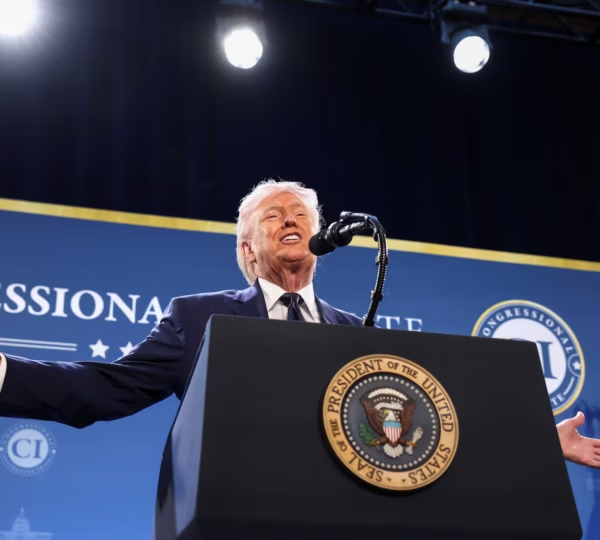
Observers note that while no major military confrontation has been announced, the combination of strong diplomatic rhetoric and economic pressure risks pushing bilateral relations into deeper conflict territory.
Public opinion on both sides remains divided: some in the United States advocate for pressure aiming at regime change, while others warn that sanctions and coercion worsen human suffering without fostering reform.
Cuban officials, for their part, continue to defend their political system and frame external pressure as interference in internal affairs rather than legitimate diplomatic engagement.
Amid this dynamic, analysts emphasize the importance of patience, measured diplomacy, and respect for international norms to avoid escalation and foster constructive engagement.
The unfolding U.S.–Cuba situation remains deeply fluid, shaped by policy choices, economic realities, historical legacies, and strategic calculations on both sides in a rapidly changing geopolitical context.
