
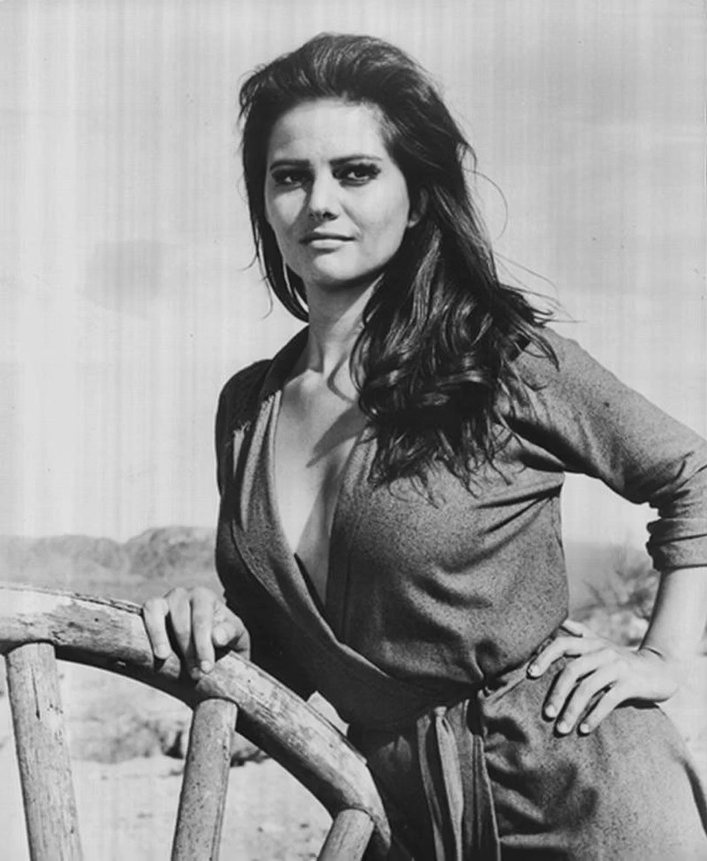
Claudia Cardinale, a towering presence in Italian and international cinema for more than six decades, left an enduring legacy with films that defined European film history.
Born Claude Joséphine Rose Cardinale on April 15, 1938, in La Goulette, French Tunisia, she grew up near Tunis to parents of Sicilian descent before her extraordinary film career began.
In 1957, at age 19, Cardinale won the “Most Beautiful Italian Girl in Tunisia” contest, a pivotal moment that brought her to the attention of Italian film producers.
The beauty contest earned her a trip to Italy, where several influential filmmakers and producers quickly recognized her striking presence and potential as a screen actress.
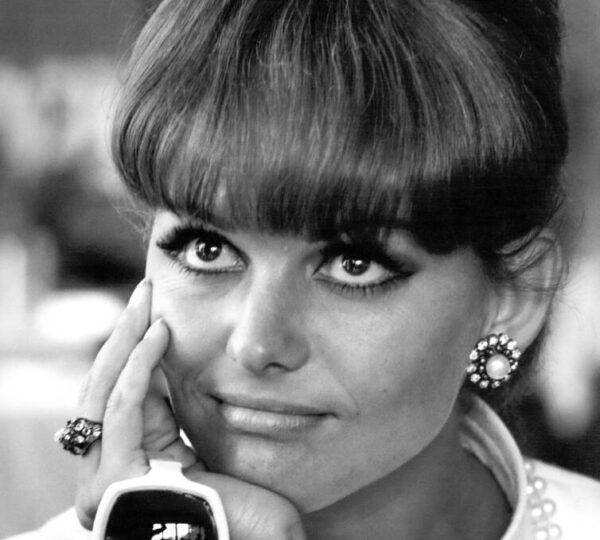
Cardinale’s first film appearance came in 1958 in the feature Goha, starring alongside Egyptian actor Omar Sharif, marking her introduction to the international film industry.
She soon landed a contract with the production company Vides, run by the powerful Italian producer Franco Cristaldi, who would manage her early career and later become her husband.
Many of her earliest roles showcased her talent in Italian cinema, including the comedic classic Big Deal on Madonna Street (1958), which brought her wide recognition.
Cardinale’s breakthrough continued with dramatic roles in films such as Rocco and His Brothers (1960), directed by Luchino Visconti, establishing her as a serious actress.
By the early 1960s, she had become one of European cinema’s most sought‑after stars, appearing opposite major actors and directors in a variety of genres.
In 1963, Cardinale appeared in two films that defined her career: Federico Fellini’s 8½ and Luchino Visconti’s The Leopard, both acclaimed for their artistic brilliance.
These films showcased her dramatic range and made her a symbol of Italian cinematic excellence, beloved by audiences around the world.
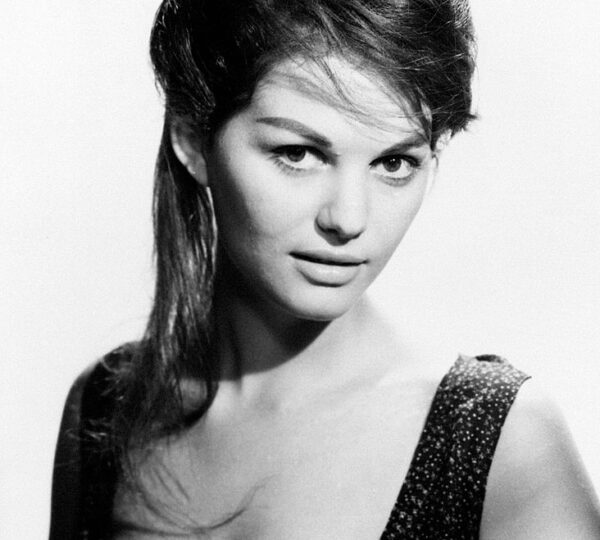
That same year, Cardinale appeared in The Pink Panther, a Hollywood comedy starring Peter Sellers and David Niven, demonstrating her international appeal.
Despite this Hollywood exposure, she often chose roles that offered depth over glamour, resisting being typecast purely as a beauty icon.
Her performance in Sergio Leone’s Once Upon a Time in the West (1968) remains one of her most iconic, blending emotional intensity with commanding screen presence.
In the late 1960s and early 1970s, Cardinale’s career grew as she appeared in a wide range of European and American films, expanding her artistic range.
Behind the scenes, Cardinale navigated personal challenges alongside her professional success, including a complex and secret pregnancy when she was very young.
She later gave birth to a son, Patrick, in London in 1958 and kept his identity secret from the public for many years before acknowledging him.
Cardinale’s professional and personal relationship with producer Franco Cristaldi evolved deeply, and they were married in 1966, though the marriage eventually ended in divorce in 1975.
After her separation from Cristaldi, her career faced challenges as she asserted her independence and sought roles beyond the influence of the Italian film establishment.
During the 1970s, she began a lifelong personal and professional partnership with Italian director Pasquale Squitieri, who cast her in several of his films.
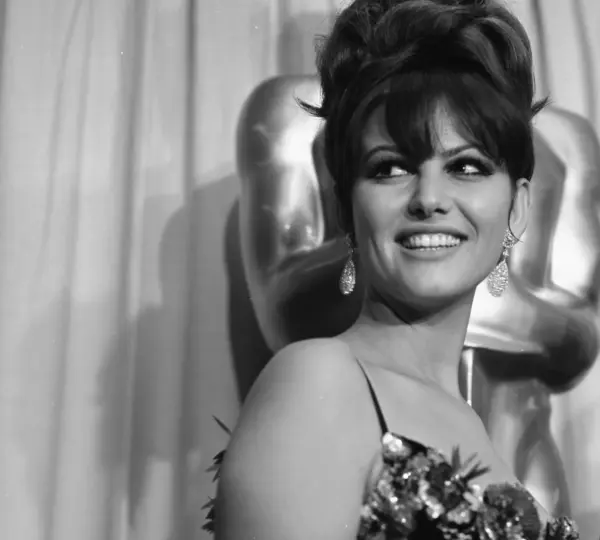
Their relationship, which lasted until Squitieri’s death in 2017, produced a daughter and was a source of mutual artistic inspiration.
Cardinale’s work in Italian cinema continued through the 1970s and 1980s with roles that revealed her versatility and commitment to powerful storytelling.
In 1982, she appeared in Werner Herzog’s Fitzcarraldo, further affirming her adaptability across international film traditions and styles.
Throughout her career, Cardinale distinguished herself not only as a stunning beauty but as an actress capable of deep emotional expression and compelling character work.
She was often compared to peers like Sophia Loren and Gina Lollobrigida, yet she carved a unique path defined by artistic integrity and personal depth.
Although her husky voice was dubbed in many early Italian films due to language barriers, Cardinale later embraced roles that allowed her authentic voice to be heard.
Her filmography expanded to include mainstream American films, art cinema, and stage productions, reflecting her broad appeal and professional ambition.
Cardinale maintained a strong presence in European cinema long after many of her contemporaries retired, working well into her later years.
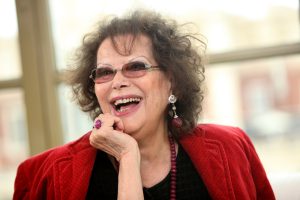
Her later performances included roles in films such as Son of the Pink Panther (1993), Effie Gray (2014), and others that brought her career full circle.
For her lifetime of work, she was honored with major accolades, including the Golden Lion for Lifetime Achievement at the Venice Film Festival in 1993.
She also received an Honorary Golden Bear at the Berlin Film Festival in 2002, recognizing her enduring impact on world cinema.
Cardinale was outspoken about her support for women’s rights and social causes, using her platform to advocate for empowerment and equality.
In March 2000, she was named a UNESCO Goodwill Ambassador for the Defence of Women’s Rights, a role she embraced with dedication.
Her personal journey, marked by resilience, creative risk‑taking, and independent spirit, inspired generations of actresses and filmmakers alike.
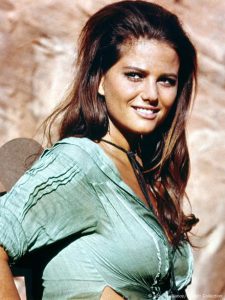
Cardinale’s life and career bridged film movements from neorealism to contemporary European cinema, making her a rare link between generations of artists.
She remained based in France for much of her later life, reflecting her international identity and broad cultural engagement.
Although she never sought fame for its own sake, her artistry garnered worldwide admiration and enduring respect from peers and audiences.
Claudia Cardinale passed away on September 23, 2025, in Nemours, France, at the age of 87, surrounded by family and loved ones.
Her legacy as one of Italian cinema’s most celebrated figures lives on through her body of work and the many lives she touched.
