
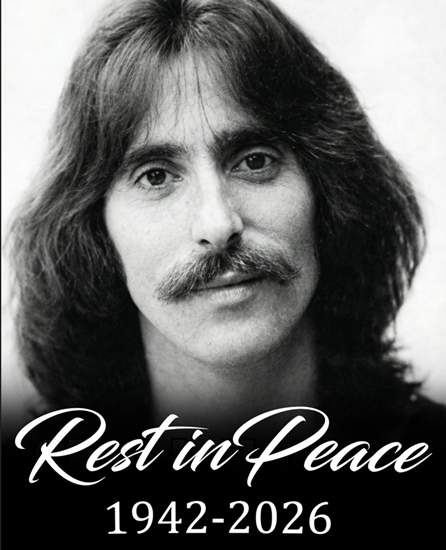
From a modest upbringing in the Bronx to international fame as the voice behind some of the most beloved rock hits of the late 20th century, Chuck Negron’s life was a tapestry of immense talent, harrowing struggle, and enduring resilience.
On Monday, February 2, 2026, Negron died at age 83 at his home in Studio City, California, surrounded by his family, his publicist announced.
He had been battling heart failure and long‑term chronic obstructive pulmonary disease (COPD) in the final months of his life. For fans of classic rock, his voice was unmistakable — a rich tenor that carried soaring choruses, emotional ballads, and celebratory anthems that dominated radio airwaves for years.
But behind the success was a life marked by creative brilliance, personal demons, and ultimately, redemption. This is the story of a musician whose voice helped define an era, and whose journey inspired many.
Early Life: Bronx Beginnings and Musical Roots
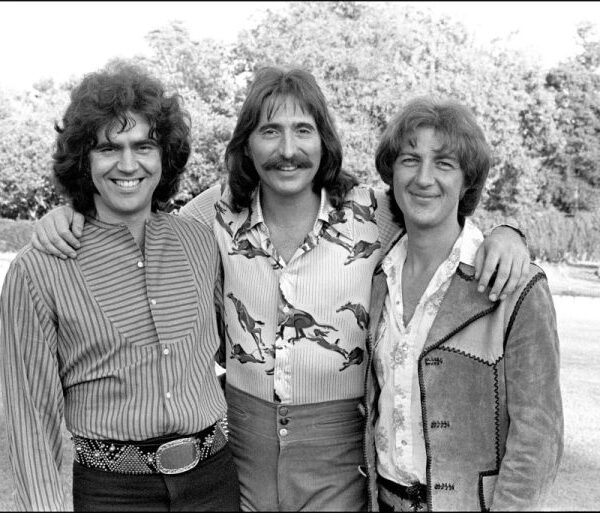
Charles “Chuck” Negron II was born on June 8, 1942, in New York City, and raised in the Bronx, New York. Music was part of his earliest memories.
He grew up singing in doo‑wop groups while still in school, immersed in the vibrant street‑corner harmony traditions that were popular in urban neighborhoods in the 1950s.
Negron also showed promise as an athlete. He played basketball in local leagues and developed a competitive spirit that would follow him into his musical career.
His early life wasn’t easy — his family weathered the challenges of economic uncertainty, and Negron learned early on that hard work and perseverance would be cornerstones of his character.
As a teenager, he recorded his first single and performed on notable stages, including the Apollo Theater, a proving ground for many aspiring artists. These early steps laid the foundation for a musical trajectory that would soon take him across the country and into the heart of rock history.
Musical Breakthrough: Three Dog Night and Classic Hits
Negron’s path to rock stardom began when he moved to Los Angeles, initially to play basketball at California State University, but his musical ambitions soon eclipsed sports.
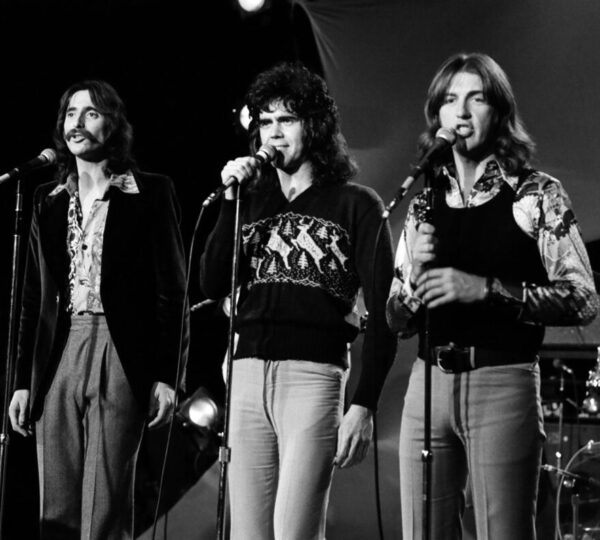
In 1967, he teamed up with fellow vocalists Danny Hutton and Cory Wells to form a new band. Initially called Redwood, the group evolved into Three Dog Night, a name inspired by an Australian expression for frigid nights — a fitting metaphor for the powerful harmonies they would soon unleash.
Three Dog Night quickly became one of the most prolific and successful American rock acts of the late 1960s and early 1970s.
Unlike many bands of their era, they were known less for writing their own songs and more for their extraordinary ability to interpret the work of others, transforming compositions from a diverse roster of songwriters into chart‑topping hits.
Their music was polished, accessible, and rich with soulful harmonies that resonated with audiences around the world.
With Negron’s commanding lead vocals front and center, the band soared. Between 1969 and 1974, Three Dog Night placed a remarkable 21 songs inside the Billboard Hot 100 Top 40, including three No. 1 hits.
Signature Songs and Enduring Legacy
Perhaps the most iconic of all was “Joy to the World (Jeremiah Was a Bullfrog)”, written by songwriter Hoyt Axton. Released in 1971, the song became one of the best‑selling singles of the decade, topping the Billboard chart and becoming eternally linked with the band’s joyful, exuberant sound.

“One (Is the Loneliest Number)” – a soulful rock ballad that showcased his emotional depth.
“Just an Old Fashioned Love Song” – another top‑charting hit.
“Easy to Be Hard” – a thoughtful, poignant delivery on a song that touched on social sentiment.
“The Show Must Go On,” “Black & White,” “Mama Told Me (Not to Come),” and “Never Been to Spain”, among others.
Three Dog Night’s ability to interpret songs by acclaimed writers — from Randy Newman to Laura Nyro — and turn them into mainstream hits was unmatched.
Their versatility crossed rock, soul, and pop genres, and their albums were fixtures on charts and jukeboxes across America.
Challenges and Struggles: Addiction and Band Fracture
Despite their success, Three Dog Night’s rise was not without turmoil. The nonstop fame, grueling touring schedule, and massive commercial pressure took their toll.
Internal conflicts, creative differences, and heavy drug use within the group began to undermine their cohesion.
Negron, in particular, battled substance abuse for years — a struggle he later described as deeply destructive. At the height of his addiction, he lost much of his wealth, endured near‑death experiences, and eventually lived for a time on Skid Row in Los Angeles while searching for his next high.
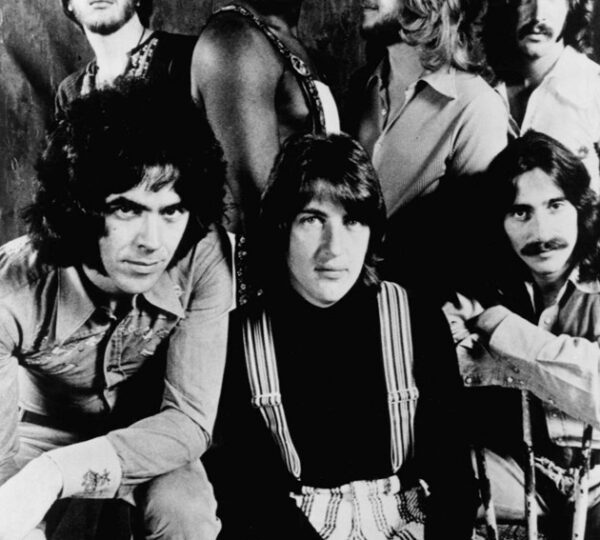
Negron’s personal problems continued through the early 1980s, and he was ultimately let go from the band in 1985.
Recovery and Reinvention
Negron’s life took a dramatic turn in 1991 when he achieved sobriety after years of addiction. His recovery marked a profound rebirth — personally, spiritually, and artistically.
No longer controlled by drugs, he turned his experience into a source of strength and inspiration. That same decade, he began working on his solo career, releasing his first post‑recovery albums in the mid‑1990s.
Over the years, he released a total of seven solo recordings between 1995 and 2017, many reflecting his personal journey of struggle and redemption.
In 1999, Negron published his memoir, Three Dog Nightmare: The Chuck Negron Story, a candid and unflinching account of fame, addiction, loss, and recovery. The book became a critical and popular success, resonating with readers for its honesty and raw emotion.
Later Years and Health Battles
Though Negron’s voice remained beloved by fans worldwide, his ability to perform live was increasingly affected by chronic health issues. Diagnosed with Chronic Obstructive Pulmonary Disease (COPD) in the early 1990s, he continued to perform intermittently for decades, even as his breathing became more labored and taxing.

The disease, which includes emphysema among its manifestations, made touring and sustained live shows difficult. Negron acknowledged in interviews that his health challenges eventually forced him to step back from the stage.
In the final months of his life, heart failure compounded his long‑term pulmonary struggles, and he spent his last days at home, surrounded by loved ones.
Reconciliation and Family
After years apart, Negron and his former bandmate Danny Hutton reconciled in 2025, exchanging apologies and reconciling decades of estrangement.
Their reunion was described as timely and heartfelt, a final closure to a chapter that had once been fractured by tension, hurt, and the ravages of addiction.
In his personal life, Negron shared a deep bond with his family. He married his longtime partner Ami Albea Negron in a private ceremony in 2020, and together they navigated his later years with love and devotion.
Negron also had five children: Shaunti Negron Levick, Charles “Chuckie” Negron III, Charlotte Negron, Annabelle Negron, and Berry Oakley Jr. — whom he raised as a son after his marriage to Berry Oakley’s mother.
He also had nine grandchildren. Several of his children collaborated with him on musical projects, including the 2017 album Negron Generations.
Legacy: A Voice That Echoed Through Generations
Chuck Negron’s legacy in modern music history is substantial. Three Dog Night’s recordings remain staples on classic rock radio, streaming platforms, and in popular culture — a testament to their enduring appeal.
Songs like “Joy to the World,” “One,” and “Just an Old Fashioned Love Song” are instantly recognizable decades after their initial release, reflecting a timeless quality few artists achieve.
His life story — from the streets of the Bronx to stadiums and arenas around the world, through addiction and recovery, and finally to redemption — embodies the classic arc of triumph over adversity.
It resonates not only with those who loved his music but with anyone who knows what it means to struggle, to lose, and ultimately to reclaim one’s life.
Final Goodbye
Chuck Negron passed on February 2, 2026, at age 83. His death marks the end of a vibrant chapter in American rock history, but his voice — and the songs he helped immortalize — will continue to echo through generations.
He is survived by his wife, his children, grandchildren, and a global community of fans who continue to find joy, solace, and inspiration in the music he helped create.
In a career shaped by soaring charts and deep struggles, one thing remained constant: Chuck Negron’s voice was one that audiences everywhere never forgot.
