
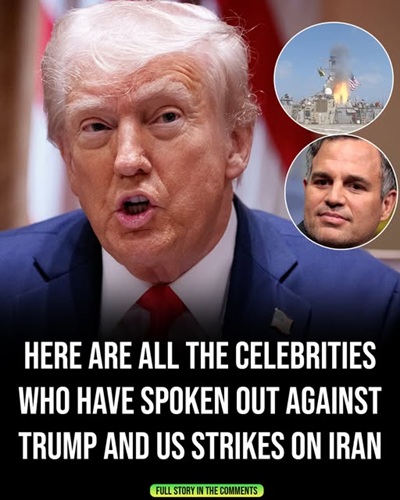
A growing number of well‑known entertainers, writers, and public figures have publicly criticized U.S. President Donald Trump and his administration in the wake of coordinated military strikes on the Islamic Republic of Iran by U.S. and Israeli forces.
As the conflict escalates and casualties mount, many celebrities have taken to social media and public platforms to denounce what they see as reckless decision‑making, broken promises of peace, and the risk of dragging the United States into a wider war.
This outpouring of condemnation has occurred alongside broader political debate and protest, reflecting deep divides in public sentiment over the strikes, their justification, and their consequences.
Background: The Strikes and the Escalating Conflict
In late February 2026, the United States and Israel launched coordinated airstrikes against Iranian targets following months of deteriorating diplomatic engagement and rising tensions over Iran’s nuclear program, missile development, and regional influence.
These strikes hit a range of military infrastructure and leadership sites across multiple Iranian cities and were confirmed by both governments as part of a major campaign to degrade Iran’s strategic capabilities.
Iran responded with widespread ballistic missile and drone attacks against U.S. military bases and partner nations in the region, drawing condemnation and concern from governments across the world.
The conflict has since intensified, with rising military engagements in the Middle East and repercussions felt in global politics.
Celebrity Voices: Sharp Criticism and Public Outrage
Following the military action, many high‑profile figures in entertainment and culture quickly expressed their opposition or concern — often using social platforms like X (formerly Twitter), Instagram, and Threads to voice their opinions.
Musicians and Artists
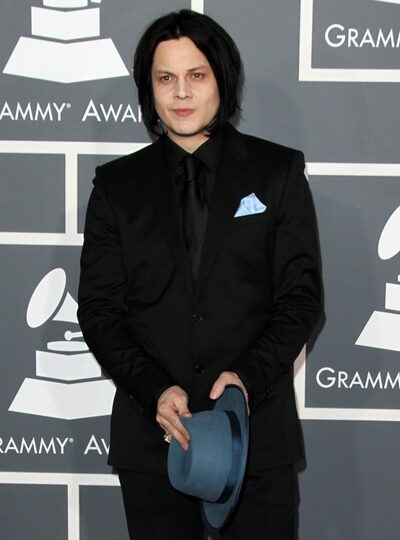
One of the most visible responses came from Jack White, former frontman of The White Stripes, who sharply criticized the president on Instagram for the tone and optics surrounding the announcement of military action.
White mocked what he saw as the casual framing of war, sarcastically referring to Trump as the “leader of the ‘Board of Peace’” and critiquing the idea of starting conflicts while insulated by privilege. White’s comments emphasized his view that the burdens of war fall on other people’s children.
Actors and Comedians
Actors also joined the chorus of criticism:
-
Carrie Coon, known for her work on The White Lotus, took to X to deride the administration’s shift from peace‑oriented language to military escalation, captioning her post with, “‘Department of War.’ They weren’t kidding about that.”
-
John Cusack — an outspoken Trump critic — described the conflict as a “wag‑the‑dog war”, suggesting the strikes were a distraction from political controversies at home and serving external interests rather than American security.
-
Kathy Griffin, a comedian known for her fierce political commentary, shared a provocative post on Instagram linking Trump’s military actions to unrelated issues and public controversies.
-
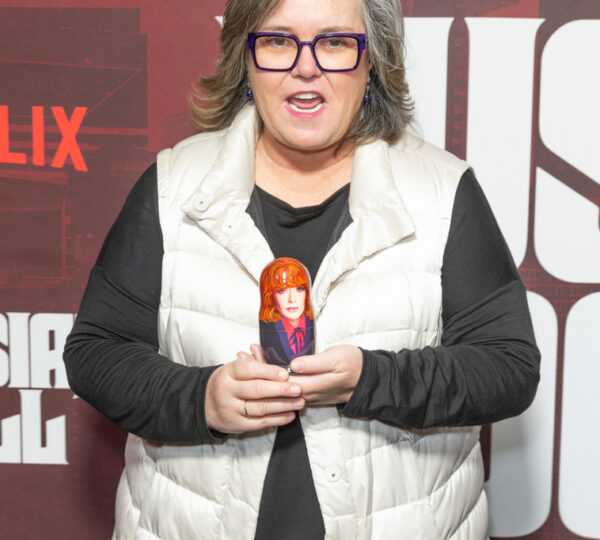
Some celebrities have framed the actions explicitly as broken promises: Rosie O’Donnell reposted past Trump campaign statements declaring himself a “candidate of peace” and accused him of lying about his intentions.
Authors and Cultural Figures
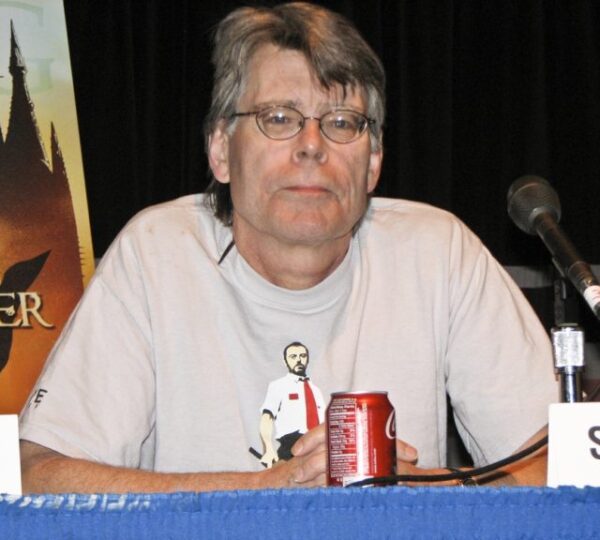
Not all criticism came from performers alone. Stephen King, one of America’s most famous authors, weighted in with a constitutional critique on X, asserting that only Congress has the authority to declare war under Article I, Section 8 of the U.S. Constitution. He ended his post bluntly with: “Impeach the SOB.”
King also questioned Trump’s past avoidance of military service during the Vietnam era — a reference to widely documented deferments that were common among many Americans with means at the time — and tied it to the moral implications of leading the country into conflict.
Direct Political Commentary From Celebrities
Other actors and public figures connected the military actions to broader geopolitical strategies. Mark Ruffalo, who has a history of advocacy on global issues, shared an article on Threads about the role of Jared Kushner, Trump’s senior adviser and son‑in‑law, asserting that his involvement in negotiations with Iran was tied to setting the stage for war rather than peace.
Anti‑War Figures and Activists
In addition to mainstream performers, long‑time anti‑war activists have also spoken out. Veteran actress Jane Fonda, known for her protests against the Vietnam War, publicly opposed the strikes, likening them to past U.S. military misadventures and warning of the danger of sending troops into harm’s way without clear objectives.
Fonda argued that the strikes could violate international law and said the conflict risked expanding into a much larger, more devastating war — a perspective shared by many anti‑war advocates.
Debate and Divergence: Not All Celebrities Agree
While a substantial number of artists and public personalities have criticized the Trump administration’s handling of the Middle East crisis, others have publicly supported the president’s actions.
For example:
-
James Woods, an actor known for his conservative views, posted on X quoting Trump’s pledge that “Iran will never be allowed to have a nuclear weapon,” framing the strikes as “Promises kept.”
-
Dean Cain similarly shared footage of a political figure criticizing Trump’s approach, while other public figures such as tech entrepreneur Elon Musk appeared to respond positively in terse social posts when news broke about the death of Iranian leadership.
-
Roseanne Barr shared social posts defending aspects of regime change and highlighting divisions within public opinion about U.S. policy.
These contrasting responses underscore how celebrities — much like the general public — are divided on foreign policy, with some aligning their views with national security arguments and others prioritizing diplomacy and caution.
The celebrity backlash is just one dimension of broader cultural and political reactions to the Iran conflict. Discussion around the war has also spilled into mainstream media and political discourse:
-
Television talk shows and panel discussions have reflected this divide: on The View, for example, panelists openly clashed over Trump’s actions, with some labeling the strikes as unauthorized and others defending them as necessary.
-
International leaders such as UK Prime Minister Keir Starmer have publicly rebuked Trump’s approach, underscoring a gap between U.S. policy and allied caution regarding military intervention absent broad legal or strategic grounds.
What Critics Are Arguing — Key Themes
Though each commentator brings their own perspective, several common themes emerge among critics of the U.S. military action:
1. Hypocrisy on War Promises
Many celebrities reminded the public that Trump’s 2024 campaign included promises to avoid foreign wars, arguing the strikes contradict those pledges.
2. Constitutional Concerns
Public figures like Stephen King have invoked constitutional authority, noting that only Congress has the power to declare war — and arguing that broad military action without legislative approval may exceed presidential authority.
3. Distrust of Motives
Some critics suggest the military action was used as a distraction from other political controversies, including high‑profile legal or political challenges facing Trump. These theories are reflected in social media posts by John Cusack and others.
4. Humanitarian Worries
Figures like Carrie Coon and Jane Fonda have emphasized concerns about civilian harm, the risks to U.S. service members, and the potential for a rapidly expanding war that threatens global stability.
Why Celebrity Reactions Matter
Celebrity commentary often reflects broader currents in public opinion — not necessarily in terms of polling numbers, but in how cultural influencers interpret and frame major geopolitical events.
As entertainers and cultural icons share their views, they can shape or amplify discussions among millions of followers, sometimes bridging global issues with personal storytelling and moral framing.
At the same time, celebrity reactions are inherently subjective and represent a wide spectrum of viewpoints, just as political leaders and ordinary citizens are divided.
Some public figures emphasize national security arguments, while others highlight diplomatic and humanitarian priorities.
Conclusion: A Divided Cultural Landscape
The U.S. and Israeli military strikes on Iran and the resulting backlash — including from high‑profile performers, authors, and activists — highlight how deeply contentious foreign policy decisions can resonate far beyond government chambers.
As criticism continues to mount from across artistic, cultural, and political arenas, the discourse surrounding the conflict underscores profound debates over war powers, leadership accountability, and the future direction of U.S. engagement abroad.
Whether one supports, opposes, or remains uncertain about the strikes, the public conversation — shaped in part by celebrity voices — reflects a nation grappling with the consequences of war and the responsibilities of power in a complex, interconnected world.
