
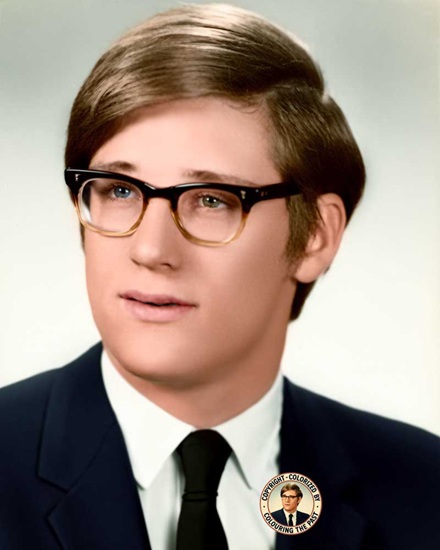
Bill Pullman is widely regarded as one of America’s most understated yet profoundly influential actors, whose strength lies in subtlety, emotional intelligence, and an extraordinary versatility that allows him to inhabit diverse roles convincingly and authentically.
Born in 1953 in Hornell, New York, Pullman grew up in a modest environment that nurtured curiosity and imagination.
Early exposure to literature and theater cultivated his love for performance, shaping the foundation of his remarkable acting career.
He pursued higher education at the University of Massachusetts Amherst, where he studied drama and honed his craft. Pullman later attended Yale School of Drama, refining his skills and developing the discipline and precision that would define his professional life.
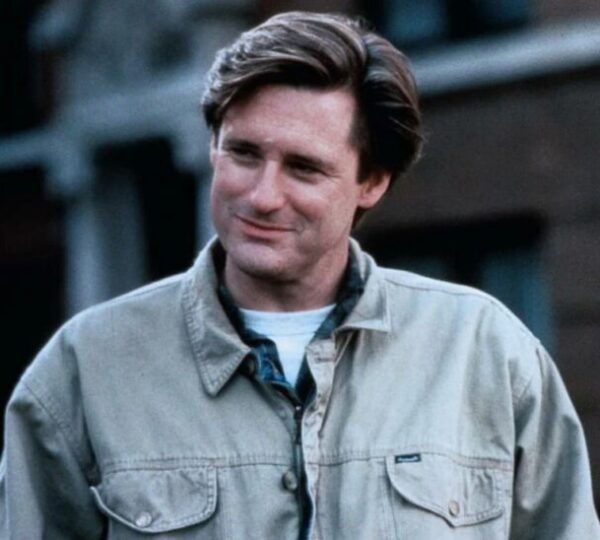
Pullman’s early career in theater established him as a meticulous performer. Roles in regional productions and off-Broadway plays allowed him to explore complex characters, building a foundation that translated seamlessly to screen acting and cinematic storytelling.
Emerging into the spotlight during the late 1980s and 1990s, Pullman quickly demonstrated an impressive range across genres, from romantic comedies to science fiction, fantasy, and psychological drama, earning critical acclaim and industry respect.
In romantic comedies such as While You Were Sleeping, Pullman exuded gentle charm and heartfelt warmth, creating memorable characters whose sincerity resonated with audiences, highlighting his ability to convey depth in even lighter, comedic roles.
Simultaneously, Pullman displayed self-aware humor in cult favorites like Spaceballs, balancing comedic timing with subtle gravitas, proving that versatility was his hallmark, capable of delivering both laughter and nuanced emotional resonance within the same performance.
His defining cinematic moment came with Independence Day, portraying President Thomas J. Whitmore. Pullman elevated what might have been a conventional blockbuster role through calm authority, emotional authenticity, and a commanding yet relatable presence.
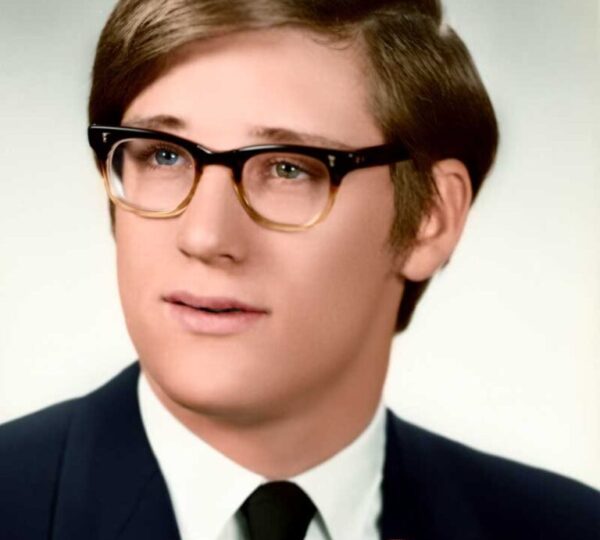
The now-iconic speech in Independence Day cemented Pullman’s status as a cultural figure of courage and unity, with audiences remembering not only the spectacle but also the sincerity and humanity he brought to the role.
Beyond film, Pullman has consistently earned acclaim for his work in theater, television, and independent cinema, demonstrating a dedication to the craft that emphasizes depth, character study, and a profound respect for storytelling.
On stage, Pullman has tackled a wide array of roles, from classical Shakespearean productions to contemporary dramas. His performances are marked by precision, subtlety, and a commitment to exploring the psychological complexity of each character.
His work in television, notably in The Sinner, revealed a darker, more psychologically intricate side, where Pullman portrayed moral ambiguity and internal conflict with remarkable restraint, earning widespread critical praise and audience admiration.
Pullman’s ability to balance vulnerability and authority has defined his career, allowing him to portray leaders, everyman figures, and morally complex characters with equal skill and authenticity, regardless of genre or medium.
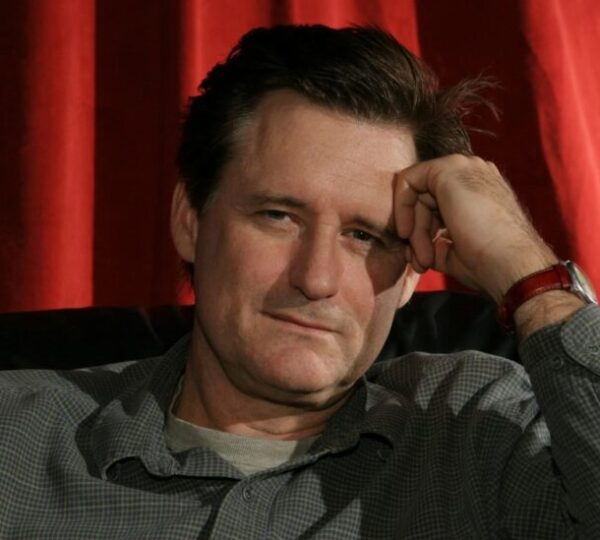
Throughout his decades-long career, Pullman has avoided fleeting trends, instead cultivating a reputation built on integrity, discipline, and the consistent delivery of nuanced, emotionally rich performances that resonate across generations.
He is celebrated not only for his screen presence but also for his mentorship of younger actors, his dedication to theatrical arts, and his influence in maintaining high standards in both film and live performance environments.
Pullman’s filmography is a testament to range, including romantic comedies, action films, science fiction, political dramas, and independent projects, each role demonstrating his capacity to inhabit diverse personas with emotional truth.
In films like Lost Highway and Lake Placid, Pullman seamlessly blended subtle humor, understated menace, and psychological depth, leaving lasting impressions on both critics and audiences and reinforcing his versatility as a performer.
Pullman has often portrayed characters grappling with ethical dilemmas, family conflict, or societal pressures, imbuing each role with a sense of realism and relatability that allows viewers to see themselves reflected on screen.
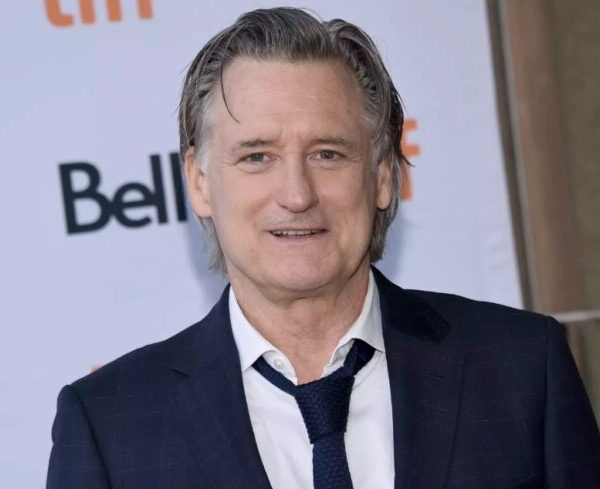
His performances are defined by careful attention to voice, gesture, and emotional nuance, allowing even understated characters to resonate profoundly, demonstrating that subtlety can convey more impact than overt spectacle or theatrical exaggeration.
Pullman’s work in independent cinema showcases his commitment to storytelling and character-driven narratives, often choosing projects that emphasize human complexity, moral ambiguity, and authentic interactions over commercial spectacle.
Collaborations with respected directors, writers, and actors have allowed Pullman to further expand his repertoire, exploring challenging roles that demand emotional intelligence, timing, and a capacity for both subtle humor and intense drama.
In addition to his acting, Pullman has contributed to theater as a director and advocate, supporting regional productions, experimental theater, and educational initiatives that nurture the next generation of performers and storytellers.
Audiences continue to admire Pullman for his authenticity. Even in blockbuster settings, his performances retain a grounded, human element, demonstrating that technical skill combined with empathy produces memorable and enduring cinematic experiences.
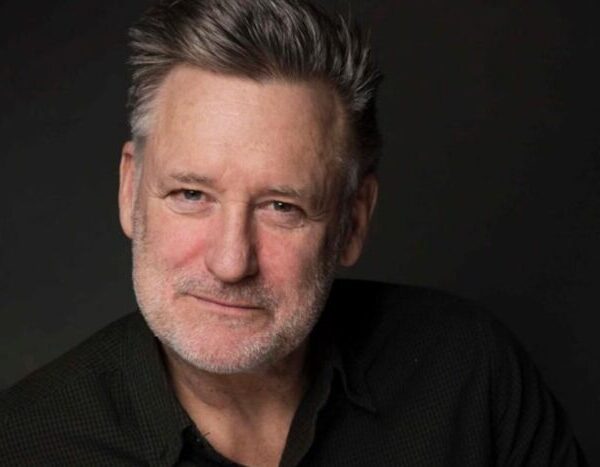
Pullman’s stage work is notable for its rigor and discipline, emphasizing character study, textual analysis, and the exploration of emotional subtext, allowing him to deliver performances that are both intellectually and emotionally compelling.
On television, his roles have often explored themes of moral complexity, psychological tension, and personal struggle, with Pullman adeptly conveying the internal life of characters whose dilemmas resonate deeply with viewers.
Despite critical and commercial success, Pullman has maintained humility, focusing on craft rather than celebrity, allowing his work to speak for itself and inspiring admiration for both talent and professional ethics.
His influence extends to actors, directors, and audiences, demonstrating that subtlety, precision, and emotional honesty can create powerful, enduring impact without reliance on spectacle or sensationalism.
Pullman’s legacy is defined by the consistency of his performances, the thoughtfulness with which he approaches each role, and the respect he shows for collaborators, audiences, and the broader storytelling tradition.
He is known for inhabiting roles fully, whether portraying presidents, fathers, lovers, or complex antagonists, always bringing depth, authenticity, and emotional truth to each performance, leaving lasting impressions that transcend genre.
Pullman’s quiet strength and emotional intelligence have made him an actor whose influence extends beyond individual performances, shaping expectations of character complexity and integrity in contemporary film and television.
Fans and critics alike admire his ability to balance gravitas with warmth, authority with vulnerability, and humor with depth, producing performances that resonate on multiple levels and remain memorable long after viewing.
His choice of projects reflects a commitment to meaningful storytelling, whether in mainstream cinema, television dramas, or stage productions, ensuring that his work continues to challenge, engage, and inspire audiences.
Even in supporting roles, Pullman brings attention to detail, emotional depth, and narrative significance, demonstrating that every part can contribute meaningfully to storytelling when approached with skill and sincerity.
Pullman has remained relevant over decades, adapting to changing industry trends without compromising artistic integrity, proving that talent, discipline, and authenticity sustain longevity in a highly competitive field.
His collaboration with directors such as Roland Emmerich, Tim Burton, and others highlights his adaptability, professionalism, and ability to complement diverse creative visions while maintaining a distinctive voice and presence.
Pullman’s performances often feature subtle layers of emotion, internal conflict, and understated humor, revealing a depth that invites reflection and emotional connection from audiences, enriching the viewing experience.
He continues to engage in stage, film, and television work, demonstrating that versatility, sustained dedication, and emotional intelligence are central to his ongoing influence and continued artistic relevance.
Throughout his career, Pullman has cultivated a reputation for reliability, professionalism, and thoughtfulness, earning the respect of peers, directors, and audiences, and solidifying his place as one of contemporary America’s most admired actors.
Pullman’s body of work exemplifies how quiet strength, understated skill, and deep empathy can elevate storytelling, leaving a lasting impact on both the art form and the audience’s experience.
In summary, Bill Pullman remains an enduring figure in American cinema, theater, and television. His subtlety, emotional intelligence, and dedication to craft ensure that his performances resonate with authenticity, leaving a legacy that continues to inspire.
