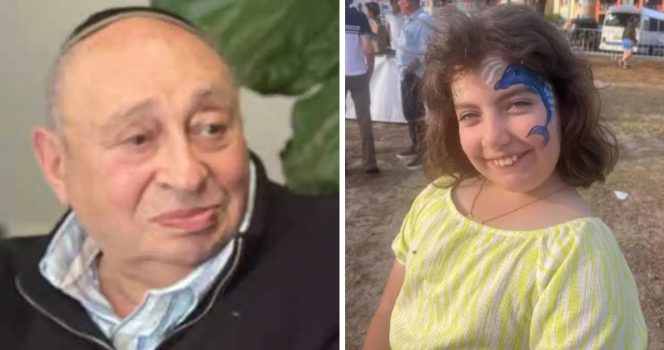
“Bondi Beach Attack: Holocaust Survivor and Young Girl Among Those Identified”
A joyful Hanukkah celebration at Sydney’s iconic Bondi Beach turned into a scene of unimaginable horror when gunfire erupted.
Leaving at least 15 people dead—including a 10-year-old girl and an 87-year-old Holocaust survivor—and injuring 42 others.
Authorities described the attack as a deliberate act of antisemitic terrorism, shocking both Australia and the global Jewish community.
The attack occurred during a widely attended public event that had drawn families from across Sydney.
The celebration, normally filled with menorah lighting, live music, food stalls, face painting, and a petting zoo for children, was abruptly transformed into a scene of chaos, panic, and tragedy.
Witnesses described hearing rapid gunfire as terrified attendees scrambled for cover, some diving into sand or nearby structures to escape.
Two gunmen opened fire, killing 16 people in total, including one of the attackers, and leaving dozens more wounded.
The ages of the victims span from a young child to an elderly Holocaust survivor in his late 80s.
While authorities have not yet officially released the identities of all victims, the attack’s brutality and targeted nature have been described as unprecedented.
Australian Prime Minister Anthony Albanese condemned the attack, calling it “an act of pure evil, an act of antisemitism, an act of terrorism on our shores in an iconic Australian location, Bondi Beach, that is associated with joy, associated with families gathering, associated with celebrations.
It is forever tarnished by what has occurred,” according to the Associated Press (AP).
Eyewitness Accounts Describe Chaos and Horror
Attendees described scenes of panic, confusion, and terror as the sound of gunfire echoed across the beach and surrounding streets.
Families scrambled to protect children, while festival-goers tripped over decorations and stalls in their desperate attempts to flee.
One human rights lawyer, Arsen Ostrovsky, who had recently moved to Sydney from Israel to work for a Jewish advocacy group, was grazed in the head by a bullet.
“What I saw today was pure evil, just an absolute bloodbath. Bodies strewn everywhere,” Ostrovsky told AP. “I never thought this would be possible here in Australia.”
Among the youngest victims was 10-year-old Matilda, who was rushed to Sydney Children’s Hospital after being shot, where she tragically died that evening.
Her aunt, Lina, shared the devastating news on social media: “A great tragedy has happened to my family. My beloved niece Matilda was killed during a terrorist attack in Bondi Beach. I don’t know how we survive such grief.”
Matilda’s language teacher described her as a “bright, joyful, and spirited child who brought light to everyone around her,” emphasizing the deep loss felt by her school community.
A GoFundMe campaign has been established to support Matilda’s grieving mother, as her teachers and classmates remember her life with love and sorrow.
Holocaust Survivor Among the Victims
The attack also claimed the life of 87-year-old Alexander Kleytman, a Holocaust survivor who had rebuilt his life in Australia after enduring the horrors of World War II.
Alexander’s wife of 50 years, Larisa, survived after her husband instinctively moved to shield her from the gunfire, a final act of devotion that tragically cost him his life.
“We were standing and suddenly came the ‘boom boom,’ and everybody fell down. At this moment he was behind me and at one moment he decided to go close to me.
He pushed his body up because he wanted to stay near me,” Larisa recounted, according to the Guardian. “I think he was shot because he raised himself up to protect me,” she added to People magazine.
The Kleytmans had shared their experiences surviving the Holocaust with JewishCare in 2023. Alexander had endured brutal conditions in Siberia as a child, living alongside his mother and younger brother under Nazi oppression.
“The scars of the past did not deter them from seeking a brighter future,” JewishCare noted in their 2022–23 annual report.
The couple later immigrated to Australia from Ukraine, rebuilding a life filled with community, family, and resilience—only to have it violently interrupted on that fateful day.
Authorities have identified the two gunmen as 50-year-old Sajid Akram, who died at the scene, and his 24-year-old son, Naveed Akram, who remains hospitalized in critical condition.
According to reports from the BBC and local law enforcement, both men pledged allegiance to the Islamic State (ISIS) group.
Australian Prime Minister Anthony Albanese stated that the attack was “clearly motivated by extremist ideology,” underscoring its nature as a deliberate act of antisemitic terrorism.
Investigators are working to understand the full extent of the attack, including how the gunmen obtained their firearms, whether others were involved, and the broader motivations behind their actions.
Police have not ruled out additional connections or supporters who may have assisted in planning or facilitating the assault.
Forensic teams and counterterrorism units are scouring the crime scene at Bondi Beach, collecting evidence from the surrounding streets and nearby buildings.
Authorities have also increased security at synagogues, Jewish community centers, and other public spaces, not only in Sydney but across Australia, to prevent potential copycat attacks.
Global Responses and Condemnation
The attack has drawn international condemnation. World leaders, Jewish organizations, and human rights groups expressed outrage at what they described as an unprecedented act of violence targeting a religious minority.
The Anti-Defamation League (ADL) and the World Jewish Congress released statements highlighting the horrific nature of the incident and the urgent need to address rising antisemitic threats globally.
“This attack was not only a tragedy for Australia, but a grim reminder that antisemitism continues to manifest violently around the world,” the ADL said.
Many countries, including the United States, the United Kingdom, and Israel, have offered assistance to Australian authorities, ranging from intelligence-sharing to security guidance for vulnerable communities.
Communities in Mourning and Fear
Bondi Beach, long celebrated as a symbol of multiculturalism and community, is now etched into collective memory for tragedy rather than leisure.
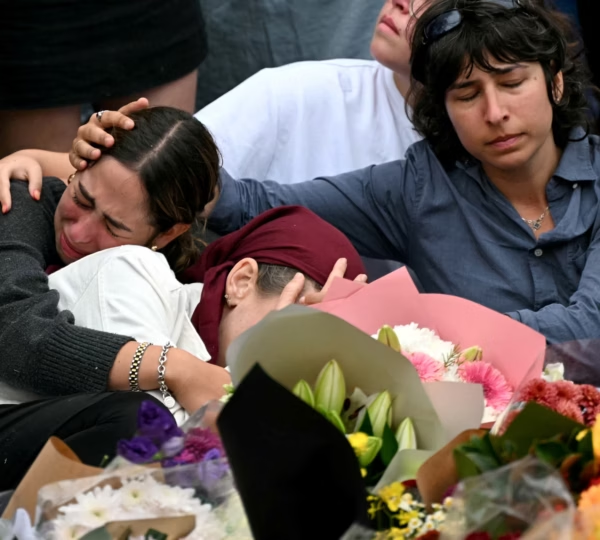
Survivors, including families who witnessed their loved ones gunned down, spoke of trauma, grief, and disbelief.
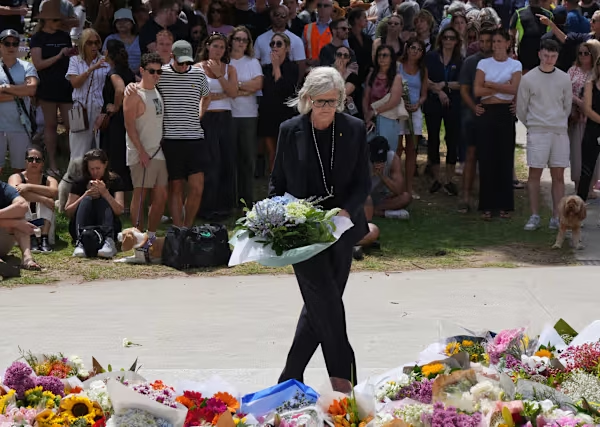
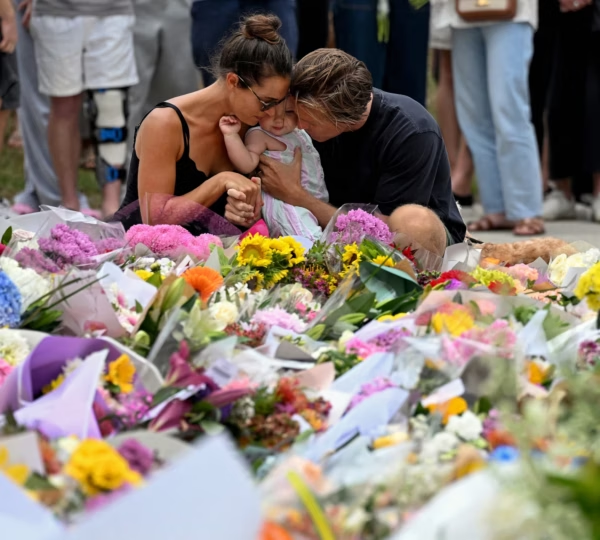
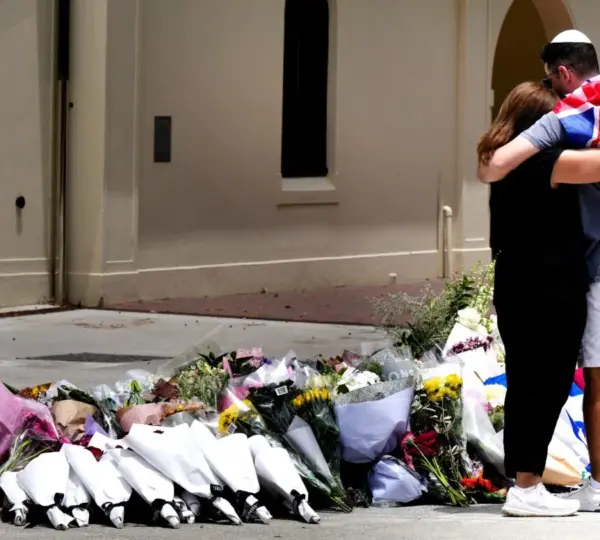
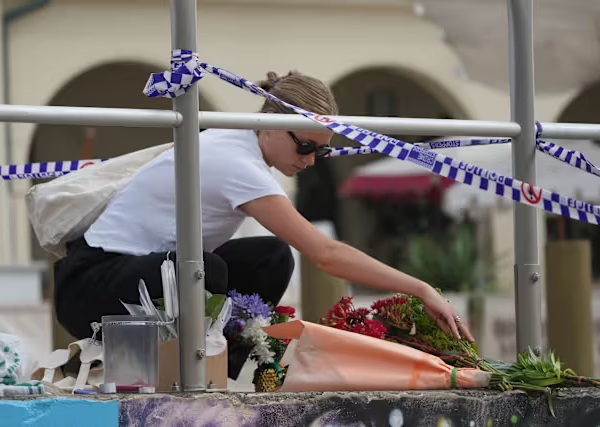
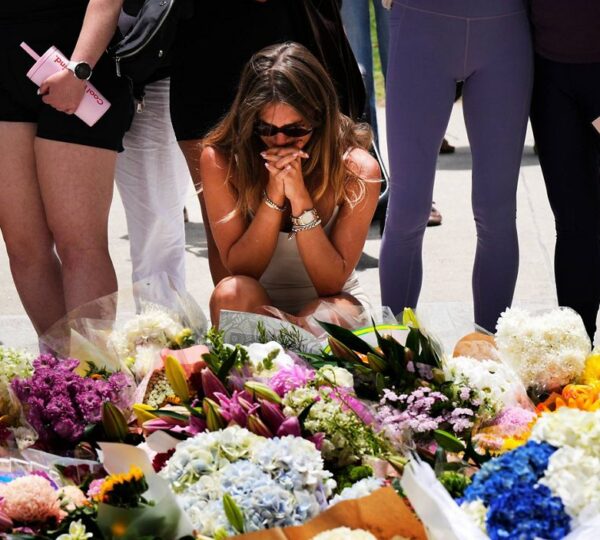
Schools, community centers, and local organizations have rallied to support victims’ families, providing counseling and practical assistance. Vigils and memorials are being organized to honor the dead, with community leaders emphasizing unity in the face of hatred.
The Jewish community, in particular, is mourning the loss of multiple generations—from children like Matilda to elders like Alexander Kleytman—whose lives were violently interrupted in a place meant for celebration.
Religious leaders are calling for both vigilance and compassion, reminding congregants that while security measures are essential, the values of community, faith, and resilience must endure.
Security Measures and Preventive Steps
In response to the attack, Australian authorities have heightened security across the country, including at schools, religious sites, and major public gatherings.
Police presence at synagogues and Jewish cultural centers has increased, and counterterrorism units are actively monitoring potential threats linked to extremist networks.
The federal government has pledged additional funding for intelligence operations and community protection, emphasizing a dual approach of prevention and rapid response.
Experts warn that the psychological impact of such attacks extends far beyond immediate victims.
Children, elderly citizens, and witnesses may experience long-term trauma, while entire communities can feel unsafe in public spaces once considered secure.
Mental health professionals are working alongside law enforcement to provide resources for those affected, emphasizing the importance of both physical safety and emotional recovery.
The Broader Context of Antisemitism
Analysts note that the Bondi Beach attack is part of a disturbing global trend of targeted violence against Jewish communities.
Incidents of antisemitism have risen in multiple countries, sometimes fueled by extremist ideologies and online radicalization.
Experts warn that preventing future tragedies requires a combination of law enforcement vigilance, community education, and societal condemnation of hate-driven rhetoric.
Prime Minister Albanese stated, “What happened at Bondi Beach cannot and will not define us. It is an attack on our shared humanity, and we will respond with justice, unity, and determination to ensure no community lives in fear.”
A Nation in Shock
As Australia mourns, the country faces the difficult task of reconciling the tragedy with its reputation as a safe, multicultural society.
Bondi Beach, once a place for family outings, summer celebrations, and communal joy, now serves as a stark reminder of how quickly peace can be shattered. For families who lost loved ones, like Matilda’s and Alexander Kleytman’s, life will never be the same.
Law enforcement continues to investigate, survivors recount trauma, and communities rally to remember and honor those taken.
Bondi Beach’s sun and surf remain, but they are now forever shadowed by grief and resilience, as Australia and the world confront the impact of extremism and reaffirm the need for unity against hate.
A joyful Hanukkah celebration at Sydney’s iconic Bondi Beach turned into a scene of unimaginable horror when gunfire erupted.
Leaving at least 15 people dead—including a 10-year-old girl and an 87-year-old Holocaust survivor—and injuring 42 others.
Authorities described the attack as a deliberate act of antisemitic terrorism, shocking both Australia and the global Jewish community.
The attack occurred during a widely attended public event that had drawn families from across Sydney.
The celebration, normally filled with menorah lighting, live music, food stalls, face painting, and a petting zoo for children, was abruptly transformed into a scene of chaos, panic, and tragedy.
Witnesses described hearing rapid gunfire as terrified attendees scrambled for cover, some diving into sand or nearby structures to escape.
Two gunmen opened fire, killing 16 people in total, including one of the attackers, and leaving dozens more wounded.
The ages of the victims span from a young child to an elderly Holocaust survivor in his late 80s.
While authorities have not yet officially released the identities of all victims, the attack’s brutality and targeted nature have been described as unprecedented.
Australian Prime Minister Anthony Albanese condemned the attack, calling it “an act of pure evil, an act of antisemitism, an act of terrorism on our shores in an iconic Australian location, Bondi Beach, that is associated with joy, associated with families gathering, associated with celebrations.
It is forever tarnished by what has occurred,” according to the Associated Press (AP).
Eyewitness Accounts Describe Chaos and Horror
Attendees described scenes of panic, confusion, and terror as the sound of gunfire echoed across the beach and surrounding streets.
Families scrambled to protect children, while festival-goers tripped over decorations and stalls in their desperate attempts to flee.
One human rights lawyer, Arsen Ostrovsky, who had recently moved to Sydney from Israel to work for a Jewish advocacy group, was grazed in the head by a bullet.
“What I saw today was pure evil, just an absolute bloodbath. Bodies strewn everywhere,” Ostrovsky told AP. “I never thought this would be possible here in Australia.”
Among the youngest victims was 10-year-old Matilda, who was rushed to Sydney Children’s Hospital after being shot, where she tragically died that evening.
Her aunt, Lina, shared the devastating news on social media: “A great tragedy has happened to my family. My beloved niece Matilda was killed during a terrorist attack in Bondi Beach. I don’t know how we survive such grief.”
Matilda’s language teacher described her as a “bright, joyful, and spirited child who brought light to everyone around her,” emphasizing the deep loss felt by her school community.
A GoFundMe campaign has been established to support Matilda’s grieving mother, as her teachers and classmates remember her life with love and sorrow.
Holocaust Survivor Among the Victims
The attack also claimed the life of 87-year-old Alexander Kleytman, a Holocaust survivor who had rebuilt his life in Australia after enduring the horrors of World War II.
Alexander’s wife of 50 years, Larisa, survived after her husband instinctively moved to shield her from the gunfire, a final act of devotion that tragically cost him his life.
“We were standing and suddenly came the ‘boom boom,’ and everybody fell down. At this moment he was behind me and at one moment he decided to go close to me.
He pushed his body up because he wanted to stay near me,” Larisa recounted, according to the Guardian. “I think he was shot because he raised himself up to protect me,” she added to People magazine.
The Kleytmans had shared their experiences surviving the Holocaust with JewishCare in 2023. Alexander had endured brutal conditions in Siberia as a child, living alongside his mother and younger brother under Nazi oppression.
“The scars of the past did not deter them from seeking a brighter future,” JewishCare noted in their 2022–23 annual report.
The couple later immigrated to Australia from Ukraine, rebuilding a life filled with community, family, and resilience—only to have it violently interrupted on that fateful day.
Authorities have identified the two gunmen as 50-year-old Sajid Akram, who died at the scene, and his 24-year-old son, Naveed Akram, who remains hospitalized in critical condition.
According to reports from the BBC and local law enforcement, both men pledged allegiance to the Islamic State (ISIS) group.
Australian Prime Minister Anthony Albanese stated that the attack was “clearly motivated by extremist ideology,” underscoring its nature as a deliberate act of antisemitic terrorism.
Investigators are working to understand the full extent of the attack, including how the gunmen obtained their firearms, whether others were involved, and the broader motivations behind their actions.
Police have not ruled out additional connections or supporters who may have assisted in planning or facilitating the assault.
Forensic teams and counterterrorism units are scouring the crime scene at Bondi Beach, collecting evidence from the surrounding streets and nearby buildings.
Authorities have also increased security at synagogues, Jewish community centers, and other public spaces, not only in Sydney but across Australia, to prevent potential copycat attacks.
Global Responses and Condemnation
The attack has drawn international condemnation. World leaders, Jewish organizations, and human rights groups expressed outrage at what they described as an unprecedented act of violence targeting a religious minority.
The Anti-Defamation League (ADL) and the World Jewish Congress released statements highlighting the horrific nature of the incident and the urgent need to address rising antisemitic threats globally.
“This attack was not only a tragedy for Australia, but a grim reminder that antisemitism continues to manifest violently around the world,” the ADL said.
Many countries, including the United States, the United Kingdom, and Israel, have offered assistance to Australian authorities, ranging from intelligence-sharing to security guidance for vulnerable communities.
Communities in Mourning and Fear
Bondi Beach, long celebrated as a symbol of multiculturalism and community, is now etched into collective memory for tragedy rather than leisure.
Survivors, including families who witnessed their loved ones gunned down, spoke of trauma, grief, and disbelief.
Schools, community centers, and local organizations have rallied to support victims’ families, providing counseling and practical assistance. Vigils and memorials are being organized to honor the dead, with community leaders emphasizing unity in the face of hatred.
The Jewish community, in particular, is mourning the loss of multiple generations—from children like Matilda to elders like Alexander Kleytman—whose lives were violently interrupted in a place meant for celebration.
Religious leaders are calling for both vigilance and compassion, reminding congregants that while security measures are essential, the values of community, faith, and resilience must endure.
Security Measures and Preventive Steps
In response to the attack, Australian authorities have heightened security across the country, including at schools, religious sites, and major public gatherings.
Police presence at synagogues and Jewish cultural centers has increased, and counterterrorism units are actively monitoring potential threats linked to extremist networks.
The federal government has pledged additional funding for intelligence operations and community protection, emphasizing a dual approach of prevention and rapid response.
Experts warn that the psychological impact of such attacks extends far beyond immediate victims.
Children, elderly citizens, and witnesses may experience long-term trauma, while entire communities can feel unsafe in public spaces once considered secure.
Mental health professionals are working alongside law enforcement to provide resources for those affected, emphasizing the importance of both physical safety and emotional recovery.
The Broader Context of Antisemitism
Analysts note that the Bondi Beach attack is part of a disturbing global trend of targeted violence against Jewish communities.
Incidents of antisemitism have risen in multiple countries, sometimes fueled by extremist ideologies and online radicalization.
Experts warn that preventing future tragedies requires a combination of law enforcement vigilance, community education, and societal condemnation of hate-driven rhetoric.
Prime Minister Albanese stated, “What happened at Bondi Beach cannot and will not define us. It is an attack on our shared humanity, and we will respond with justice, unity, and determination to ensure no community lives in fear.”
A Nation in Shock
As Australia mourns, the country faces the difficult task of reconciling the tragedy with its reputation as a safe, multicultural society.
Bondi Beach, once a place for family outings, summer celebrations, and communal joy, now serves as a stark reminder of how quickly peace can be shattered. For families who lost loved ones, like Matilda’s and Alexander Kleytman’s, life will never be the same.
Law enforcement continues to investigate, survivors recount trauma, and communities rally to remember and honor those taken.
Bondi Beach’s sun and surf remain, but they are now forever shadowed by grief and resilience, as Australia and the world confront the impact of extremism and reaffirm the need for unity against hate.


