
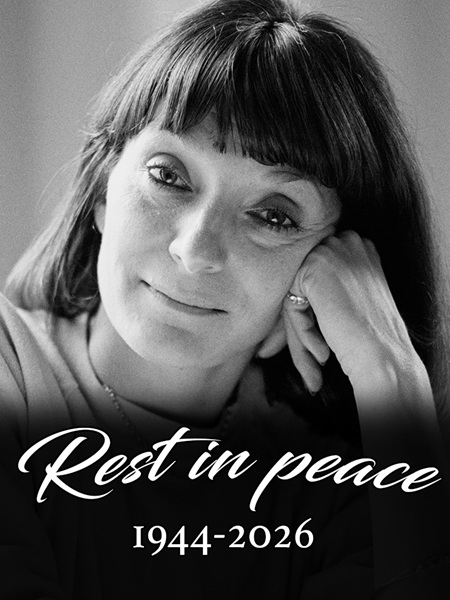
Jane Lapotaire, the beloved British actress celebrated for her extraordinary career on stage and screen, has died at the age of 81, the Royal Shakespeare Company confirmed.
Her death on March 5 was announced by the RSC, which praised her remarkable talent and profound impact on theatre and television throughout more than six decades in performance.
Born on December 26, 1944, in Ipswich, England, Jane Burgess — later known professionally as Jane Lapotaire — came from humble beginnings.
Abandoned as a baby, she was placed in care and eventually fostered by a kind woman whom she lived with for twelve formative years, shaping her early sense of security and belonging.
Lapotaire’s childhood was marked by a quiet yearning for expression, and she often found solace in books and performance.
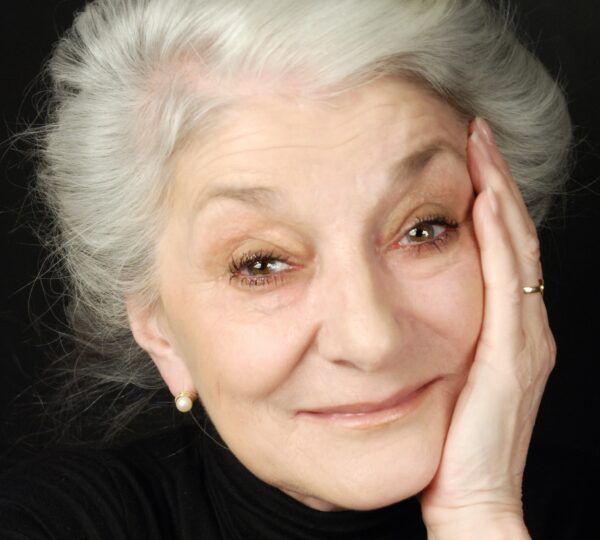
It was not until the age of seventeen that she discovered a passionate calling for acting, saying later that she wanted to perform “more than walking or breathing,” a phrase that deeply captured her devotion to the craft.
Determined to pursue her newfound ambition, Jane trained at the distinguished Bristol Old Vic Theatre School from 1961 until 1963. There, she honed her skills among peers and mentors who recognized both her intensity and vulnerability as an actor.
While still early in her career, she worked as an assistant stage manager at the Ipswich Repertory Theatre, immersing herself in all aspects of production. This formative experience strengthened her appreciation for ensemble work and grounded her in a deep respect for theatrical collaboration.
Her first major professional stage role came in 1965, when she played Ruby Birtle in the play When We Are Married at the Bristol Old Vic. The performance caught attention, and from that point forward her rise in British theatre seemed both inevitable and richly deserved.
By the 1970s, Jane Lapotaire had become a recognized name in British theatre, known for her fearless emotional range and powerful stage presence. Directors and audiences alike admired her ability to convey both fragility and force with equal conviction.
Her breakout international moment arrived in 1980 when she starred as French chanteuse Edith Piaf in the stage production Piaf. The role won her both a Tony Award in the United States and an Olivier Award in the United Kingdom, two of the highest honors in theatre.

Critics at the time described her performance as “raw, vulnerable and devastating,” praising how she brought depth and complexity to Piaf’s tumultuous life in song and monologue, capturing the singer’s brilliance alongside her personal suffering.
Lapotaire’s career was not limited to theatre. She worked extensively on British television and in film, often portraying characters of strength, intelligence, and nuance. Her versatility allowed her to move effortlessly between Shakespearean classics, modern dramas, and historical series.
In the acclaimed Netflix series The Crown, she appeared in season 3 as Princess Alice of Battenberg, the mother of Prince Philip. Her portrayal of the royal matriarch was widely praised for its dignity, warmth and emotional precision.
She was also featured in Downton Abbey: A New Era, appearing as Princess Irina Kuragin in the widely adored period drama’s season 5. Her presence in the series brought renewed attention from global audiences and introduced her brilliance to a younger generation.
Across her television and stage roles, Lapotaire was known for infusing every character with an unmistakable humanity, anchoring even the most extravagant figures in lived reality and emotional truth. Casting directors noted her rare ability to elevate every scene she entered.
Her personal life, though often kept private, was marked by resilience. In 2000, she suffered a serious brain haemorrhage that threatened her ability to continue acting. The illness was life‑changing and required an extended period of recovery.
Despite the challenge, Jane returned to the stage with remarkable determination. Her comeback was widely celebrated and served as a testament to her enduring passion for performance. She continued to work, write, and engage with the arts community for years after.
In later life, she also became an author. Her books explored both her life in the theatre and her personal experiences, providing insight into the life of an actor and revealing the emotional landscapes behind her greatest roles.
Her writing was praised for its honesty and generosity of spirit, offering encouragement to aspiring performers while reflecting on the intimate challenges and triumphs of her own path. Her voice as a writer was as distinct as her voice on stage.
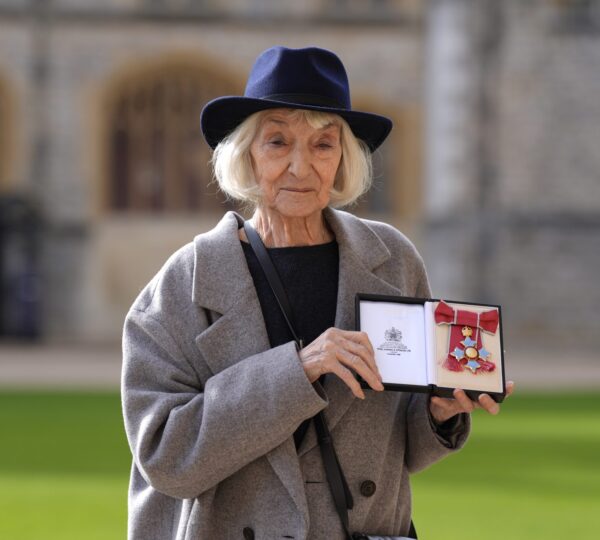
Just weeks before her death, Jane Lapotaire received one of her final honors when she was appointed Commander of the Order of the British Empire (CBE) for her services to drama. The accolade — presented by the King — was celebrated by peers as a fitting recognition of a lifetime devoted to the arts.
The CBE ceremony also marked her last major public appearance and became a moment of reflection on a career that influenced generations of actors and theatre‑goers. Colleagues described the event as poignant and joyful.

News of her passing prompted an outpouring of tributes across social media and within the acting community. Admirers remembered her not just for her awards but for the deep emotional truth she brought to every performance.
One tribute noted that her work as Piaf stood as one of the defining stage performances of her generation, “raw, vulnerable, devastating, and unforgettable,” capturing the fierce spirit of a woman who lived intensely both on and off the stage.
Another tribute described her as “an extraordinary talent,” praising her versatility and ability to bring depth to every character she portrayed. Many remarked that her performances in The Crown and Downton Abbey had left a lasting impression on global audiences.
Fans also reflected on how her characters helped illuminate history, bringing empathy and insight to figures whose stories might otherwise seem distant. Her ability to humanize even well‑known figures distinguished her from many of her contemporaries.
Jane Lapotaire is survived by her son, Rowan Joffe, whom she shared with her former husband, film director Roland Joffé. Family members said in a statement that she passed peacefully and that her legacy will endure through both her work and her influence on others.
Her son, also an artist in his own right, released a statement expressing deep gratitude for his mother’s life, describing her as “a force of creativity” whose love of performance inspired him throughout his life.
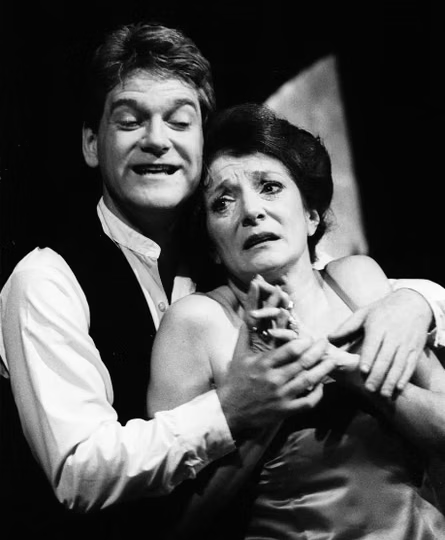
Colleagues in the Royal Shakespeare Company and beyond said she will be remembered not only for the iconic roles she embodied but also for her generosity of spirit. Many spoke of her warmth, mentorship, and kindness toward younger actors entering the profession.
Theatres across the United Kingdom and abroad are expected to hold moments of silence and tribute performances in her honor, recognizing a life in the dramatic arts that was nothing short of extraordinary.
In remembering Jane Lapotaire, many critics and fans alike noted that her career was not defined by a single role, but by a series of fearless, unforgettable performances that together created a legacy of brilliance and humanity.
Her contribution to British theatre, television, and global performance was profound, influencing countless actors and setting a standard for emotional depth and artistic commitment that will continue to resonate.
Throughout her life, Jane remained dedicated to her craft, embracing both the joys and hardships of a life in performance with integrity and courage. She once said she acted “because it was the only thing that truly felt like life itself,” and that devotion carried through every role she offered to the world.
Jane Lapotaire’s passing marks the end of an era in performance, but her work — in theatre, television, and writing — remains a lasting testament to a remarkable and deeply felt artistic life.
May she rest in peace, her legacy honored on stage and screen for generations to come.
