

In the vast and colorful world of nutrition, beans often go unnoticed — a humble presence on plates, a quiet companion in soups, stews, salads, and side dishes.
Yet for centuries, they have been staples in traditional diets across continents, from the Mediterranean to Latin America, East Asia to the Middle East.
In recent decades, modern nutrition science has revealed that these seemingly ordinary legumes carry extraordinary benefits, particularly for blood sugar regulation and metabolic balance.
They have earned nicknames like “the vegetable that eats sugar”, not because they perform miracles, but because of the subtle, methodical way they interact with the body’s metabolism.
Understanding the Magic Within Beans
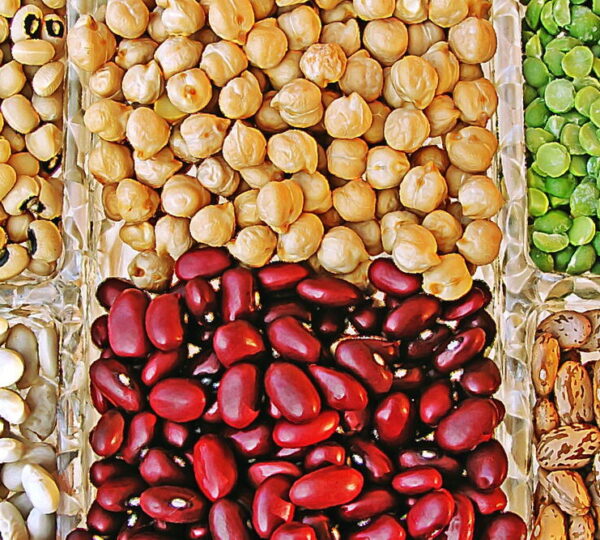
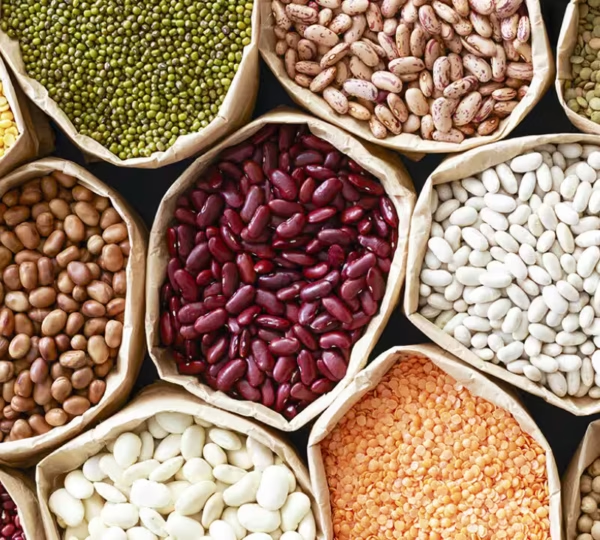
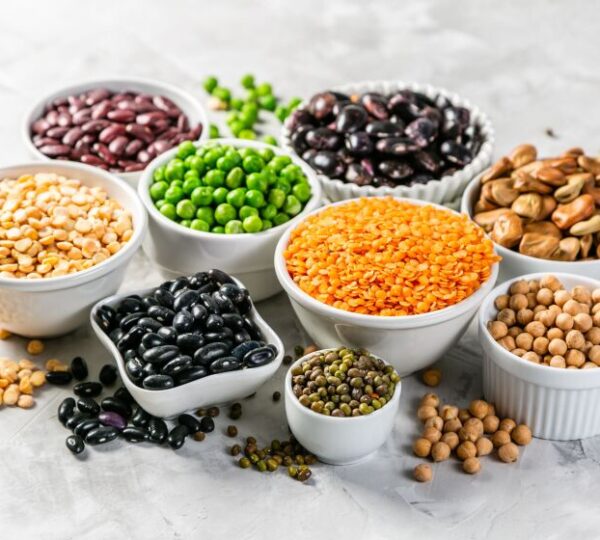
The true strength of beans lies in two naturally occurring components: soluble fiber and resistant starch. These are not exotic nutrients; they are naturally present in common varieties such as lentils, chickpeas, black beans, kidney beans, and navy beans.
Their synergy creates a physiological rhythm that the body finds easier to handle compared to high-glycemic foods.
Soluble Fiber: This type of fiber has the remarkable property of softening into a gentle gel when it encounters water during digestion.
This gel slows the movement of carbohydrates into the bloodstream. Unlike refined sugars or white bread, which can provoke rapid spikes in blood glucose followed by sudden drops, soluble fiber enables a gradual and steady release of energy.
The body experiences less stress from these fluctuations, helping maintain consistent energy levels and a sense of fullness over time.
Resistant Starch: Resistant starch, meanwhile, is a type of carbohydrate that resists digestion in the small intestine. Instead, it travels deeper into the gut, where it becomes nourishment for beneficial gut bacteria.
These microbes ferment the starch, producing short-chain fatty acids such as butyrate, which support gut lining integrity, healthy metabolism, and anti-inflammatory pathways.
This process not only aids digestion but also reinforces the body’s long-term metabolic resilience, contributing to better insulin sensitivity and improved blood sugar responses in subsequent meals.
The combination of soluble fiber and resistant starch creates a physiological environment where carbohydrates are guided calmly rather than blocked forcefully.
There is a rhythm rather than a rush — a gentle orchestration that allows the body to handle glucose efficiently without the sharp disruptions that often accompany highly processed foods.
The Glycemic Harmony of Beans
The glycemic index (GI) is a measure of how quickly carbohydrate-containing foods raise blood sugar. Beans consistently score low on this scale, which aligns with their biochemical profile.
But their effect goes beyond a single meal: when consumed regularly, legumes help moderate the body’s response to carbohydrates in subsequent meals.
Research shows that including beans in a meal can lower postprandial glucose spikes even hours later, creating a more stable metabolic landscape throughout the day.
For people managing conditions such as type 2 diabetes or insulin resistance, beans are not a cure — they are allies. They complement medical care and dietary planning by providing slow-release energy and supporting overall glucose management.
The emphasis is on consistency rather than dramatic changes. Regular inclusion over weeks and months tends to yield the most noticeable benefits, supporting metabolic stability and enhancing the body’s natural rhythms.
Versatility in Everyday Eating
One of the understated virtues of beans is their versatility. Unlike specialized health foods or supplements, beans integrate seamlessly into everyday life.
A handful can be stirred into a salad for crunch and protein. A cup can enrich a hearty soup, enhancing flavor and texture while quietly contributing to metabolic balance.
Slow-cooked stews offer the dual benefits of tenderized legumes and savory satisfaction, without requiring exotic ingredients or complex preparation.
Moreover, beans pair exceptionally well with other foods that support steady energy and balanced metabolism:
-
Leafy greens: Spinach, kale, and Swiss chard provide magnesium, potassium, and micronutrients that complement the stabilizing effects of legumes on blood sugar.
-
Whole grains: Quinoa, barley, or brown rice combined with beans offer a complete protein profile while sustaining energy levels.
-
Spices: Cinnamon, turmeric, ginger, and black pepper contain compounds with mild anti-inflammatory properties, further supporting metabolic health.
This approach emphasizes meals built around steadiness and nourishment rather than rush or extremes. Eating becomes a rhythm — mindful, satisfying, and sustainable.
Scientific Insights: Beans and Metabolic Health
Multiple clinical studies have reinforced the role of beans in blood sugar regulation:
-
Postprandial Glucose Control: Research published in journals like The American Journal of Clinical Nutrition indicates that consuming beans can reduce post-meal blood glucose by 15–30% compared to meals containing refined starches.
-
Insulin Sensitivity: Regular bean consumption has been linked to improved insulin sensitivity, a key factor in preventing and managing type 2 diabetes.
-
Gut Health and Metabolism: Resistant starch in beans feeds gut microbiota, promoting short-chain fatty acid production, which has downstream benefits for metabolic signaling, appetite regulation, and inflammation control.
-
Weight Management: The combination of fiber, protein, and slow-digesting starch helps increase satiety and reduce caloric overconsumption — a subtle yet effective way to maintain healthy weight over time.
These mechanisms work quietly and cumulatively, supporting long-term metabolic health without extreme measures or quick fixes.
Practical Tips for Incorporating Beans
For those seeking to make beans a regular part of their lifestyle, small, incremental strategies work best:
-
Start Slowly: For individuals unused to high-fiber diets, gradually increase bean intake to avoid digestive discomfort.
-
Mix with Familiar Foods: Blend beans into familiar recipes such as pasta sauces, stews, or curries.
-
Combine with Complementary Nutrients: Pair beans with foods rich in magnesium, vitamin C, and antioxidants to maximize metabolic support.
-
Soak and Cook Properly: Soaking beans overnight and cooking thoroughly enhances digestibility and nutrient absorption.
-
Use Canned Beans Wisely: If using canned beans, rinse them thoroughly to reduce sodium content while preserving fiber and resistant starch.
Over time, these minor adaptations become habitual and can create a meaningful impact on energy stability, gut health, and overall well-being.
Beyond Blood Sugar: Holistic Benefits of Beans
Beans offer more than metabolic advantages:
-
Heart Health: Soluble fiber contributes to lower LDL cholesterol and overall cardiovascular support.
-
Bone Health: Magnesium, calcium, and protein in legumes support bone density and structural integrity.
-
Sustainable Nutrition: Beans are environmentally friendly, requiring less water and energy to produce than most animal proteins. They promote planetary health alongside personal well-being.
In essence, beans exemplify low-drama nutrition that delivers high-impact results. They nurture the body quietly, without imposing extreme demands or flashy promises.
The Deeper Lesson: Health in Patience
Perhaps the most important lesson beans offer transcends biochemistry. Their value lies in the principle of gradual, consistent support.
Health, like many aspects of life, is rarely restored through sudden, dramatic interventions. It grows through small, steady choices — a spoonful of lentils today, a handful of chickpeas tomorrow, a slow-cooked stew the next week.
Over months and years, these ordinary acts quietly reshape physiology, energy levels, and metabolic resilience.
This philosophy aligns perfectly with modern nutritional science:
-
Emphasizing consistency over intensity ensures lasting results.
-
Supporting the body’s natural rhythms respects physiological feedback rather than overriding it with drastic measures.
-
Small dietary choices compound over time, creating meaningful, long-term impact.
Conclusion: Quiet Power on the Plate
Beans are, in many ways, the unsung heroes of nutrition. They balance blood sugar, support gut health, aid satiety, and provide essential nutrients — all without fanfare.
Their effect is gradual, cumulative, and harmonious, in contrast to the abrupt spikes caused by refined foods or fad diets.
For anyone seeking steady energy, improved insulin sensitivity, or general metabolic support, beans offer a practical, scientifically validated ally.
They work best when integrated thoughtfully, alongside complementary foods and mindful lifestyle practices.
In a world obsessed with rapid fixes and dramatic interventions, beans remind us that the most powerful health strategies often feel ordinary, almost invisible, until their quiet influence manifests in stronger metabolism, better energy, and a deeper sense of well-being.
Key Takeaways:
-
Beans contain soluble fiber and resistant starch, both critical for slow, stable blood sugar release.
-
Resistant starch feeds beneficial gut bacteria, supporting long-term metabolic health.
-
Regular consumption can improve insulin sensitivity, satiety, and post-meal glucose response.
-
Beans are versatile, sustainable, and easy to incorporate into everyday meals.
-
Health grows through small, steady choices, not dramatic fixes.
Ultimately, beans teach us that nutrition is not about extremes, but rhythm, patience, and quiet consistency — a lesson as profound for metabolism as it is for life itself.
