
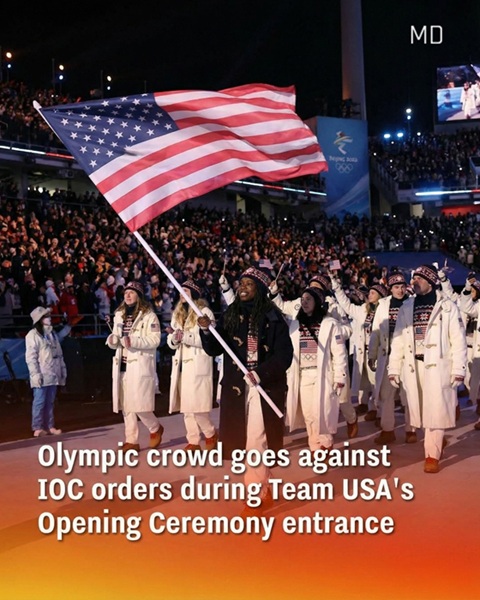
The opening of the 2026 Winter Olympics in Italy marked the beginning of another global sporting chapter—one shaped not only by athletic ambition, but also by the realities of a complex international moment.
With the world’s attention fixed on Milan and its surrounding venues, the ceremony signaled the official start of a competition that has been years in the making for thousands of athletes, organizers, and host communities.
From the outset, the event carried symbolic weight. The Olympic Games have long represented unity, perseverance, and shared human effort, values that feel especially significant in a time when global conversations are often marked by division and tension.
The opening ceremony reflected this dual reality: a celebration of sport and culture, unfolding against a backdrop of heightened public awareness and debate.
A Ceremony Rooted in Culture and Tradition
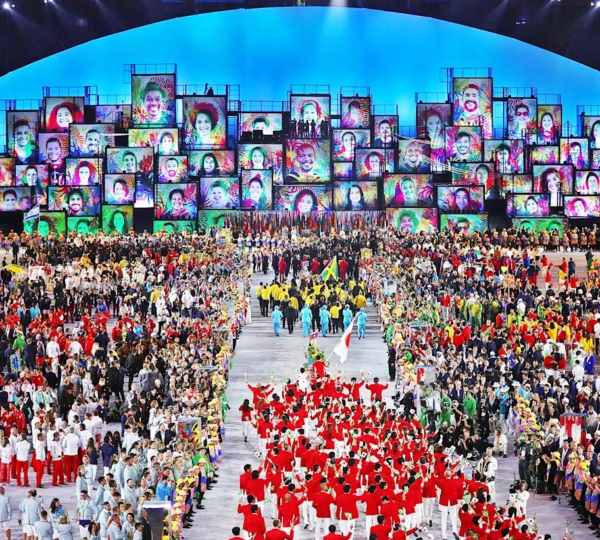
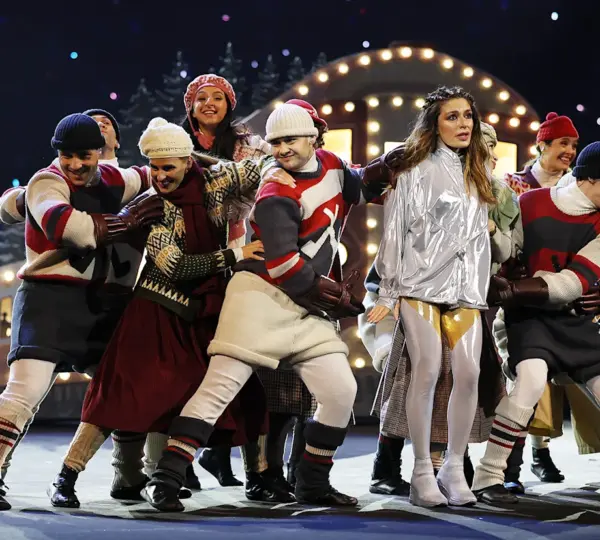
The opening ceremony was designed to highlight Italy’s rich cultural heritage while welcoming the world. Music, visual storytelling, and artistic performances paid tribute to history, creativity, and the enduring appeal of the Olympic ideal.
Organizers emphasized themes of connection and cooperation, underscoring the belief that sport can serve as a common language across borders.
Athletes entered the stadium representing nations from every region of the world, many visibly emotional after years of preparation and sacrifice. For some, this moment marked the fulfillment of a lifelong dream; for others, it was the culmination of recovery from injury, personal loss, or uncertainty.
The ceremony offered a rare pause before competition—a chance to acknowledge the shared journey that brought so many different people together.
The Olympics in a Politically Aware Era
In recent decades, major international sporting events have increasingly taken place in a world shaped by instant communication and constant public discourse.
The 2026 Winter Olympics are no exception. In the days leading up to the opening ceremony, conversations around international relations, policy disagreements, and global challenges were already present in public forums and media discussions.
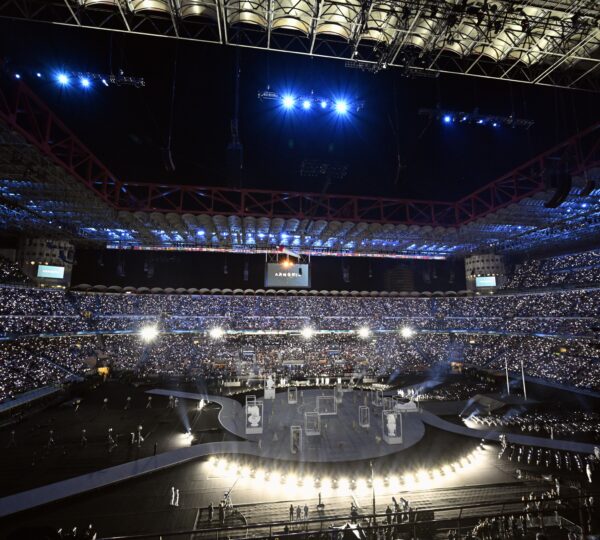
At the same time, they acknowledged that the Olympics do not exist in isolation. As a gathering of nations, the event naturally reflects the broader context in which it takes place.
This balance—between neutrality and awareness—has become one of the defining challenges of the modern Olympic movement.
Attention on National Delegations
As delegations entered the stadium, spectators and viewers followed closely, particularly when teams from major sporting nations appeared.
Each entrance was met with applause, curiosity, and, in some cases, visible emotion from athletes proud to represent their countries on one of the world’s largest stages.
When Team USA entered, attention naturally intensified, reflecting the country’s prominent role in global sports and international affairs. Official representatives attended the ceremony in keeping with established diplomatic practices, while athletes remained the focal point of the moment.
Reactions among spectators varied, as is common at events of this scale, with many directing their enthusiasm toward the competitors themselves.
Online, discussions quickly followed. Social media platforms filled with commentary reflecting a wide range of perspectives. Some viewers emphasized the importance of keeping sports separate from politics, while others argued that global events inevitably reflect broader realities.
The conversation highlighted how the Olympics continue to serve as a mirror of public sentiment as much as a celebration of athletic excellence.
Demonstrations and Public Expression
Large international events often draw attention beyond stadium walls, and the days surrounding the opening ceremony were no different. In parts of the host city, demonstrations related to international issues were reported, reflecting the role of the Olympics as a highly visible global gathering.
Such demonstrations were peaceful expressions of opinion, a reminder that open societies allow space for public voices even during moments of celebration.
Local authorities and organizers worked to ensure safety and order while respecting the right to expression, emphasizing that the Games themselves remained focused on competition and cultural exchange.
Athletes, Identity, and Personal Voice
Another ongoing discussion surrounding the Games involved the role of athletes as individuals with personal beliefs and experiences.
Many competitors arrive at the Olympics not only as representatives of their nations, but also as voices with platforms that extend far beyond the field of play.
Some athletes have chosen to share personal reflections or perspectives on issues affecting their home countries through interviews or social media.
These expressions have sparked conversation about how athletes navigate their identities within an event that traditionally emphasizes political neutrality.
Olympic officials have reaffirmed existing guidelines designed to keep competition venues focused on sport, while still recognizing that athletes, like all people, live within broader social realities. The emphasis remains on respect—both for the rules of the Games and for the diversity of experiences represented by those who compete.
The Meaning of Neutrality in Modern Sport
The idea of political neutrality has been central to the Olympic movement since its modern revival. However, neutrality does not mean absence of context. Instead, it reflects a commitment to ensuring that competition remains fair, inclusive, and centered on athletic achievement.
In today’s interconnected world, maintaining that focus requires constant effort. Organizers must navigate public expectations, athlete expression, and international relationships, all while delivering an event that meets the highest standards of competition and safety.
The opening ceremony of the 2026 Winter Olympics illustrated this effort: a carefully constructed celebration designed to honor sport while acknowledging the complexity of the world beyond the stadium.
A Global Audience, A Shared Experience
For viewers around the world, the ceremony offered a moment of collective attention. Families watched from living rooms, athletes’ hometowns gathered in support, and fans followed along across time zones.
For many, the Olympics remain one of the few events capable of uniting such a broad and diverse audience. This shared experience is part of the Games’ enduring appeal.
Even when opinions differ, the sight of athletes standing together, exchanging gestures of respect, and preparing to compete under common rules carries symbolic power.
The Athletes at the Center
Ultimately, the heart of the Olympics lies with the athletes themselves. Years of disciplined training, personal sacrifice, and determination lead to this stage. For winter sports competitors, the journey often includes long seasons in harsh conditions, physical risk, and limited visibility outside Olympic years.
The opening ceremony marks a brief moment before performance takes over—a reminder that behind every uniform is an individual story shaped by perseverance and ambition.
As competitions begin, attention naturally shifts from ceremony to results: races decided by fractions of a second, routines executed under immense pressure, and moments of triumph and disappointment that define sporting history.
Looking Ahead to the Weeks of Competition
With the opening ceremony complete, the focus now turns fully to the events themselves. Over the coming weeks, audiences can expect displays of skill, resilience, and sportsmanship across disciplines ranging from alpine skiing to ice hockey, figure skating, and beyond.
Organizers hope that as competition unfolds, attention will move away from off-field debates and toward the performances that define the Olympic experience.
While public discussion will always exist, the Games offer an opportunity to highlight what connects people: respect for dedication, admiration for excellence, and appreciation for cultural exchange.
Why the Olympics Still Matter
Despite changing times and ongoing debate, the Olympics continue to hold a unique place in global culture. They provide a stage where talent meets opportunity, where national pride coexists with international respect, and where individual stories resonate across borders.
The opening of the 2026 Winter Olympics served as a reminder of this enduring purpose. Even during challenging moments, the Games create space for shared attention and collective inspiration.
As athletes take to the ice and snow, they carry not only their personal goals, but also the hopes of communities watching around the world. In doing so, they reaffirm why the Olympics—imperfect, complex, and powerful—continue to bring people together.
