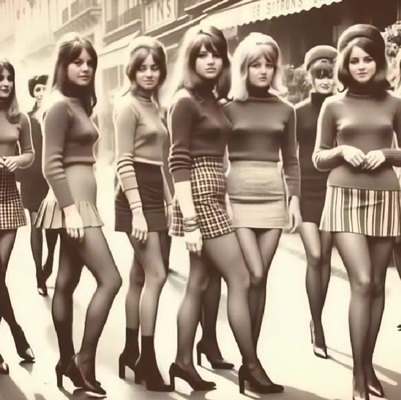
At First Glance, This Photo Seems Normal — But It Hides an Important Detail
The 1970s were more than a decade of music, movies, and political shifts; they were a period in which fashion became a powerful tool for self-expression, personal identity, and cultural commentary.
A glance at photographs from the era evokes nostalgia, yet a closer look reveals the distinct spirit of the time.
Fashion in the ’70s carried weight beyond mere clothing; it reflected rebellion, liberation, and a celebration of individuality.
Personal style became a medium through which people communicated values, attitudes, and emotions, with clothing serving as both armor and voice.
Comfort and Confidence in Clothing The onset of the 1970s marked a clear departure from the rigid and structured styles of the previous decades.
The postwar era’s polished, conservative silhouettes gave way to softer, more relaxed garments that allowed movement and personal expression.
For women especially, this transformation was deeply symbolic, representing freedom and the ability to inhabit spaces comfortably while asserting individuality.
Fabrics draped differently, cuts were more forgiving, and designs encouraged activity rather than confinement.
Designers responded to this cultural shift, creating pieces that blended aesthetic appeal with practical wearability.
Clothing became a conduit for confidence; a well-chosen outfit could project independence, self-assuredness, and cultural awareness.
Icons of Boldness The 1970s introduced fashion icons who exemplified daring and elegance, influencing public perceptions of style and self-expression.
Diana Ross, for instance, shimmered in satin gowns that conveyed glamour and movement, transforming red carpets and stages into showcases of drama and soul.
Bianca Jagger, another iconic figure, fused elegance with avant-garde audacity, demonstrating that sophistication could coexist with playful rebellion.
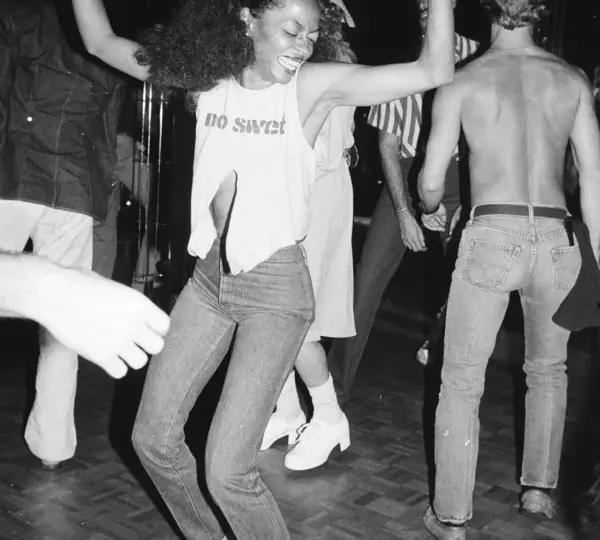
Their choices transcended mere personal preference—they became cultural statements, signaling a society increasingly prioritizing self-expression over traditional rules.
Diana Ross’s flowing bronze gown from 1970 remains emblematic of the decade’s theatrical flair, capturing both the emotional and aesthetic essence of the era.
The Disco Era: Sparkle, Energy, and Attitude The late 1970s witnessed the rise of disco, an influential subculture that transformed nightlife, music, and fashion.
Clubs like Studio 54 in New York City became epicenters of glamour, where metallic fabrics, daring cuts, and body-conscious designs were the order of the evening.
Dressing for the disco scene was more than putting on clothing—it was about embodying energy, confidence, and attitude.
Attendees sought garments that caught the light, accentuated movement, and expressed personality.
Bianca Jagger’s lamé gowns, often paired with statement accessories, perfectly encapsulated the glittering intensity and theatricality of the disco era.
Fashion became performative; every shimmer, cut, and sparkle was a deliberate choice, projecting presence and individuality on the dance floor.
Casual Chic for Daytime While nighttime attire demanded dazzle and flamboyance, daytime fashion of the 1970s emphasized practicality without sacrificing style.
Designers like Halston and Calvin Klein innovated with materials, silhouettes, and minimalism to create ensembles suitable for modern lifestyles.
Soft fabrics such as polyester, ultrasuede, and silk blends became staples, offering both comfort and elegance.
Halston’s ultrasuede suits, for example, were practical for working women while maintaining a sleek, fashionable look.
Calvin Klein’s satin slips and minimalist daywear highlighted effortless chic, bridging the gap between appearance and comfort.
The decade made it clear that fashion could fit into real life; women no longer needed to compromise style for functionality.
Denim Takes Center Stage The 1970s elevated denim from utilitarian workwear to a symbol of cultural identity and personal expression.
Jeans, once reserved for laborers, permeated mainstream fashion, becoming a canvas for creativity and individualism.
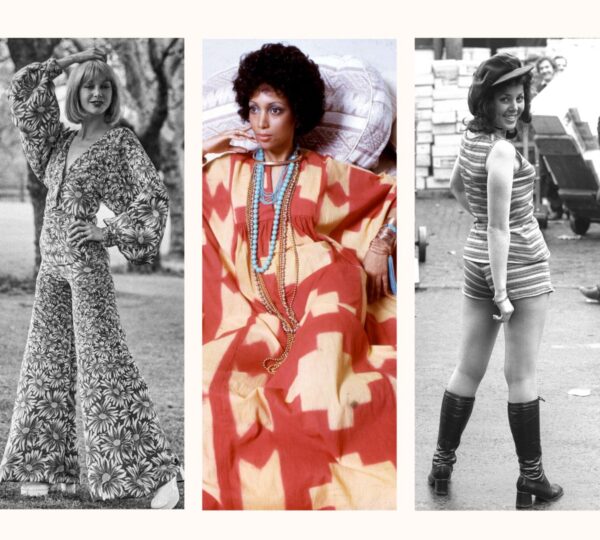
Brands like Levi’s and Wrangler dominated street style, while designers such as Calvin Klein introduced designer denim that combined casual familiarity with high-fashion allure.
Fiorucci’s innovations in stretch denim improved fit and comfort, allowing jeans to flatter a variety of body types. Denim became a unifying element across social classes and lifestyles, representing both rebellion and accessibility.
Pairing jeans with flowy blouses, tailored jackets, or disco-inspired tops created looks that were versatile, expressive, and emblematic of the era.
Polyester: The Game-Changing Fabric Polyester, often criticized in later decades for its synthetic texture, was transformative in the 1970s.
The fabric’s versatility allowed for bold prints, vibrant colors, and easy care, meeting the practical needs of women balancing work, social life, and leisure.
Polyester garments could endure daily wear without constant maintenance, enabling women to express style without sacrificing convenience.
Beyond practicality, polyester symbolized innovation and creativity, opening doors for experimentation in pattern, color, and cut.
From printed blouses to flowing dresses, polyester helped democratize fashion by offering affordability, accessibility, and variety, aligning with the decade’s ethos of individuality.
Opposites in Harmony: Tailoring Meets Boho A defining feature of 1970s fashion was the coexistence of contrasting styles, particularly the interplay between structured tailoring and bohemian freedom.
Sharp, tailored suits were popularized by figures like Jackie Kennedy, who paired trousers with turtlenecks and blazers for effortless sophistication.
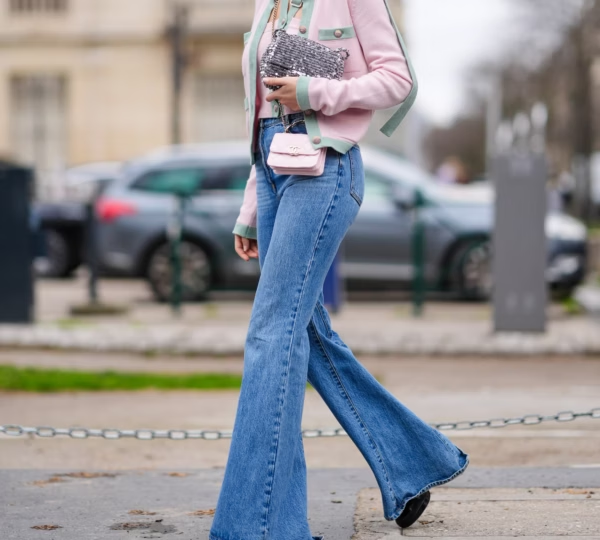
At the same time, bohemian looks—characterized by flowy skirts, embroidered tunics, oversized hats, and layered accessories—celebrated creativity, artistic influence, and relaxed elegance.
The era embraced duality: formalwear and casual chic existed side by side, giving individuals the latitude to experiment with identity through dress.
The blending of structured and free-spirited elements created a legacy that continues to influence contemporary fashion.
Accessories and Statement Pieces Accessories played a critical role in 1970s style, providing final touches that defined personality and mood.
Platform shoes, oversized sunglasses, wide belts, and layered jewelry were common choices, allowing wearers to accentuate outfits and convey individuality.
Scarves, hats, and handbags became essential for coordinating ensembles, with each accessory offering a subtle statement about taste, confidence, and cultural awareness.
These details underscored the era’s emphasis on holistic self-expression, where fashion was both cumulative and interactive, blending clothing, accessories, and personal flair into a cohesive narrative.
Why ’70s Style Still Resonates Fashion of the 1970s transcended trends; it represented a shift in cultural identity and personal agency.
Clothing became a tool for storytelling, for asserting values, and for celebrating freedom of choice.
Modern designers frequently draw inspiration from the decade, revisiting wide-leg jeans, platform shoes, metallic fabrics, bohemian prints, and tailored suits.
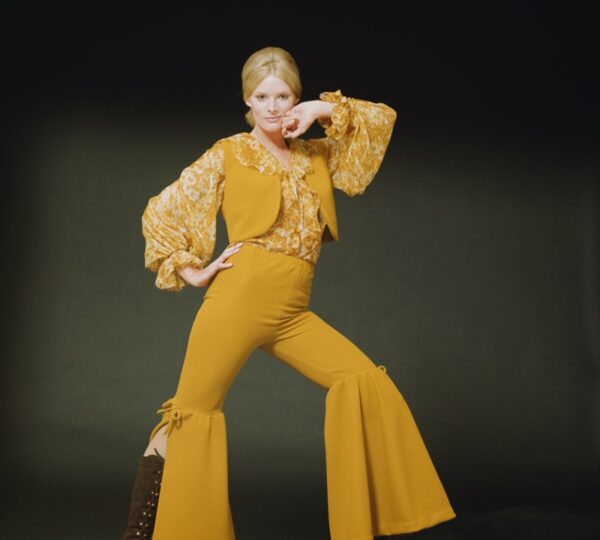
Wearing these items today evokes the spirit of the era, connecting contemporary audiences with a time when fashion symbolized liberation, experimentation, and confidence.
The decade’s influence is visible in vintage revivals, runway reinterpretations, and everyday streetwear, highlighting its enduring relevance.
Legacy and Cultural Impact The 1970s did more than transform wardrobes; they reshaped perceptions of self-expression and identity. Fashion became a medium for articulating personal freedom, creativity, and social values.
The decade’s bold experimentation with fabric, color, silhouette, and style allowed individuals to communicate uniqueness, challenge norms, and celebrate diversity.
From disco-inspired sparkle to casual chic, bohemian fluidity to tailored precision, the ’70s provided a visual language that spoke to emotion, culture, and the desire for authenticity.
In retrospect, the 1970s stand as a period when clothing became a statement of liberation and personal empowerment.
It was a decade that celebrated contrasts, embraced innovation, and championed individuality.
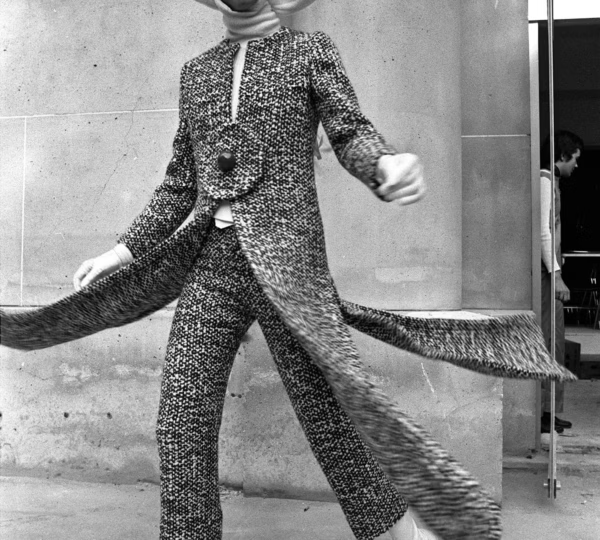
Wearing wide-leg jeans, vintage blazers, satin tops, or metallic disco gowns today is more than a stylistic choice; it’s an echo of an era when fashion spoke volumes about identity, freedom, and the courage to express oneself without compromise.
The 1970s did not just change how people dressed—they changed how they saw themselves, making fashion an enduring testament to self-expression and cultural evolution.
The 1970s were more than a decade of music, movies, and political shifts; they were a period in which fashion became a powerful tool for self-expression, personal identity, and cultural commentary.
A glance at photographs from the era evokes nostalgia, yet a closer look reveals the distinct spirit of the time.
Fashion in the ’70s carried weight beyond mere clothing; it reflected rebellion, liberation, and a celebration of individuality.
Personal style became a medium through which people communicated values, attitudes, and emotions, with clothing serving as both armor and voice.
Comfort and Confidence in Clothing The onset of the 1970s marked a clear departure from the rigid and structured styles of the previous decades.
The postwar era’s polished, conservative silhouettes gave way to softer, more relaxed garments that allowed movement and personal expression.
For women especially, this transformation was deeply symbolic, representing freedom and the ability to inhabit spaces comfortably while asserting individuality.
Fabrics draped differently, cuts were more forgiving, and designs encouraged activity rather than confinement.
Designers responded to this cultural shift, creating pieces that blended aesthetic appeal with practical wearability.
Clothing became a conduit for confidence; a well-chosen outfit could project independence, self-assuredness, and cultural awareness.
Icons of Boldness The 1970s introduced fashion icons who exemplified daring and elegance, influencing public perceptions of style and self-expression.
Diana Ross, for instance, shimmered in satin gowns that conveyed glamour and movement, transforming red carpets and stages into showcases of drama and soul.
Bianca Jagger, another iconic figure, fused elegance with avant-garde audacity, demonstrating that sophistication could coexist with playful rebellion.
Their choices transcended mere personal preference—they became cultural statements, signaling a society increasingly prioritizing self-expression over traditional rules.
Diana Ross’s flowing bronze gown from 1970 remains emblematic of the decade’s theatrical flair, capturing both the emotional and aesthetic essence of the era.
The Disco Era: Sparkle, Energy, and Attitude The late 1970s witnessed the rise of disco, an influential subculture that transformed nightlife, music, and fashion.
Clubs like Studio 54 in New York City became epicenters of glamour, where metallic fabrics, daring cuts, and body-conscious designs were the order of the evening.
Dressing for the disco scene was more than putting on clothing—it was about embodying energy, confidence, and attitude.
Attendees sought garments that caught the light, accentuated movement, and expressed personality.
Bianca Jagger’s lamé gowns, often paired with statement accessories, perfectly encapsulated the glittering intensity and theatricality of the disco era.
Fashion became performative; every shimmer, cut, and sparkle was a deliberate choice, projecting presence and individuality on the dance floor.
Casual Chic for Daytime While nighttime attire demanded dazzle and flamboyance, daytime fashion of the 1970s emphasized practicality without sacrificing style.
Designers like Halston and Calvin Klein innovated with materials, silhouettes, and minimalism to create ensembles suitable for modern lifestyles.
Soft fabrics such as polyester, ultrasuede, and silk blends became staples, offering both comfort and elegance.
Halston’s ultrasuede suits, for example, were practical for working women while maintaining a sleek, fashionable look.
Calvin Klein’s satin slips and minimalist daywear highlighted effortless chic, bridging the gap between appearance and comfort.
The decade made it clear that fashion could fit into real life; women no longer needed to compromise style for functionality.
Denim Takes Center Stage The 1970s elevated denim from utilitarian workwear to a symbol of cultural identity and personal expression.
Jeans, once reserved for laborers, permeated mainstream fashion, becoming a canvas for creativity and individualism.
Brands like Levi’s and Wrangler dominated street style, while designers such as Calvin Klein introduced designer denim that combined casual familiarity with high-fashion allure.
Fiorucci’s innovations in stretch denim improved fit and comfort, allowing jeans to flatter a variety of body types. Denim became a unifying element across social classes and lifestyles, representing both rebellion and accessibility.
Pairing jeans with flowy blouses, tailored jackets, or disco-inspired tops created looks that were versatile, expressive, and emblematic of the era.
Polyester: The Game-Changing Fabric Polyester, often criticized in later decades for its synthetic texture, was transformative in the 1970s.
The fabric’s versatility allowed for bold prints, vibrant colors, and easy care, meeting the practical needs of women balancing work, social life, and leisure.
Polyester garments could endure daily wear without constant maintenance, enabling women to express style without sacrificing convenience.
Beyond practicality, polyester symbolized innovation and creativity, opening doors for experimentation in pattern, color, and cut.
From printed blouses to flowing dresses, polyester helped democratize fashion by offering affordability, accessibility, and variety, aligning with the decade’s ethos of individuality.
Opposites in Harmony: Tailoring Meets Boho A defining feature of 1970s fashion was the coexistence of contrasting styles, particularly the interplay between structured tailoring and bohemian freedom.
Sharp, tailored suits were popularized by figures like Jackie Kennedy, who paired trousers with turtlenecks and blazers for effortless sophistication.
At the same time, bohemian looks—characterized by flowy skirts, embroidered tunics, oversized hats, and layered accessories—celebrated creativity, artistic influence, and relaxed elegance.
The era embraced duality: formalwear and casual chic existed side by side, giving individuals the latitude to experiment with identity through dress.
The blending of structured and free-spirited elements created a legacy that continues to influence contemporary fashion.
Accessories and Statement Pieces Accessories played a critical role in 1970s style, providing final touches that defined personality and mood.
Platform shoes, oversized sunglasses, wide belts, and layered jewelry were common choices, allowing wearers to accentuate outfits and convey individuality.
Scarves, hats, and handbags became essential for coordinating ensembles, with each accessory offering a subtle statement about taste, confidence, and cultural awareness.
These details underscored the era’s emphasis on holistic self-expression, where fashion was both cumulative and interactive, blending clothing, accessories, and personal flair into a cohesive narrative.
Why ’70s Style Still Resonates Fashion of the 1970s transcended trends; it represented a shift in cultural identity and personal agency.
Clothing became a tool for storytelling, for asserting values, and for celebrating freedom of choice.
Modern designers frequently draw inspiration from the decade, revisiting wide-leg jeans, platform shoes, metallic fabrics, bohemian prints, and tailored suits.
Wearing these items today evokes the spirit of the era, connecting contemporary audiences with a time when fashion symbolized liberation, experimentation, and confidence.
The decade’s influence is visible in vintage revivals, runway reinterpretations, and everyday streetwear, highlighting its enduring relevance.
Legacy and Cultural Impact The 1970s did more than transform wardrobes; they reshaped perceptions of self-expression and identity. Fashion became a medium for articulating personal freedom, creativity, and social values.
The decade’s bold experimentation with fabric, color, silhouette, and style allowed individuals to communicate uniqueness, challenge norms, and celebrate diversity.
From disco-inspired sparkle to casual chic, bohemian fluidity to tailored precision, the ’70s provided a visual language that spoke to emotion, culture, and the desire for authenticity.
In retrospect, the 1970s stand as a period when clothing became a statement of liberation and personal empowerment.
It was a decade that celebrated contrasts, embraced innovation, and championed individuality.
Wearing wide-leg jeans, vintage blazers, satin tops, or metallic disco gowns today is more than a stylistic choice; it’s an echo of an era when fashion spoke volumes about identity, freedom, and the courage to express oneself without compromise.
The 1970s did not just change how people dressed—they changed how they saw themselves, making fashion an enduring testament to self-expression and cultural evolution.


