...

At 91, She Was Taken Into Custody for Stealing Medication — but the Judge’s Words Brought Everyone to Tears

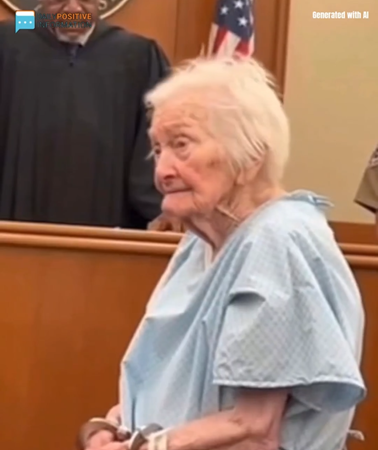
Helen Carter never imagined she would spend her ninety-first birthday standing under the harsh fluorescent lights of St.

Matthew’s Hospital, wrapped in a flimsy hospital gown, wrists encircled by cold metal cuffs. She had spent her entire life avoiding trouble. She had never been inside a police car.

She had never broken a single law. She had never even received a parking ticket — not once in nine decades of careful, gentle living.

But that morning, uniformed officers escorted her down two long hospital corridors and into a courthouse — still attached to her IV pole, still trembling from a night of heart arrhythmia, still wearing the thick wool socks she had knitted herself because her feet tended to get cold.

People inside the courtroom froze. Conversations paused. Even the judge glanced up with shock.

No one expects to see a woman who looks like someone’s great-grandmother — frail, soft-spoken, white-haired, hunched from years of caregiving — being charged with a felony.

But this moment was not the result of criminal intent.

It was the result of a system that had failed her.

Helen didn’t cry. She didn’t argue or try to defend herself. She simply repeated the words she had whispered to the nurse, to the booking officer, and to the police who arrested her:

“I didn’t know what else to do. My husband… he’s all I have.”

Those words struck the room like a quiet thunder. The situation before them was not about theft. It was about devotion — the kind that spans decades and refuses to weaken.

A Lifetime of Love Turned Into a Fight for Survival

To understand how Helen found herself in this heartbreaking situation, you have to understand the man she was trying to save.

George Carter was eighty-eight. A retired high-school physics teacher. A man who never missed a Sunday service at church.

Someone who fixed broken radios for neighbors, donated canned goods without being asked, and believed that kindness was a duty, not a luxury.

Fifteen years earlier, George had been diagnosed with congestive heart failure. Doctors were clear: to keep his heart functioning, he would need daily medication — often several doses a day.

For years, the Carters managed. They cut coupons. They bought vegetables from the discounted rack. They wore clothes until the seams dissolved. They made every penny stretch.

But the world around them changed faster than they could keep up with.

Prescription costs climbed. Insurance paperwork grew more complicated. Phone calls involved hours of waiting. Their modest fixed income — a small teacher’s pension and Social Security — could not compete.

Still, they never complained.

“We’ll manage,” Helen always said.

“We’ll be all right,” George always answered.

They said those words even when their car finally died, forcing them to take the bus. They said them during winters when the heating bill doubled and they sat wrapped in blankets to save money.

They said them even on weeks when the refrigerator held only eggs, canned soup, and leftover bread.

But love, no matter how strong, cannot carry the weight of rising medical costs forever.

The Letter That Changed Everything

On a cold Tuesday morning, the mailbox rattled with a gust of wind. Helen sat at the kitchen table — the same table they bought as newlyweds — and opened a thin envelope from their insurance provider.

Inside was a single page.

A missed premium.
A policy lapse.
Coverage suspended.

She reread the words over and over, hoping she had misunderstood. But the message remained the same.

She didn’t tell George. Not that day. Not the next.

He was already struggling to breathe. She couldn’t bear to add fear to his fading strength.

The next day, she walked into Willow Creek Drugstore and faced the truth she had been avoiding.

Brian, the young pharmacist she’d known since he was a child, typed something into the computer, then looked up with a pained expression.

“With the lapse… his prescription is $940.”

Helen felt her heart stutter.

“It can’t be.”

Brian shook his head gently. “I’m so sorry.”

There were no samples. No generics. No discounts.

Just a number no elderly couple could possibly afford.

She left the store with empty hands and a breaking heart.

Three Days of Fear

For three long days, George grew weaker. He tried to hide it, tried to keep his voice steady when he thanked Helen for bringing him tea, but she saw the tremors in his hands.
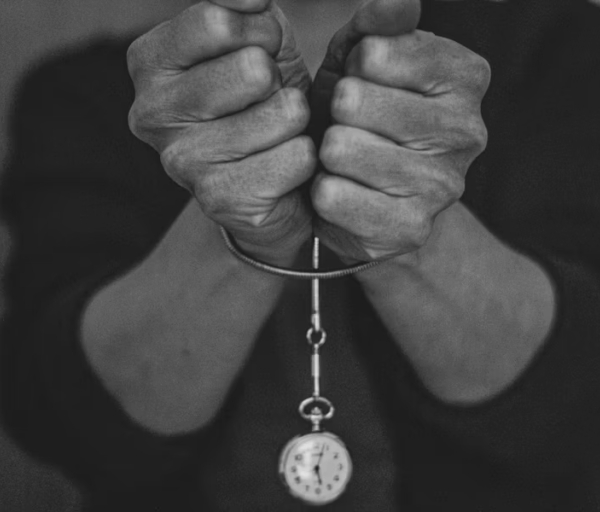
She heard the strain in his breaths. She watched him nearly collapse reaching for the television remote.

Each sound, each labored inhale, felt like a countdown.

That night, Helen lay awake listening to the fragile rhythm of his breathing. She remembered their wedding vows. The promises whispered under stained-glass windows. The life they had built — humble, steady, loving.

She whispered into the dark:

“I won’t lose you.”

And she meant it.

The Choice No One Should Ever Have to Make

The next morning, Helen put on her pale blue coat — the one George always said made her look like she still had a little spring in her step — and walked back into the drugstore.

She waited for a moment when no one was watching. Her hands trembled. Her chest tightened.

She slipped the bottle into her purse.

And whispered:

“I’ll pay it back. I just need time.”

She was three steps from the door when Brian’s soft but firm voice stopped her.

“Mrs. Carter… please come back.”

He looked heartbroken. She looked defeated.

And that was how a 91-year-old grandmother, shaking from fear and guilt, ended up being arrested for trying to save her husband’s life.

A Courtroom That Will Never Forget

The next morning, still in a hospital IV gown, she was wheeled into the courtroom. The room fell into stunned silence.

Judge Martin Hayes listened to her trembling explanation.

Then he said words that would be replayed across the country:

“This is not a criminal. This is a failure of our system.”

He dismissed all charges.

But he didn’t stop there.

He ordered social services to intervene.
He arranged medical coverage for both Helen and George.
He demanded a local review of pharmacy pricing.
He called the mayor’s office.
He pushed for insurance reform for seniors.
He arranged a weekly nurse visit for the couple.

Then he stepped off the bench, walked to Helen, took her hand gently, and said:

“You deserved help long before today. I am truly sorry you did not receive it.”
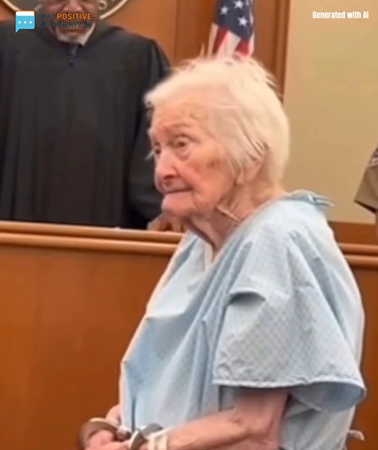
Helen wept — not from embarrassment, but from profound relief.

Life After the Headlines

George received his medication that same afternoon. Volunteers delivered meals. Donations arrived from across the country. Letters filled their tiny mailbox — words of support from strangers who had been moved by their story.

The police apologized. The pharmacy apologized. The town created a fund for seniors struggling with prescription costs.

And Helen and George?

They sat together on their back porch each evening, holding hands the same way they had for sixty-five years — grateful for one more sunrise.

Why Helen’s Story Matters

Because right now, somewhere in America:

A husband is skipping his medication so his wife can take hers.
A grandmother is halving her pills to make them last longer.
An elderly couple is choosing between groceries and insulin.
A senior is rationing heart medicine to pay the electric bill.

These stories remain hidden — until someone is caught, or hurt, or gone.

Helen’s case was not rare.

It was simply the one we finally noticed.

If You Take Only One Lesson Away…

Let it be this:

No one — especially not a 91-year-old woman — should have to break the law to keep the person they love alive.

Love is not the crime.

The crime is the system that forced her into that impossible choice.

And her story reminds us of a truth that should never be forgotten:

Compassion saves lives.
Community saves dignity.
And sometimes, the smallest acts of humanity become the greatest turning points.

If this story moved you, share it.
Stories like this remind us why empathy still matters — and why no one should be left behind in their most vulnerable moment.

Helen Carter never imagined she would spend her ninety-first birthday standing under the harsh fluorescent lights of St.

Matthew’s Hospital, wrapped in a flimsy hospital gown, wrists encircled by cold metal cuffs. She had spent her entire life avoiding trouble. She had never been inside a police car.

She had never broken a single law. She had never even received a parking ticket — not once in nine decades of careful, gentle living.

But that morning, uniformed officers escorted her down two long hospital corridors and into a courthouse — still attached to her IV pole, still trembling from a night of heart arrhythmia, still wearing the thick wool socks she had knitted herself because her feet tended to get cold.

People inside the courtroom froze. Conversations paused. Even the judge glanced up with shock.

No one expects to see a woman who looks like someone’s great-grandmother — frail, soft-spoken, white-haired, hunched from years of caregiving — being charged with a felony.

But this moment was not the result of criminal intent.

It was the result of a system that had failed her.

Helen didn’t cry. She didn’t argue or try to defend herself. She simply repeated the words she had whispered to the nurse, to the booking officer, and to the police who arrested her:

“I didn’t know what else to do. My husband… he’s all I have.”

Those words struck the room like a quiet thunder. The situation before them was not about theft. It was about devotion — the kind that spans decades and refuses to weaken.

A Lifetime of Love Turned Into a Fight for Survival

To understand how Helen found herself in this heartbreaking situation, you have to understand the man she was trying to save.

George Carter was eighty-eight. A retired high-school physics teacher. A man who never missed a Sunday service at church.

Someone who fixed broken radios for neighbors, donated canned goods without being asked, and believed that kindness was a duty, not a luxury.

Fifteen years earlier, George had been diagnosed with congestive heart failure. Doctors were clear: to keep his heart functioning, he would need daily medication — often several doses a day.

For years, the Carters managed. They cut coupons. They bought vegetables from the discounted rack. They wore clothes until the seams dissolved. They made every penny stretch.

But the world around them changed faster than they could keep up with.

Prescription costs climbed. Insurance paperwork grew more complicated. Phone calls involved hours of waiting. Their modest fixed income — a small teacher’s pension and Social Security — could not compete.

Still, they never complained.

“We’ll manage,” Helen always said.

“We’ll be all right,” George always answered.

They said those words even when their car finally died, forcing them to take the bus. They said them during winters when the heating bill doubled and they sat wrapped in blankets to save money.

They said them even on weeks when the refrigerator held only eggs, canned soup, and leftover bread.

But love, no matter how strong, cannot carry the weight of rising medical costs forever.

The Letter That Changed Everything

On a cold Tuesday morning, the mailbox rattled with a gust of wind. Helen sat at the kitchen table — the same table they bought as newlyweds — and opened a thin envelope from their insurance provider.

Inside was a single page.

A missed premium.
A policy lapse.
Coverage suspended.

She reread the words over and over, hoping she had misunderstood. But the message remained the same.

She didn’t tell George. Not that day. Not the next.

He was already struggling to breathe. She couldn’t bear to add fear to his fading strength.

The next day, she walked into Willow Creek Drugstore and faced the truth she had been avoiding.

Brian, the young pharmacist she’d known since he was a child, typed something into the computer, then looked up with a pained expression.

“With the lapse… his prescription is $940.”

Helen felt her heart stutter.

“It can’t be.”

Brian shook his head gently. “I’m so sorry.”

There were no samples. No generics. No discounts.

Just a number no elderly couple could possibly afford.

She left the store with empty hands and a breaking heart.

Three Days of Fear

For three long days, George grew weaker. He tried to hide it, tried to keep his voice steady when he thanked Helen for bringing him tea, but she saw the tremors in his hands.

She heard the strain in his breaths. She watched him nearly collapse reaching for the television remote.

Each sound, each labored inhale, felt like a countdown.

That night, Helen lay awake listening to the fragile rhythm of his breathing. She remembered their wedding vows. The promises whispered under stained-glass windows. The life they had built — humble, steady, loving.

She whispered into the dark:

“I won’t lose you.”

And she meant it.

The Choice No One Should Ever Have to Make

The next morning, Helen put on her pale blue coat — the one George always said made her look like she still had a little spring in her step — and walked back into the drugstore.

She waited for a moment when no one was watching. Her hands trembled. Her chest tightened.

She slipped the bottle into her purse.

And whispered:

“I’ll pay it back. I just need time.”

She was three steps from the door when Brian’s soft but firm voice stopped her.

“Mrs. Carter… please come back.”

He looked heartbroken. She looked defeated.

And that was how a 91-year-old grandmother, shaking from fear and guilt, ended up being arrested for trying to save her husband’s life.

A Courtroom That Will Never Forget

The next morning, still in a hospital IV gown, she was wheeled into the courtroom. The room fell into stunned silence.

Judge Martin Hayes listened to her trembling explanation.

Then he said words that would be replayed across the country:

“This is not a criminal. This is a failure of our system.”

He dismissed all charges.

But he didn’t stop there.

He ordered social services to intervene.
He arranged medical coverage for both Helen and George.
He demanded a local review of pharmacy pricing.
He called the mayor’s office.
He pushed for insurance reform for seniors.
He arranged a weekly nurse visit for the couple.

Then he stepped off the bench, walked to Helen, took her hand gently, and said:

“You deserved help long before today. I am truly sorry you did not receive it.”

Helen wept — not from embarrassment, but from profound relief.

Life After the Headlines

George received his medication that same afternoon. Volunteers delivered meals. Donations arrived from across the country. Letters filled their tiny mailbox — words of support from strangers who had been moved by their story.

The police apologized. The pharmacy apologized. The town created a fund for seniors struggling with prescription costs.

And Helen and George?

They sat together on their back porch each evening, holding hands the same way they had for sixty-five years — grateful for one more sunrise.

Why Helen’s Story Matters

Because right now, somewhere in America:

A husband is skipping his medication so his wife can take hers.
A grandmother is halving her pills to make them last longer.
An elderly couple is choosing between groceries and insulin.
A senior is rationing heart medicine to pay the electric bill.

These stories remain hidden — until someone is caught, or hurt, or gone.

Helen’s case was not rare.

It was simply the one we finally noticed.

If You Take Only One Lesson Away…

Let it be this:

No one — especially not a 91-year-old woman — should have to break the law to keep the person they love alive.

Love is not the crime.

The crime is the system that forced her into that impossible choice.

And her story reminds us of a truth that should never be forgotten:

Compassion saves lives.
Community saves dignity.
And sometimes, the smallest acts of humanity become the greatest turning points.

If this story moved you, share it.
Stories like this remind us why empathy still matters — and why no one should be left behind in their most vulnerable moment.