As a Single Mother, I Noticed Chores Finishing Themselves Overnight — What I Finally Witnessed Left Me Speechless
For weeks, the smallest moments inside my home began to feel unfamiliar, as if someone else were quietly living a parallel life inside my walls.
At first, I convinced myself it was just exhaustion playing tricks on me. As a single mother raising two energetic kids, exhaustion feels like a constant companion.
My days blur into each other — rushing from my job to school pickups, dinner preparations, bedtime stories, and laundry that somehow multiplies overnight.
So when I noticed the dishes washed before I remembered touching them, or toys neatly lined up on shelves despite the kids leaving them scattered hours earlier, I sighed and chalked it up to stress.
But soon, the things I “forgot doing” became too precise, too intentional, too unlike me to ignore.

Fresh groceries appeared in my refrigerator — brands I never buy but used to buy years ago.
The floors were mopped at dawn, giving off the faint scent of lemon cleaner.
Even the trash cans were emptied before I had a chance to take them outside.
Every detail felt like the work of someone who knew us — our habits, our routines, our preferred foods.
And the worst part?
No one had a key except me.
That realization made my stomach twist. The little hairs on my arms rose up whenever I walked through a room that felt too clean, too touched.
Every night I double-checked the locks. Every creak in the floor made me feel watched. I didn’t have family nearby. Friends never came unannounced. No neighbors had access to my home.
The more I tried to make sense of it, the more fear whispered through the quiet hours of the night.
Finally, one evening after the kids had fallen asleep, I decided I needed answers.
I turned off every light, left the house exactly the way it was, then crouched behind the couch in total darkness at 3 a.m. My hands shook.
My heart hammered so violently I felt it pulsing in my throat. I kept telling myself I was being paranoid… until I heard the unmistakable sound of the back door unlocking.
A soft click. Then slow, cautious footsteps.
A dark figure slipped quietly into the kitchen, moving like someone who had done this before. I held my breath so tightly my chest hurt.
The intruder didn’t rummage or rush. He moved with familiarity — opening the fridge, adjusting groceries, straightening objects on the counter.
When he bent down and the fridge light illuminated his face, a shock colder than ice ran through me.
It was Luke.
My ex-husband.
The man who walked out on our family three years ago and left without a goodbye, without an explanation, without a trace.
For a moment, I thought I was dreaming. My body froze, rooted to the floor by disbelief.
Luke looked different — tired, older, weighed down by something invisible. He stood there in my kitchen like a ghost returning to the place he once called home.

He gently closed the refrigerator door, stood still in the silence, and whispered to himself:
“I’m sorry. I’m trying.”
Then he slipped out the door before dawn, not knowing I had seen everything.
The next morning, for the first time in years, he knocked.
When I opened the door, the shock on his face told me he hadn’t expected me to answer so quickly. He stood there gripping the straps of a worn backpack, shoulders tense, eyes uncertain — like a boy awaiting judgment.
I didn’t say a word. Neither did he.
Then our kids peeked around my legs, confused by the familiar stranger. Luke slowly knelt down and spoke their names gently, as if each syllable was fragile.
I watched their eyes widen. They hesitated at first, unsure… until he opened his arms.
In seconds, they were giggling and pulling him toward the living room.
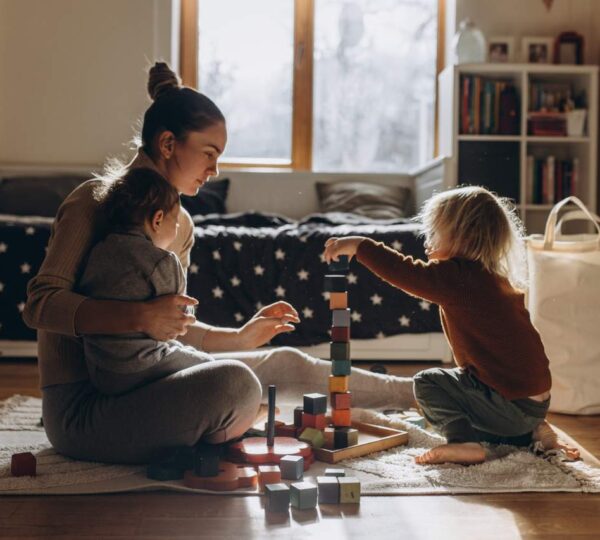
Soon he was sitting cross-legged on the carpet, helping them build a Lego tower and laughing softly as they tried to stack pieces higher than his head.
I stood back in the hallway, my arms crossed tightly against my chest. I felt anger, relief, confusion, and a sadness I couldn’t quite name all tangled together.
Seeing him play with them as if no time had passed made old wounds ache in ways I wasn’t prepared for.

Later that afternoon, when the kids took their nap, Luke and I finally sat down at the kitchen table.
His voice trembled when he began speaking.
He told me everything he’d hidden.
The debt he’d drowned in.
The depression he’d buried.
The shame that grew heavier every day.
The fear that he wasn’t enough — not as a father, not as a husband, not as a provider.
He said he ran because he thought disappearing would keep us from falling apart with him. But instead, his absence shattered everything.
He admitted he’d moved back months ago after getting therapy, joining support groups, and crawling his way out of the financial hole he’d dug.
He said he wanted to come back, but didn’t know how to face the damage he caused. So he used the old key — the one I forgot existed — and started helping in the only way he felt he could.
“Cleaning was all I had to offer,” he whispered. “I knew you’d never ask for help… and I was too ashamed to knock.”
I listened in silence. My heart wanted to soften, but my memories fought back — the nights I cried alone, the days I carried the entire world on my shoulders, the birthdays he missed, the tears our children shed while asking where their father went.
Pain doesn’t vanish because someone finally tells the truth.
But honesty — real, vulnerable honesty — can start something new.
Over the next few weeks, Luke came back into their lives slowly and gently.
No dramatic promises, no forcing roles, no expectation of instant forgiveness.
He helped with homework, cooked dinner when I worked late, and repaired broken things around the house I never had the energy to fix.
The kids, who once only knew the shape of his absence, began to know the shape of his presence again.
They started running to him, showing him drawings, competing for his attention. They climbed onto his lap during movies. They fell asleep on his chest like they used to when they were toddlers.
And me?
I felt something I hadn’t felt in a long time.
Relief.
Not because everything was perfect — far from it — but because for the first time in years, I wasn’t doing this alone.
I still carry hurt. I still pause before trusting too quickly. But I can’t deny the change. I can’t deny the effort.
I can’t deny the quiet steadiness he brings now, the kind I begged for years ago.
We’re not rebuilding the marriage we lost — that version of us is gone. It collapsed under weight we never addressed.
But we are trying to build something new. Something honest. Something transparent. Something that doesn’t demand perfection, only willingness.
Second chances don’t arrive with fireworks.
They arrive with small, consistent effort.
With presence instead of promises.
With actions that finally match the words.
Luke is trying. Really trying.
And for the first time in a long time, I’m letting myself imagine what healing might look like — not as a fairy tale, not as a reunion, but as a slow, steady rebuilding of trust for the sake of our children and, maybe, for myself too.
Because forgiveness isn’t about erasing the past.
It’s about deciding the future is worth more than the hurt that came before it.
And maybe—just maybe—this is how a family begins again.
For weeks, the smallest moments inside my home began to feel unfamiliar, as if someone else were quietly living a parallel life inside my walls.
At first, I convinced myself it was just exhaustion playing tricks on me. As a single mother raising two energetic kids, exhaustion feels like a constant companion.
My days blur into each other — rushing from my job to school pickups, dinner preparations, bedtime stories, and laundry that somehow multiplies overnight.
So when I noticed the dishes washed before I remembered touching them, or toys neatly lined up on shelves despite the kids leaving them scattered hours earlier, I sighed and chalked it up to stress.
But soon, the things I “forgot doing” became too precise, too intentional, too unlike me to ignore.
Fresh groceries appeared in my refrigerator — brands I never buy but used to buy years ago.
The floors were mopped at dawn, giving off the faint scent of lemon cleaner.
Even the trash cans were emptied before I had a chance to take them outside.
Every detail felt like the work of someone who knew us — our habits, our routines, our preferred foods.
And the worst part?
No one had a key except me.
That realization made my stomach twist. The little hairs on my arms rose up whenever I walked through a room that felt too clean, too touched.
Every night I double-checked the locks. Every creak in the floor made me feel watched. I didn’t have family nearby. Friends never came unannounced. No neighbors had access to my home.
The more I tried to make sense of it, the more fear whispered through the quiet hours of the night.
Finally, one evening after the kids had fallen asleep, I decided I needed answers.
I turned off every light, left the house exactly the way it was, then crouched behind the couch in total darkness at 3 a.m. My hands shook.
My heart hammered so violently I felt it pulsing in my throat. I kept telling myself I was being paranoid… until I heard the unmistakable sound of the back door unlocking.
A soft click. Then slow, cautious footsteps.
A dark figure slipped quietly into the kitchen, moving like someone who had done this before. I held my breath so tightly my chest hurt.
The intruder didn’t rummage or rush. He moved with familiarity — opening the fridge, adjusting groceries, straightening objects on the counter.
When he bent down and the fridge light illuminated his face, a shock colder than ice ran through me.
It was Luke.
My ex-husband.
The man who walked out on our family three years ago and left without a goodbye, without an explanation, without a trace.
For a moment, I thought I was dreaming. My body froze, rooted to the floor by disbelief.
Luke looked different — tired, older, weighed down by something invisible. He stood there in my kitchen like a ghost returning to the place he once called home.
He gently closed the refrigerator door, stood still in the silence, and whispered to himself:
“I’m sorry. I’m trying.”
Then he slipped out the door before dawn, not knowing I had seen everything.
The next morning, for the first time in years, he knocked.
When I opened the door, the shock on his face told me he hadn’t expected me to answer so quickly. He stood there gripping the straps of a worn backpack, shoulders tense, eyes uncertain — like a boy awaiting judgment.
I didn’t say a word. Neither did he.
Then our kids peeked around my legs, confused by the familiar stranger. Luke slowly knelt down and spoke their names gently, as if each syllable was fragile.
I watched their eyes widen. They hesitated at first, unsure… until he opened his arms.
In seconds, they were giggling and pulling him toward the living room.
Soon he was sitting cross-legged on the carpet, helping them build a Lego tower and laughing softly as they tried to stack pieces higher than his head.
I stood back in the hallway, my arms crossed tightly against my chest. I felt anger, relief, confusion, and a sadness I couldn’t quite name all tangled together.
Seeing him play with them as if no time had passed made old wounds ache in ways I wasn’t prepared for.
Later that afternoon, when the kids took their nap, Luke and I finally sat down at the kitchen table.
His voice trembled when he began speaking.
He told me everything he’d hidden.
The debt he’d drowned in.
The depression he’d buried.
The shame that grew heavier every day.
The fear that he wasn’t enough — not as a father, not as a husband, not as a provider.
He said he ran because he thought disappearing would keep us from falling apart with him. But instead, his absence shattered everything.
He admitted he’d moved back months ago after getting therapy, joining support groups, and crawling his way out of the financial hole he’d dug.
He said he wanted to come back, but didn’t know how to face the damage he caused. So he used the old key — the one I forgot existed — and started helping in the only way he felt he could.
“Cleaning was all I had to offer,” he whispered. “I knew you’d never ask for help… and I was too ashamed to knock.”
I listened in silence. My heart wanted to soften, but my memories fought back — the nights I cried alone, the days I carried the entire world on my shoulders, the birthdays he missed, the tears our children shed while asking where their father went.
Pain doesn’t vanish because someone finally tells the truth.
But honesty — real, vulnerable honesty — can start something new.
Over the next few weeks, Luke came back into their lives slowly and gently.
No dramatic promises, no forcing roles, no expectation of instant forgiveness.
He helped with homework, cooked dinner when I worked late, and repaired broken things around the house I never had the energy to fix.
The kids, who once only knew the shape of his absence, began to know the shape of his presence again.
They started running to him, showing him drawings, competing for his attention. They climbed onto his lap during movies. They fell asleep on his chest like they used to when they were toddlers.
And me?
I felt something I hadn’t felt in a long time.
Relief.
Not because everything was perfect — far from it — but because for the first time in years, I wasn’t doing this alone.
I still carry hurt. I still pause before trusting too quickly. But I can’t deny the change. I can’t deny the effort.
I can’t deny the quiet steadiness he brings now, the kind I begged for years ago.
We’re not rebuilding the marriage we lost — that version of us is gone. It collapsed under weight we never addressed.
But we are trying to build something new. Something honest. Something transparent. Something that doesn’t demand perfection, only willingness.
Second chances don’t arrive with fireworks.
They arrive with small, consistent effort.
With presence instead of promises.
With actions that finally match the words.
Luke is trying. Really trying.
And for the first time in a long time, I’m letting myself imagine what healing might look like — not as a fairy tale, not as a reunion, but as a slow, steady rebuilding of trust for the sake of our children and, maybe, for myself too.
Because forgiveness isn’t about erasing the past.
It’s about deciding the future is worth more than the hurt that came before it.
And maybe—just maybe—this is how a family begins again.


