
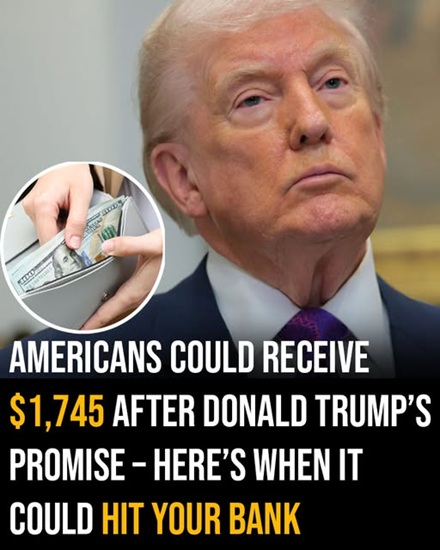
For months, Americans have heard talk that families might receive roughly $1,745 tied to President Donald Trump’s tariff policies, but it remains unclear whether that money will ever be sent to people’s bank accounts.
The idea behind the payout stems from Trump’s emphasis on tariffs as a key part of his economic strategy and his repeated suggestion that rising consumer costs linked to those levies could, in some form, be offset by a direct payment to the public.
Early versions of the plan envisioned something more like a dividend payment, similar to the $2,000 stimulus‑style checks Trump referenced previously. Under that approach, revenue from tariffs would be redistributed back to Americans.
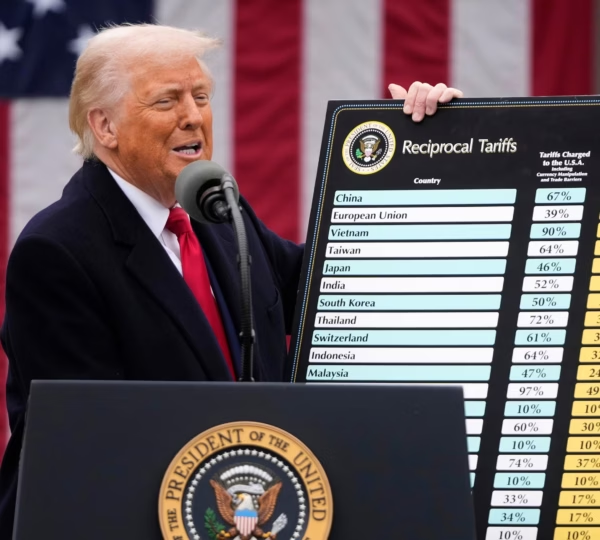
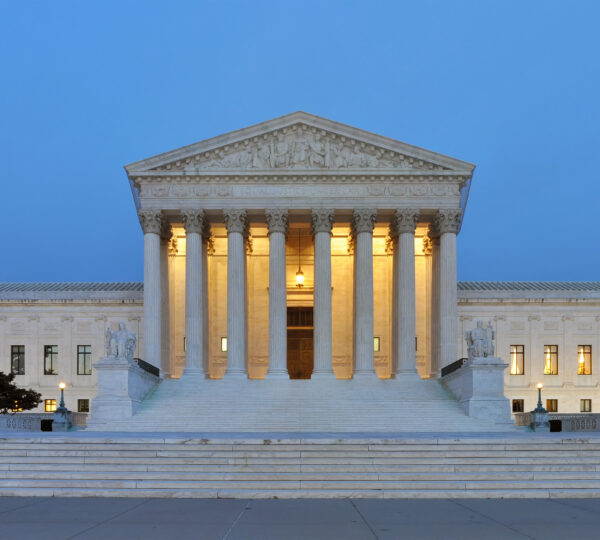
However, that dividend concept has encountered a serious legal obstacle. In February 2026, the U.S. Supreme Court ruled that President Trump did not have legal authority to impose certain broad tariffs under emergency powers, weakening the basis for financing direct payments from tariff revenue.
The court’s decision centered on the interpretation of the International Emergency Economic Powers Act (IEEPA), concluding that it does not grant the president authority to levy tariffs unilaterally. This ruling overturned major tariffs issued under that statute in 2025.
Because of the court’s action, the original dividend‑style proposal — where tariffs would effectively fund payouts — is no longer viable in its original form, and policymakers are considering alternatives.
Instead of a dividend, what is now being discussed resembles a refund rather than a direct “dividend” payment. Some lawmakers and commentators describe the idea as returning part of Americans’ tariff costs.
A report from Democrats on the Joint Economic Committee estimated that U.S. consumers paid about $231 billion in tariff‑related costs between February 2025 and January 2026, which they broke down to about $1,745 per family. This figure has fueled arguments that citizens could be reimbursed for those added expenses.
Democratic leaders, including California Gov. Gavin Newsom and Illinois Gov. J.B. Pritzker, have publicly called for tariff refunds, noting the average $1,700 figure and urging the administration to return that money to families.
Some Senate Democrats have introduced legislation called the Tariff Refund Act of 2026, which would require the federal government to return tariff revenue it collected, with interest, to affected parties within a set timeframe.
Proponents argue that because many families paid higher prices due to increased tariff costs, the money should be repaid to help ease the financial burden on consumers and small businesses.
Yet policymakers and administration officials have pushed back, saying it’s unlikely Americans will receive direct tariff refunds and cautioning that the legal and administrative processes are complex and unresolved.
The Treasury Department has signaled that significant hurdles remain before any refund checks could be issued, meaning any direct payments to families remain speculative at this point.
Meanwhile, the government is developing systems to handle refunds tied to tariff collections, but initial reports indicate that the online portal for tariff refunds may be unable to process about one‑third of requests early on, complicating the implementation.
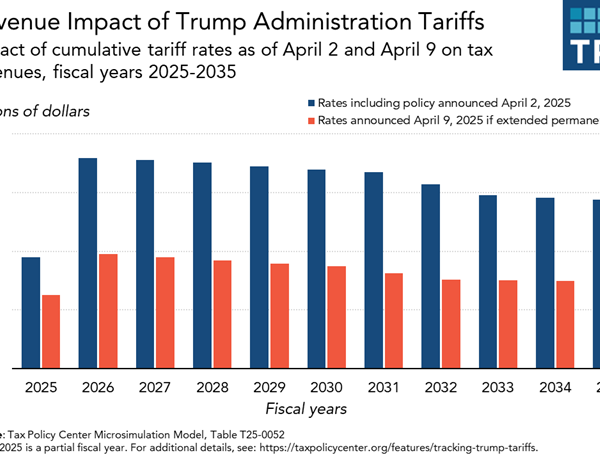
That portal, which would allow importers to seek refunds for tariffs collected under the now‑invalidated authority, is expected to launch with limited capabilities around spring 2026, with full processing taking additional weeks after the system goes live.
It’s important to note that the Supreme Court ruling did not directly require refunds to consumers; rather, it invalidated the legal basis for certain tariffs, opening the question of how and whether refunds should be issued.
In addition, legal distinctions between liquidated and unliquidated tariffs will affect who can receive refunds. Unliquidated entries — those not fully finalized — are more likely to be eligible for repayment.
Current discussions also involve whether refunds would go to importers, who paid the tariffs directly at customs, or to consumers, who paid tariff‑induced higher prices indirectly. There is debate about the legal and economic implications of each approach.
A key challenge is that many businesses passed tariff costs on to consumers through higher pricing, meaning consumers bore the cost even if they did not pay tariffs directly. Whether and how to reimburse consumers remains uncertain.
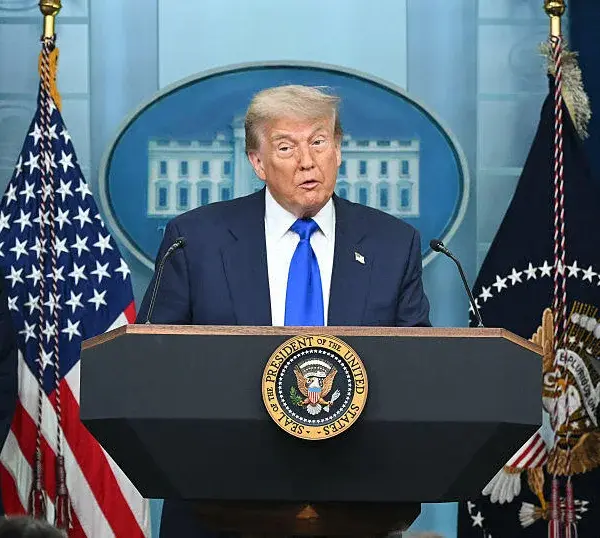
President Trump has publicly suggested that any potential back‑payments could begin around mid‑2026, but even that timing is speculative, since legal barriers and administrative steps must be resolved first.
Nothing has been finalized, and both legal and legislative developments will shape whether the idea of tariff refunds ever comes to fruition for millions of Americans.
Economists and policy analysts say that even with refunds, the complexity of tracking who paid what — directly or indirectly — and how to distribute funds fairly will require detailed planning and potential new legislation.
Some experts also warn that tariff revenue, even if refunded, may have already affected consumer prices long‑term, meaning a simple cash refund may not fully offset the economic impact families experienced.
For now, Americans are left waiting for clarity as federal courts, lawmakers, and executive branch officials continue to debate the legal and fiscal path forward for tariff refunds.
The conversation around tariff refunds highlights broader debates over trade policy, economic impacts on households, and the balance of powers between branches of government in setting tariff authority.
At this stage, any potential payment — whether called a dividend, a refund, or back‑payment — remains uncertain and contingent on further legal guidance and policy decisions.
