...

Ali MacGraw Put Her Career on Hold for Steve McQueen

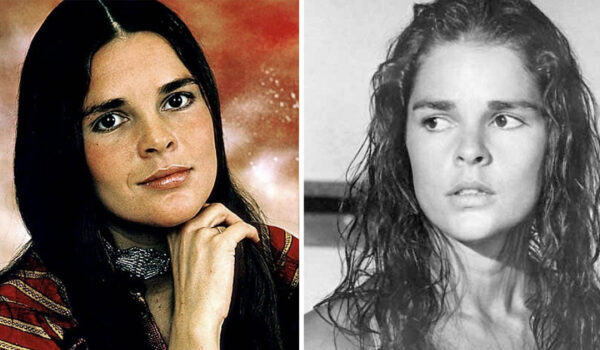
Ali MacGraw became one of Hollywood’s most recognizable faces almost overnight. In the early 1970s, her natural beauty, emotional vulnerability.

And quiet intensity captured the attention of audiences around the world. She seemed destined for a long reign at the top of the film industry.

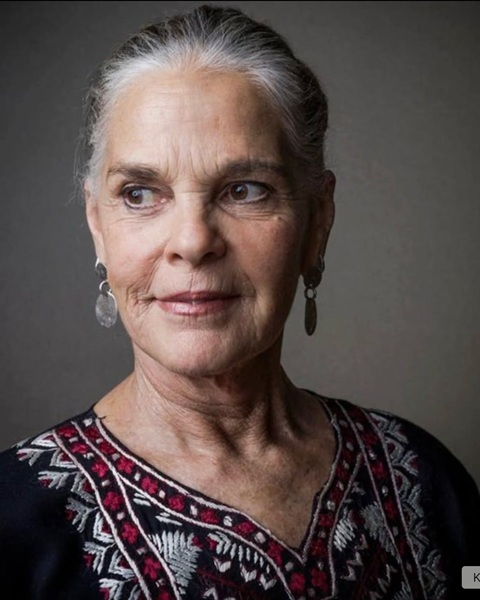
Yet, just as quickly as her star rose, she stepped away from the spotlight. Today, at 85 years old, Ali MacGraw lives a peaceful life far removed from Hollywood glamour.

With her silver hair and understated presence, she embodies a different kind of beauty—one shaped by experience, self-reflection, and resilience.

Her story is not just about fame, but about survival, reinvention, and choosing authenticity over expectation.
Early Life: Growing Up in a Complicated Home

Ali MacGraw was born Elizabeth Alice MacGraw on April 1, 1939, in Pound Ridge, New York. She was raised in a family deeply connected to art, creativity, and culture—but also marked by emotional instability and financial hardship.

Her mother, Frances MacGraw, was an artist who had studied and worked in Paris before settling in Greenwich Village.

She later married Richard MacGraw, also an artist. Ali was their first child, followed by her younger brother, Richard Jr.

Ali’s father carried deep emotional scars from his own childhood. He had grown up in an orphanage, endured severe hardship, and ran away at the age of 16 to work at sea.

Later, he studied art in Munich, Germany. According to Ali, those early traumas shaped his adult life in painful ways.

“Daddy was frightened and really, really angry,” she once explained. “He never forgave his real parents for giving him up.”

She described him as a man who spent his adult life suppressing rage that masked deep emotional wounds.

A Childhood Marked by Poverty and Fear

The MacGraw family struggled financially. At one point, Ali, her parents, and her brother lived in a house on a wilderness preserve in Pound Ridge, sharing the space with an elderly couple.

“There were no doors,” Ali recalled. “We shared the kitchen and bathroom with them.

It was utter lack of privacy. It was horrible.”
Her mother worked tirelessly to support the family through commercial art assignments.

Her father, however, struggled to sell his paintings, which led to frustration and anger. Much of that anger was directed at Ali’s younger brother.

“On good days he was great,” she said. “But on bad days he was horrendous.” Ali witnessed her father physically abuse her brother, experiences that left lasting emotional scars.

Education and a Path Toward Creativity

Despite her turbulent upbringing, Ali excelled academically. She earned a scholarship to Rosemary Hall, an elite preparatory school, and later attended Wellesley College in Massachusetts.

Creativity ran in her blood, and Ali knew early on that she wanted a career connected to the arts.

After graduating, she moved to New York City at the age of 22 and landed her first job as an assistant editor at Harper’s Bazaar.

The Fashion World and an Unexpected Break

Ali entered the fashion industry at the bottom. Legendary editor Diana Vreeland hired her as a junior assistant—a role Ali later compared to the dynamic portrayed in The Devil Wears Prada.

“It was ‘Girl! Get me a pencil!’” MacGraw recalled.
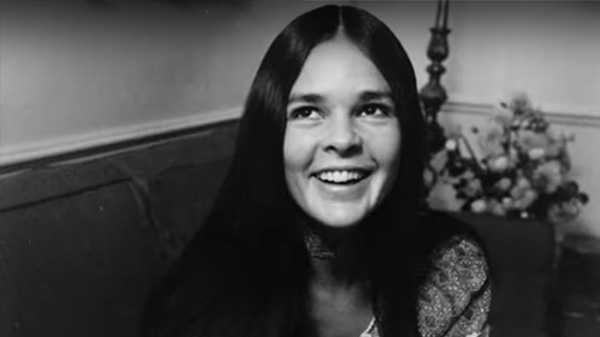
She worked relentlessly, often staying late into the night. Her dedication did not go unnoticed. Fashion photographer Melvin Sokolsky recognized her striking looks and offered her a role as a stylist, along with a higher salary.

Former colleagues remembered her work ethic vividly. Ruth Ansel, a former art director at Harper’s Bazaar and Vanity Fair, recalled Ali arriving early and staying until the early hours of the morning to prepare for shoots.

Eventually, Ali began appearing in front of the camera as a model. Her face soon appeared on magazine covers and in television commercials. One opportunity led to another—and before long, acting came calling.

Choosing Acting Over Modeling

Although she was successful as a model, Ali felt uneasy about parts of the fashion world.

She famously recounted an uncomfortable encounter with surrealist artist Salvador Dalí, who sketched her nude and later behaved inappropriately.

That moment reinforced her desire to pursue acting instead.

A Meteoric Rise in Film

Ali MacGraw’s entry into cinema was swift and dramatic. With no formal acting training, she brought a natural, unguarded presence to the screen that audiences found compelling.

Her first film role came in A Lovely Way to Die (1968), but it was her performance in Goodbye, Columbus (1969) that changed everything.

The role earned her a Golden Globe for Most Promising Newcomer – Female.

The following year, she achieved international stardom with Love Story (1970).

Love Story and Instant Icon Status

Ali reportedly wept while reading the script for Love Story. Determined to secure the role, she met with producer Robert Evans, then head of production at Paramount Pictures, at the Beverly Hills Hotel.

Evans believed she was perfect for the role of Jenny Cavilleri—and soon fell in love with her personally as well.
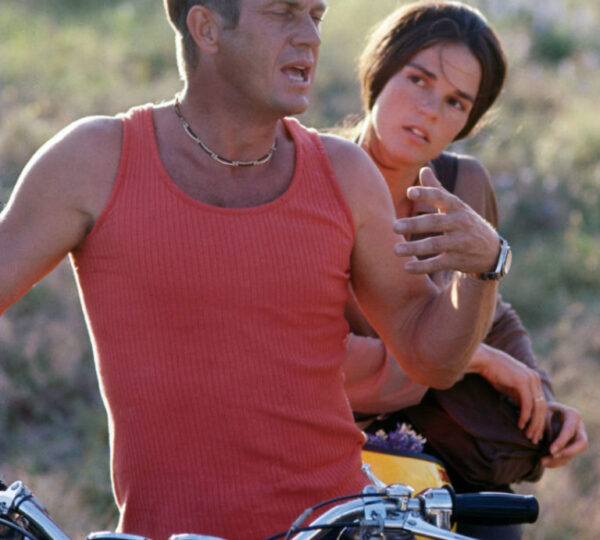
Starring opposite Ryan O’Neal, MacGraw portrayed a working-class college student whose love story ended in tragedy. The film became a cultural phenomenon.

Love Story was the number-one film in the United States in 1970 and one of the highest-grossing movies in North America at the time.

Ali received an Academy Award nomination for Best Actress and won her second Golden Globe, this time for Best Actress in a Motion Picture – Drama.

Marriage, Motherhood, and Turbulence

Ali married Robert Evans in 1969, and in 1971 they welcomed their son, Josh Evans. Yet their marriage soon unraveled after Ali began an affair with actor Steve McQueen, whom she met while preparing for The Getaway.

“I looked in those blue eyes, and my knees started knocking,” she later admitted.

Ali left Evans to live with McQueen in Malibu, bringing her young son with her.

Life With Steve McQueen

While their relationship began intensely, it soon revealed deep difficulties. McQueen, shaped by his own troubled childhood, struggled with trust and control.

He disliked Ali working and expected her to prioritize domestic life. She later described feeling constrained and isolated.

“I couldn’t even go to art class,” she said. “Steve expected his ‘old lady’ to be there every night with dinner on the table.”

They divorced in 1978. Ali honored a prenuptial agreement and left without financial claims.

Career Decline and Personal Struggles

By the late 1970s, several of Ali’s films failed commercially. Hollywood’s treatment of aging actresses weighed heavily on her.

“It’s brutal for women,” she told The Guardian. “The media, the fashion industry—it’s cruel.”

She struggled with alcohol and self-worth, eventually checking into the Betty Ford Clinic in 1986.
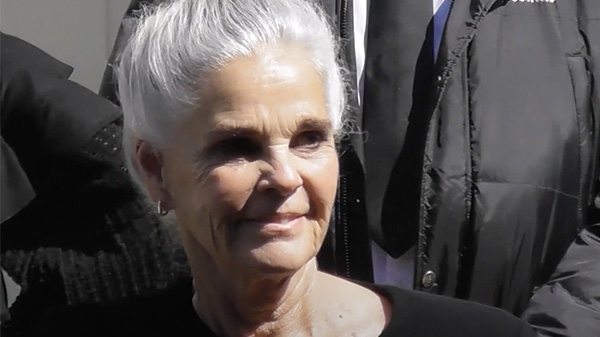
“The worst stuff happened when I drank,” she admitted.

Rebuilding Her Life

After completing treatment, Ali emerged stronger. In 1993, a wildfire destroyed her California home—a turning point that prompted her to leave Los Angeles permanently.

She relocated to Tesuque, near Santa Fe, New Mexico, embracing a quieter life rooted in community and creativity.

Her neighbors came to know her not as a movie star, but as a volunteer and advocate.

She supported animal rights causes, worked with the International Folk Art Market, and produced widely popular yoga videos.

A Brief Return and Creative Fulfillment

In 2006, Ali returned briefly to the stage, reuniting with Ryan O’Neal in a Broadway adaptation of Festen. Otherwise, she remained largely out of the spotlight.

In interviews, she has said that creativity—not fame—is what sustains her.

“I’m not happy when I’m not doing something creative,” she shared in 2019.

A Legacy Continued Through Her Son

Ali’s son Josh Evans followed a path into the entertainment industry as both an actor and director.

He appeared in films such as Born on the Fourth of July and The Doors, and later directed several projects.
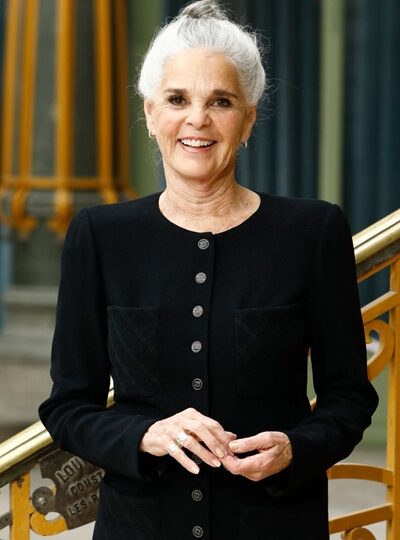
Josh has spoken warmly about his mother, and Ali has expressed deep pride in him, calling him “my favorite human being on the planet.”

A Life Redefined

Ali MacGraw’s journey is not a cautionary tale about fame—it is a story about choosing self-respect over stardom, healing over validation, and purpose over applause.

Her life today reflects grace, honesty, and resilience. She may have left Hollywood, but she never lost herself.

Ali MacGraw became one of Hollywood’s most recognizable faces almost overnight. In the early 1970s, her natural beauty, emotional vulnerability.

And quiet intensity captured the attention of audiences around the world. She seemed destined for a long reign at the top of the film industry.

Yet, just as quickly as her star rose, she stepped away from the spotlight. Today, at 85 years old, Ali MacGraw lives a peaceful life far removed from Hollywood glamour.

With her silver hair and understated presence, she embodies a different kind of beauty—one shaped by experience, self-reflection, and resilience.

Her story is not just about fame, but about survival, reinvention, and choosing authenticity over expectation.

Early Life: Growing Up in a Complicated Home

Ali MacGraw was born Elizabeth Alice MacGraw on April 1, 1939, in Pound Ridge, New York. She was raised in a family deeply connected to art, creativity, and culture—but also marked by emotional instability and financial hardship.

Her mother, Frances MacGraw, was an artist who had studied and worked in Paris before settling in Greenwich Village.

She later married Richard MacGraw, also an artist. Ali was their first child, followed by her younger brother, Richard Jr.

Ali’s father carried deep emotional scars from his own childhood. He had grown up in an orphanage, endured severe hardship, and ran away at the age of 16 to work at sea.

Later, he studied art in Munich, Germany. According to Ali, those early traumas shaped his adult life in painful ways.

“Daddy was frightened and really, really angry,” she once explained. “He never forgave his real parents for giving him up.”

She described him as a man who spent his adult life suppressing rage that masked deep emotional wounds.

A Childhood Marked by Poverty and Fear

The MacGraw family struggled financially. At one point, Ali, her parents, and her brother lived in a house on a wilderness preserve in Pound Ridge, sharing the space with an elderly couple.

“There were no doors,” Ali recalled. “We shared the kitchen and bathroom with them.

It was utter lack of privacy. It was horrible.”

Her mother worked tirelessly to support the family through commercial art assignments.

Her father, however, struggled to sell his paintings, which led to frustration and anger. Much of that anger was directed at Ali’s younger brother.

“On good days he was great,” she said. “But on bad days he was horrendous.” Ali witnessed her father physically abuse her brother, experiences that left lasting emotional scars.

Education and a Path Toward Creativity

Despite her turbulent upbringing, Ali excelled academically. She earned a scholarship to Rosemary Hall, an elite preparatory school, and later attended Wellesley College in Massachusetts.

Creativity ran in her blood, and Ali knew early on that she wanted a career connected to the arts.

After graduating, she moved to New York City at the age of 22 and landed her first job as an assistant editor at Harper’s Bazaar.

The Fashion World and an Unexpected Break

Ali entered the fashion industry at the bottom. Legendary editor Diana Vreeland hired her as a junior assistant—a role Ali later compared to the dynamic portrayed in The Devil Wears Prada.

“It was ‘Girl! Get me a pencil!’” MacGraw recalled.

She worked relentlessly, often staying late into the night. Her dedication did not go unnoticed. Fashion photographer Melvin Sokolsky recognized her striking looks and offered her a role as a stylist, along with a higher salary.

Former colleagues remembered her work ethic vividly. Ruth Ansel, a former art director at Harper’s Bazaar and Vanity Fair, recalled Ali arriving early and staying until the early hours of the morning to prepare for shoots.

Eventually, Ali began appearing in front of the camera as a model. Her face soon appeared on magazine covers and in television commercials. One opportunity led to another—and before long, acting came calling.

Choosing Acting Over Modeling

Although she was successful as a model, Ali felt uneasy about parts of the fashion world.

She famously recounted an uncomfortable encounter with surrealist artist Salvador Dalí, who sketched her nude and later behaved inappropriately.

That moment reinforced her desire to pursue acting instead.

A Meteoric Rise in Film

Ali MacGraw’s entry into cinema was swift and dramatic. With no formal acting training, she brought a natural, unguarded presence to the screen that audiences found compelling.

Her first film role came in A Lovely Way to Die (1968), but it was her performance in Goodbye, Columbus (1969) that changed everything.

The role earned her a Golden Globe for Most Promising Newcomer – Female.

The following year, she achieved international stardom with Love Story (1970).

Love Story and Instant Icon Status

Ali reportedly wept while reading the script for Love Story. Determined to secure the role, she met with producer Robert Evans, then head of production at Paramount Pictures, at the Beverly Hills Hotel.

Evans believed she was perfect for the role of Jenny Cavilleri—and soon fell in love with her personally as well.

Starring opposite Ryan O’Neal, MacGraw portrayed a working-class college student whose love story ended in tragedy. The film became a cultural phenomenon.

Love Story was the number-one film in the United States in 1970 and one of the highest-grossing movies in North America at the time.

Ali received an Academy Award nomination for Best Actress and won her second Golden Globe, this time for Best Actress in a Motion Picture – Drama.

Marriage, Motherhood, and Turbulence

Ali married Robert Evans in 1969, and in 1971 they welcomed their son, Josh Evans. Yet their marriage soon unraveled after Ali began an affair with actor Steve McQueen, whom she met while preparing for The Getaway.

“I looked in those blue eyes, and my knees started knocking,” she later admitted.

Ali left Evans to live with McQueen in Malibu, bringing her young son with her.

Life With Steve McQueen

While their relationship began intensely, it soon revealed deep difficulties. McQueen, shaped by his own troubled childhood, struggled with trust and control.

He disliked Ali working and expected her to prioritize domestic life. She later described feeling constrained and isolated.

“I couldn’t even go to art class,” she said. “Steve expected his ‘old lady’ to be there every night with dinner on the table.”

They divorced in 1978. Ali honored a prenuptial agreement and left without financial claims.

Career Decline and Personal Struggles

By the late 1970s, several of Ali’s films failed commercially. Hollywood’s treatment of aging actresses weighed heavily on her.

“It’s brutal for women,” she told The Guardian. “The media, the fashion industry—it’s cruel.”

She struggled with alcohol and self-worth, eventually checking into the Betty Ford Clinic in 1986.

“The worst stuff happened when I drank,” she admitted.

Rebuilding Her Life

After completing treatment, Ali emerged stronger. In 1993, a wildfire destroyed her California home—a turning point that prompted her to leave Los Angeles permanently.

She relocated to Tesuque, near Santa Fe, New Mexico, embracing a quieter life rooted in community and creativity.

Her neighbors came to know her not as a movie star, but as a volunteer and advocate.

She supported animal rights causes, worked with the International Folk Art Market, and produced widely popular yoga videos.

A Brief Return and Creative Fulfillment

In 2006, Ali returned briefly to the stage, reuniting with Ryan O’Neal in a Broadway adaptation of Festen. Otherwise, she remained largely out of the spotlight.

In interviews, she has said that creativity—not fame—is what sustains her.

“I’m not happy when I’m not doing something creative,” she shared in 2019.

A Legacy Continued Through Her Son

Ali’s son Josh Evans followed a path into the entertainment industry as both an actor and director.

He appeared in films such as Born on the Fourth of July and The Doors, and later directed several projects.

Josh has spoken warmly about his mother, and Ali has expressed deep pride in him, calling him “my favorite human being on the planet.”

A Life Redefined

Ali MacGraw’s journey is not a cautionary tale about fame—it is a story about choosing self-respect over stardom, healing over validation, and purpose over applause.

Her life today reflects grace, honesty, and resilience. She may have left Hollywood, but she never lost herself.