
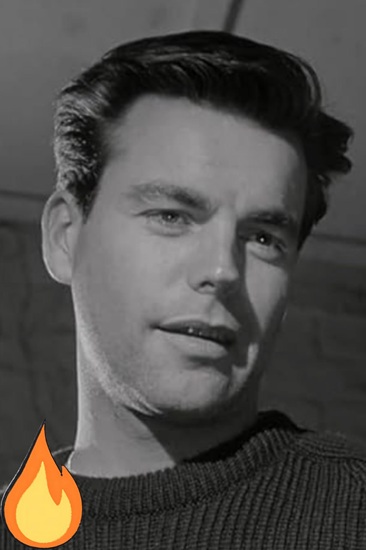
In 2026, as Robert Wagner celebrates his 96th birthday, he stands as one of the last surviving icons of Hollywood’s golden age, a living testament to a cinematic era defined by glamour, sophistication, and enduring talent that continues to inspire admiration worldwide.
Born on February 10, 1930, in Detroit, Michigan, Wagner began his journey in Hollywood during a period of immense transformation.
When the studio system still dictated the careers of young actors, and charm, versatility, and screen presence could launch an actor into international stardom.
Early in his career, Wagner signed with Universal Pictures, where he quickly established himself as a reliable leading man, often cast in roles that showcased both his physical appeal and his ability to convey nuanced emotion, a combination that would define his decades-long success.
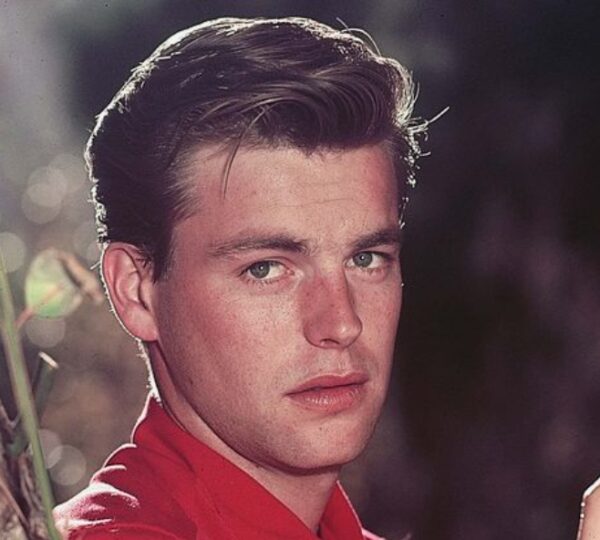
By the 1950s, he had appeared in numerous films, including “Stars and Stripes Forever” and “White Witch Doctor,” where his charisma and boyish charm earned him recognition among critics and audiences, cementing his reputation as one of Hollywood’s rising stars.
Wagner’s natural on-screen elegance was complemented by his meticulous dedication to craft; he took every role seriously, often balancing studio expectations with a personal commitment to authenticity, ensuring that his characters resonated with viewers beyond superficial appeal.
His breakout in television came with the series “It Takes a Thief” in the late 1960s, where Wagner portrayed Alexander Mundy, a sophisticated cat burglar coerced into working for the government, blending action, humor, and charm to create a role that remains iconic decades later.
“It Takes a Thief” exemplified Wagner’s ability to adapt to changing mediums, proving that his appeal extended beyond film into television, at a time when the distinction between the two was more rigid than it is today, highlighting his versatility and enduring star power.
Throughout the 1970s and 1980s, Wagner continued to appear in both film and television projects, demonstrating an uncommon career longevity by consistently selecting roles that balanced commercial appeal with personal artistic interest.
His enduring presence on screen was matched by a public fascination with his personal life, particularly his high-profile relationships and marriages, which became part of Hollywood lore and added to the public’s intrigue surrounding his persona.
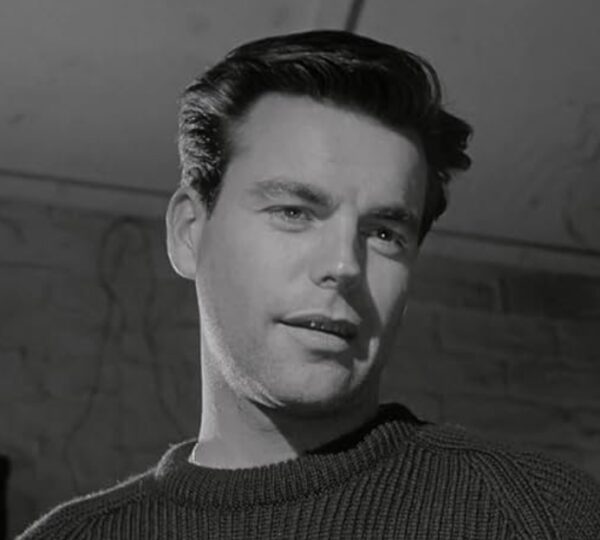
Most notably, his relationship and marriages with Natalie Wood, one of Hollywood’s most celebrated actresses, drew intense media attention, intertwining Wagner’s personal and professional legacy in the collective cultural imagination.
The tragic and mysterious circumstances surrounding Wood’s death in 1981 further amplified public interest, casting a long shadow over Wagner’s personal narrative and leaving a lasting imprint on his life story that audiences continue to examine with empathy and curiosity.
Despite such intense scrutiny, Wagner maintained a remarkable sense of poise and composure, navigating decades of public attention while remaining committed to his craft and to preserving a dignified presence in the entertainment industry.
In addition to his film and television work, Wagner also engaged in various philanthropic activities, participating in charitable causes and supporting initiatives that reflected both his personal values and the broader responsibilities of a public figure.
His career demonstrates an uncommon adaptability; as Hollywood evolved from the studio system to independent productions, and later into digital platforms, Wagner continued to secure meaningful roles, reflecting both his professionalism and enduring audience appeal.
The transition from black-and-white cinema to color, and later from analog to digital filmmaking, was witnessed firsthand by Wagner, who has commented on the evolution of technology, acting styles, and the business of Hollywood over nearly a century of experience.
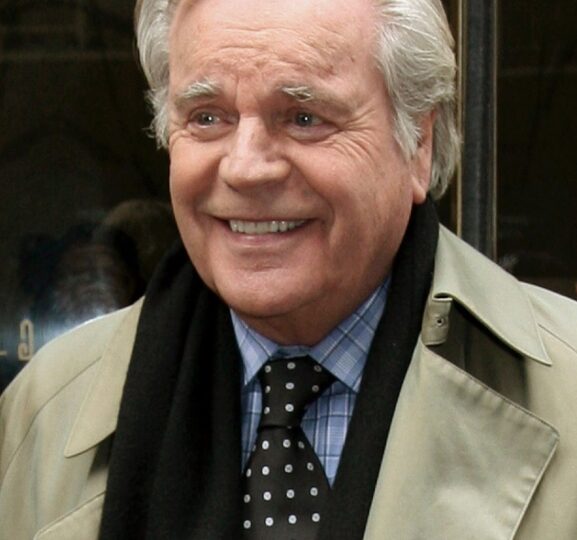
Observing Wagner today, in his mid-90s, provides a rare opportunity to witness the passage of time on a public figure whose life has been extensively documented, yet who continues to embody an authenticity that resonates with long-time fans.
Recent photographs of Wagner highlight the natural aging process, where smooth youthful features give way to wrinkles and lines, each marking decades of experience, emotion, and life lived under both bright studio lights and intense public scrutiny.
There is a dignity in seeing a legendary actor embrace aging without overt cosmetic alteration, a reminder that longevity in Hollywood is not merely about appearance but about relevance, resilience, and continued contribution to the cultural landscape.
Wagner’s continued presence serves as a bridge between the classical Hollywood era and the contemporary industry, offering insights into the evolution of acting techniques, production methods, and celebrity culture over almost a century.
In reflecting on his body of work, it becomes evident that Wagner’s skill was never confined to looks alone; his ability to convey subtle emotion, timing, and dramatic nuance made him a compelling actor whose performances remain memorable.
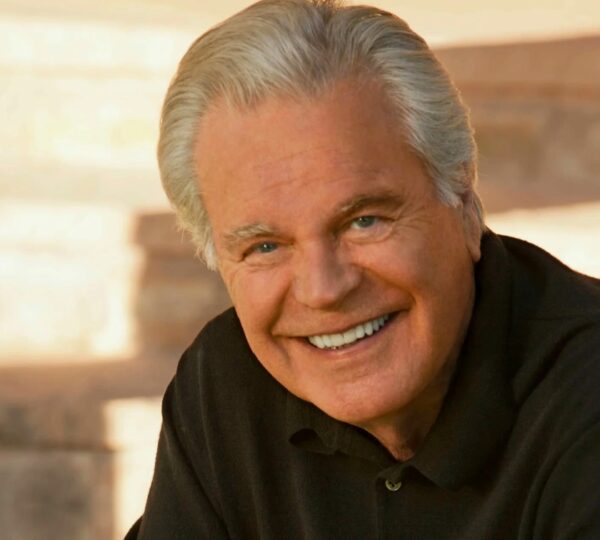
Roles in films such as “Prince Valiant” and “Harper” showcase Wagner’s capacity to move fluidly between genres, from swashbuckling adventure to complex crime dramas, appealing to diverse audiences with authenticity and ease.
In addition, Wagner’s comedic timing and charisma allowed him to transition into lighter, more playful roles, as evidenced by his later appearances in projects like the “Austin Powers” franchise, where he portrayed Number Two with both humor and gravitas.
This adaptability reflects a deeper understanding of the craft, where an actor can remain relevant across generations by embracing new opportunities without losing the essence of their signature presence and style.
Beyond acting, Wagner has contributed to the entertainment industry through mentorship and public speaking, sharing his experiences with emerging talent and offering perspectives on longevity, professionalism, and navigating fame.
His reflections on Hollywood’s evolution provide valuable insights into both the opportunities and challenges faced by actors across decades, particularly those whose careers span multiple technological and cultural shifts.
Wagner’s personal life, while frequently under public scrutiny, demonstrates a resilience that complements his professional accomplishments, illustrating the interplay between private endurance and public recognition.
Marriages, friendships, and collaborations with fellow actors have enriched his life story, contributing to a network of relationships that further define his position within Hollywood’s social and artistic fabric.
Even in advanced age, Wagner’s presence commands attention, not because of physical perfection but due to a cultivated aura of experience, wisdom, and the charm that first made him a star over 70 years ago.
For audiences, seeing Wagner today is an opportunity to connect with a living piece of Hollywood history, observing how grace, talent, and adaptability endure long after youth has passed.
Each appearance, interview, or public engagement serves as a reminder of the human behind the legend, a man who has lived through triumphs, controversies, and the shifting tides of cinematic culture.
In his 90s, Wagner embodies the passage of time not as decline but as a celebration of a life fully experienced, where every wrinkle and expression tells a story of perseverance, creativity, and dedication.
His longevity in both life and career illustrates that legacy is not merely built on individual performances but on the cumulative impact of decades of consistent, passionate work in the arts.
By observing Wagner today, fans gain an appreciation not only for his individual accomplishments but also for the broader history of Hollywood, from studio contracts to independent films and modern digital productions.
Wagner’s story reinforces the idea that cinematic legends are more than their youthful images; they are living chronicles of cultural evolution, reflecting changes in society, technology, and artistic expression over time.
Ultimately, Robert Wagner remains a figure of enduring fascination, not merely for his past achievements, but for the lessons inherent in a life that spans nearly a century of performance, adaptation, and cultural relevance.
Even as he celebrates his 96th year, Wagner continues to remind the world that true legacy extends beyond physical appearance, resonating through influence, artistry, and the memories left in audiences’ hearts.
He stands as both a monument to Hollywood’s golden era and a living example of the resilience, charm, and artistry required to remain meaningful in a constantly evolving entertainment landscape.
Every photograph, interview, and public appearance offers insight into a life that has witnessed dramatic societal shifts, technological advances, and the enduring power of storytelling through film and television.
Through decades of transformation, Wagner has remained a steadfast figure whose presence embodies continuity, professionalism, and a deep connection to the art form he has served for nearly a century.
Time has altered the physical, yet the essence of his charisma, intelligence, and charm remains intact, offering both inspiration and nostalgia to fans of all ages who admire the enduring star.
Wagner’s 96 years of life and almost 80 years of career illustrate the remarkable interplay between human resilience, artistic dedication, and the evolving landscape of Hollywood, reminding audiences that true legend transcends age.
His story exemplifies how talent, adaptability, and personal integrity can allow an actor to navigate the highs and lows of fame, ensuring that contributions to cinema continue to resonate across generations.
Observing Wagner today, audiences are reminded that the essence of stardom is not fleeting youth, but the ability to leave a lasting impression through performance, personality, and the cultivation of a meaningful legacy.
Even in the modern era, when celebrity is often tied to social media and transient attention, Wagner’s enduring relevance demonstrates the power of skill, presence, and dedication cultivated over decades of consistent work.
Ultimately, Robert Wagner remains a living emblem of Hollywood’s golden era, a figure whose life and career offer lessons in artistry, perseverance, and the enduring impact of cinematic excellence.
He is a reminder that while youth inevitably fades, the mark of a true legend lies in the memories, influence, and inspiration left for generations of audiences, actors, and admirers alike.
