
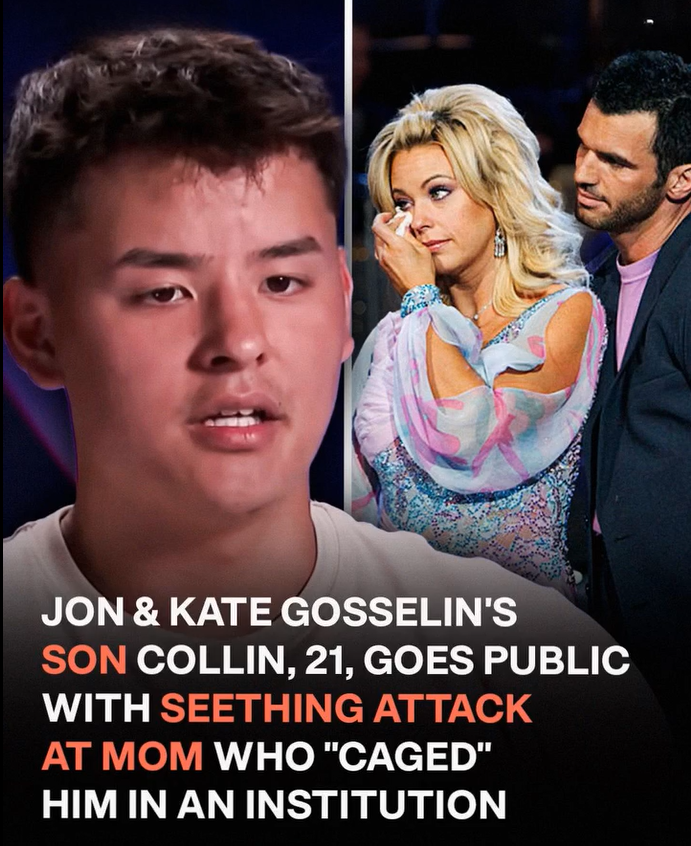
On August 7, 2025, Collin Gosselin, one of the sextuplets made famous on the reality series Jon & Kate Plus 8, shared an emotional message on TikTok directed toward his seven siblings.
Now 21 years old, Collin used the post to reflect on the long years of separation from his siblings, expressing deep sadness over the family distance created during his upbringing in the public spotlight.
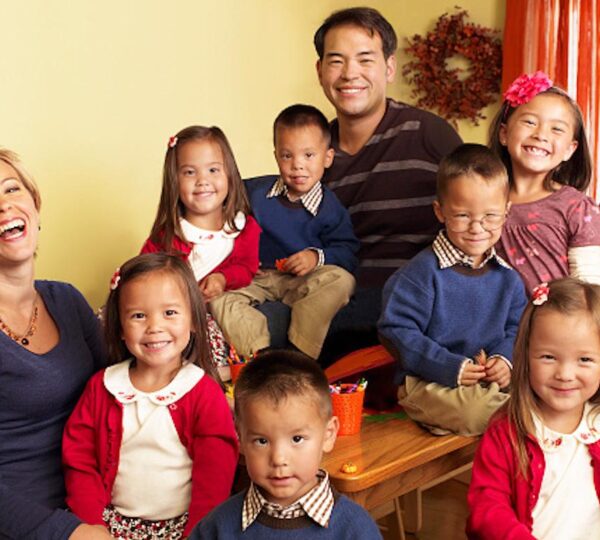
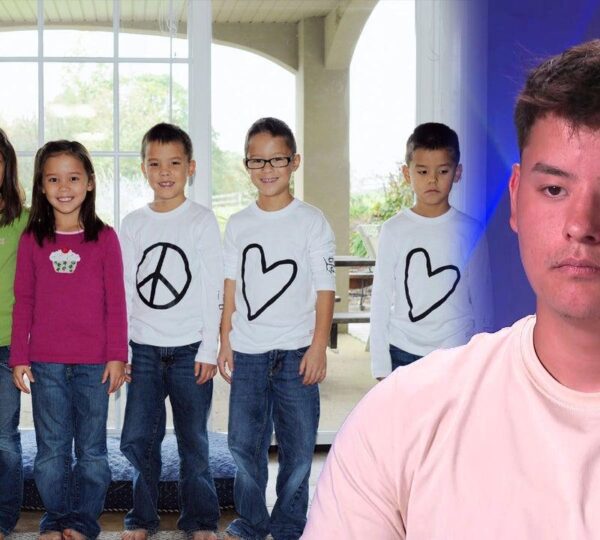
He included a childhood photograph of the siblings together, captioning it with words describing how they were “forced apart” and “pitted against each other” by circumstances beyond their control.
Collin suggested that the pressures of growing up under constant media attention contributed significantly to the estrangement, making ordinary childhood experiences extraordinarily difficult for him and his siblings.
He expressed particular gratitude for moments he still shares with his sister Hannah, revealing that these rare encounters remain a source of comfort amid years of separation and public scrutiny.

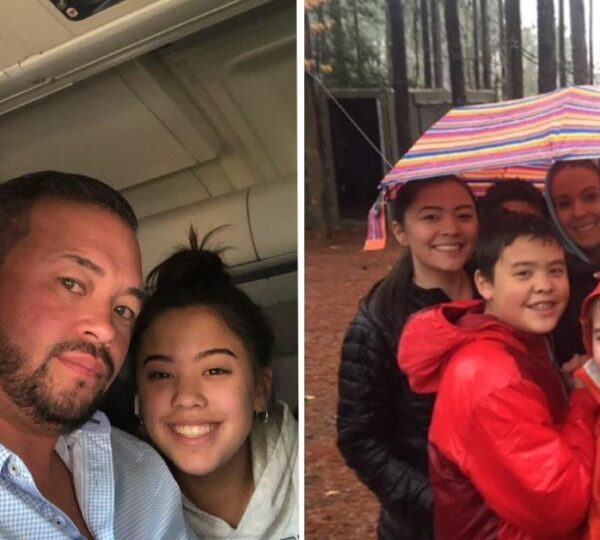
In recent years, Collin and Hannah have lived with their father, Jon Gosselin, while the other siblings have remained under the care of their mother, Kate Gosselin, highlighting the longstanding physical and emotional division.
A commenter on the TikTok post suggested Collin might one day understand Kate’s perspective, prompting him to share serious allegations regarding his childhood experiences and treatment in a facility.
Collin claimed that he was sent away to a treatment center at age 11 or 12, remaining institutionalized for multiple years during which he felt isolated and unfairly separated from his family.
He has publicly stated in past interviews that he believes he was misdiagnosed and that the experience created lasting trauma, leaving him feeling abandoned and misunderstood by his mother during his formative years.
In a prior interview with Entertainment Tonight, Collin detailed that Kate visited him only once while institutionalized, and allegedly told him he had “ruined the family,” amplifying feelings of rejection and emotional distress.
The singer and reality star’s account portrays a childhood marked by trauma, separation, and a sense of being misunderstood by those entrusted with his care during critical developmental years.
Kate Gosselin, through her legal representatives, has consistently maintained that her decisions regarding Collin were based on professional medical advice and motivated by concern for the family’s safety and well-being.
Her attorney has described Collin’s view of events as a “distorted perception of reality,” emphasizing that his multiple psychiatric diagnoses necessitated institutional care to address complex mental health concerns.
Jon Gosselin has publicly defended Collin, asserting that he fought to remove his son from the facility and that he suspected mistreatment during the institutionalization period, expressing concern over the limitations placed on his access.
He has repeatedly emphasized that he worked to ensure Collin’s safety and well-being while navigating a difficult custody and medical landscape, highlighting ongoing parental support despite past challenges.
Collin’s TikTok message also expressed a desire for family reconciliation, stating that he hopes to rebuild connections with his siblings and repair relationships strained by years of separation.
He emphasized the importance of breaking generational cycles of division, expressing a commitment to fostering a healthier, more supportive environment for his future family.
Social media reactions to Collin’s post were immediate, with fans expressing empathy for his experiences, admiration for his courage, and hope for eventual healing within the Gosselin family.
The story underscores the long-term emotional impact of growing up under intense public scrutiny, illustrating how fame at a young age can complicate family dynamics and personal development.
Collin’s reflections reveal not only past trauma but also a thoughtful, introspective young adult seeking closure and meaningful connections despite difficult circumstances.
He conveyed that his years of separation were compounded by feelings of being misunderstood, misdiagnosed, and emotionally neglected, creating enduring challenges in navigating trust and familial bonds.
In sharing his personal story publicly, Collin has drawn attention to broader conversations about mental health, family dynamics, and the responsibilities of parents and institutions in protecting vulnerable children.
His account highlights the delicate balance between professional guidance, parental oversight, and the child’s emotional needs, particularly under the pressures of reality television fame.
The Gosselin family’s history in the public eye has long invited scrutiny, and Collin’s candid reflections offer a more nuanced understanding of the personal toll behind the headlines and television narratives.
Despite the emotional weight of these revelations, Collin’s message ultimately focuses on hope, emphasizing that reconciliation is possible and relationships can be repaired with effort and understanding.
He described the importance of forgiveness, communication, and empathy in moving forward, signaling a mature approach to resolving deeply rooted family conflicts.
Collin also acknowledged the challenges inherent in reconnecting with siblings who have lived separate lives, recognizing that rebuilding trust will require patience, openness, and emotional vulnerability.
The post has encouraged conversations about sibling relationships fractured by family disputes, public exposure, and divergent parental arrangements, resonating with audiences who have experienced similar separations.
Experts have noted that children raised in high-pressure public environments often face unique psychological challenges, including identity formation, emotional regulation, and navigating complex family dynamics.
Collin’s willingness to share personal experiences contributes to a broader dialogue about supporting young people in similar situations, particularly those involved in reality television or other high-visibility contexts.
His story underscores the importance of balancing public exposure with private emotional support, highlighting the potential consequences of decisions made during formative years.
Fans have praised Collin for his courage, expressing support for his intention to prioritize mental health, personal growth, and familial reconciliation over lingering resentment or anger.
His reflections also shed light on the nuanced challenges of blended custody arrangements, demonstrating how children’s relationships with both parents can be deeply affected by physical separation and differing parenting styles.
Throughout his TikTok message, Collin consistently emphasized respect and compassion, urging understanding from both siblings and the wider public as he works to heal old wounds.
The post revealed his vulnerability, resilience, and commitment to fostering meaningful connections with family members, even after years of emotional and physical distance.
Collin’s story resonates beyond the Gosselin family, offering insights into the broader human experience of separation, misunderstanding, and the pursuit of reconciliation.
It also illustrates how social media platforms can provide a space for young adults to share personal experiences, promote transparency, and initiate healing conversations with wide audiences.
Collin expressed hope that public sharing of his experiences would not only aid his personal journey but also encourage others in similar situations to seek understanding, empathy, and connection.
Ultimately, his message reflects a desire for growth, healing, and the restoration of familial bonds, showing maturity and thoughtfulness well beyond his years.
By acknowledging past pain while focusing on future reconciliation, Collin positions himself as both reflective and proactive in repairing relationships and breaking cycles of division within his family.
His story underscores the enduring influence of childhood experiences on adult relationships, mental health, and the pursuit of personal and family stability.
Collin Gosselin’s reflections remind audiences that reconciliation is a process, requiring time, empathy, and open communication, especially when past trauma has shaped familial interactions.
Through his public reflections, Collin demonstrates resilience, maturity, and hope, serving as an example of how vulnerability and honesty can facilitate healing and understanding.
Fans and followers continue to express support, admiration, and encouragement for Collin’s efforts, signaling widespread empathy for his experiences and optimism for the family’s future.
The narrative also reinforces the importance of mental health awareness, advocacy, and support systems for young people navigating complex family situations, particularly under public scrutiny.
As Collin continues to build relationships with his siblings, his story serves as a testament to perseverance, emotional courage, and the power of family bonds to heal despite years of separation.
Through this journey, he illustrates that acknowledging pain, sharing experiences, and actively seeking reconciliation are vital steps toward personal growth and familial unity.
His reflections have already sparked broader discussions about the long-term effects of reality television fame on children and the responsibilities of parents, guardians, and institutions.
By speaking openly, Collin contributes to public awareness while reclaiming his narrative, shifting focus from sensationalized media coverage to authentic personal experience.
He expressed a commitment to prioritizing the well-being of future generations, emphasizing the need to break cycles of emotional distance and division within families.
In conclusion, Collin Gosselin’s heartfelt TikTok message reflects a young adult navigating complex emotions, past trauma, and familial separation while striving for reconciliation and meaningful connections with his siblings.
