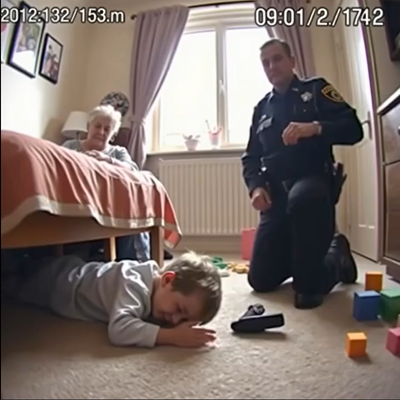
After two weeks of silence from my son, I decided to go to his house myself
The world around me felt distant, as though I were standing behind a thick pane of glass, watching events unfold in slow motion.
My arms still ached from holding Matthew so tightly, as if I had been trying to anchor him to this world with my bare hands.
Even after the paramedics carried him away, I could still feel the cold, trembling weight of his body against my chest. That sensation refused to leave me.
The flashing red and blue lights cast sharp shadows across the street, flickering like a warning no one could yet decipher. Officers murmured urgently into their radios, their voices clipped and tense.
Their presence was grounding, yet every second of it reminded me that something terribly wrong had taken place inside our home—something far larger than I could yet comprehend.
As the paramedics laid Matthew on the stretcher, his face looked impossibly small, his cheeks hollow, his lips cracked. He didn’t fight.
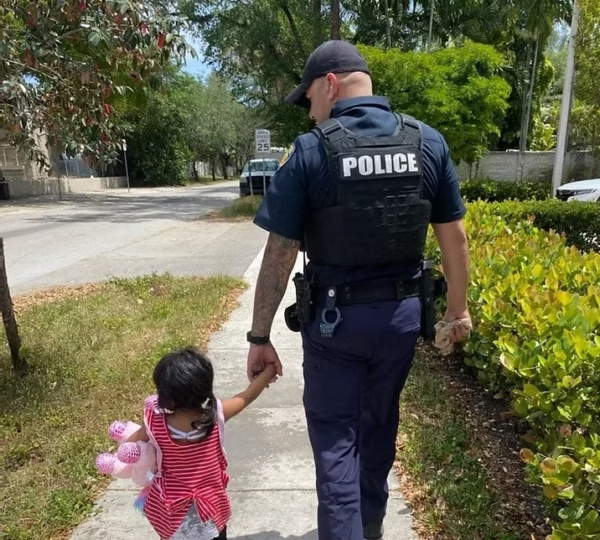
He didn’t cry. He simply stared ahead, as if he were afraid to blink and return to whatever horrors he had witnessed. I
walked beside him quickly, my heartbeat matching the wheels of the stretcher as they rolled toward the ambulance.
Inside the hospital, everything moved frighteningly fast.
Bright lights. Fast footsteps. Cold instruments. Warm hands. Questions I couldn’t answer.
The antiseptic air burned my nose, and I felt dizzy, overwhelmed by the sterile brightness and the terrifying uncertainty.
They pushed me aside gently, promising to take care of him. And in that moment, I had to relinquish the one thing I could still hold onto—control.
The waiting room was a place I would never forget. Chairs lined up like silent witnesses. Walls painted in soft colors that failed to calm anyone’s nerves.
The sound of footsteps, distant voices, and the steady hum of machines drifting in from the hallways. Every second stretched into minutes, every minute into hours.
I checked my phone over and over.
No message from Daniel.
No missed call.
No sign that he was safe.
The silence was unbearable. It gnawed at me, whispering awful possibilities. My mind churned with questions I didn’t want to speak aloud.
Why had he vanished without a word? Why was Matthew alone in the house—terrified, starving, dehydrated? What had happened inside those walls while I was gone?
When the doctor approached hours later, I felt myself go completely still, bracing for the worst.
“Matthew is stable,” she said gently. “He’s severely dehydrated and malnourished, but he’s strong. We’re doing blood tests, scans, and keeping him under close observation.”
Relief washed over me in a trembling wave. For a moment, I couldn’t speak. I simply nodded, tears slipping down my cheeks silently, my breath catching in my throat.
“Thank you,” was all I managed.
Later, sitting beside Matthew’s bed, watching him sleep beneath the soft glow of the monitor lights, I felt a storm of emotions swelling inside me—grief, fear, guilt, confusion, and a fierce determination I hadn’t known I possessed.
His little hand, wrapped loosely in mine, felt like the only thing anchoring me to reality.
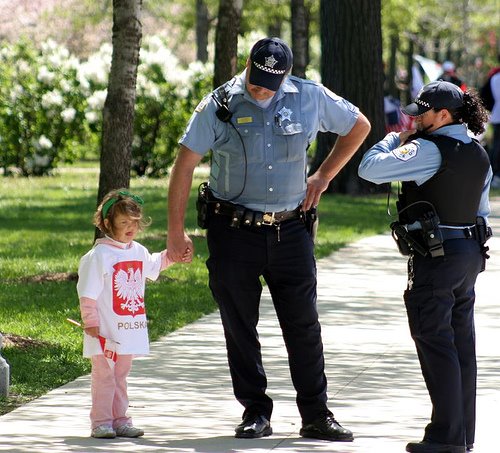
The next morning, the police came with notebooks and serious expressions. Their questions were precise, methodical:
“When did you last hear from Daniel?”
“Has he mentioned arguments, debts, unusual meetings?”
“Has anyone threatened him recently?”
“Has he behaved differently these past few weeks?”
I tried to answer everything truthfully, but it felt like trying to recall events from a life I no longer recognized.
I kept repeating the same truth: I didn’t know where he was. I didn’t know why this had happened. And the more I tried to piece things together, the more the edges of the truth seemed to crumble in my hands.
Days passed slowly. Matthew began to speak, his voice fragile, trembling like a candle flame in a draft.
And then…the fragments came.
“There was shouting,” he whispered. “Daddy was scared.”
“There was a man… I didn’t know him.”
“He told Daddy to get up… to go with him.”
“I was in the room… and I heard the door slam.”
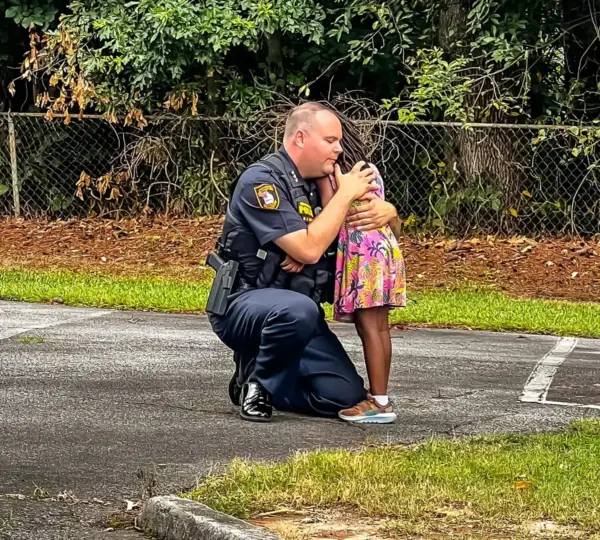
“Then it was dark. I waited and waited but Daddy never came back.”
Each word cut through me like glass.
Each fragment was a window into a nightmare.
The police brought in surveillance footage from the street cameras. My breath caught as they showed the grainy video: Daniel walking out of the house with a tall man, the stranger’s grip tight on his arm.
Daniel’s face was pale, distressed. They argued—clearly, heatedly—and then the man pushed him toward a car. Moments later, they were gone.
Kidnapped.
My husband had been taken.
A cold numbness spread through me. I couldn’t cry. I couldn’t scream. I couldn’t even breathe for a moment. Because now it was no longer a case of abandonment or misunderstanding.
It was a crime.
A disappearance.
A danger far bigger than anything I had imagined.
As the truth settled like a weight on my chest, I pulled Matthew into my arms. He clung to me, his entire body trembling against mine.
“I’m here,” I whispered, my voice cracking. “I’m not going anywhere. You’re safe now. I won’t let anything happen to you.”
He buried his face in my shoulder, releasing a shuddering breath.
And in that quiet hospital room—filled with medical machines, soft lights, and the heavy scent of fear—we made an unspoken promise to each other.
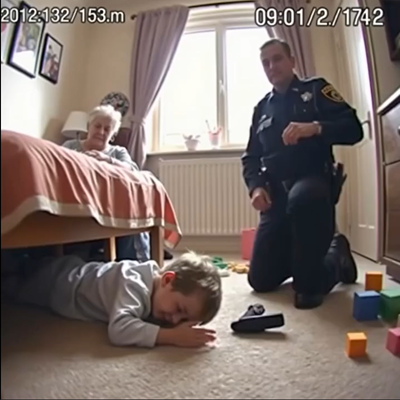
We would not break.
We would not stop searching.
We would not give up on Daniel.
The road ahead was uncertain, terrifying, and twisted with unanswered questions. But holding Matthew close, I felt a spark of determination ignite inside me.
We would face every step—every clue, every revelation, every heartbreak—together.
Because families don’t fall apart quietly.
They fight to stay whole.
And we were going to fight.
The world around me felt distant, as though I were standing behind a thick pane of glass, watching events unfold in slow motion.
My arms still ached from holding Matthew so tightly, as if I had been trying to anchor him to this world with my bare hands.
Even after the paramedics carried him away, I could still feel the cold, trembling weight of his body against my chest. That sensation refused to leave me.
The flashing red and blue lights cast sharp shadows across the street, flickering like a warning no one could yet decipher. Officers murmured urgently into their radios, their voices clipped and tense.
Their presence was grounding, yet every second of it reminded me that something terribly wrong had taken place inside our home—something far larger than I could yet comprehend.
As the paramedics laid Matthew on the stretcher, his face looked impossibly small, his cheeks hollow, his lips cracked. He didn’t fight.
He didn’t cry. He simply stared ahead, as if he were afraid to blink and return to whatever horrors he had witnessed. I
walked beside him quickly, my heartbeat matching the wheels of the stretcher as they rolled toward the ambulance.
Inside the hospital, everything moved frighteningly fast.
Bright lights. Fast footsteps. Cold instruments. Warm hands. Questions I couldn’t answer.
The antiseptic air burned my nose, and I felt dizzy, overwhelmed by the sterile brightness and the terrifying uncertainty.
They pushed me aside gently, promising to take care of him. And in that moment, I had to relinquish the one thing I could still hold onto—control.
The waiting room was a place I would never forget. Chairs lined up like silent witnesses. Walls painted in soft colors that failed to calm anyone’s nerves.
The sound of footsteps, distant voices, and the steady hum of machines drifting in from the hallways. Every second stretched into minutes, every minute into hours.
I checked my phone over and over.
No message from Daniel.
No missed call.
No sign that he was safe.
The silence was unbearable. It gnawed at me, whispering awful possibilities. My mind churned with questions I didn’t want to speak aloud.
Why had he vanished without a word? Why was Matthew alone in the house—terrified, starving, dehydrated? What had happened inside those walls while I was gone?
When the doctor approached hours later, I felt myself go completely still, bracing for the worst.
“Matthew is stable,” she said gently. “He’s severely dehydrated and malnourished, but he’s strong. We’re doing blood tests, scans, and keeping him under close observation.”
Relief washed over me in a trembling wave. For a moment, I couldn’t speak. I simply nodded, tears slipping down my cheeks silently, my breath catching in my throat.
“Thank you,” was all I managed.
Later, sitting beside Matthew’s bed, watching him sleep beneath the soft glow of the monitor lights, I felt a storm of emotions swelling inside me—grief, fear, guilt, confusion, and a fierce determination I hadn’t known I possessed.
His little hand, wrapped loosely in mine, felt like the only thing anchoring me to reality.
The next morning, the police came with notebooks and serious expressions. Their questions were precise, methodical:
“When did you last hear from Daniel?”
“Has he mentioned arguments, debts, unusual meetings?”
“Has anyone threatened him recently?”
“Has he behaved differently these past few weeks?”
I tried to answer everything truthfully, but it felt like trying to recall events from a life I no longer recognized.
I kept repeating the same truth: I didn’t know where he was. I didn’t know why this had happened. And the more I tried to piece things together, the more the edges of the truth seemed to crumble in my hands.
Days passed slowly. Matthew began to speak, his voice fragile, trembling like a candle flame in a draft.
And then…the fragments came.
“There was shouting,” he whispered. “Daddy was scared.”
“There was a man… I didn’t know him.”
“He told Daddy to get up… to go with him.”
“I was in the room… and I heard the door slam.”
“Then it was dark. I waited and waited but Daddy never came back.”
Each word cut through me like glass.
Each fragment was a window into a nightmare.
The police brought in surveillance footage from the street cameras. My breath caught as they showed the grainy video: Daniel walking out of the house with a tall man, the stranger’s grip tight on his arm.
Daniel’s face was pale, distressed. They argued—clearly, heatedly—and then the man pushed him toward a car. Moments later, they were gone.
Kidnapped.
My husband had been taken.
A cold numbness spread through me. I couldn’t cry. I couldn’t scream. I couldn’t even breathe for a moment. Because now it was no longer a case of abandonment or misunderstanding.
It was a crime.
A disappearance.
A danger far bigger than anything I had imagined.
As the truth settled like a weight on my chest, I pulled Matthew into my arms. He clung to me, his entire body trembling against mine.
“I’m here,” I whispered, my voice cracking. “I’m not going anywhere. You’re safe now. I won’t let anything happen to you.”
He buried his face in my shoulder, releasing a shuddering breath.
And in that quiet hospital room—filled with medical machines, soft lights, and the heavy scent of fear—we made an unspoken promise to each other.
We would not break.
We would not stop searching.
We would not give up on Daniel.
The road ahead was uncertain, terrifying, and twisted with unanswered questions. But holding Matthew close, I felt a spark of determination ignite inside me.
We would face every step—every clue, every revelation, every heartbreak—together.
Because families don’t fall apart quietly.
They fight to stay whole.
And we were going to fight.


