...

After My Mom’s Funeral, Her Cat Went Missing — Then He Came Back on Christmas Eve and Changed Our Lives

The winter in Ohio that year didn’t simply arrive; it descended, dense and relentless, like an unwelcome houseguest that refused to leave.

The sky hung low, heavy with gray clouds, and the snow fell in a persistent drizzle that muted the entire world.

The trees, stripped of leaves, seemed skeletal and fragile, and the neighborhood—normally lively with the colors of children’s mittens and holiday lights—looked as if it had been washed in a monochrome filter.

Even the wind felt tired, dragging its icy fingers across streets and rooftops.

Inside my mother’s home on Elm Street, the silence was thicker than the snow outside. It pressed against my ears, against the walls, and especially against my heart.

It was four days before Christmas. Normally, the living room would have been a riot of tinsel, boxes of ornaments, and the smell of cinnamon wafting from the kitchen.
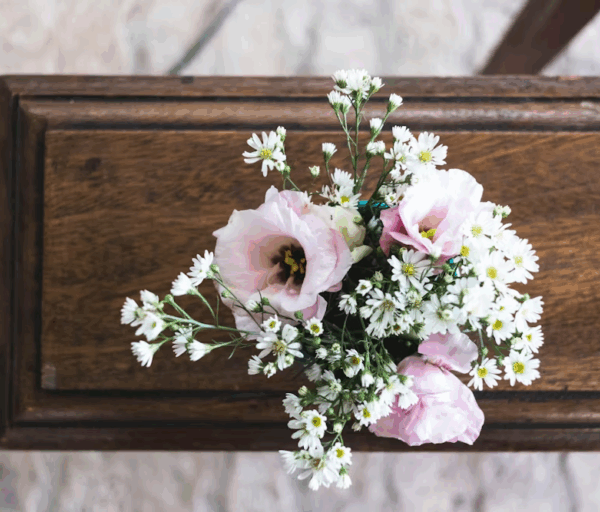
But this year, the chaos seemed half-hearted, a mere shadow of what it used to be.

Cardboard boxes were open, flaps splayed wide, spilling tissue paper, tangled strings of lights, and faded ribbons onto the beige carpet.

My mother, Sarah, had always believed that Christmas wasn’t just a date—it was a state of being. By October, she would be humming carols while baking cookies that smelled like cloves and vanilla.

By November, the scent of pine from her freshly cut tree would drift through the house. Even after chemo had worn her down to skin and bone, she had insisted I promise her something.

“You’ll still do the tree, right, baby?” she whispered, her voice a thin rasp over the hum of her oxygen machine. “Make it sparkle. Don’t let the house go dark just because I’m sleeping.”

“I promise, Mom,” I said, swallowing a lump of grief I wasn’t ready to feel.

But now she was gone. Buried six feet under in the cemetery three miles away. And every ornament I unwrapped wasn’t festive—it was a wound.

There was the macaroni star I’d painted in kindergarten, its gaudy gold flaking off in tiny scales.

The glass pickle, hidden in the tree each year for our little game, which she had let me “win” until I was twelve. The ornaments etched with glittered years: 1998, 2005, 2012—snapshots of holidays long gone.

I sank to the floor, holding a ceramic snowman whose nose had chipped somewhere between 2007 and 2011, and felt a wave of exhaustion so deep I thought I might never rise again.

And then there was Cole.

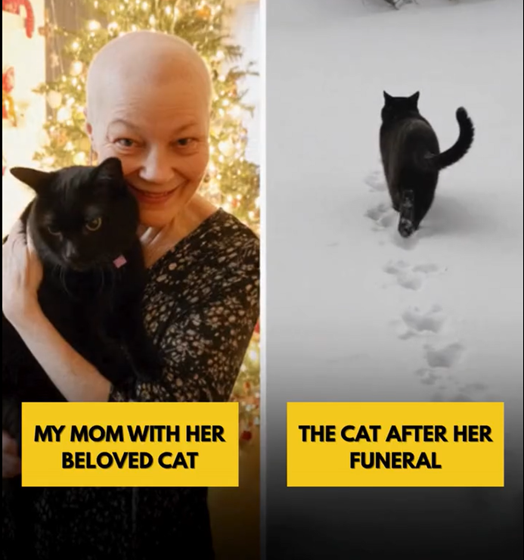
Cole, the black cat with fur like spilled ink and eyes liquid gold, had come into our lives during a thunderstorm ten years ago.

A scrawny, mewling stray at the back door, he had decided he owned us from the first glance. Over the years, he transformed from a mischievous hunter into my mother’s shadow, her guardian.

When Mom’s chemo days worsened, he would curl atop her chest, purring so steadily that her breathing would synchronize with his vibrations.

“He thinks he’s healing me,” she used to say, scratching him behind his ears. “He’s vibrating the sickness away.”

When she died, three weeks prior, Cole did not meow. He did not pace. He merely sat by her empty chair for hours, his tail curled around him as if warding off the world.

We became two ghosts in the same house, moving silently through grief, occupying spaces that once hummed with life.

Then, four days ago, the unthinkable happened.

Returning from the grocery store, arms laden with microwave dinners and coffee—the meager diet of mourning—I kicked the back door shut. Or so I thought. Within minutes, a gust of wind forced it open. Cole was gone.

Panic hit me like ice water. I dropped the groceries; a jar of pasta sauce shattered, leaving a red smear across the linoleum that I did not bother cleaning.

I screamed his name into the wind, my voice cracking, as I ran down the neighborhood streets. Every yard, every deck, every darkened corner became a potential hiding spot.

“Cole! Cole, please!”

I plastered missing posters on telephone poles, featuring a picture of him in a ridiculous red bow tie Mom had bought him last Christmas.

MISSING: Black Cat. Answers to Cole. He is all I have left.

But the snow continued to fall, muffling sound, burying tracks, and Cole did not return.

By the third night, the house no longer felt quiet—it felt hollow. Without Mom, it had felt dim. Without Cole, it felt dead. My phone went unanswered.

My aunt’s voicemail urging me to “move on” went unlistened. Cole wasn’t just a pet; he was my tether to the world, the last living creature who had shared the rhythm of our lives.

The Longest Night

Christmas Eve brought a blizzard, wind rattling windows like an impatient visitor.

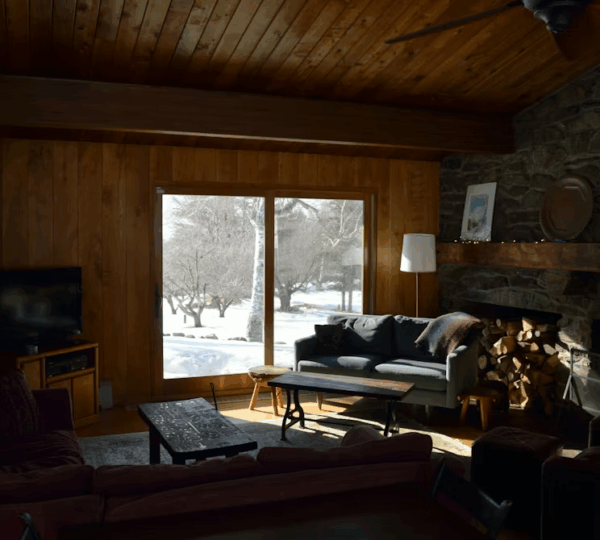
I sat on the kitchen floor, wrapped in Mom’s crocheted afghan in shades of blue and cream, staring at the frost-laced back door. The snow fell in thick sheets, obscuring even the streetlights outside.

And then I heard it: a soft thud against the wood. A scratch.

My heart leapt. Meow. Faint, hoarse, but unmistakable.

I scrambled to the door. A black shape crouched on the doormat, soaked with ice and snow, fur matted, one ear nicked, but eyes shining golden and alive.
In his mouth, he carried something delicate: a glass cardinal, Mom’s favorite ornament, the one from the very top of the tree.

“Cole, how did you…” I began, but the cat’s sharp meow interrupted me. He stepped away from the door, urging me to follow.

I did, barefoot in the snow, clutching the fragile glass bird like a talisman. Cole led me through the neighborhood, past houses blanketed in snow, through streets I hadn’t walked since childhood.

He guided me to the old neighborhood, past the Victorian house where Dad had raised us, where Mom had laughed, and where life had been ordinary and magical all at once.

Cole paused at 422 Oak Lane. He sat at the foot of the porch steps and meowed, mournful and commanding.

The door opened. An older woman appeared, holding a steaming mug of tea. She did not call the police. She did not look frightened. She looked… expectant.

“Well,” she said softly, “you brought her.”

Margaret, the woman who now owned Mom’s house, explained that Mom had visited months earlier, hiding a box in the attic with letters and keepsakes.

“She said if you ever came back, Cole would guide you,” Margaret said.

Inside, warmth enveloped me. The smell of cinnamon, woodsmoke, and old books filled the air. Cole curled beside me, purring like a small engine. Margaret handed me a brass key with a red ribbon—the key to a box Mom had hidden away for years.

The Sanctuary of Memory

Up in the attic, I discovered a wooden box. Inside were dozens of letters, tied with ribbon, each meant for moments I had not yet lived. And on top, a letter marked “Read this first.”

In her neat handwriting, Mom wrote: “If you’re reading this, it means I’m gone. I knew you would find your way back.

Cole knows the way. He always did. I told him to take care of you. This box is me, staying with you. Don’t let the lights go out, baby. Be the spark. I love you, forever and a day.”

I wept, raw and guttural, the grief of months finally breaking free. I cried for her illness, for lost time, for the woman who had loved me so profoundly she orchestrated a treasure hunt across death itself.

Return of the Light

Back downstairs, Margaret offered tea. Cole lay on the sofa—Mom’s spot. I placed the glass cardinal atop the tree, highest branch, where it caught the light from the streetlamp.

Then I plugged in the lights. Red, green, gold shimmered across the walls, pushing back the darkness.

Cole purred, kneading the cushion, his job done. I opened the letters, each a testament to love, guidance, and presence beyond absence.

I held the envelope marked “For your first Christmas alone” and whispered:

“Merry Christmas, Mom.”

And in the purr of Cole, the hum of the house, the shimmer of the lights, I swear I heard her whisper back:

“Merry Christmas, baby.”

Grief is heavy, but love is fire. And sometimes, guidance comes from the most unexpected places: a black cat in the snow, a hidden key, and the promise kept across the divide of life and death.

I wasn’t alone. I never had been. I only needed a guide to show me the way home.

The winter in Ohio that year didn’t simply arrive; it descended, dense and relentless, like an unwelcome houseguest that refused to leave.

The sky hung low, heavy with gray clouds, and the snow fell in a persistent drizzle that muted the entire world.

The trees, stripped of leaves, seemed skeletal and fragile, and the neighborhood—normally lively with the colors of children’s mittens and holiday lights—looked as if it had been washed in a monochrome filter.

Even the wind felt tired, dragging its icy fingers across streets and rooftops.

Inside my mother’s home on Elm Street, the silence was thicker than the snow outside. It pressed against my ears, against the walls, and especially against my heart.

It was four days before Christmas. Normally, the living room would have been a riot of tinsel, boxes of ornaments, and the smell of cinnamon wafting from the kitchen.

But this year, the chaos seemed half-hearted, a mere shadow of what it used to be.

Cardboard boxes were open, flaps splayed wide, spilling tissue paper, tangled strings of lights, and faded ribbons onto the beige carpet.

My mother, Sarah, had always believed that Christmas wasn’t just a date—it was a state of being. By October, she would be humming carols while baking cookies that smelled like cloves and vanilla.

By November, the scent of pine from her freshly cut tree would drift through the house. Even after chemo had worn her down to skin and bone, she had insisted I promise her something.

“You’ll still do the tree, right, baby?” she whispered, her voice a thin rasp over the hum of her oxygen machine. “Make it sparkle. Don’t let the house go dark just because I’m sleeping.”

“I promise, Mom,” I said, swallowing a lump of grief I wasn’t ready to feel.

But now she was gone. Buried six feet under in the cemetery three miles away. And every ornament I unwrapped wasn’t festive—it was a wound.

There was the macaroni star I’d painted in kindergarten, its gaudy gold flaking off in tiny scales.

The glass pickle, hidden in the tree each year for our little game, which she had let me “win” until I was twelve. The ornaments etched with glittered years: 1998, 2005, 2012—snapshots of holidays long gone.

I sank to the floor, holding a ceramic snowman whose nose had chipped somewhere between 2007 and 2011, and felt a wave of exhaustion so deep I thought I might never rise again.

And then there was Cole.

Cole, the black cat with fur like spilled ink and eyes liquid gold, had come into our lives during a thunderstorm ten years ago.

A scrawny, mewling stray at the back door, he had decided he owned us from the first glance. Over the years, he transformed from a mischievous hunter into my mother’s shadow, her guardian.

When Mom’s chemo days worsened, he would curl atop her chest, purring so steadily that her breathing would synchronize with his vibrations.

“He thinks he’s healing me,” she used to say, scratching him behind his ears. “He’s vibrating the sickness away.”

When she died, three weeks prior, Cole did not meow. He did not pace. He merely sat by her empty chair for hours, his tail curled around him as if warding off the world.

We became two ghosts in the same house, moving silently through grief, occupying spaces that once hummed with life.

Then, four days ago, the unthinkable happened.

Returning from the grocery store, arms laden with microwave dinners and coffee—the meager diet of mourning—I kicked the back door shut. Or so I thought. Within minutes, a gust of wind forced it open. Cole was gone.

Panic hit me like ice water. I dropped the groceries; a jar of pasta sauce shattered, leaving a red smear across the linoleum that I did not bother cleaning.

I screamed his name into the wind, my voice cracking, as I ran down the neighborhood streets. Every yard, every deck, every darkened corner became a potential hiding spot.

“Cole! Cole, please!”

I plastered missing posters on telephone poles, featuring a picture of him in a ridiculous red bow tie Mom had bought him last Christmas.

MISSING: Black Cat. Answers to Cole. He is all I have left.

But the snow continued to fall, muffling sound, burying tracks, and Cole did not return.

By the third night, the house no longer felt quiet—it felt hollow. Without Mom, it had felt dim. Without Cole, it felt dead. My phone went unanswered.

My aunt’s voicemail urging me to “move on” went unlistened. Cole wasn’t just a pet; he was my tether to the world, the last living creature who had shared the rhythm of our lives.

The Longest Night

Christmas Eve brought a blizzard, wind rattling windows like an impatient visitor.

I sat on the kitchen floor, wrapped in Mom’s crocheted afghan in shades of blue and cream, staring at the frost-laced back door. The snow fell in thick sheets, obscuring even the streetlights outside.

And then I heard it: a soft thud against the wood. A scratch.

My heart leapt. Meow. Faint, hoarse, but unmistakable.

I scrambled to the door. A black shape crouched on the doormat, soaked with ice and snow, fur matted, one ear nicked, but eyes shining golden and alive.

In his mouth, he carried something delicate: a glass cardinal, Mom’s favorite ornament, the one from the very top of the tree.

“Cole, how did you…” I began, but the cat’s sharp meow interrupted me. He stepped away from the door, urging me to follow.

I did, barefoot in the snow, clutching the fragile glass bird like a talisman. Cole led me through the neighborhood, past houses blanketed in snow, through streets I hadn’t walked since childhood.

He guided me to the old neighborhood, past the Victorian house where Dad had raised us, where Mom had laughed, and where life had been ordinary and magical all at once.

Cole paused at 422 Oak Lane. He sat at the foot of the porch steps and meowed, mournful and commanding.

The door opened. An older woman appeared, holding a steaming mug of tea. She did not call the police. She did not look frightened. She looked… expectant.

“Well,” she said softly, “you brought her.”

Margaret, the woman who now owned Mom’s house, explained that Mom had visited months earlier, hiding a box in the attic with letters and keepsakes.

“She said if you ever came back, Cole would guide you,” Margaret said.

Inside, warmth enveloped me. The smell of cinnamon, woodsmoke, and old books filled the air. Cole curled beside me, purring like a small engine. Margaret handed me a brass key with a red ribbon—the key to a box Mom had hidden away for years.

The Sanctuary of Memory

Up in the attic, I discovered a wooden box. Inside were dozens of letters, tied with ribbon, each meant for moments I had not yet lived. And on top, a letter marked “Read this first.”

In her neat handwriting, Mom wrote: “If you’re reading this, it means I’m gone. I knew you would find your way back.

Cole knows the way. He always did. I told him to take care of you. This box is me, staying with you. Don’t let the lights go out, baby. Be the spark. I love you, forever and a day.”

I wept, raw and guttural, the grief of months finally breaking free. I cried for her illness, for lost time, for the woman who had loved me so profoundly she orchestrated a treasure hunt across death itself.

Return of the Light

Back downstairs, Margaret offered tea. Cole lay on the sofa—Mom’s spot. I placed the glass cardinal atop the tree, highest branch, where it caught the light from the streetlamp.

Then I plugged in the lights. Red, green, gold shimmered across the walls, pushing back the darkness.

Cole purred, kneading the cushion, his job done. I opened the letters, each a testament to love, guidance, and presence beyond absence.

I held the envelope marked “For your first Christmas alone” and whispered:

“Merry Christmas, Mom.”

And in the purr of Cole, the hum of the house, the shimmer of the lights, I swear I heard her whisper back:

“Merry Christmas, baby.”

Grief is heavy, but love is fire. And sometimes, guidance comes from the most unexpected places: a black cat in the snow, a hidden key, and the promise kept across the divide of life and death.

I wasn’t alone. I never had been. I only needed a guide to show me the way home.