

There is something undeniably comforting about recipes that have been passed down through generations. Long before online tutorials and glossy cookbooks.
Family favorites were preserved on handwritten index cards, tucked into kitchen drawers, or scribbled in the margins of well-worn notebooks.
These recipes were more than instructions — they were pieces of family history. Among those treasured traditions is a humble yet delightful confection often known simply as old-fashioned orange candy.
Soft, chewy, lightly sweet, and coated in powdered sugar, this vintage treat captures the warmth of shared kitchens and holiday gatherings.
It recalls an era when candy was not mass-produced in factories but assembled by hand at the kitchen table, often with children helping to sprinkle sugar or chop nuts.
The scent of citrus mingling with sugar and toasted pecans would drift through the house, signaling that something special was being made.
While modern store-bought sweets offer convenience and variety, they rarely evoke the same sense of nostalgia. This orange candy stands apart because of its simplicity.
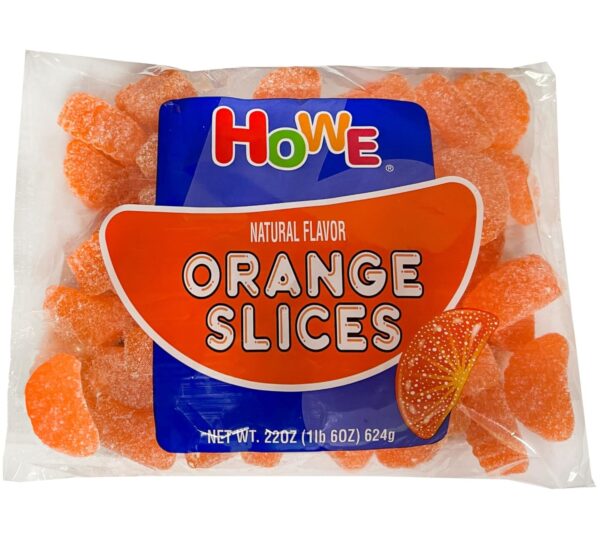
It uses familiar ingredients that are widely available in most grocery stores: orange slice candies, powdered sugar, and pecans. With minimal equipment and only a few steps, it transforms basic pantry staples into something that feels both personal and timeless.
A Glimpse Into Candy-Making Traditions
Before refrigeration and advanced food manufacturing, many candies were created using techniques that relied on sugar’s natural preserving qualities.
While this particular recipe is not as old as boiled sugar confections or brittle, it belongs to a long tradition of homemade sweets that became especially popular in the early to mid-20th century.
During that period, gelatin-based candies such as orange slices became widely available in the United States and other countries.
Home cooks discovered creative ways to incorporate them into desserts and candy trays. Rather than serving the candies straight from the bag, they experimented with rolling, layering, and coating them to create new textures and flavors.
This orange candy recipe reflects that spirit of ingenuity. By softening and reshaping pre-made orange slice candies, home cooks could create a confection that looked and tasted unique — something that felt handcrafted rather than store-bought.
Why Orange Slice Candies?
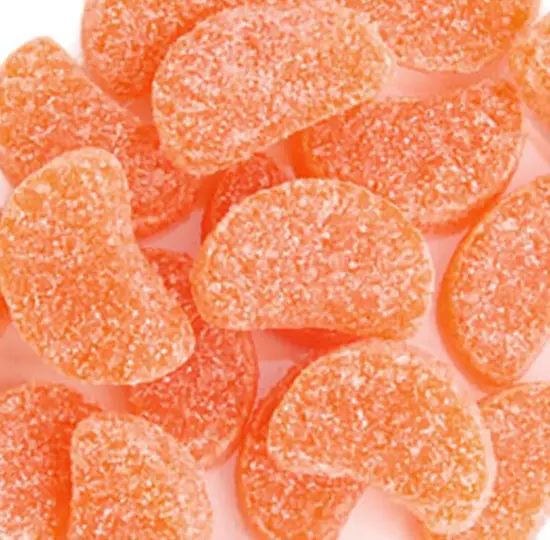
Orange slice candies are soft, sugar-coated jelly candies flavored with citrus. They are typically shaped like small wedges and dusted with granulated sugar. Their chewy texture makes them particularly suitable for reshaping and layering.
When briefly warmed, these candies become more pliable, allowing them to be flattened without tearing. Once cooled again, they regain their firmness while maintaining a tender chew. This characteristic makes them ideal for this old-fashioned preparation method.
Although orange is the traditional flavor associated with this recipe, variations often include lemon, lime, or cherry slice candies. These alternatives can create colorful assortments, especially during holidays when festive candy trays are common.
The Role of Powdered Sugar
Powdered sugar, also known as confectioners’ sugar, plays an important role in both texture and appearance. Unlike granulated sugar, powdered sugar is finely ground and often includes a small amount of cornstarch to prevent clumping.
When sprinkled over the flattened candy, it prevents sticking and adds a delicate sweetness without overwhelming the citrus flavor.
It also gives the finished pieces a soft, snowy coating that enhances their nostalgic charm. Visually, the powdered sugar creates a contrast against the vibrant orange hue of the candy, making each piece look inviting and festive.
Pecans: A Gentle Crunch
Pecans add balance to the candy’s soft chewiness. Their mild, buttery flavor complements citrus without overpowering it. Finely chopped pecans provide a gentle crunch that contrasts with the jelly candy’s smooth texture.

While pecans are traditional, other nuts such as walnuts can be substituted depending on preference. However, pecans are often favored because of their naturally sweet undertones and soft bite, which integrate well into the candy’s texture.
For best results, pecans should be fresh and finely chopped. Lightly toasting them before use can enhance their flavor, though this step is optional. If toasting, allow them to cool completely before adding them to the candy to avoid melting the sugar coating.
Step-by-Step Preparation
One of the most appealing aspects of this vintage recipe is its simplicity. It requires no candy thermometer, no stovetop sugar boiling, and no specialized equipment.
1. Soften the Candies
Place the orange slice candies in a microwave-safe bowl. Heat them briefly in short intervals — typically 5 to 10 seconds at a time — just until they become soft and pliable. The goal is not to melt them, but to make them flexible enough to flatten.
Overheating can cause the candies to become overly sticky or lose their shape, so careful attention is important during this step.
2. Flatten Between Parchment Paper
Once softened, place the candies between two sheets of parchment paper. Using a rolling pin, gently roll them into a flat layer. The thickness can vary based on preference, but a thin, even layer works best for achieving balanced flavor and texture.
Parchment paper prevents sticking and allows for easy handling.
3. Add Powdered Sugar and Pecans
Remove the top sheet of parchment paper. Lightly dust the surface with powdered sugar. Sprinkle finely chopped pecans evenly across the candy layer.
If desired, gently press the pecans into the candy surface to help them adhere.
4. Shape and Cool
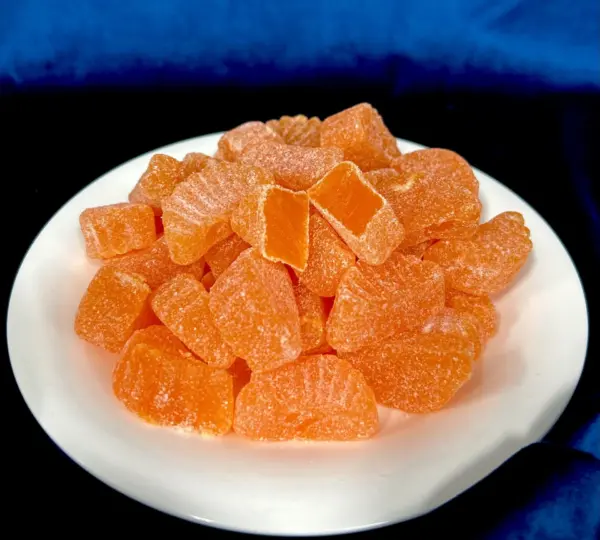
Depending on preference, the candy can be rolled into logs and sliced into bite-sized pieces, or cut into squares or strips. After shaping, allow the pieces to rest at room temperature until firm.
As they cool, the candy regains its chewiness while the powdered sugar coating settles into a delicate finish.
Customizing the Recipe
While the classic version uses orange slice candies and pecans, this recipe lends itself well to variation.
-
Colorful Assortments: Substitute lemon, lime, or cherry slice candies for a multicolored candy tray.
-
Nut Alternatives: Use walnuts or finely chopped almonds if pecans are unavailable.
-
Flavor Enhancements: A small amount of finely grated citrus zest can intensify the citrus aroma.
-
Holiday Presentation: Roll finished pieces in additional powdered sugar before serving for a festive appearance.
These small adjustments allow the recipe to suit different tastes while preserving its traditional foundation.
A Candy for Every Occasion
This old-fashioned orange candy is especially popular during the holidays. Its bright citrus flavor pairs well with winter baking traditions, and its make-ahead convenience makes it ideal for gift boxes and dessert platters.
Because it does not require refrigeration during preparation, it is easy to assemble in advance of gatherings. Stored in an airtight container at room temperature, the candy typically remains fresh for several days.
It also makes a thoughtful homemade gift. Wrapped in wax paper or arranged in decorative tins, it reflects time and care — qualities often more meaningful than store-bought confections.
The Emotional Connection
Beyond flavor and texture, what truly sets this recipe apart is its emotional resonance. Many people associate homemade candy with grandparents, holiday visits, or afternoons spent learning in the kitchen.
The act of preparing candy together fosters connection. Rolling the candies flat, sprinkling sugar, and carefully slicing pieces can become shared rituals. Even children can participate in safe steps of the process, making it a multi-generational activity.
In a fast-paced world, recipes like this encourage slowing down. They remind us that simple ingredients, thoughtfully prepared, can create moments of joy.
A Taste of Simpler Times
Modern candy aisles offer endless variety, from gourmet chocolates to novelty sweets. Yet there remains a quiet appeal in recipes that rely on only three or four ingredients.
This orange candy does not aim to impress with complexity. Instead, it offers balance — sweetness without excess, citrus brightness without artificial intensity, and texture without heaviness.
Its charm lies in its straightforward nature. There is no elaborate technique or hidden trick. The satisfaction comes from transforming something familiar into something uniquely personal.
Practical Tips for Best Results
To ensure success when preparing this recipe:
-
Use fresh candies that are soft to begin with. Stale candies may crack when rolled.
-
Microwave in short bursts to prevent melting.
-
Keep parchment paper in place during rolling to maintain a clean workspace.
-
Chop pecans finely for better adhesion and even distribution.
-
Allow sufficient cooling time before stacking or storing to prevent sticking.
Following these simple guidelines helps preserve the candy’s traditional texture and appearance.
Preserving Tradition in Modern Kitchens
Even as culinary trends evolve, recipes like this endure because they are adaptable and approachable. They do not require advanced culinary skills or expensive ingredients.
For those recreating a family tradition, this candy may evoke specific memories — perhaps of a grandparent who made it every December, or of a holiday table where it always appeared beside cookies and fudge.
For others discovering it for the first time, it offers an opportunity to begin a new tradition. Making it annually or sharing it with friends can transform a simple recipe into a lasting ritual.
More Than Just Candy
At its heart, this old-fashioned orange candy represents more than a sweet treat. It embodies tradition, resourcefulness, and the simple pleasure of homemade food. Each bite carries a blend of citrus brightness, nutty warmth, and delicate sweetness — flavors that feel comforting rather than overwhelming.
In a world increasingly defined by convenience, taking the time to prepare something by hand can feel meaningful. It connects us to earlier generations who relied on creativity and care rather than complexity.
This recipe stands as a small reminder that joy does not require elaborate ingredients or complicated techniques. Sometimes, it is found in rolling soft candies between sheets of parchment paper, dusting them with powdered sugar, and sharing them with people you love.
Wrapped in every bite is not only citrus and pecans, but memory, warmth, and the enduring sweetness of tradition.
