

Many individuals around the world struggle with body image concerns and complex relationships with food, often influenced by social pressures, personal experiences, and mental health challenges that develop gradually over time.
Eating disorders are serious mental health conditions that affect millions of people globally, regardless of age, gender, or background, and they require compassion, understanding, and appropriate support for recovery.
Among those who have openly shared their journey is Annie Windley, a young woman from Woolley Moor in Derbyshire, whose story has inspired many by highlighting both the severity of anorexia and the possibility of recovery.
Annie’s experience began during her teenage years, a period when many individuals are particularly vulnerable to societal expectations, self-esteem issues, and the desire to feel accepted or in control of their lives.
In 2012, Annie was diagnosed with anorexia nervosa, a serious eating disorder characterized by an intense fear of gaining weight and a distorted perception of body image, often leading to dangerous physical consequences.
At the height of her illness, Annie’s weight dropped to approximately 29 kilograms, or about 63 pounds, placing her in a life-threatening condition that required urgent medical attention and long-term care.
Her physical health at that time was severely compromised, as extreme malnutrition can affect nearly every organ system, including the heart, brain, and immune system, making recovery both critical and complex.
Despite the seriousness of her condition, recovery was not immediate, as eating disorders often involve deeply rooted psychological factors that take time, patience, and consistent effort to address.

Annie began taking steps toward recovery in 2014, marking the beginning of a long and challenging journey that required not only medical support but also significant mental and emotional resilience.
During the early stages of her recovery, she faced setbacks and difficulties, which are common in eating disorder recovery, as progress is rarely linear and often involves moments of doubt and struggle.
A turning point came in 2017 when Annie made a firm personal commitment to focus fully on her healing process, choosing to prioritize her health and well-being above the patterns that had previously controlled her life.
This decision represented a crucial shift in mindset, as sustainable recovery often begins when individuals actively choose change, even when the process feels uncomfortable or uncertain.
One of the key elements that supported Annie’s recovery was discovering a passion for running, which provided her with a constructive and empowering outlet for both physical energy and emotional expression.
Engaging in regular physical activity, in a balanced and healthy way, helped her reconnect with her body, not as something to control or restrict, but as something to care for and strengthen.
Running also offered Annie a sense of achievement and purpose, allowing her to set realistic goals and gradually build confidence in her abilities as her physical health improved.
As she continued to recover, Annie began to see improvements not only in her physical strength but also in her mental outlook, developing a more positive and compassionate perspective toward herself.
In just a few months, she gained approximately three stone, or around 19 kilograms, bringing her closer to a healthier weight and significantly improving her overall physical condition.
Weight restoration is a critical component of recovery from anorexia, as adequate nutrition is essential for both physical healing and the stabilization of cognitive and emotional functions.
With improved nutrition, Annie experienced increased energy levels, better concentration, and a gradual return of normal bodily functions, all of which contributed to her ongoing recovery process.
Her participation in the Chesterfield Half Marathon became a powerful milestone, symbolizing not only physical endurance but also the progress she had made in reclaiming her life from illness.
Completing such a demanding event required dedication, training, and resilience, demonstrating how far she had come from the period when her health was at its most fragile.
Importantly, Annie’s approach to running remained balanced, focusing on enjoyment and personal growth rather than perfection or excessive pressure, which can be harmful during recovery.
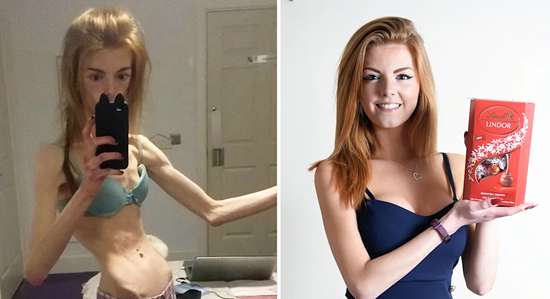
Throughout her journey, Annie also worked on rebuilding her relationship with food, learning to view it as nourishment and support rather than something to fear or control.
This shift in thinking is often one of the most challenging aspects of recovery, as it involves changing deeply ingrained beliefs and developing healthier coping mechanisms.
Support from healthcare professionals, family, and friends likely played a significant role in her progress, as recovery from eating disorders typically requires a strong support system.
Therapeutic approaches such as counseling or cognitive behavioral therapy are commonly used to help individuals understand and challenge the thoughts that contribute to disordered eating behaviors.
Annie’s story highlights the importance of patience, as recovery is not a quick process but rather a gradual journey that unfolds over months or even years.
There were likely moments of doubt and difficulty along the way, but her persistence and commitment allowed her to continue moving forward despite the challenges she faced.
As her health improved, Annie began to develop a stronger sense of self-worth, recognizing that her value was not determined by her appearance or weight.
This realization is a crucial part of recovery, as building self-esteem and self-acceptance helps individuals maintain long-term progress and prevent relapse.
Annie has since used her experience to raise awareness about eating disorders, sharing her story in order to help others feel less alone in their struggles.
By speaking openly about her journey, she has contributed to reducing stigma and encouraging more honest conversations about mental health and recovery.

Her message emphasizes that recovery is possible, even in cases where the illness has become severe, offering hope to those who may feel trapped or discouraged.
She also highlights the importance of self-kindness, encouraging individuals to treat themselves with the same compassion they would offer to someone else facing similar challenges.
Learning to be kind to oneself can be transformative, especially for individuals who have struggled with self-criticism and negative internal dialogue.
Annie’s journey demonstrates that setbacks do not mean failure, but rather are a natural part of the recovery process that can provide opportunities for learning and growth.
Maintaining recovery often involves developing healthy routines, setting realistic goals, and continuing to prioritize both physical and mental well-being.
For many people, recovery also includes finding meaningful activities or passions, like Annie did with running, which can provide motivation and a sense of fulfillment.
These activities can help individuals build a life that feels rewarding and balanced, reducing the likelihood of returning to harmful behaviors.
Education about eating disorders is also essential, as increased awareness can lead to earlier intervention and better outcomes for those affected.
Families and communities play an important role in supporting individuals with eating disorders by fostering understanding and providing encouragement without judgment.
Access to appropriate treatment and resources is another key factor, as professional guidance can make a significant difference in the recovery journey.
Annie’s story serves as a reminder that recovery is not defined by perfection, but by progress, resilience, and the willingness to keep moving forward.
It also illustrates that healing involves both the body and the mind, requiring attention to physical health as well as emotional and psychological well-being.
By sharing her experience, Annie has helped to challenge common misconceptions about eating disorders, showing that they are complex conditions that require empathy and proper care.
Her journey encourages others to seek help when needed, reinforcing the idea that reaching out is a sign of strength rather than weakness.
For those currently struggling, stories like Annie’s can provide a sense of hope and reassurance that change is possible, even when the path forward seems difficult.
Recovery may look different for each individual, but the underlying message remains the same: with support, determination, and time, improvement is achievable.
Annie continues to advocate for a healthier and more compassionate approach to body image, promoting acceptance and understanding in a world often focused on unrealistic standards.
Her experience underscores the importance of focusing on overall well-being rather than appearance, encouraging a more balanced and sustainable perspective on health.
Through her journey, she has shown that it is possible to rebuild not only physical strength but also confidence, purpose, and a positive outlook on life.
Her story is ultimately one of resilience, demonstrating the power of determination and the human capacity to overcome even the most challenging circumstances.
By choosing to share her experience, Annie has made a meaningful impact, offering guidance and inspiration to others who may be facing similar struggles.
Her message continues to resonate with many, reminding people that recovery is a journey worth pursuing and that every step forward, no matter how small, matters.
In a broader sense, her story highlights the need for continued awareness, education, and support for mental health issues, including eating disorders.
As more individuals speak openly about their experiences, society can move toward a more supportive and understanding approach to these challenges.
Annie’s journey stands as a powerful example of hope, resilience, and the possibility of change, encouraging others to believe in their own ability to heal.
Her story reinforces the idea that it is never too late to make a positive change and begin the process of recovery.
Ultimately, Annie Windley’s experience serves as a reminder that even in the face of severe hardship, strength and recovery are possible with the right mindset and support.
Through honesty, perseverance, and compassion, she has transformed her struggles into a source of inspiration for others around the world.
