

It was a quiet Thursday evening when Ravi, our longtime delivery driver, pulled up to the driveway. Normally composed, his movements seemed unusually tense, his hands trembling slightly as he handed over the dinner bag with an urgent glance.
As I opened the bag to retrieve the food, I noticed a folded note tucked inside. Written in hurried, deliberate handwriting, it read: “CHECK YOUR TRASH CAN.” A chill ran down my spine, and my pulse quickened immediately.
The words felt ominous, and I rushed outside under the dim porch light. One of the garbage bins, partially hidden in shadows, appeared ordinary at first, but as I approached, I realized something was clearly out of place.
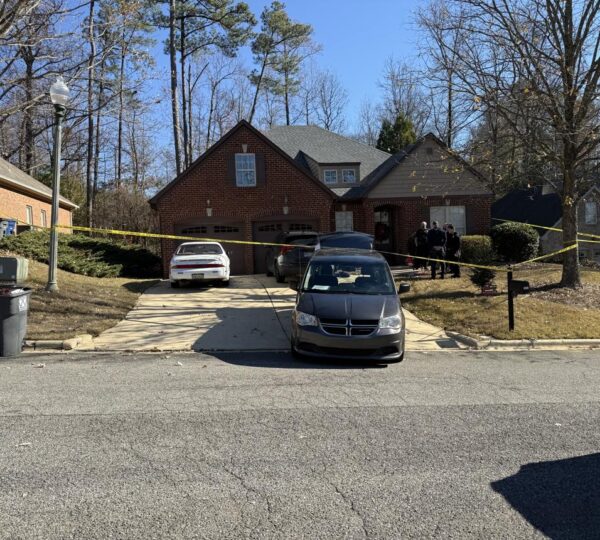
Inside the bin, gloves, an assortment of tools, and a small bottle containing a corrosive liquid were neatly arranged. My stomach churned as recognition hit me; these were materials often associated with recent burglary attempts in nearby neighborhoods.
Hands shaking, I dialed the sheriff’s department. The operator responded swiftly, assuring me that officers would be on the scene promptly. Within minutes, Deputy Leona, known for her meticulous investigative skills, arrived to assess the situation carefully.
Leona instructed me firmly to refrain from touching anything. She donned protective gloves, examined the contents, and explained that corrosive liquids like the one found were commonly used to weaken locks, matching methods reported in local break-ins.
I stepped back, fear racing through my mind. Thoughts of what could have happened if these materials were used against our home kept me awake. Every possible scenario played vividly, intensifying my anxiety and sense of urgency.
That night, I meticulously checked all doors and windows. My family, unaware of the danger, slept peacefully. Determined to act quickly, I contacted a professional security company to install cameras, ensuring we would have immediate surveillance in place.

The following morning, security technicians arrived promptly, evaluating the property and discussing optimal camera placement. Their goal was complete coverage, with particular attention to entry points and blind spots where suspicious activity could go unnoticed.
While cameras were being installed, Leona returned to provide additional updates. Her expression was solemn as she confirmed that tests on the liquid indicated it could corrode metal, potentially compromising locks and allowing unauthorized entry if misused.
At that moment, I noticed Ravi lingering near the driveway, his nervous demeanor still evident. I approached him cautiously, hoping to understand why he had left the alarming note and what he might have witnessed during his deliveries earlier that week.
Ravi confessed that he had observed suspicious men loitering near our trash several days prior. Concerned for our safety, he left the note in hopes that we would notice it before anyone attempted to misuse the items.
A wave of relief and gratitude washed over me. I thanked him sincerely, acknowledging that his vigilance and decisive action may have prevented a burglary, potentially saving our home and family from significant harm or trauma.

Even after the cameras were installed, I remained alert. The presence of surveillance offered reassurance but did not eliminate risk entirely. Vigilant monitoring became essential, reinforcing the need to remain aware of unusual behaviors and patterns.
That evening, I observed the monitors closely. Every shadow, movement, or sound on the property felt magnified. While anxiety persisted, the cameras offered comfort, giving us the tools to detect and respond to potential threats immediately.
The incident highlighted the importance of awareness and community vigilance. Often, ordinary individuals, like Ravi, notice subtle signs others might miss. Their actions can be the difference between safety and vulnerability in a potentially dangerous situation.
Over the following days, I further strengthened security measures. Motion-sensor lights were installed around the perimeter, locks were reinforced, and additional cameras were strategically positioned to cover blind spots previously undetectable from the main house.
Ravi continued delivering with his usual care, but now with an added layer of recognition and gratitude from our family. His attentiveness and caution had proven invaluable, earning him a level of trust and appreciation far beyond his regular duties.

Neighbors, once unaware of recent suspicious activity, became increasingly observant after hearing about the incident. Conversations about trash safety, adequate lighting, and local patrols became common, fostering a more vigilant, community-oriented approach to neighborhood security.
Leona returned one final time to review the scene, answering lingering questions and providing thorough safety recommendations. She emphasized reporting any unusual items or behavior immediately, reinforcing the importance of proactive engagement with local law enforcement.
Our family’s experience became a lesson in preventive action, quick thinking, and the critical role ordinary citizens play in maintaining personal and community safety. Awareness, vigilance, and timely communication are key to averting potential harm effectively.
Even weeks later, every delivery serves as a reminder to remain attentive. Observing small, seemingly insignificant details—whether it’s a note, unusual movement, or odd behavior—can prevent incidents, demonstrating how vigilance truly saves lives.
Through the incident, we learned the value of preparation. Regular security updates, communication with law enforcement, and community awareness programs are essential for reducing risks and ensuring families can feel safe in their own homes.
Ravi’s actions exemplify how courage and attentiveness, even in routine roles, can have profound impacts. His decision to act, despite potential personal risk, highlighted the importance of civic responsibility and human decency in everyday situations.

Reflecting on that night, it is clear that preventative measures combined with swift action can avert disasters. Simple steps, such as checking bins or reporting anomalies, can transform potential danger into manageable situations.
The story also underscored how security systems, while technologically advanced, are most effective when paired with human intuition. Cameras and alarms offer tools, but the awareness of individuals remains crucial in detecting early signs of trouble.
In hindsight, the events reinforced our commitment to ongoing vigilance. We established protocols for monitoring deliveries, observing neighborhood activity, and maintaining clear lines of communication with law enforcement and security providers.
The episode fostered deeper community engagement. Neighbors shared tips, coordinated watch schedules, and collectively enhanced surveillance efforts, demonstrating that safety is strengthened when responsibility is shared and observed cooperatively.
Even with the immediate danger past, the experience left a lasting impression on our household. We now approach daily routines with heightened mindfulness, prioritizing observation, awareness, and preparedness without succumbing to fear.
Ravi’s continued involvement in deliveries became symbolic of community trust. His careful observation and willingness to act reminded us that individual vigilance can significantly contribute to overall safety and security in a neighborhood.
By taking proactive steps, our family now enjoys enhanced peace of mind. Though the potential for risk remains, we are equipped with both technology and knowledge to detect, prevent, and respond to threats effectively.
The incident ultimately became a narrative of human courage, preparedness, and community awareness. It demonstrated that vigilance, quick action, and communication can prevent potential danger and protect families from harm.
